
Marc-William Palen
History Department, University of Exeter
Follow on Twitter @MWPalen
From unravelling the Windrush myth to the infinite possibilities of Afrofuturism, here are this week’s top picks in imperial and global history.
Unravelling the Windrush myth: the confidential government communications that reveal authorities did not want Caribbean migrants to come to Britain
Henghameh Saroukhani
Conversation
In the twilight hours of June 21 1948, a weathered five-deck troopship transporting 1,027 passengers moored off Gravesend on the south bank of the river Thames. That evening, immigration officials would begin carefully processing those aboard. The following afternoon, passengers would walk off the gangplank, finally stepping foot on British soil, disembarking at the port of Tilbury in Essex.
The ship that docked in the summer of 1948 was the HMT Empire Windrush. Before arriving in Gravesend, it already had a complicated and disturbing life: it was once a German vessel of war and fascist propaganda, and a mode of transport for Holocaust victims. But it was this one post-war journey from the Caribbean to England that would define it. [continue reading]
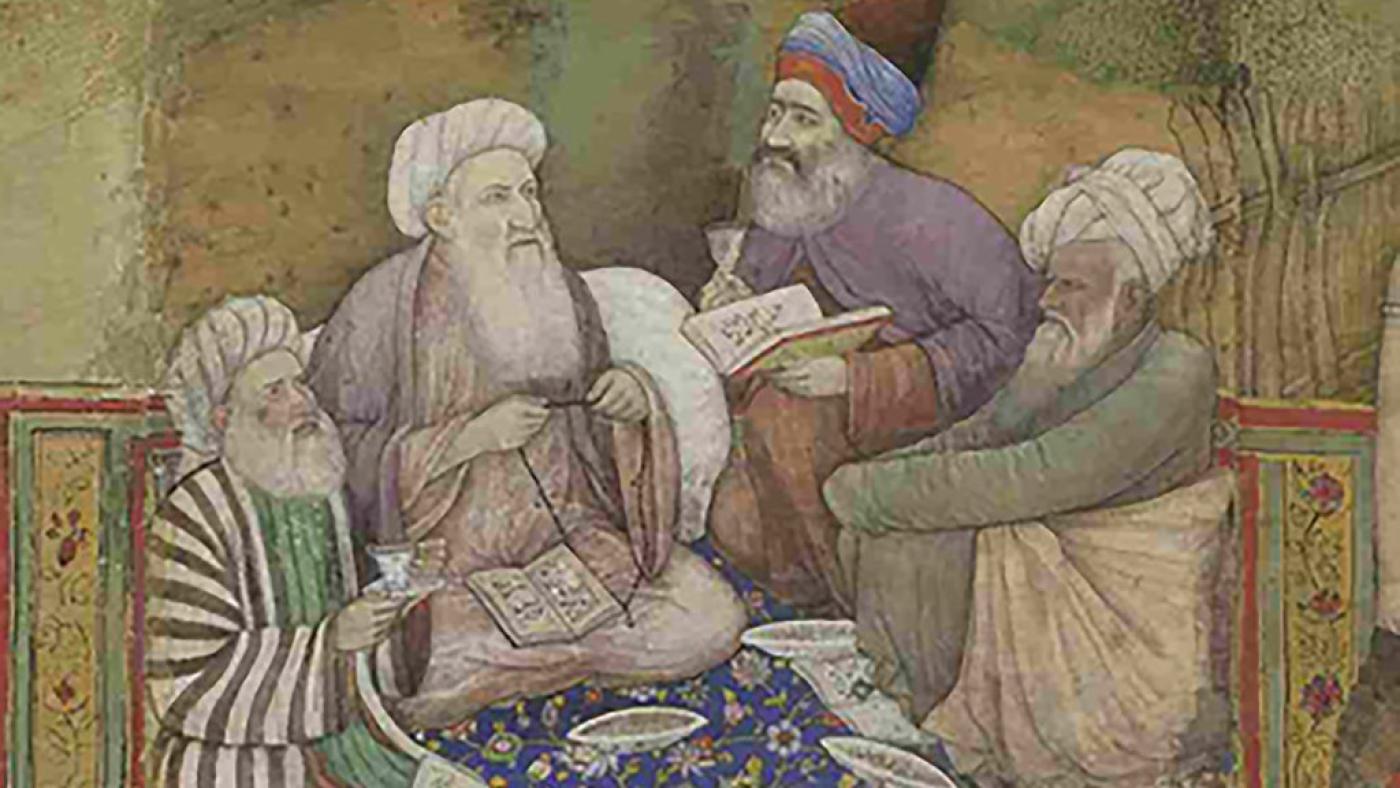
Invigorating the spirits: In search of India’s lost coffee culture
Nilosree Biswas
Middle East Eye
The sun sets behind regal yet dilapidated Mughal mansions and the magnificent dome of the Jama Masjid as the call for the evening prayer fills the auburn sky in Old Delhi. Chandni Chowk’s bustling streets reverberate with the sound of honking cycle rickshaws navigating the serpentine lanes. The sunset marks the beginning of business hours in the neighbourhood, which emerged during Mughal emperor Shah Jahan’s rule; a pocket within the once spectacular walled city of Shahjahanabad, founded in 1648. Immersed in the soundscape, one’s senses are drawn to the aroma of food being prepared, complemented by the unmistakable scent of masala chai – the Indian version of spiced tea. Tea stalls, resembling busy beehives, draw Delhiites patiently waiting for their daily dose of evening tea – some having travelled from the far ends of the city to satisfy their craving.
Tea is without a doubt a national obsession in India. However, the incredible popularity of the drink in the subcontinent is less than two centuries old and only came about as a result of British rule in the region. It may come as a surprise, but before the arrival of the British, it was coffee that Indians preferred. [continue reading]
George Padmore Played a Vital Role in the Struggle Against Colonial Oppression
Theo Williams
Jacobin
George Padmore was one of the most important figures in Pan-Africanist and anti-colonial politics during the twentieth century. Born in Trinidad, he subsequently moved to London, where he became a key organizer of networks that brought together some of Africa’s future leaders in the struggle against European domination.
Padmore became a high-profile communist activist in the 1920s, although he later broke with the movement when he believed that it was downplaying the struggle against imperialism. Yet Padmore continued to draw on Marxist ideas and stressed that liberation from colonial rule should involve a radical transformation of society, not just a new flag and anthem. [continue reading]
The Infinite Possibilities of Afrofuturism
Chanda Prescod-Weinstein
Foreign Policy
Imagine that Benjamin Banneker, Phillis Wheatley, Harriet Tubman, Nat Turner, and Frederick Douglass, instead of being tasked with fighting slavery and arguing for Black humanity, crewed a spaceship together. This is what comes to mind upon entering the new exhibition “Afrofuturism: A History of Black Futures” at the Smithsonian National Museum of African American History and Culture (NMAAHC).
This is not the first time a visitor to the NMAAHC is confronted with the feeling of boarding a spaceship. Known by many as the “Blacksonian,” the museum itself, located in the heart of Washington, D.C., is a significant work of Afrofuturist art, politics, design, and engineering, with its structure mirroring a Yoruba-design crown that looks ready for liftoff. Every time the museum comes into view while walking down 14th Street NW, I have the thought that it is like a phoenix rising from the ashes. I have often asked myself: Why this particular association? And I have come to realize that it is because Black humanity is itself a phoenix: No matter how many times colonizers and white supremacists have tried to destroy our communities, languages, and interior worlds, we have been resilient. Black livingness, as Black Canadian scholar Katherine McKittrick has called it, is an Afrofuturist endeavor. [continue reading]
 Imperial & Global Forum
You must be logged in to post a comment.