Linguistic Landscapes: Using Signs and Symbols to Translate Cities (March 5 Deadline)

Deadline: March 5

The Summer School Linguistic Landscapes: Using Signs and Symbols to Translate Cities aims at equipping participants with a comprehensive understanding of modern Linguistic Landscapes (LL) research. This course focuses on the growing interdisciplinary field of LL, which traditionally analyses “language of public road signs, advertising billboards, street names, place names, commercial shop signs, and public signs on government buildings”, as they usually occur in urban spaces. More recently, LL research has evolved beyond studying only verbal signs into the realm of semiotics, thus extending the analytical scope into the multimodal domain of images, sounds, drawings, movements, visuals, graffiti, tattoos, colours, smells as well as people.  Students will be informed about multiple aspects of modern LL research including an overview of different types of signs, their formal features as well as their functions.

Suitable for: current final year Undergraduates (finalists, BA3), MA and MPhil/PhD Students in Linguistics, Sociology, Classical Studies, (Business) Communication Studies, History, Cultural Studies, Political Studies, Translation Studies or any other related discipline.
Read more about 2023 student experiences here.

For further information visit the VIU website or send an email to summerschools@univiu.org

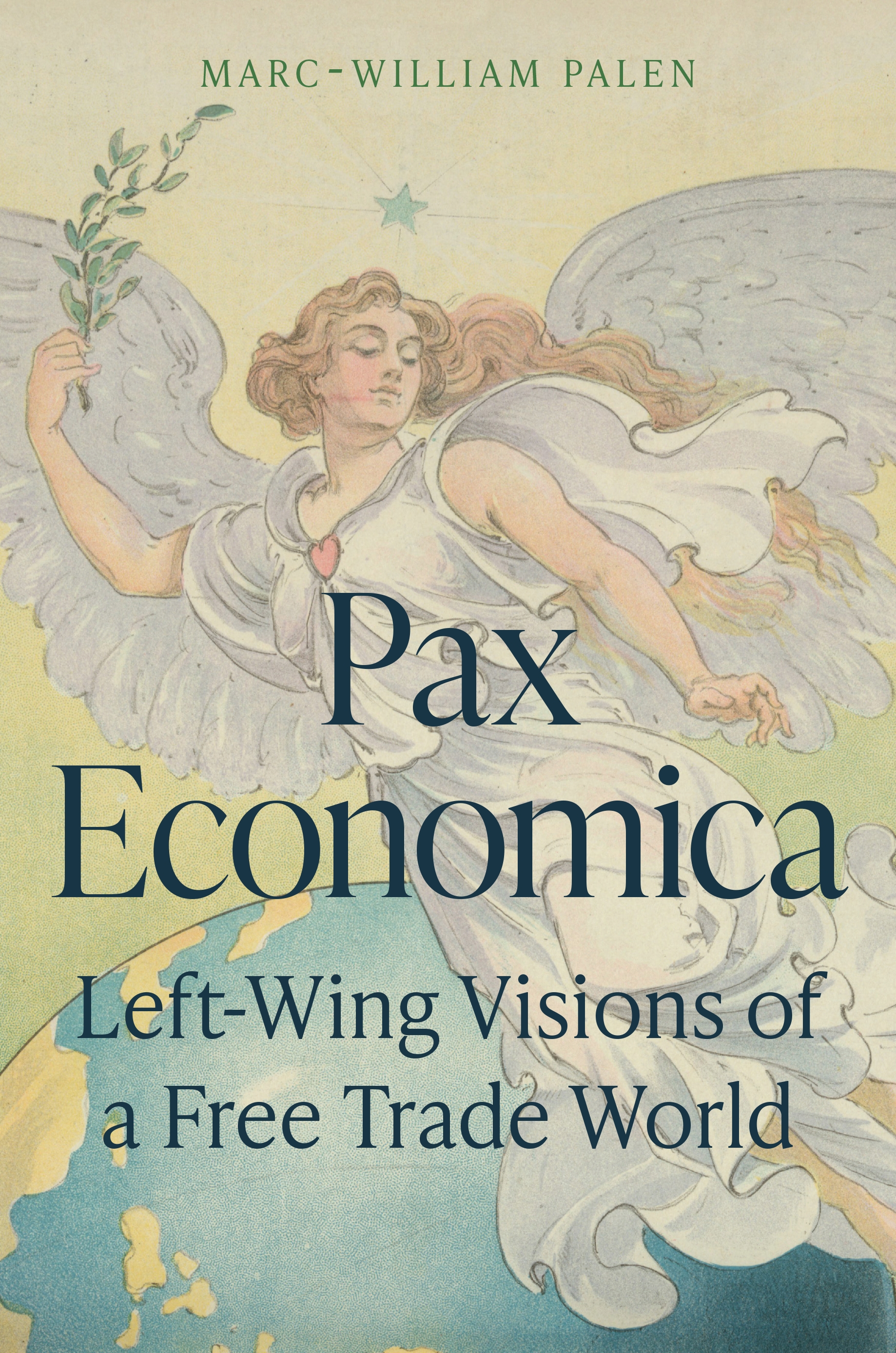
Pax Economica: Left-Wing Visions of a Free Trade World

Richard Toye and Marc-William Palen
University of Exeter

In this episode of the Talking Empire series, Professor Richard Toye sat down with Marc-William Palen to discuss his new book Pax Economica: Left-Wing Visions of a Free Trade World (Princeton University Press, 2024). Pax Economica recovers the radical left-wing origins of free trade and globalization.

Through a wide-ranging discussion – from Gershwin musicals, to Norman Angell, to cheap food, and neoliberalism – Palen discusses with Toye the ways in which the book’s actors strike a stark contrast to today’s common association of free trade with right-wing free marketeers. Pax Economica‘s counterhistory of an idea traces how – beginning in the mid-19th century – liberal radicals, socialist internationalists, feminists, and Christians joined left-wing forces to undermine imperialism and war.

Through networks crisscrossing the British, American, Spanish, German, Dutch, Belgian, Italian, Russian, French, and Japanese empires, these left-wing globalists condemned the economic nationalist turn to high tariffs and government subsidies among the industrializing empires after 1870. They argued that the extreme protectionism and trade wars of the rival Euro-American empires created the monopolies, trusts, geopolitical conflict, and colonial expansion that followed, culminating in two world wars.

Their envisaged left-wing free trade order – what they called their “pax economica” – instead promised peace, prosperity, democracy, and decolonization, to be maintained through supranational governance via the League of Nations, the United Nations, and the World Trade Organizaiton. The book’s findings offer timely lessons for our increasingly economic nationalist and war-torn world.

Click here for further details and to purchase a copy.

This Week’s Top Picks in Imperial & Global History

Marc-William Palen
History Department, University of Exeter

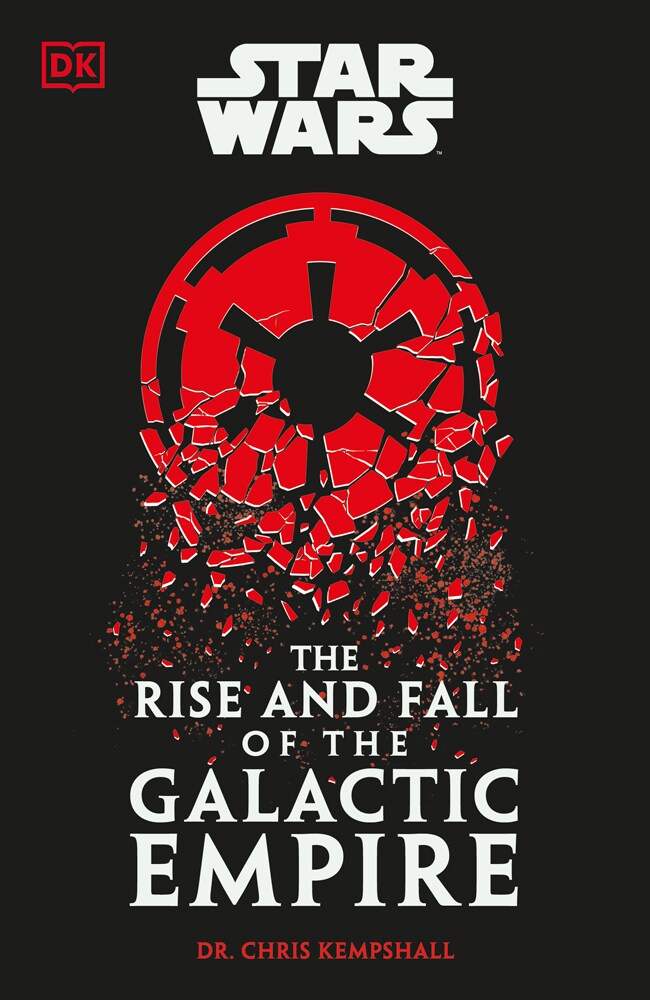
From rethinking the history of US humanitarian interventions to the rise and fall of the Galactic Empire, here are this week’s top picks in imperial and global history.

Continue reading “This Week’s Top Picks in Imperial & Global History”

Professor Hakim Adi Lecture: Affirming the History of African and Caribbean People in Britain (March 7)

Join us at the University of Exeter on March 7th, 2024 at 6:00 PM for a powerful celebration of the rich history of African and Caribbean communities in Britain!

Newman Red Lecture Theatre, Stocker Road Exeter EX4 4QD

In 2023 Hakim Adi’s African and Caribbean People in Britain: A History was shortlisted for the prestigious Wolfson History Prize. In the same year, and despite developing and supervising probably the largest cohort of Black postgraduate history students in the country, his ground-breaking MRes in the History of Africa and the African Diaspora was terminated and he was dismissed from his post at the University of Chichester.

Continue reading “Professor Hakim Adi Lecture: Affirming the History of African and Caribbean People in Britain (March 7)”

This Week’s Top Picks in Imperial & Global History

The aircraft was built in 1935 by German pilot Herr Ludwig Weber and Ethiopian engineers. Photograph: @AbiyAhmedAli

Marc-William Palen
History Department, University of Exeter

From the return of Ethiopia’s first plane to an Asian American argument for solidarity, here are this week’s top picks in imperial and global history.

Continue reading “This Week’s Top Picks in Imperial & Global History”