The Digital Turn and Global History, Exeter-Copenhagen Collaborative Workshop

David Thackeray
University of Exeter

The Centre for Imperial and Global History at the University of Exeter hosted a workshop with colleagues from Hum:Global, the Global Humanities centre at Copenhagen University, this April on the challenges that the development of digital technologies poses for historians of global history. Amongst the key themes that connect our papers is a concern that many digitisation initiatives continue to focus on the history of the nation state and are driven by commercial imperatives. Existing approaches run the risk of reinforcing historical inequalities in access to knowledge between the Global North and South, an issue which has been discussed at length in a recent ‘History Lab’ feature in the American Historical Review. These concerns are becoming more pressing with the rapid advance of AI.

Jon Lawrence introduced the Living With Machines project (2018-23), a major collaboration led by the Alan Turing Institute and the British Library. As part of this project, the team have explored new ways of using the British Library’s existing digitised newspapers accessible to researchers in new ways. This involves critically reflecting on the decisions which were made regarding which papers to digitise twenty years ago and developing a more representative view of the nineteenth-century newspaper landscape through the development of an ‘environmental scan’.

Stuart Ward discussed his new project which uses the round-the-world travels of Sir Charles Dilke to consider how global imaginaries were reshaped in the late 1860s. Dilke was a young man when he undertook his circumnavigation, which followed the British empire around the globe, and the project was improvised rather than being meticulously planned. One of the challenges of this project will be to use historical newspapers to better understand Dilke’s mental world. Dilke avidly read the local press during his travels to consider how the connections between the different places he visited were being transformed by rapid advances in communications.

Continue reading “The Digital Turn and Global History, Exeter-Copenhagen Collaborative Workshop”
Pax Economica – UK Publication Day, In the News & Upcoming Book Events

Marc-William Palen
History Department, University of Exeter
Follow on Twitter/X @MWPalen

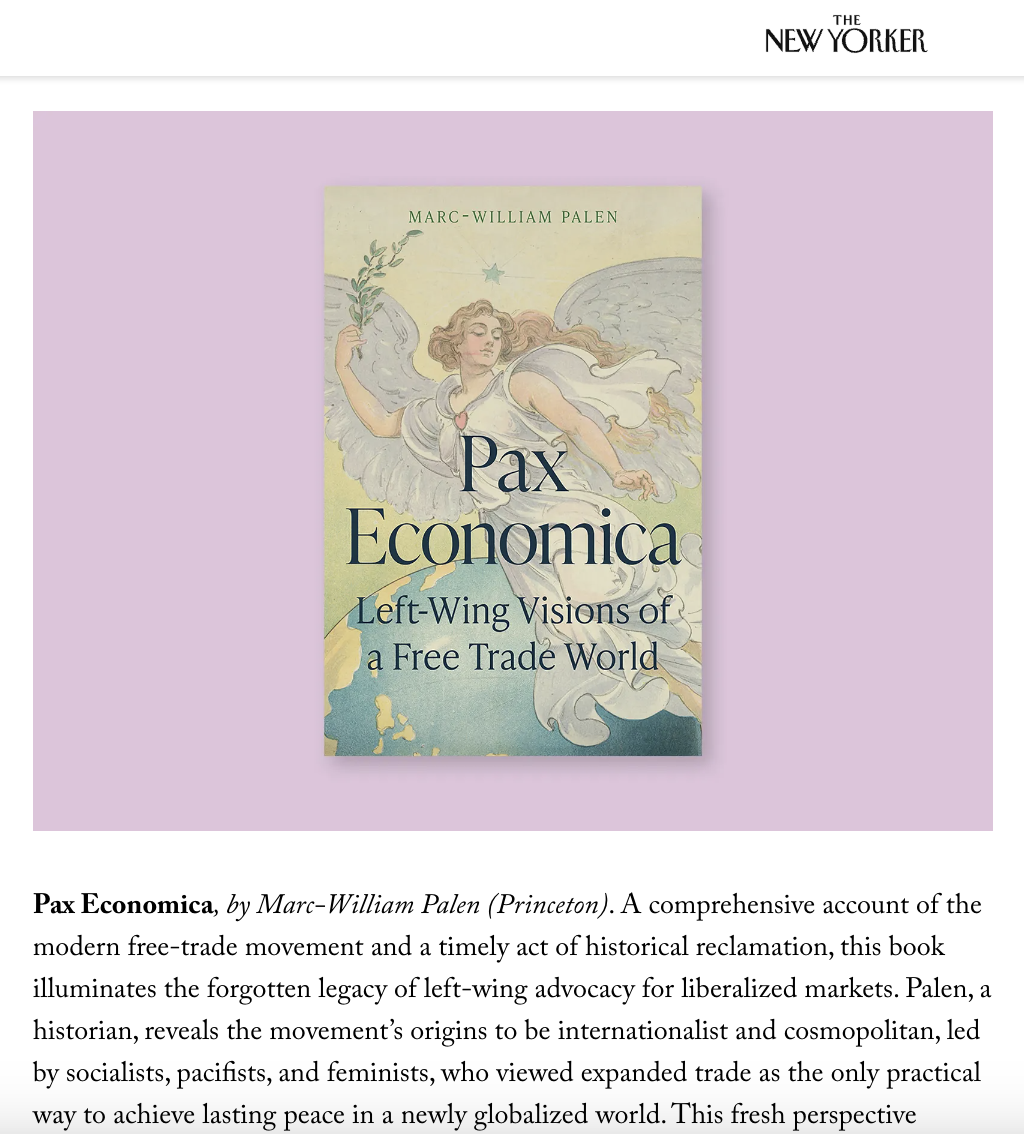
It’s been a whirlwind since Pax Economica was published in the USA in late February, and hopefully more to come after today, the official publication day for the UK/Europe.

I am truly grateful for all the support, endorsements, and reviews that Pax Economica has already received from across the political spectrum, including making the New Yorker’s “Best Books” 2024 list.

In case Forum readers are interested, included below are details regarding some upcoming book events for April and early June, including the UK book launch on Wed, April 24 (5pm) hosted by the Rothermere American Institute at the University of Oxford.

Also, I am based in Venice, Italy, until early June, so for any interested Italian subscribers to the Forum, please just get in touch via email. I’d be delighted to visit and discuss the book.

Continue reading “Pax Economica – UK Publication Day, In the News & Upcoming Book Events”

This Week’s Top Picks in Imperial & Global History

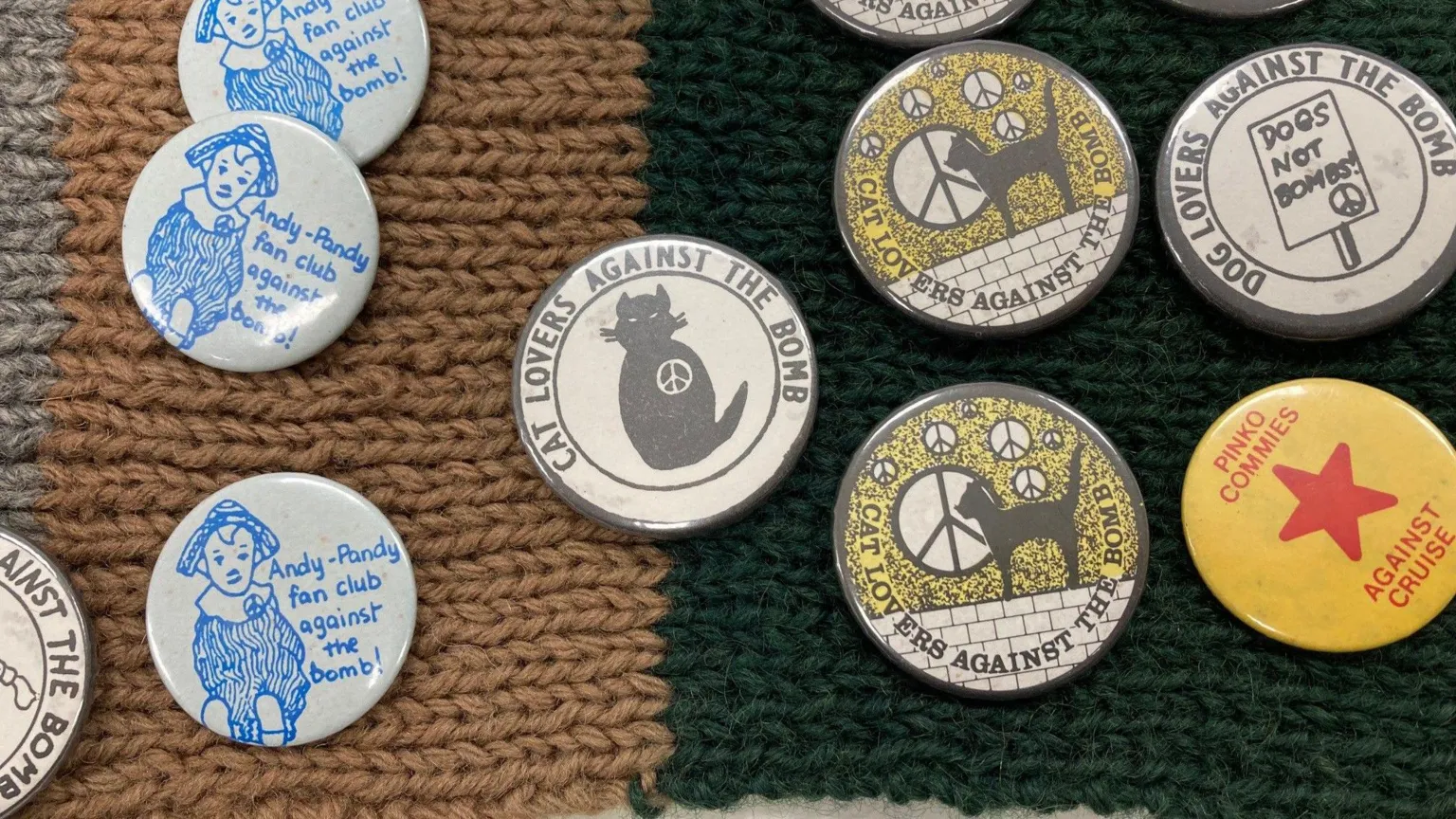
Peace pin badges. from the Peace Museum’s collection

Marc-William Palen
History Department, University of Exeter
Follow on Twitter/X @MWPalen

From starvation as a weapon of war to repaying Haiti for independence ‘reparations’, here are this week’s top picks in imperial and global history.

Continue reading “This Week’s Top Picks in Imperial & Global History”

This Week’s Top Picks in Imperial & Global History

Algerian demonstrators arrested,hands above their heads, in Puteaux during peaceful demonstration, about to be questioned by police, during the Algerian war. October 17, 1961. FERNAND PARIZOT / AFP

Marc-William Palen
History Department, University of Exeter
Follow on Twitter/X @MWPalen

From how to define a war crime to shipping’s shadow world, here are this week’s top picks in imperial and global history.

Continue reading “This Week’s Top Picks in Imperial & Global History”

RAI Book Launch – ‘Pax Economica: Left-Wing Visions of a Free Trade World’ – Wed. 24 April

Book Launch

Wed. 24 April, 17:00

Rothermere American Institute, 1a South Parks Road, OX1 3UB

Open to the public

Today, free trade is often associated with right-wing free marketeers. In Pax Economica, historian Marc-William Palen shows that free trade and globalisation in fact have roots in nineteenth-century left-wing politics. In this counterhistory of an idea, Palen explores how, beginning in the 1840s, left-wing globalists became the leaders of the peace and anti-imperialist movements of their age. By the early twentieth century, an unlikely alliance of liberal radicals, socialist internationalists, feminists, and Christians envisioned free trade as essential for a prosperous and peaceful world order. Of course, this vision was at odds with the era’s strong predilections for nationalism, protectionism, geopolitical conflict, and colonial expansion. Palen reveals how, for some of its most radical left-wing adherents, free trade represented a hard-nosed critique of imperialism, militarism, and war.

Continue reading “RAI Book Launch – ‘Pax Economica: Left-Wing Visions of a Free Trade World’ – Wed. 24 April”

ISRF Book Launch: ‘The End of Empires and a World Remade’ – 24 May

A book launch & conversation with Martin Thomas, author of ‘The End of Empires and a World Remade’. Hosted by Lars Cornelissen.

Was the twentieth-century collapse of European colonialism as definitive as it is often portrayed? How can we do justice to the historical complexity of decolonization while maintaining a broad global perspective?

In The End of Empires and World Remade: A Global History of Decolonization, Professor Martin Thomas [University of Exeter] brings together perspectives from global history, comparative politics, and international relations to re-evaluate decolonization in all of its historical messiness.

Continue reading “ISRF Book Launch: ‘The End of Empires and a World Remade’ – 24 May”

This Week’s Top Picks in Imperial & Global History

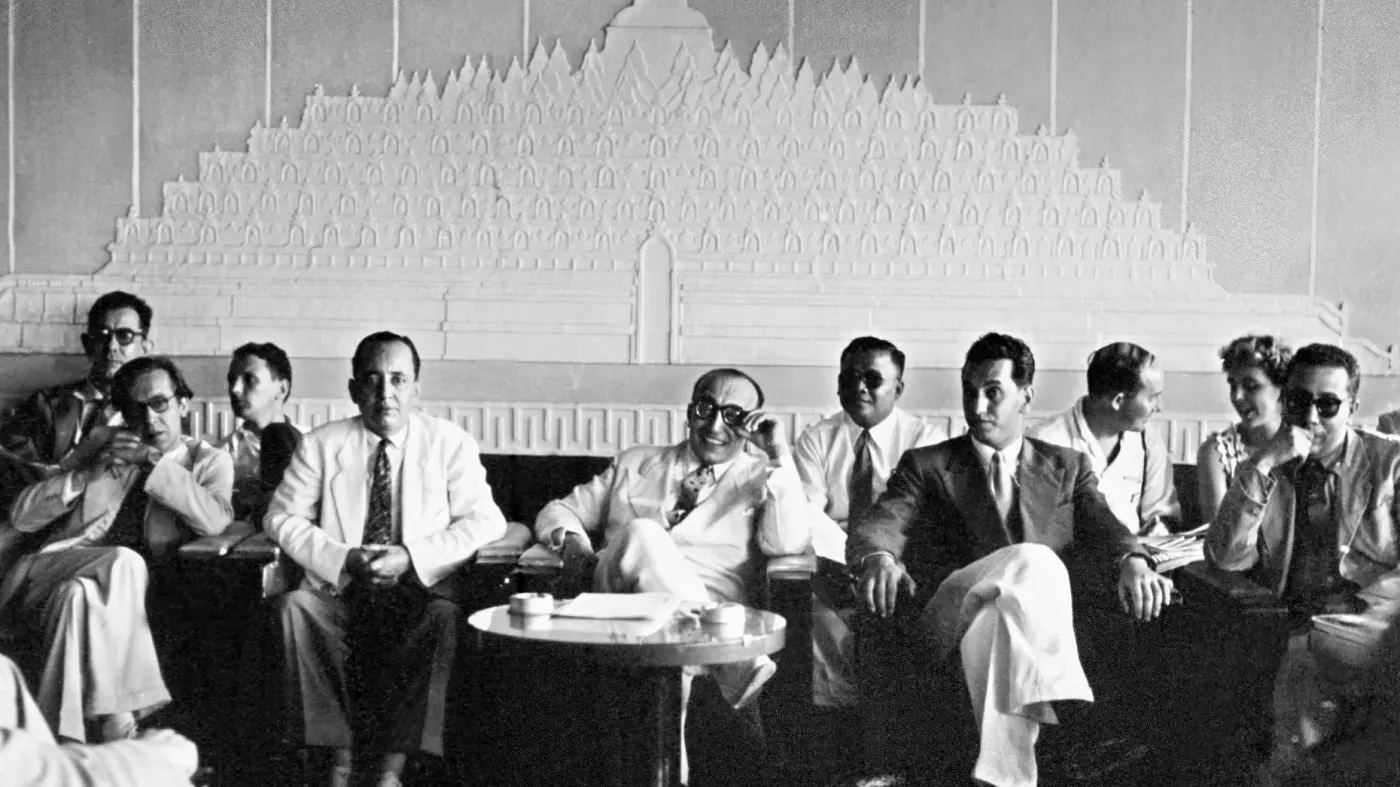
Algerian, Tunisian and Moroccan delegates at the first Bandung Conference, Java Island, Indonesia, 23 April 1955 (AFP Files)

Marc-William Palen
History Department, University of Exeter
Follow on Twitter/X @MWPalen

From food weaponization’s deadly comeback to the short-lived NATO-Russia honeymoon, here are this week’s top picks in imperial and global history.

Continue reading “This Week’s Top Picks in Imperial & Global History”