

Professor Helen Parr (Keele University) will deliver the annual lecture of the Centre for Histories of Violence & Conflict on Wed. June 5 at the University of Exeter.
When: Wed. June 5 from 3.30pm-5pm.
Where: Digital Humanities Laboratory, Queen’s Building, University of Exeter.
Abstract: How has Britain commemorated its military campaigns after the era of total war? After 1945, Britain was almost continually engaged in conflict, but the numbers of British military dead were comparatively small. By focusing on a fundamental, but neglected, war experience – the memory of death – this lecture will explore how experiences of and attitudes towards military death changed with British military engagements and world role, and as society altered from the stoicism and reticence of the world wars, towards a more individualised, emotionally expressive culture. Based on ongoing archival research and on oral history, and tracing changes in commemoration from the Korean war to the recent conflicts in Iraq and Afghanistan, the lecture suggests that the world wars have shaped British expectations of commemoration, but that how Britons think of death in military service has been transformed.
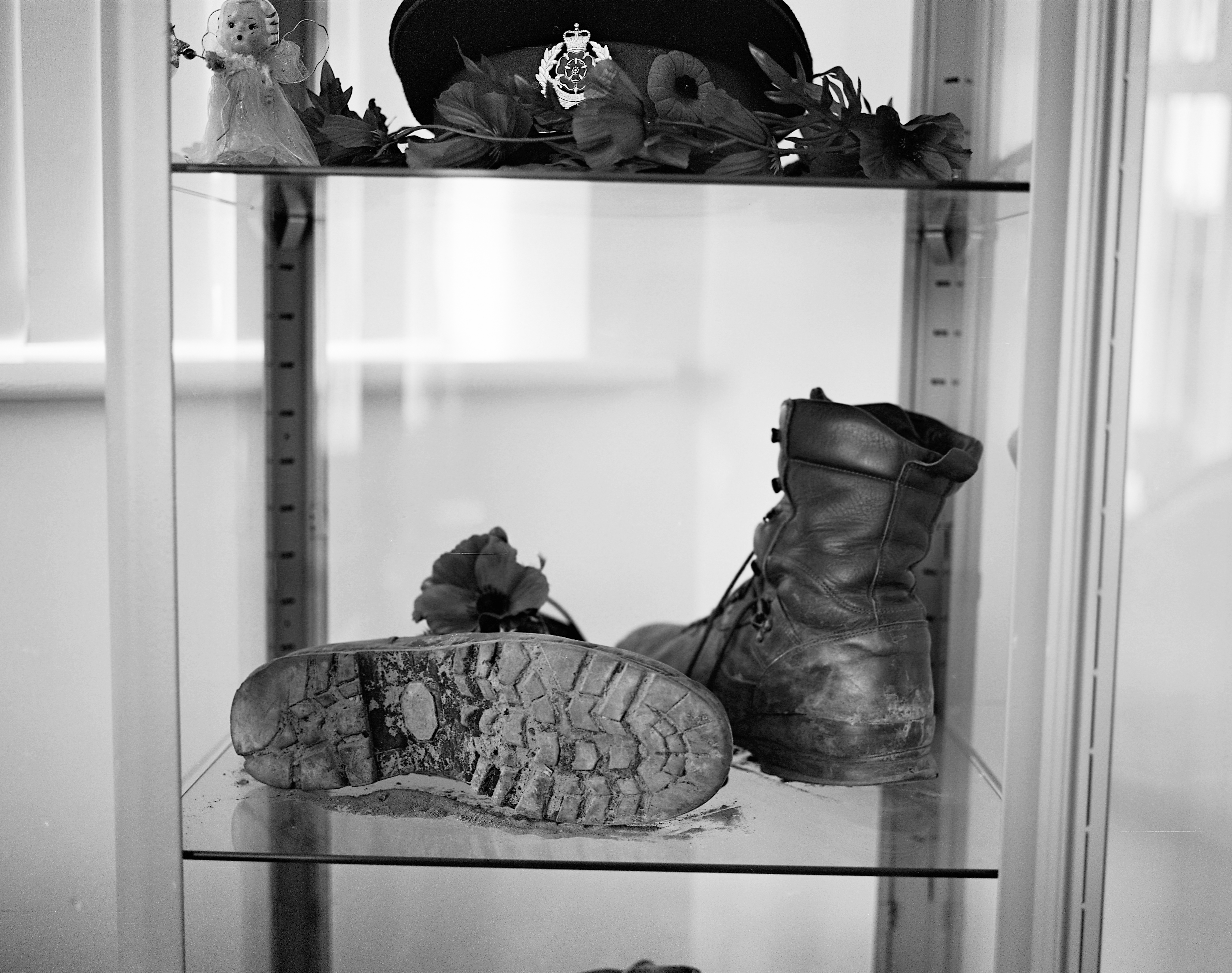
Helen Parr is Professor of Modern and Contemporary History at Keele University. She has published on Britain’s policy towards the European Community, the Labour party and Europe, and British nuclear weapons policies. Her book about the Falklands war, Our Boys: The Story of a Paratrooper (Allen Lane, 2018) won the Templer Medal Book Prize, the Wellington Medal for Military History and the Longman-History Today Book Prize and was longlisted for the Orwell Prize for Political Writing. She is currently in receipt of a British Academy/Leverhulme Senior Research Fellowship for a project, ‘Out of the Shadows: A social history of death in British military campaigns after 1945’.
 Imperial & Global Forum
You must be logged in to post a comment.