
Marc-William Palen
History Department, University of Exeter
Follow on Twitter @MWPalen
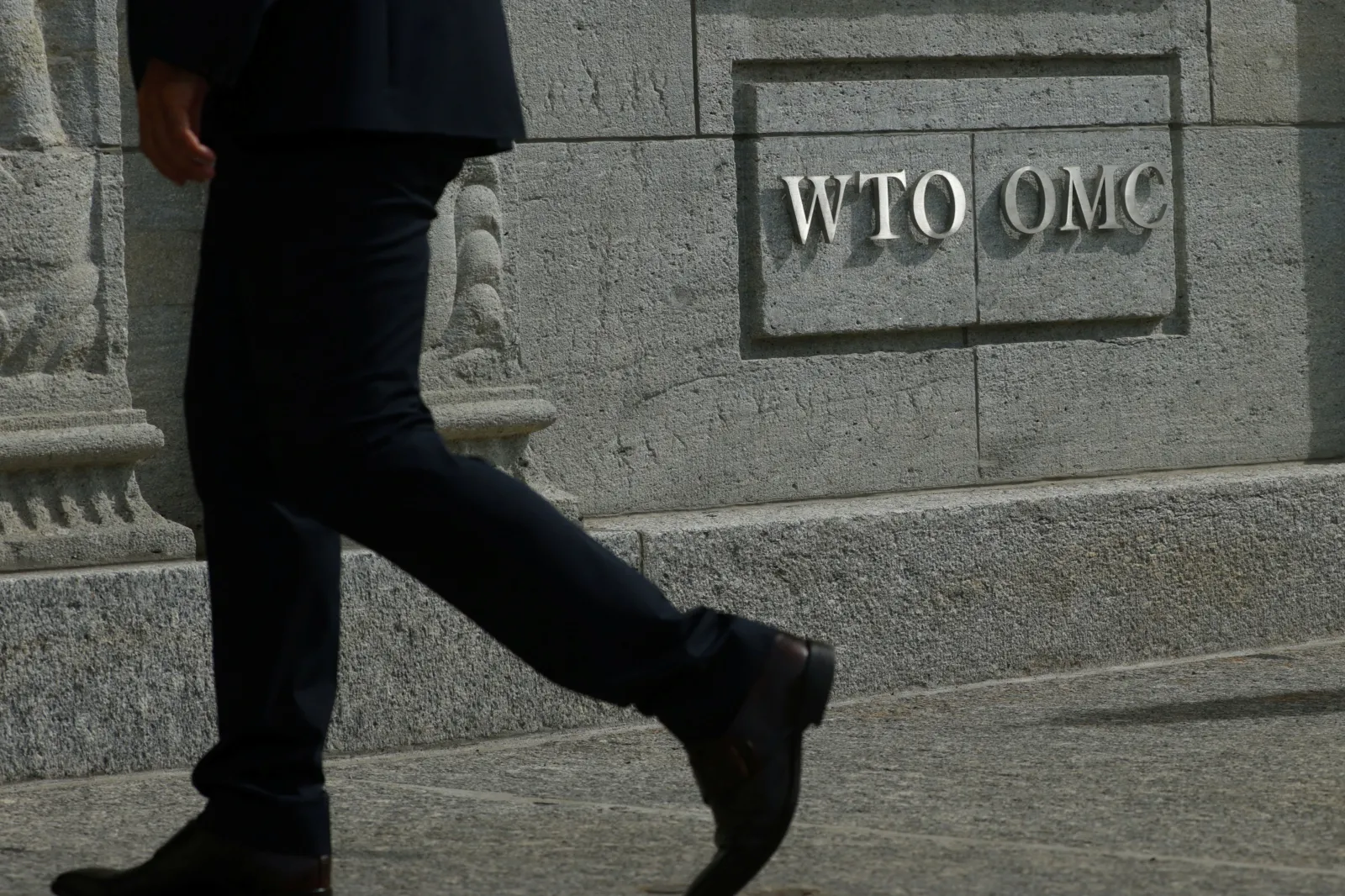
From abandoning the WTO to a return of 1930s-style totalitarian politics, here are this week’s top picks in imperial and global history.
The World Is Abandoning the WTO and America and China Are Leading the Way
Kristen Hopewell
Foreign Affairs
For over 75 years, the multilateral trading system has helped ensure stability and order in the global economy. The General Agreement on Tariffs and Trade and its successor, the World Trade Organization (WTO), brought states together to cooperate in lowering tariffs and other trade barriers, promoting global economic integration and establishing rules to govern trade. This system has proved extraordinarily effective and fostered an era of unprecedented global prosperity.
But now this liberal trading order is in crisis. International cooperation on trade has largely broken down. [continue reading]
The history of Caribbean slavery is being lost. Britain must act now to preserve it
Laura Trevelyan and Nicole Phillip
Guardian
Quacou, Hankey, Cuffee, Fatima, Fanny Ibo and Quamina. These are the names of African people enslaved on the Caribbean island of Grenada, inscribed in the colonial slave registers of the 1830s. They tell a story of inhumanity, brutality and human endurance. Yet this painful history is at risk of being lost for ever.
In July, Hurricane Beryl destroyed everything in its path, including the museum on Grenada’s sister island, Carriacou. The same month, a fire at Barbados’s Archives Department destroyed historical documents from the colonial era – including vestry and hospital records. Officials revealed afterwards that they had been in the process of securing a fire-suppression system for the archives. [continue reading]
The Systemic Sexual Violence Hidden in Plain Sight During America’s Slave Trade
Kali Gross
Lit Hub
Even before enslavement provided European explorers with a financial interest in dehumanizing Africans, they harbored a deep mistrust of Blackness and the darkly pigmented skin associated with it: “White and black connoted purity and filthiness, virginity and sin, virtue and baseness, beauty and ugliness, beneficence and evil, God and the devil.”
They took a particularly harsh view of African women, whom they regarded as hedonistic, licentious, and dangerous. Not only because the women’s shapely and robust figures were bathed in richly black and brown hues but also because the women wore less clothing—European men cast their nudity as crude solicitation, rather than as a cultural difference appropriate for the climate. [continue reading]
‘It’s path-breaking’: British Columbia’s blueprint for decolonisation
Arno Kopecky
Guardian
A wild experiment is under way in British Columbia, Canada’s westernmost province: the government is rewriting its laws to share power with Indigenous nations over a land base bigger than France and Germany combined.
Decades in the making, this transition entered history in 2019, when BC became the first jurisdiction on Earth to sign the Declaration on the Rights of Indigenous Peoples (UNDRIP) into law. This means the regional government would share decision-making power over land management matters with First Nations, potentially affecting leasing and licences for forestry, mining and construction. [continue reading]
No, the world isn’t heading toward a new Cold War – it’s closer to the grinding world order collapse of the 1930s
David Ekbladh
Conversation
The past decade and a half has seen upheaval across the globe. The 2008 financial crisis and its fallout, the COVID-19 pandemic and major regional conflicts in Sudan, the Middle East, Ukraine and elsewhere have left residual uncertainty. Added to this is a tense, growing rivalry between the U.S. and its perceived opponents, particularly China.
In response to these jarring times, commentators have often reached for the easy analogy of the post-1945 era to explain geopolitics. The world is, we are told repeatedly, entering a “new Cold War.” But as a historian of the U.S.’s place in the world, I believe these references to a conflict that pitted the West in a decades-long ideological battle with the Soviet Union and its allies – and the ripples the Cold War had around the globe – are a flawed lens to view today’s events. To a critical eye, the world looks less like the structured competition of that Cold War and more like the grinding collapse of world order that took place during the 1930s. [continue reading]
 Imperial & Global Forum
You must be logged in to post a comment.