Uncovering Uncomfortable Histories: The Legacy of Nazi Connections and Colonialism in International Development

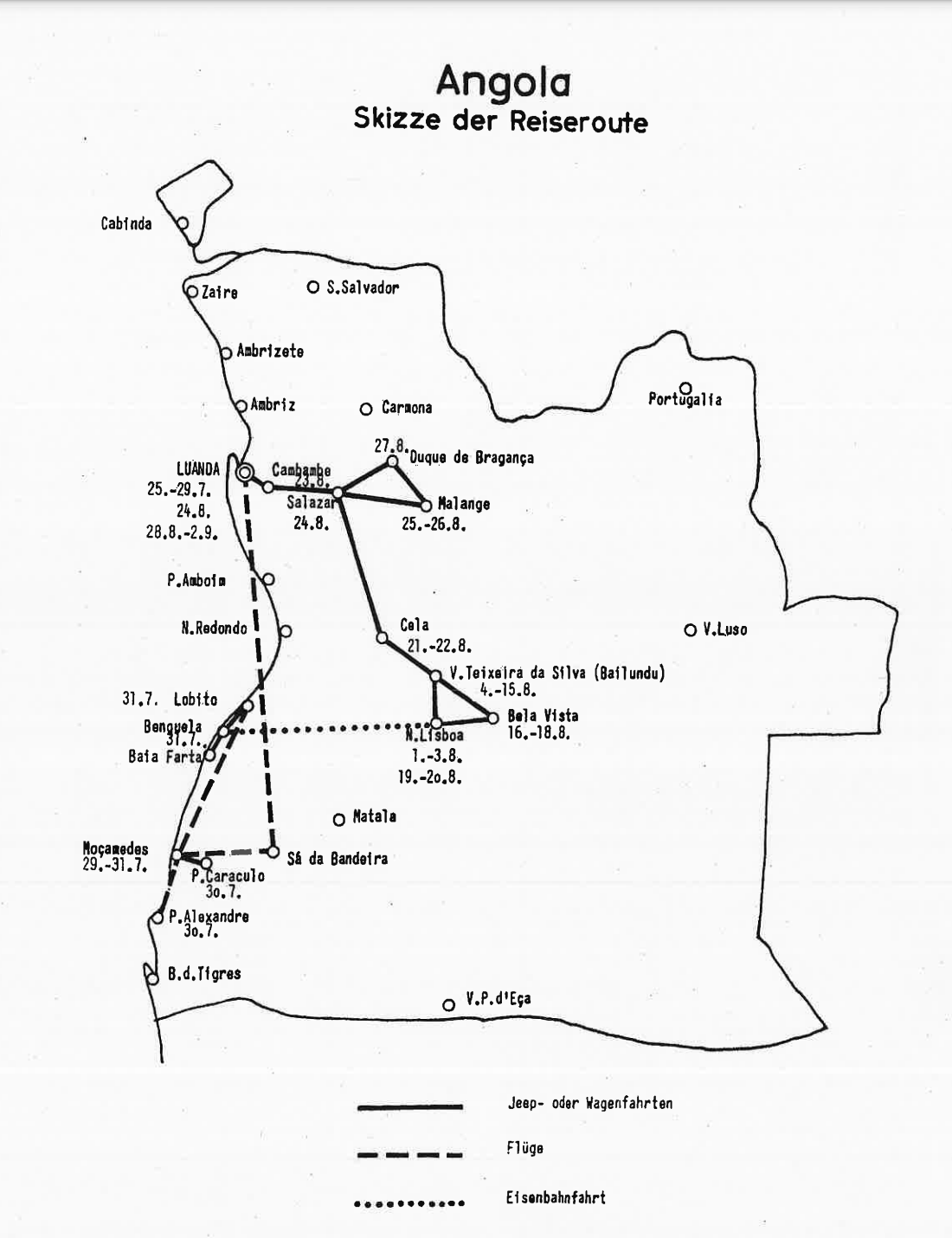
Exploring new avenues for cooperation between the German Institute for Economic Research (ifo) and the Portuguese colonial state: Pössinger’s travel route through Angola, 1963.

Andreas Stucki
University of Bern

Nearly eighty years after World War II, research into the connections between Nazism, colonialism, and international development remains an underexplored area despite considerable scholarship on the complex history of development after 1945. Continued involvement of colonial development experts and bureaucrats in African late colonial states highlights how German practitioners with Nazi ties moved into new roles in imperial and international development after the Second World War.

This begs the question: to what extent might Nazi ideologies and practices have shaped postwar global development efforts?

Continue reading “Uncovering Uncomfortable Histories: The Legacy of Nazi Connections and Colonialism in International Development”
New Archaeology and History PhD Funding Opportunities and Masterclasses

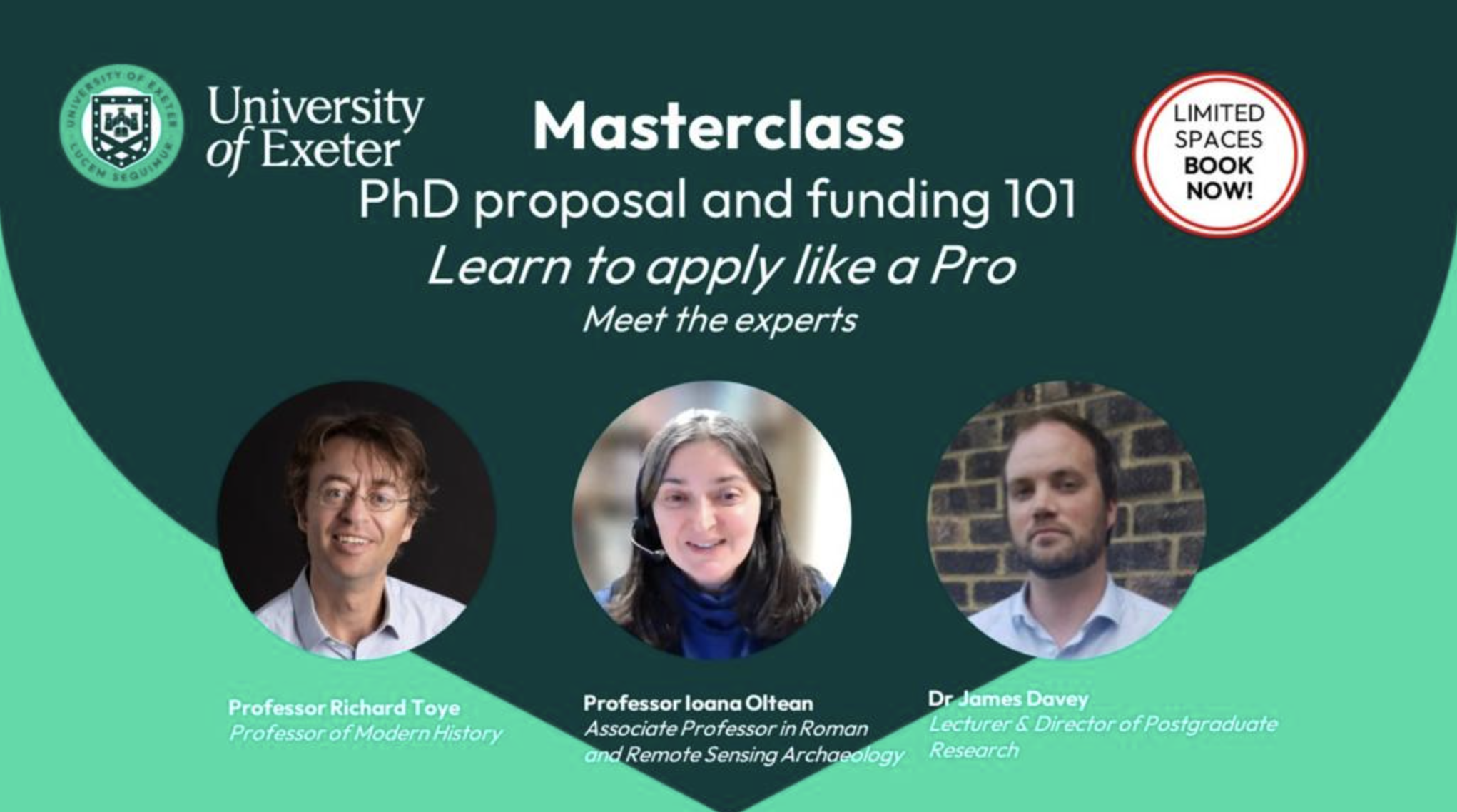
Interested in pursuing a PhD in Archaeology or History at the University of Exeter?

Then be sure to check out these new funding opportunities and free masterclasses for writing a strong proposal.

AHRC South, West and Wales Doctoral Training Partnership (SWWDTP)

  • This is for projects that fall within the Arts and Humanities, so appropriate for any student wanting to do a PhD in Archaeology or History
  • They are advertising up to 39 studentships this year: this includes up to 35 student-led and up to 4 Collaborative Doctoral Awards.
  • Students are expected to apply with supervisors drawn from two separate participating institutions (the other institutions are: Aberystwyth, Amgueddfa Cymru (National Museums Wales), Bath Spa, Bristol, Cardiff, Cranfield, Reading, Southampton, UWE). Any single-institution supervisions must be strongly justified and made clear that there are no reasonable alternatives within the DTP.
  • Applications will open on 25 November 2024 and close on 20 January 2025.
  • More details can be found here: https://www.sww-ahdtp.ac.uk/prospective-students/how-to-apply/
Continue reading “New Archaeology and History PhD Funding Opportunities and Masterclasses”

This Week’s Top Picks in Imperial & Global History

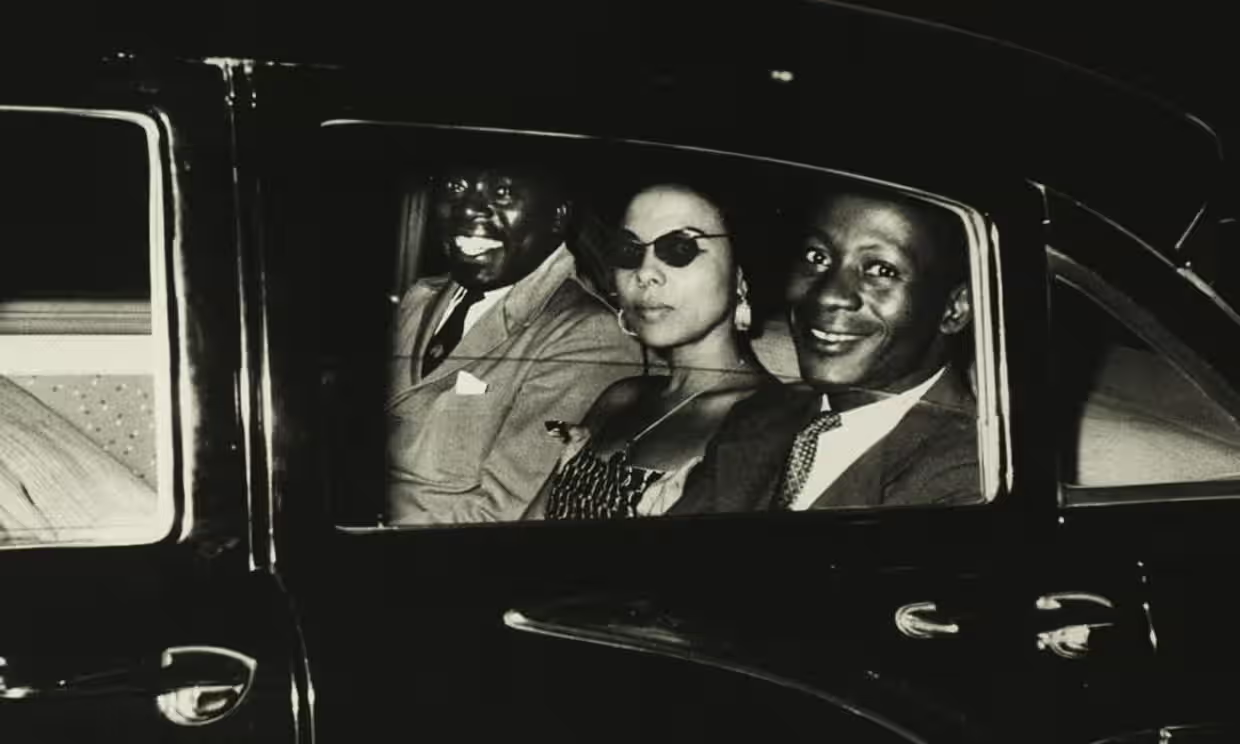
‘Warrants a whole other documentary’: Patrice Lumumba’s adviser and speechwriter,Andrée Blouin, centre, from Soundtrack to a Coup d’Etat. Photograph: Modern Films

Marc-William Palen
History Department, University of Exeter

From the Soundtrack to a Coup d’Etat to how China joined the global capitalist economy, here are this week’s top picks in imperial and global history.

Continue reading “This Week’s Top Picks in Imperial & Global History”

Ten million like Mobeen?

Ghee Bowman
University of Exeter

Cross-posted from Force K-6

I recently watched a great documentary on Channel 4, called ‘The Soldiers that Saved Britain’, made by British journalist Mobeen Azhar.

Mobeen went on a mission to uncover his grandfather’s experience in the Second World War, visiting battlegrounds and archives.

It was fascinating to see his personal journey, struggling with the conundrum of why his grandfather volunteered to serve the colonial power.

As one of the advisors for the programme, I was glad that my research has helped to publicize the South Asian contribution and help people Mobeen to find the truth.

I am left with a big question: how many are there like Mobeen in the world?

Continue reading “Ten million like Mobeen?”

This Week’s Top Picks in Imperial & Global History

Grounding Presence. Alexandre Desane [left] in the lead role. Photograph: Atlas Film Production © Photograph: Atlas Film Production

Marc-William Palen
History Department, University of Exeter

From a complicated history of slavery and resistance to the True Chronicles of the Blida Joinville Psychiatric Hospital, here are this week’s top picks in imperial and global history.

Continue reading “This Week’s Top Picks in Imperial & Global History”

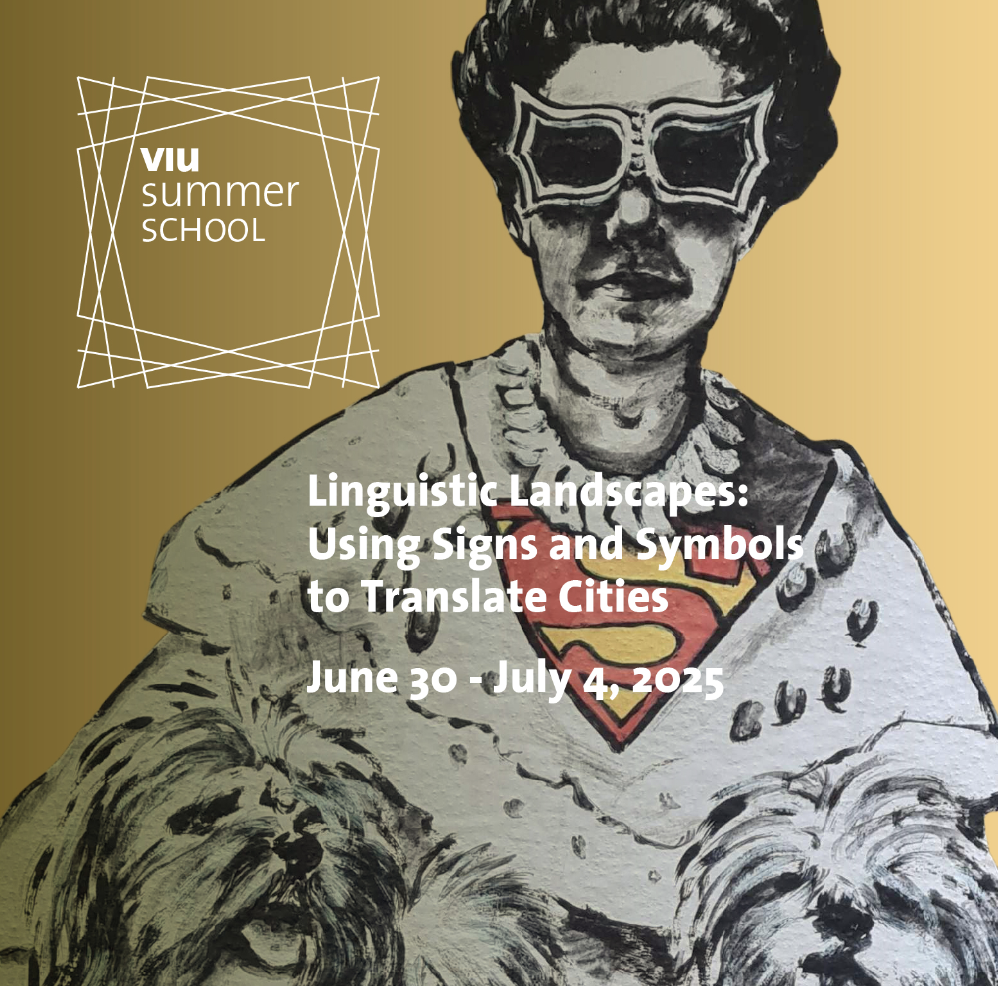
Venice Summer School 2025 – Call for Applications – ‘Linguistic Landscapes: Using Signs and Symbols to Translate Cities’

June 30 – July 4, 2025

Call for applications: December 2, 2024 – March 2, 2025

Cross-posted from Venice International University

This course focuses on the growing interdisciplinary field of Linguistic Landscapes (LL), which traditionally analyses “language of public road signs, advertising billboards, street names, place names, commercial shop signs, and public signs on government buildings”, as they usually occur in urban spaces.

More recently, LL research has evolved beyond studying only verbal signs into the realm of semiotics, thus extending the analytical scope into the multimodal domain of images, sounds, drawings, movements, visuals, graffiti, tattoos, colours, smells as well as people. 

Students will be informed about multiple aspects of modern LL research including an overview of different types of signs, their formal features as well as their functions.

Faculty

Kurt Feyaerts, KU Leuven (Coordinator)
Richard Toye, University of Exeter (Coordinator)
Matteo Basso, Iuav University of Venice
Geert Brône, KU Leuven
Claire Holleran, University of Exeter
Eliana Maestri, University of Exeter
Michela Maguolo, Independent researcher
Luca Pes, Venice International University
Paul Sambre, KU Leuven

Continue reading “Venice Summer School 2025 – Call for Applications – ‘Linguistic Landscapes: Using Signs and Symbols to Translate Cities’”

This Week’s Top Picks in Imperial & Global History

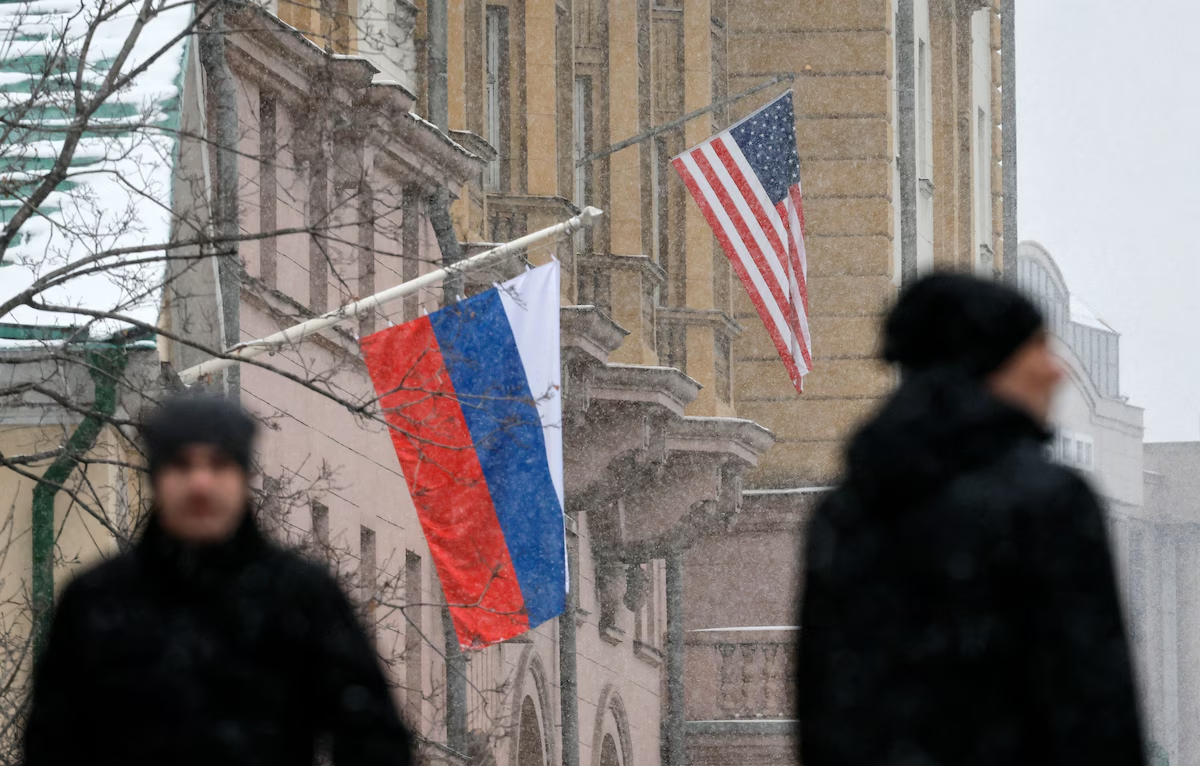
A Russian flag near a U.S. flag at the U.S. Embassy in Moscow on Wednesday. (Yuri Kochetkov/EPA-EFE/Shutterstock)

Marc-William Palen
History Department, University of Exeter

How Trump’s re-election could upend the world. Here are this week’s top picks in imperial and global history.

Continue reading “This Week’s Top Picks in Imperial & Global History”