
Mitchel Stuffers
Assistant Editor at CIGH Exeter & PhD Candidate in History, University of Exeter
Mitchel Stuffers
Assistant Editor at CIGH Exeter & PhD Candidate in History, University of Exeter
Mitchel Stuffers
Assistant Editor at CIGH Exeter & PhD Candidate in History, University of Exeter
Matthew Hurst
University of York
Inside The National Archives (TNA) is a glass box. A reader entering this special area of the reading room must don blue plastic gloves, then locate their requested items from inside a box. Once the reader has finished, they must wipe down surfaces and anything they touched, tick a form to indicate they have finished, reseal the item inside its box and return it to the shelf. Amongst the series that must be handled in this way, due to possible insecticide contamination, is the infamous FCO 141.[1]
In 2011, the British Government was forced to admit a secret. It had for decades been holding onto tens of thousands of files created by former colonial administrations that had been shipped to London on the eve of British withdrawal from their colonies. These records were subsequently released to TNA, where they formed FCO 141. A windfall for those interested in the colonies to which they pertained, the series also inspired research into how records were handled towards the end of the British Empire. Although colonial officials had considerable volition over how they affected withdrawal, a shared commitment to protecting the legacy of the Empire meant that many treated the files they had created in similar ways. As such, recent research has revealed that outgoing officials often destroyed or doctored countless files in an effort to uphold the Empire’s glorious image: a project that became known as ‘Operation Legacy’.[2]
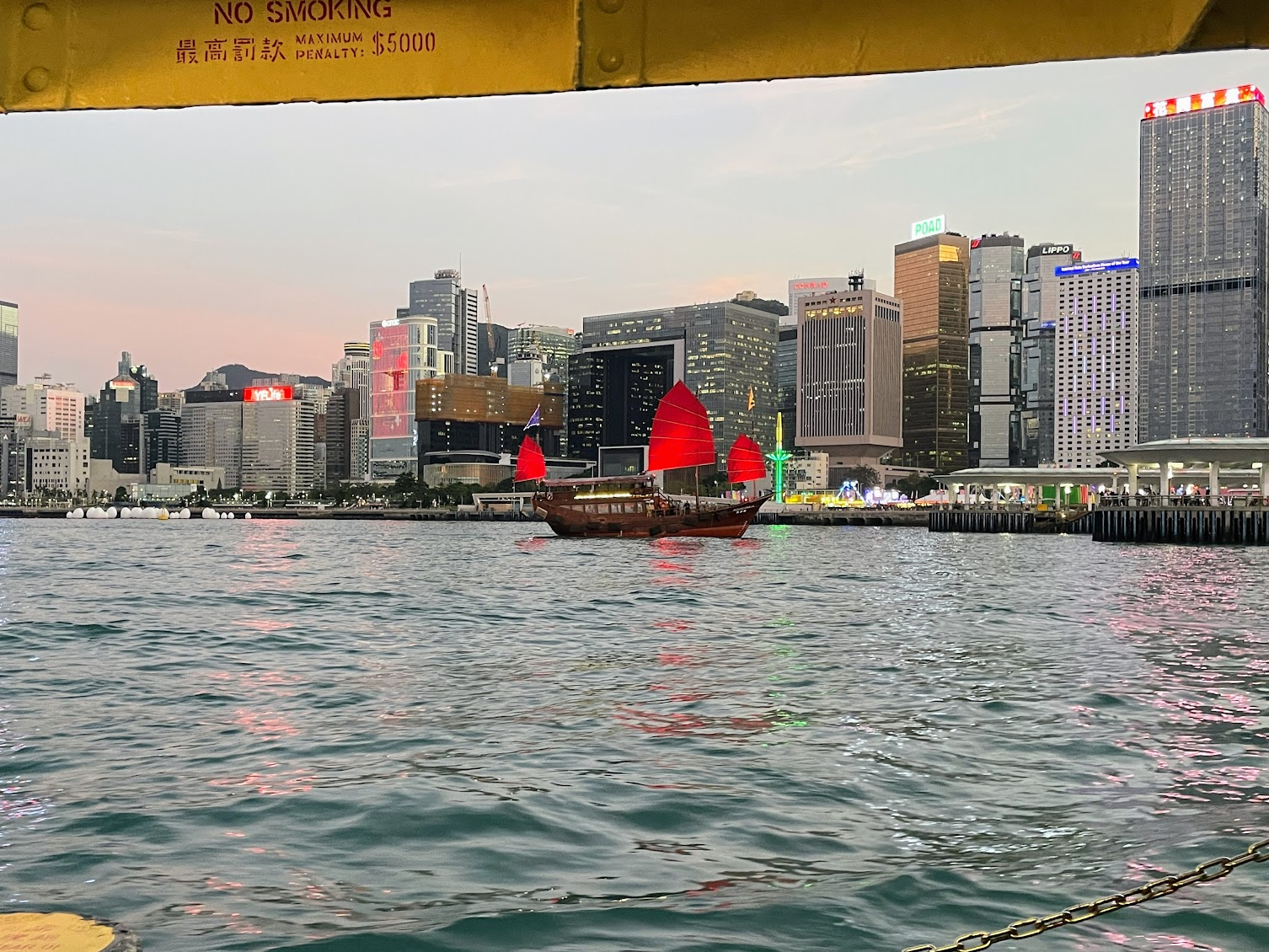
One former British colony has, however, remained absent from the literature: Hong Kong. In a recent paper, I addressed this gap by piecing together the past, present and future of colonial records that were moved from Hong Kong to the UK.[3] In this post, I summarise the main findings of my paper by comparing the Hong Kong case with that of other British colonies and arguing that the handling of Hong Kong colonial government records was unique and largely escaped Operation Legacy.
Continue reading “Destroying and Doctoring the Empire’s Past: Comparing Hong Kong with Other British Colonies”
Mitchel Stuffers
Assistant Editor at CIGH Exeter & PhD Candidate in History, University of Exeter
Mitchel Stuffers
Assistant Editor at CIGH Exeter & PhD Candidate in History, University of Exeter
 Imperial & Global Forum
You must be logged in to post a comment.