
Mitchel Stuffers
Assistant Editor at CIGH Exeter & PhD Candidate in History, University of Exeter
From the passing of Dick Cheney to neoliberalism’s racial dimensions, here are this week’s top picks in imperial and global history.
Dick Cheney, influential Republican vice president to George W. Bush, dies
Stephen Collinson & Veronica Stracqualursi
CNN
Dick Cheney, America’s most powerful modern vice president and chief architect of the “war on terror,” who helped lead the country into the ill-fated Iraq war on faulty assumptions, has died, according to a statement from his family. He was 84.
“His beloved wife of 61 years, Lynne, his daughters, Liz and Mary, and other family members were with him as he passed,” the family said, adding that he died due to complications of pneumonia and cardiac and vascular disease. [Continue reading]
Nancy Pelosi to retire from Congress; Trump celebrates
Kevin Breuninger
CNBC
Nancy Pelosi, the California Democrat who made history as the first female speaker of the House of Representatives, said Thursday she will not seek reelection to Congress next year.
Pelosi, 85, has served in the House for nearly four decades, presiding over the passage of major legislation and serving as a leading opposition figure against President Donald Trump. [Continue reading]
Fixing Democracy: Confronting the Strongmen
David Runciman & Ayşe Zarakol
Past Present Future
For the final episode in this series David talks to historian Ayşe Zarakol about the prospects for democracy in the age of strongman politics, from Trump to Erdogan, from Orban to Modi. Where did the strongmen come from? How unusual is this kind of politics in the broad sweep of history? Does democracy have the wherewithal to resist its pull? And if not, what happens next? [Continue reading]
Most Americans oppose the ’Department of War’ rebranding
Stacie Goddard, Don Casler, and Robert Ralston
Good Authority
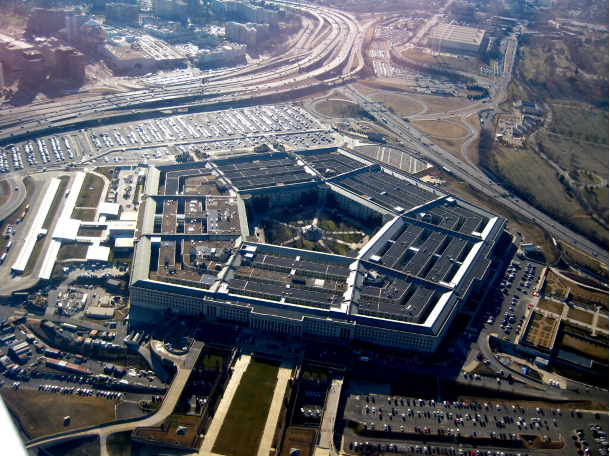
On Sept. 5, the Trump administration issued an executive order to proclaim the Department of Defense has a new name: the Department of War. The justifications for the name change vary, from focusing the department on its “warfighting” mission, to making the department more lethal, to making Americans safer. For example, Secretary of (now) War Pete Hegseth declared, “We’re going to go on offense, not just on defense. Maximum lethality, not tepid legality. Violent effect, not politically correct […] We’re going to raise up warriors, not just defenders.”
This White House directive also suggests that the rebranding “ensures peace through strength, as it demonstrates our ability and willingness to fight and win wars on behalf of our Nation at a moment’s notice, not just to defend. [Continue reading]
Neoliberalism is Constitutively Racialised
Lars Cornelissen
Independent Social Research Foundation
My main argument in Neoliberalism and Race is that neoliberal ideology is constitutively racialised. By this I mean that race fulfils such a crucial function in the neoliberal worldview that if it was somehow to be emptied of its racial themes, neoliberalism would lose its coherence as an intellectual and political project. Neoliberal thought, in other words, cannot be divorced from its racial dimension without defacing it beyond recognition.
To avoid being misinterpreted, the argument is not that neoliberalism is overwhelmed by, or can be reduced to, its racial themes. Rather, race has always preoccupied neoliberals, both as a formal theoretical problem and as a salient political issue to which their philosophy needed a response. [Continue reading]
 Imperial & Global Forum
You must be logged in to post a comment.