
Marc-William Palen
History Department, University of Exeter
Follow on Twitter @MWPalen
Marc-William Palen
History Department, University of Exeter
Follow on Twitter @MWPalen
Science fiction is the most important literature in the history of the world, because it’s the history of ideas, the history of our civilization birthing itself …. Science fiction is central to everything we’ve ever done.
– Ray Bradbury
I don’t think humanity just replays history, but we are the same people our ancestors were, and our descendants are going to face a lot of the same situations we do. It’s instructive to imagine how they would react, with different technologies on different worlds.
– Kage Baker
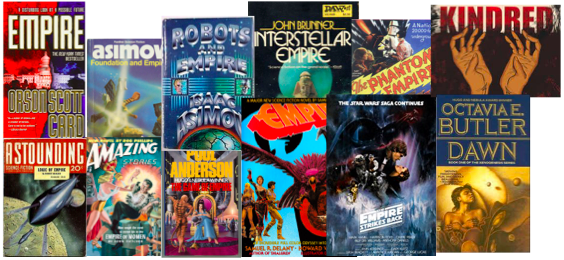
This is the call for blog post submissions for an Imperial & Global Forum roundtable on science fiction and imperial history. We are looking for submissions exploring the ways in which the imperial and anti-colonial past manifests itself in, and intersects with, the classics (and the obscurities) of science fiction. After all, as Patricia Kerslake has recently argued, much can be gleaned by examining “one of the most important and revealing foundations of SF, that of the function and manipulation of political power, of empire and its abuses within the genre, and to explore the great houses of fiction built upon such an informative substructure.”[1]
Continue reading “Science Fiction and Imperial History – Call for Blog Posts”

The schedule for the Spring term’s Centre for Imperial and Global History seminar series, organised by Dr Emily Bridger, is now available. As previously, the seminars will take place on Wednesdays from 4:30-6pm. The seminars will take place bi-weekly beginning in Week 2, with an extra seminar in Week 11. Mark your calendars!
|
Date |
Event |
|
24 January Week 2 Amory B219 |
Dora Vargha (Exeter), ‘World health in a Cold War: a view from behind the Iron Curtain’ |
|
7 February Week 4 Amory B219 |
Richard Toye, (Exeter) ‘Churchill’s Great Game: rethinking the long-term origins of the Cold War’ |
|
21 February Week 6 Amory B219 |
Meg Kanazawa (PhD Candidate, Exeter), ‘The Ford Foundation’s AIDS Grantees, 1990 to 2001: Visions for India’s Transformation through the NGO Sector’ |
|
7 March Week 8 Amory B219 |
Katie Natanal, (Exeter, Institute of Arab and Islamic Studies) ‘Unruly affects: Tracing love and melancholia in Israeli settler colonialism’ |
|
21 March Week 10 Amory B219 |
Rhian Keyse, (PhD Candidate, Exeter) ‘Forced Marriage in British colonial Africa: International, imperial, and local responses’ |
|
28 March Week 11 Amory B219 * Note 5pm start |
Emma Hunter (Edinburgh), ‘Nationhood and Nationalism in Sub-Saharan Africa’
|
Marc-William Palen
History Department, University of Exeter
Follow on Twitter @MWPalen
Cross-posted from Tages-Anzeiger
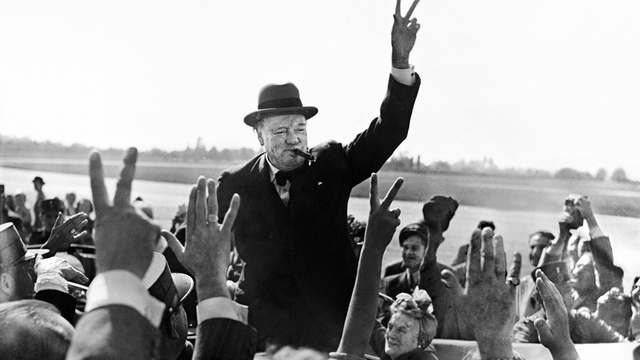
How does the Brexit situation harp back to longings about the British Empire?
Certainly things seemed to have changed very abruptly, and I would put down a lot of what has happened to the pursuit of austerity policies since 2010, and the fact that people’s living standards have sort of frozen or gotten worse. That creates an opportunity for people to play out various sentiments. It’s probably worth saying that when people have these discourses about Britain becoming great again they may be talking in almost total ignorance of what happened at the time.
About the time during the war?
No, I’m trying to explain why opinion has changed in the last few years to become more sympathetic to Brexit and towards imperial nostalgia. It has to do with the policies of cutting public spending and public services that have taken place. Then the situation becomes ripe for people to exploit discontent by blaming immigrants. So you have the playing up of the glorious past. Continue reading “Some people got depressed by Churchill’s speeches”
Marc-William Palen
History Department, University of Exeter
Follow on Twitter @MWPalen
Continue reading “This Week’s Top Picks in Imperial & Global History”
Editor’s Note: In the weeks leading up to the new year, please help us remember 2017 at the Imperial & Global Forum by checking out the past year’s 10 most popular posts.

Tom Harper
University of Surrey
Where once China sought communist revolution, it now seeks global economic expansion. As a result, the African continent has been one of the major areas of Chinese foreign economic investment. Numerous studies of China’s Africa policy have appeared in recent years, a number of which accuse China of exploiting resource rich African states or behaving like an imperial power in the continent, most notably Peter Hitchens’s assertion that China is building a ‘slave empire’ in Africa [1].
These views on Chinese policy also reflect the changes in the perceptions of China in the Western mind. The crude stereotypes of the Yellow Peril that dominated Western culture in the late 19th and early 20th centuries have given way to a fear that China will follow in the West’s imperial footsteps. In other words, the legacy of imperialism underpins today’s perceptions of China’s foreign policy as well as Chinese identity. [continue reading]
Editor’s Note: In the weeks leading up to the new year, please help us remember 2017 at the Imperial & Global Forum by checking out the past year’s 10 most popular posts.
Ljubica Spaskovska
University of Exeter
‘As a regular reader of NME I feel insulted by the way you write about Yugoslavia in your issues of May 3 and May 17′, wrote a New Musical Express reader from Zagreb in 1975.
In your ‘Teazers’ column you worry about »How will the Communist Bloc take to British pub rock when Kilburn And The High Roads tour Yugoslavia and Poland in August.« Now try to get this: Yugoslavia does not belong to any bloc, so you better don’t try to make jokes about something that may be irrelevant to you, but is of principal meaning for Yugoslav people […] This is not fair toward your Yugoslav readers and many other rock fans in our country. The same singles, albums, groups and singers that top the Pop Polls in Britain are very popular in Yugoslavia, too.
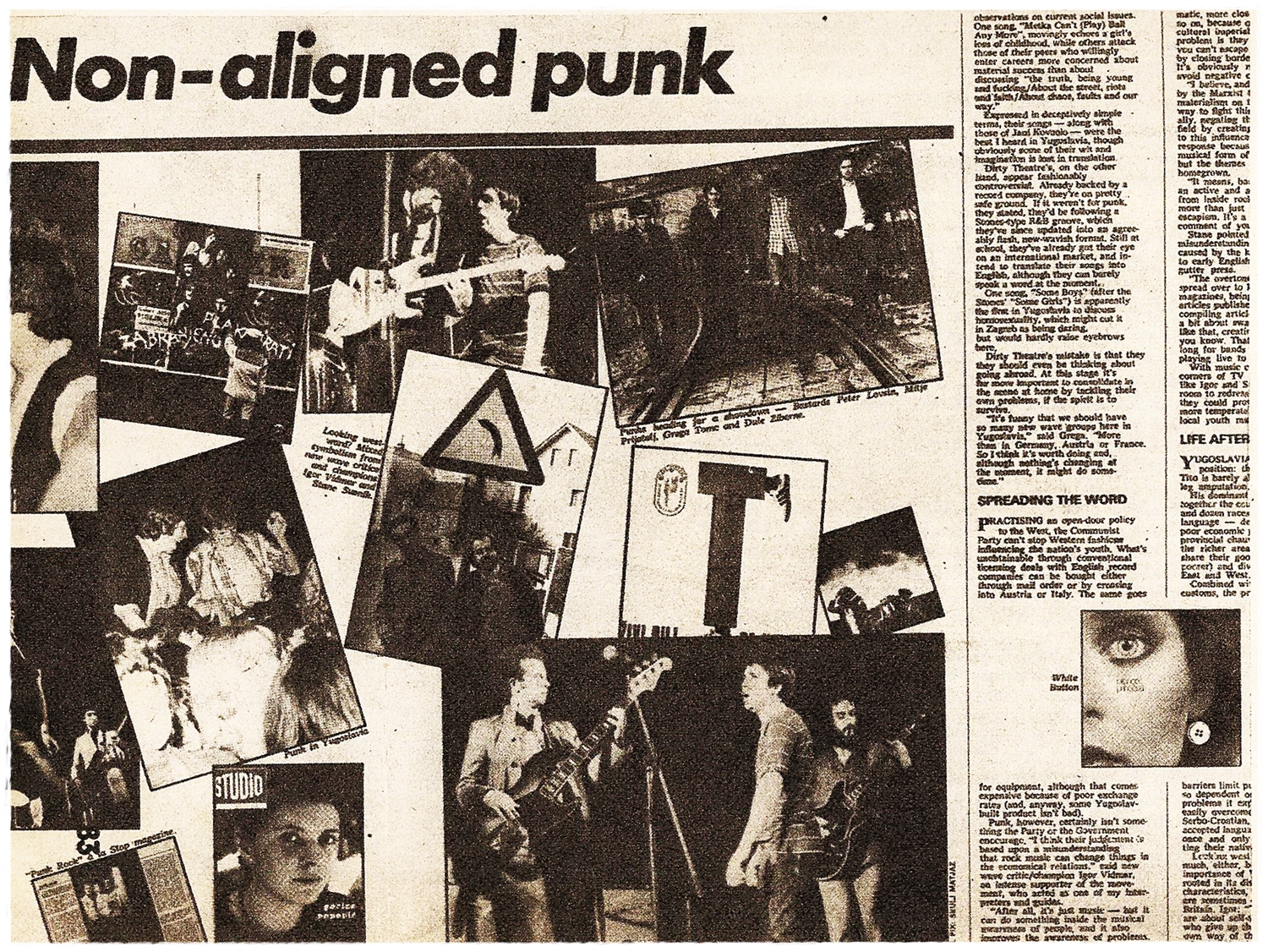
Similarly a Tomaz Domicelj from Ljubljana complained in a 1978 issue of Melody Maker that he was ‘fed up with reading again and again about Yugoslavia being behind the Iron Curtain. We are, if anything, on the border of that Curtain, which MM staff and other British people involved in the music business should know by now. Remember 1948, when we told Stalin off? If not, ask some historians about that.’ Two years later, Melody Maker columnist Chris Bohn visited Yugoslavia, a visit that he summarised in a two-page article entitled ‘Non-aligned punk’.
The geopolitical positioning of Yugoslavia had a significant impact on the way the youth conceptualised and articulated their self-identification and sense of belonging in wider global terms. It also enabled the development of a burgeoning youth culture. [continue reading]
Editor’s Note: In the weeks leading up to the new year, please help us remember 2017 at the Imperial & Global Forum by checking out the past year’s 10 most popular posts.
Paul Doolan
Zurich International School and the University of Konstanz
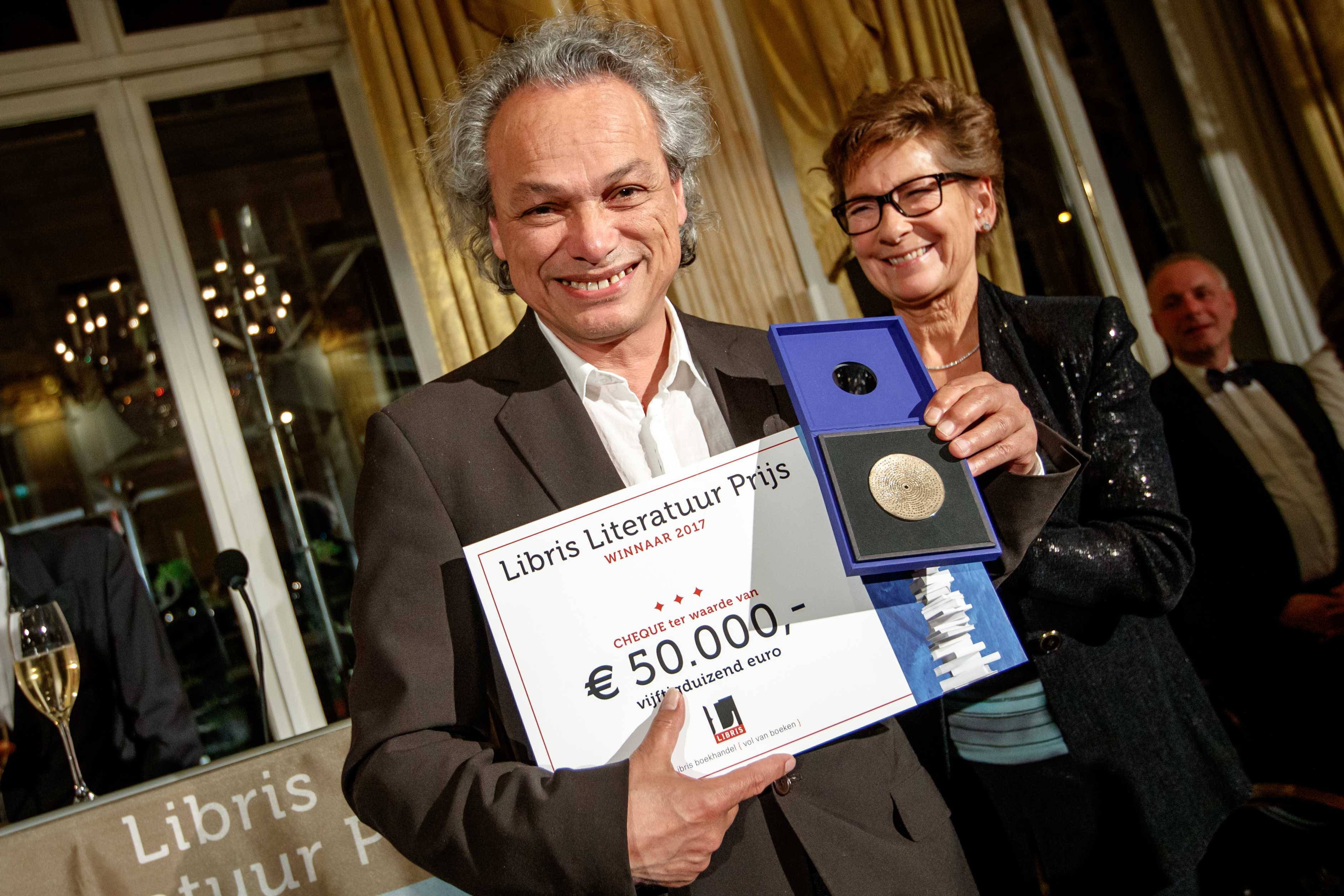
On May 8th the jury of the Libris Literature Prize announced in Amsterdam and live on television that they had unanimously chosen Alfred Birney as winner of the best Dutch language novel of 2016, for his novel De Tolk van Java [The Interpreter from Java]. According to the jury, Birney has “cast a new light upon a poisonous period of our history“. The book is a relentlessly violent postmemory novel and a searing indictment of not only Dutch colonial brutality, but also the willingness of a society to forget or unremember the uncomfortable parts of the nation’s past. Birney’s work forms a corrective to many historical myths regarding the decolonization of the Dutch East Indies.
In recent years we have seen Dutch courts finding the Dutch state guilty of massacring hundreds of civilians in Indonesia during the Indonesian War of Liberation (1945-1949). In 2016 Remy Limpach’s historical thesis, that the Dutch political and military leadership at the time had been responsible for the use of structural violence that amounted to war crimes, was well received in both the popular press as well as among academics. Last month’s decision of the jury of the Libris Literature Prize marks another milestone in the Dutch coming to terms with their past by working through the trauma of decolonization. [continue reading]
Editor’s Note: In the weeks leading up to the new year, please help us remember 2017 at the Imperial & Global Forum by checking out the past year’s 10 most popular posts.
Christiaan Harinck, Nico van Horn, and Bart Luttikhuis
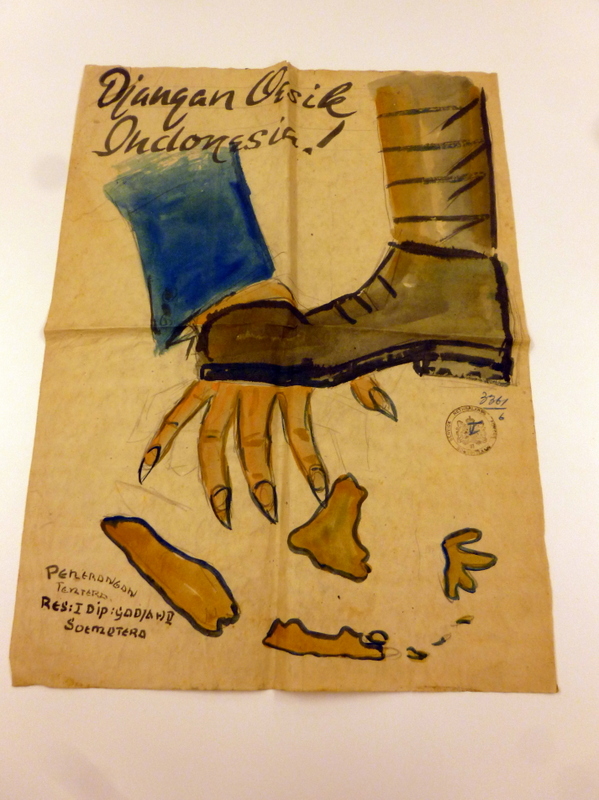
Seventy years after the fact, the decolonization war in Indonesia still does not occupy an appropriate position in Dutch public memory. The absence of Indonesian victims in Dutch memory culture makes this painfully obvious: until now, no one has ever even attempted to calculate the Indonesian death toll of this war. Christiaan Harinck, Nico van Horn, and Bart Luttikhuis provide a first attempt, counting 97,421 Indonesian casualties in Dutch military sources – most likely the lower limit rather than a final estimate of the actual death toll.
The Indonesian decolonization war of 1945-1949 has re-entered Dutch public consciousness in recent years. For many decades, the war had only a very cursory presence in Dutch public memory – even though it is one of the largest military operations the country was ever involved in. But in the wake of a number of successful court cases in which Indonesian victims (aided by Dutch activists) forced the Dutch state to pay compensation, Dutch media and politicians over the last decade have gradually started talking about this war again. This has culminated (for now) in the announcement of an extensive government-funded research project. The war in Indonesia is also starting to make more frequent appearances in Dutch popular culture, with the novel Tolk van Java by Alfred Birney recently winning the prestigious Libris prize, and an action movie by popular director Jim Taihuttu announced, which is to be set in the context of the brutal Dutch counterinsurgency campaign in South Sulawesi.
Among all this new interest for the war in Indonesia, the principal focus has been the extent to which Dutch forces committed atrocities against Indonesian civilians and combatants. That atrocities such as summary executions, torture, widespread arson, etc., were a structural part of Dutch military practice has been well documented. But surprisingly, despite all this attention upon Dutch atrocities, the Indonesian victims remain hidden. Dutch historiography and Dutch public memory continue to enjoy a highly Eurocentric view on the war in Indonesia. More than ever before, the black chapters of Dutch history can now be discussed. But still, the public debate is highly inward-looking. The main interest is in ‘our’ atrocities in the colonies, in ‘our’ guilt and what ‘we’ should now do about it. Meanwhile the other, the Indonesian, is still no more than an extra on the stage of Dutch history, lacking a face or and autonomous historical agency. Nowhere is this absence of Indonesian faces more obvious than in the absence of Indonesian victims from Dutch memory culture. We haven’t even had a reliable estimate of Indonesian casualties during the decolonization war – until now. [continue reading]
Editor’s Note: In the weeks leading up to the new year, please help us remember 2017 at the Imperial & Global Forum by checking out the past year’s 10 most popular posts.
Tom Harper
University of Surrey
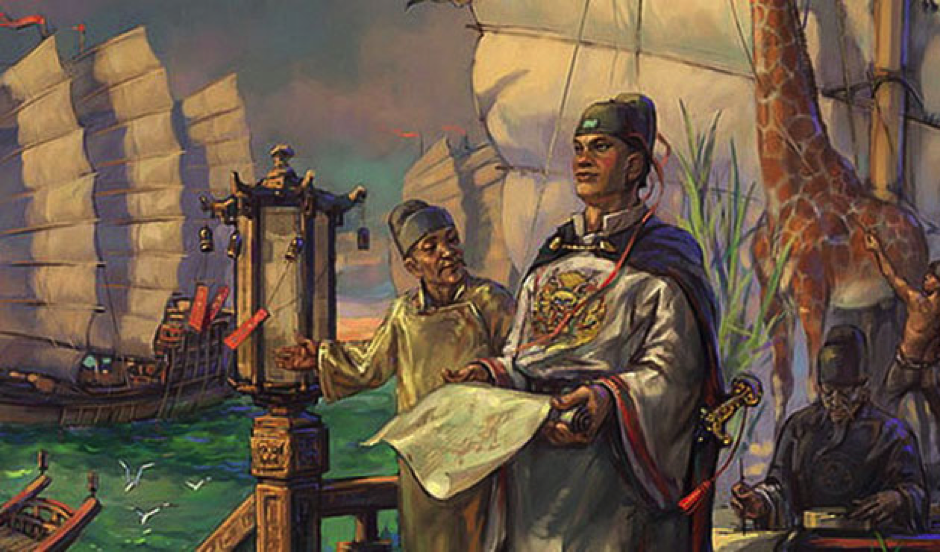
The Sovietologist E.H. Carr once asked “what is history?” in his book of the same name. It is a question that may need to be asked again in light of plans by Oxford University to introduce exams in non-Western history. Such a move is cast against the background of the apparent backlash against the traditional notions of imperial history as symbolised by the protests over the philosophy courses of the School of Oriental and African Studies for focusing on European thinkers at the expense of Asian and African philosophers.
These Oxford initiatives should not be considered as merely simplistic, politically correct gesture politics. Instead, with the rise of the Eastern powers, most notably China, it has become imperative to reconsider the limitations of the current Eurocentric curriculum. As the influence of China grows, so too does its historical experiences with imperialism, as epitomised by Xi Jinping’s utilisation of China’s imperial past as a source of national pride. In order for UK universities to stay afloat in changing waters and to cast off the shackles of their Eurocentrism, they will need to start placing a greater emphasis on Asia – and China, in particular. [continue reading]
Gajendra Singh
University of Exeter
Cross-posted from Not Even Past
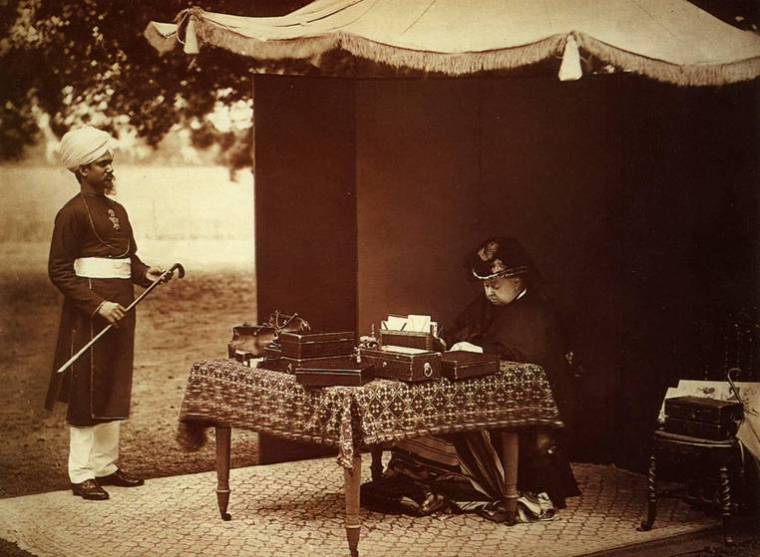
One of the earliest films to be shot and then screened throughout India were scenes from the Delhi Durbar between 29th December 1902 and 10th January 1903.[1] The Imperial Durbar, created to celebrate the accession of Edward VII as Emperor of India following the death of Victoria, was the most expensive and elaborate act of British Imperial pageantry that had ever been attempted. Nathaniel Curzon, as Viceroy of India, oversaw the construction of a tent city housing 150,000 guests north of Delhi proper and what occurred in Delhi was to be replicated (on a smaller scale) in towns and cities across India.
The purpose of the Durbar was to contrast British modernity with Indian tradition. Europeans at the Durbar were instructed to dress in contemporary styles even when celebrating an older British Imperial past (as with veterans of the ‘Mutiny’). Indians, however, were to wear Oriental (perceptibly Oriental) costumes as motifs of their Otherness. This construction of an exaggerated sense of Imperial difference, and through it Imperial order and Imperial continuity, was significant. It was a statement of the permanence of Empire, of Britain’s Empire being at the vanguard of modernity even as the Empire itself was increasingly anxious about nascent nationalist movements and rocked by perpetual Imperial crises. [continue reading]
Editor’s Note: In the weeks leading up to the new year, please help us remember 2017 at the Imperial & Global Forum by checking out the past year’s 10 most popular posts.
Jamie Miller
University of Pittsburgh
Follow on Twitter @JamieMiller85
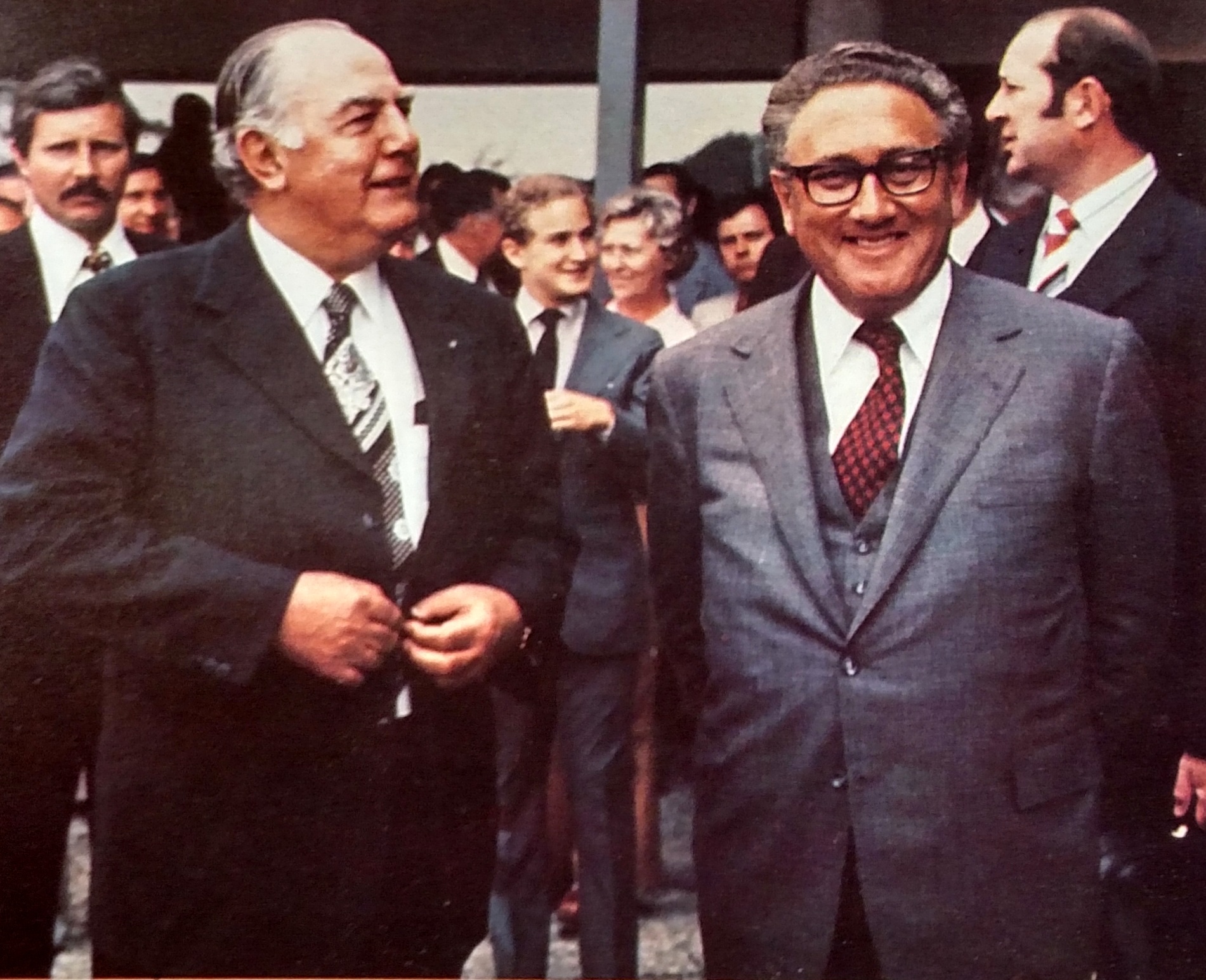
In 1975, the armed forces of apartheid South Africa intervened in the Angolan Civil War, carrying the flag of the anti-communist West into a burgeoning Cold War conflict. South Africa’s armed forces, confronted by Cuban troops, ended up in a military stalemate and a political disaster. Its government was pilloried internationally for interfering in a political contest in black Africa. African liberation movements across Southern Africa were emboldened. A model for achieving decolonisation through armed force, backed by Cuban and Soviet assistance, was established. And within South Africa itself, black political movements saw the regime’s aura of invincibility shattered, as did some puzzled white voters. The intervention in Angola, in other words, was an important turning point for the apartheid regime.
Ever since, historians have broadly accepted that South Africa was acting in Angola as an agent of American interests. “The US government urged South Africa, which might otherwise have hesitated, to act,” writes Piero Gleijeses, the preeminent specialist in Cuban and American foreign relations. [continue reading]
Editor’s Note: In the weeks leading up to the new year, please help us remember 2017 at the Imperial & Global Forum by checking out the past year’s 10 most popular posts.
Ole Birk Laursen
The Open University
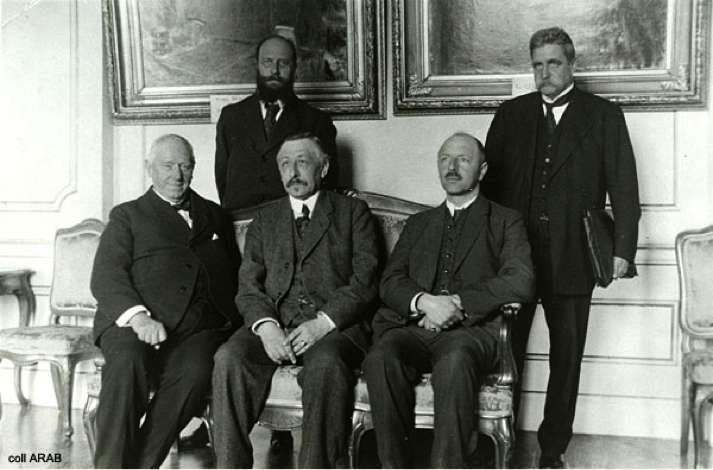
As we mark the centenaries of the Russian revolutions (1917) and the end of the First World War (1918), we should remember how these events are connected through the abandoned Stockholm Peace Conference and, given their anti-imperialist narratives, how they impacted the colonial world. Despite the attendance of Indians, Egyptians, Persians and Turks in Stockholm, the scant historical inquiries into this might-have-been moment tend to neglect how such anti-imperial ambitions were tied to world peace.[1]
In the wake of the hard winter of 1916-1917 and following the February revolution in Russia, Danish socialists Frederik Borgbjerg and Thorvald Stauning began discussions about a peace conference to be held on neutral territory, but they needed wider support among the divided Second International. On 15 April 1917, the Bureau of the Socialist International, led by Camille Huysmans, decided to relocate to neutral Stockholm to prepare for an international socialist peace conference to be organised by the Dutch-Scandinavian Committee (van Kol, Troelstra, Albarda, Branting, Stauning). [continue reading]
Editor’s Note: In the weeks leading up to the new year, please help us remember 2017 at the Imperial & Global Forum by checking out the past year’s 10 most popular posts.

Marc-William Palen
University of Exeter
As long as Theresa May’s Conservative government is representing the UK at the Brexit negotiating table, Britain’s imperial past will continue to haunt its European withdrawal. The ghost that looms largest is none other than the prime minister’s “political hero” and “new lodestar”, Birmingham’s turn-of-the-century imperial protectionist, Joseph Chamberlain.
Like the early 20th century that Chamberlain lived in, the world has witnessed a resurgence of economic nationalism since the 2007 to 2009 recession. Britain, through Brexit, is leading this retreat from economic globalisation. The May government’s proposal to pursue an economic plan of “Britain for the British” after Brexit harkens back to Chamberlain’s bygone imperial age of Tory protectionism. [continue reading]
 Imperial & Global Forum

You must be logged in to post a comment.