
Peter Whitewood
York St John University
From the beginning, Russia has framed its invasion of Ukraine as necessary for the defence of the country. According to Vladimir Putin, Nato’s deliberate and aggressive encroachment into a region once dominated by Moscow is to blame, as the west seeks to dismember Russia. By extension, Ukraine – a country, according to Putin, without agency and turned into a Nato military outpost – is little more than a pawn in Washington’s nefarious game.
Some conspiracies in Russian propaganda come and go – notably the absurd claims that the US had developed bioweapons sites across Ukraine. But Putin’s core geopolitical framing of the war has remained consistent: Nato and the forces of the “collective west” represent an existential threat to Russia.
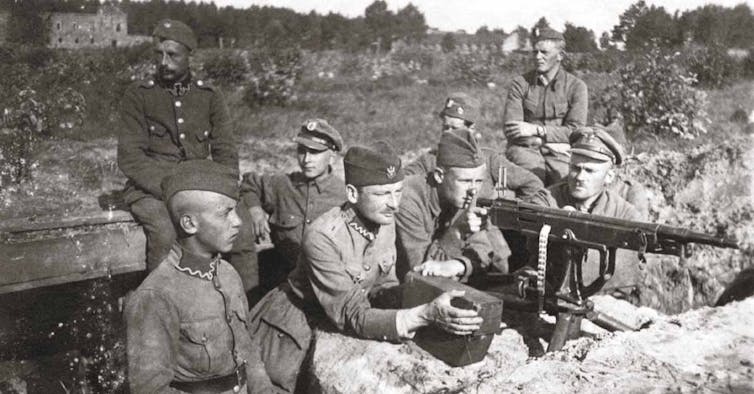
Given the popular notion of rival geopolitical blocs and the “no-limits friendship” between Moscow and Beijing, comparisons to the former cold war are commonplace. Commentators and academics are keen to scrutinise various similarities and distinctions. But there is an underappreciated comparison between Russia’s invasion of Ukraine and another act of aggression a century earlier: the Red Army’s invasion of Poland in 1920 under Vladimir Lenin.
Although more than 100 years ago, the Bolsheviks framed this conflict in strikingly similar terms to the conspiracies running through Russian propaganda today. Continue reading “Russia’s disastrous decision to invade Poland in 1920 has parallels with Putin’s rhetoric over Ukraine”

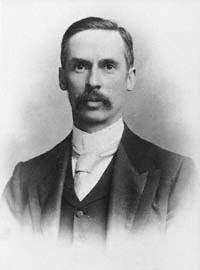 In 1902, journalist John A. Hobson published Imperialism: A Study. The book was among the first to connect the rise of finance capital with the growth of imperial expansion after 1870. Hobson’s theory would fast number among the most influential critiques of imperialism. Although Hobson himself was not a Marxist (he was a classical liberal), his theory would play a key role in shaping subsequent Marxist theories of imperialism, most notably that of V. I. Lenin.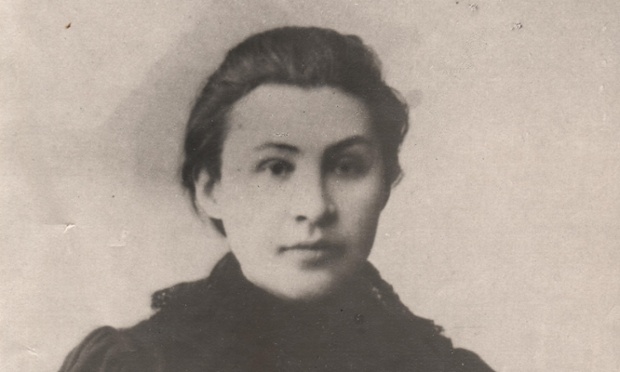
 Imperial & Global Forum
You must be logged in to post a comment.