This Week’s Top Picks in Imperial & Global History

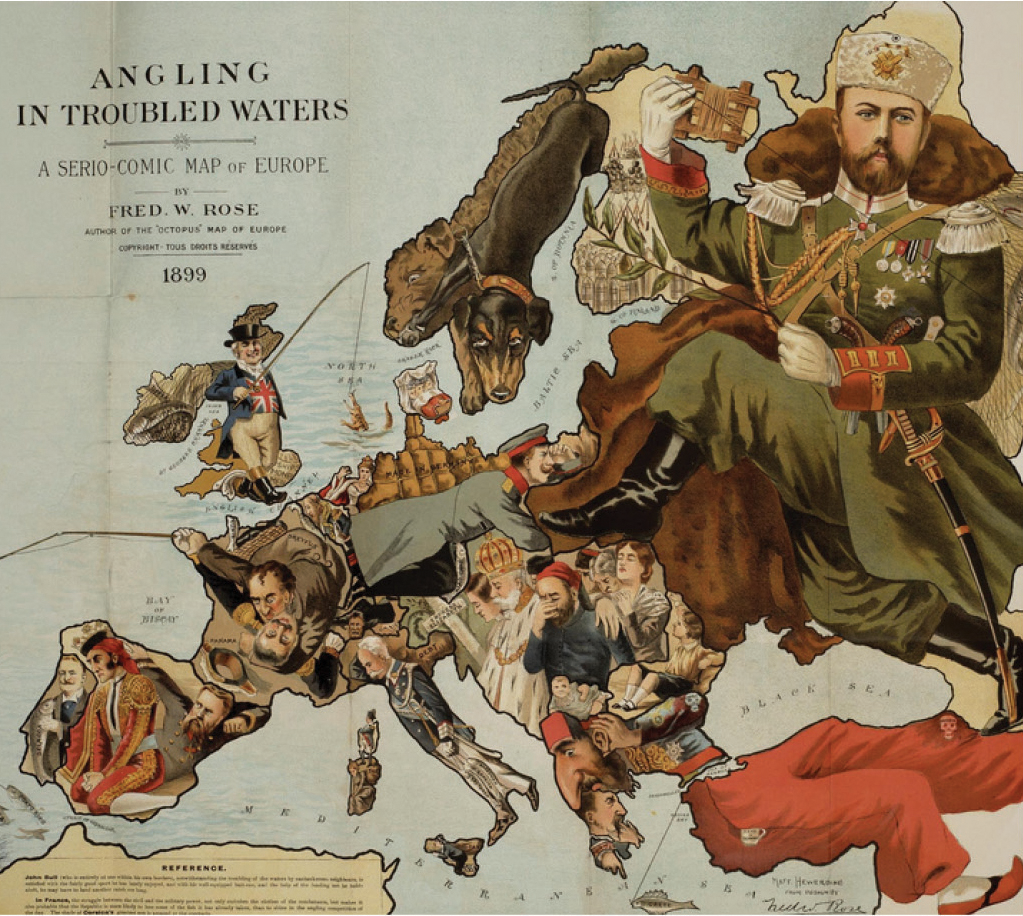
One of many maps portraying impending inter-imperialist apocalypse, via
One of many maps portraying impending inter-imperialist apocalypse, via Charnel- House.

Marc-William Palen
History Department, University of Exeter
Follow on Twitter @MWPalen

From teaching indigenous studies to Hong Kong’s forgotten independence movement, here are this week’s top picks in imperial and global history.

Continue reading “This Week’s Top Picks in Imperial & Global History”

This Week’s Top Picks in Imperial & Global History

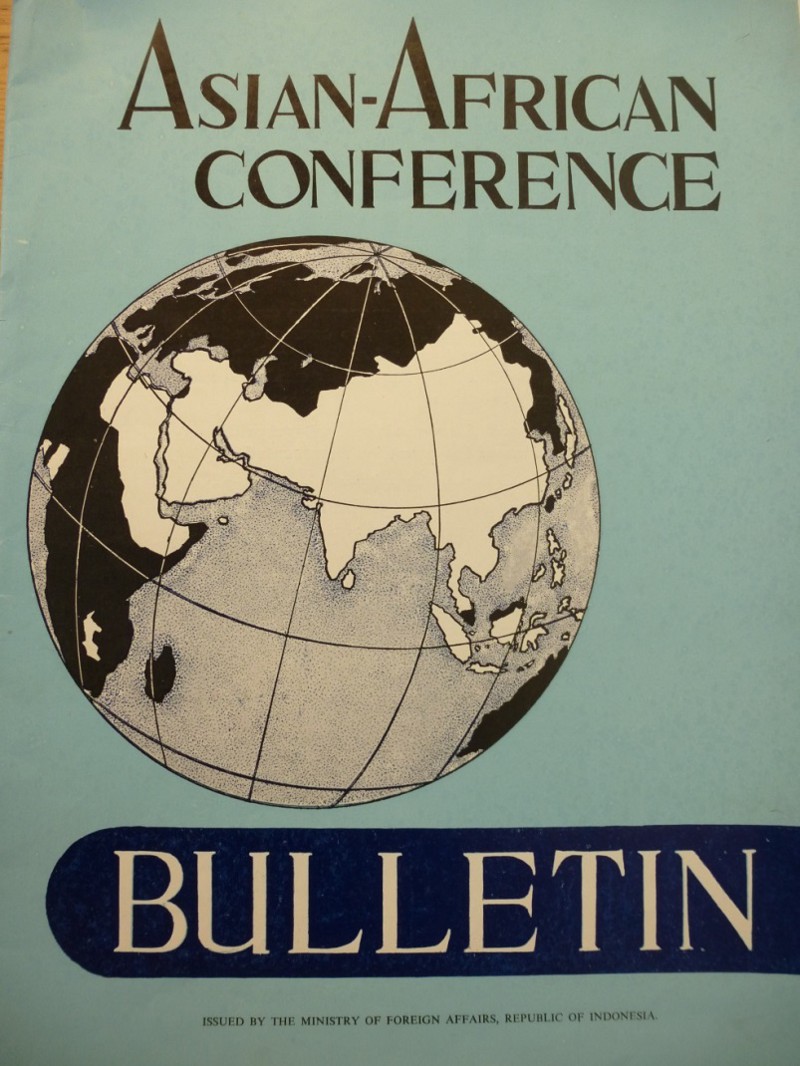
Copy of the Asian-African Conference Bulletin held at the Foreign Affairs Archives in Belgium. The Indonesian government produced a Bulletin on the Bandung Conference, intended to bolster its prestige, 1955.

Marc-William Palen
History Department, University of Exeter
Follow on Twitter @MWPalen

From Christian imperialism to 1945’s forgotten heroes of Paris, here are this week’s top picks in imperial and global history. Continue reading “This Week’s Top Picks in Imperial & Global History”

This Week’s Top Picks in Imperial & Global History

elkins

Marc-William Palen
History Department, University of Exeter
Follow on Twitter @MWPalen

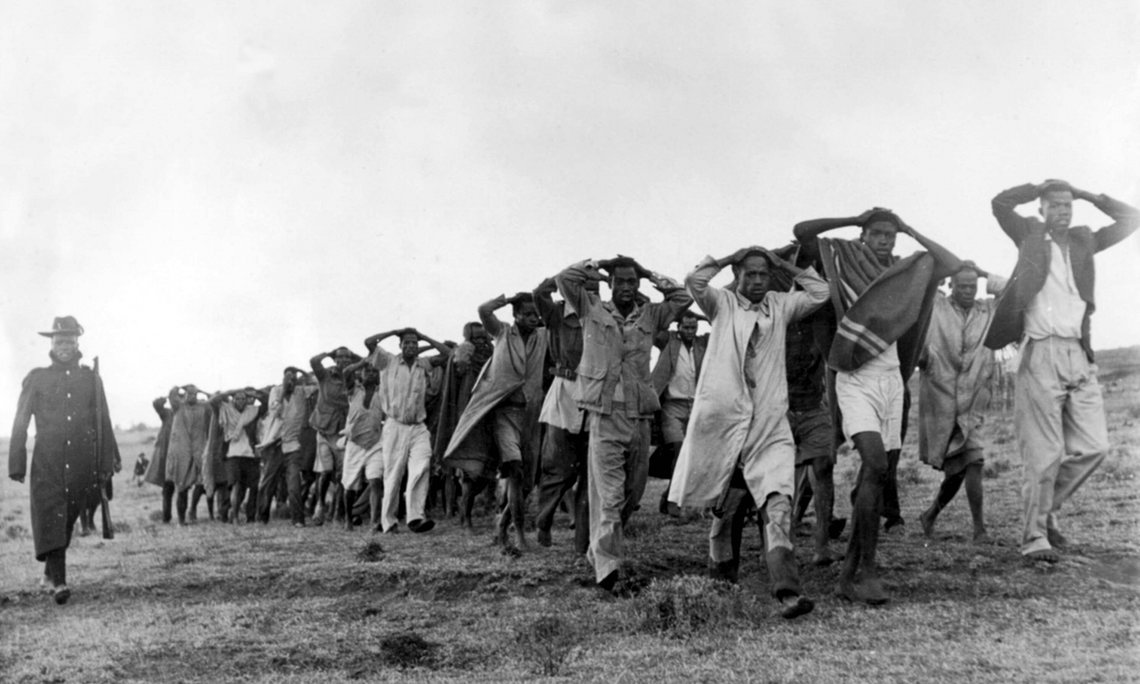
From uncovering the brutal truth about the British Empire to the false economic promise of global governance, here are this week’s top picks in imperial and global history. Continue reading “This Week’s Top Picks in Imperial & Global History”

When Protectionism Dominated American Politics

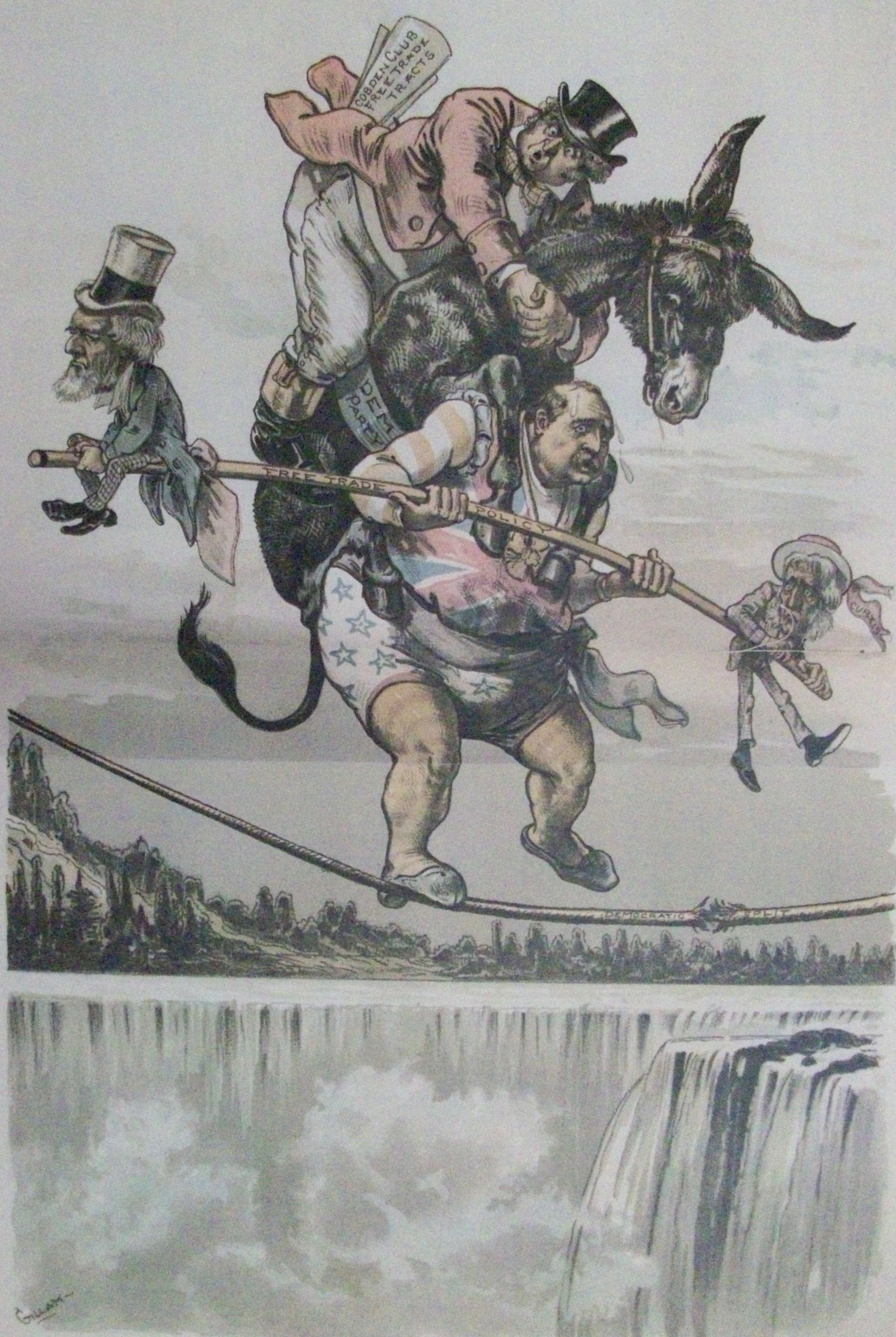
“Cleveland Will Have a Walk-Over.” Republican magazine Judge depicts Grover Cleveland balancing precariously on a fraying rope, holding a balancing pole labeled “Free Trade Policy” and carrying the Democratic Party donkey and John Bull on his back. John Bull’s back pocket is stuffed with “Cobden Club Free Trade Tracts.” Judge, 25 Aug. 1888.
“Cleveland Will Have a Walk-Over.” Republican magazine Judge depicts Grover Cleveland balancing precariously on a fraying rope, holding a balancing pole labeled “Free Trade Policy” and carrying the Democratic Party donkey and John Bull, a common representation of Britain,  on his back. John Bull’s back pocket is stuffed with “Free Trade Tracts.” Judge, 25 Aug. 1888.

Marc-William Palen
History Department, University of Exeter
Follow on Twitter @MWPalen

Cross-posted from The Globalist Magazine

How the 1888 elections decided the protectionist course of U.S. economic expansion for decades to come.

For most people alive today, Republicans have been the advocates of a free trade strategy for the United States, while the Democrats usually have sat on the fence.

The emergence of Donald Trump brings back the memory of when it was the other way around – when Republicans vehemently opposed open trade relations with the world, while Democrats advocated for free trade.

Era when Democrats were pro-free trade

The year was 1888, the tail end of Grover Cleveland’s first administration (1885-89). He was the only Democrat to hold the U.S. presidency in the half-century since the Civil War. And because of his actions, it was the tariff question that overshadowed all other economic issues that year.

The “Great Debate” of 1888 over U.S. trade policy arose after Cleveland, in his December 1887 annual message to Congress, had voiced his support for freer trade.

Cleveland’s free-trade message created political waves, both at home and upon the shores of Great Britain. Continue reading “When Protectionism Dominated American Politics”

This Week’s Top Picks in Imperial & Global History

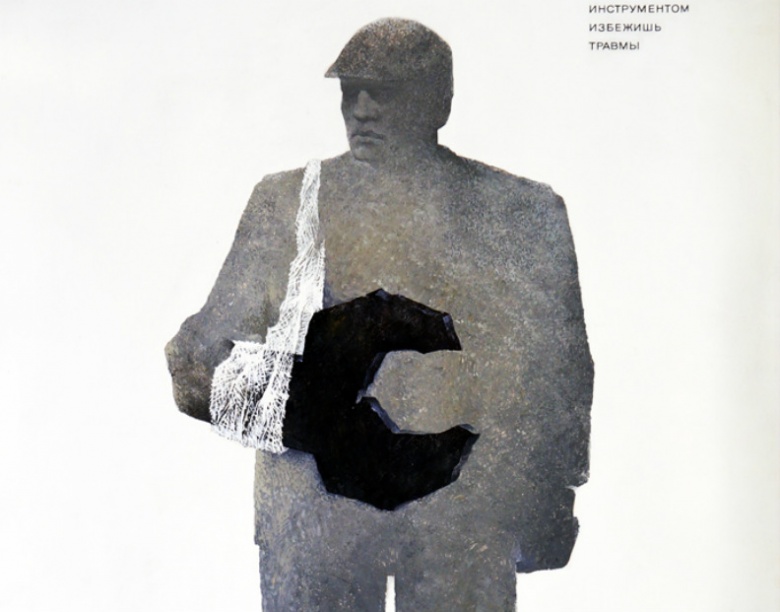
soviet_wrench_man

Marc-William Palen
History Department, University of Exeter
Follow on Twitter @MWPalen

From ending the world’s weirdest border dispute to Russia’s strange world of Soviet nostalgia, here are this week’s top picks in imperial and global history. Continue reading “This Week’s Top Picks in Imperial & Global History”

This Week’s Top Picks in Imperial & Global History

The Commune as Seen by Jacques Tardi (“Le cri du peuple”), 2002.

Marc-William Palen
History Department, University of Exeter
Follow on Twitter @MWPalen

From when Nazis held mass rallies in Madison Square Garden to colonial-era bear migrations, here are this week’s top picks in imperial and global history. Continue reading “This Week’s Top Picks in Imperial & Global History”

This Week’s Top Picks in Imperial & Global History

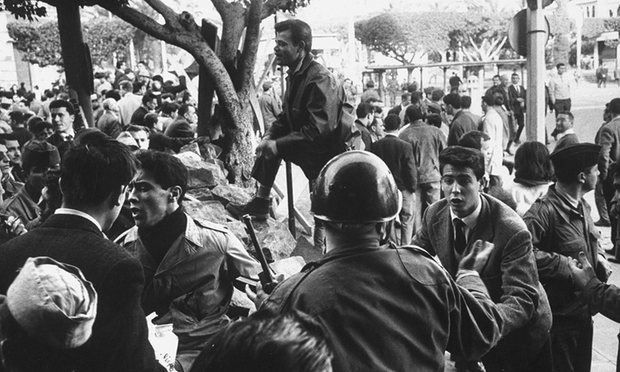
French armed forces suppress an uprising in colonial-era Algeria. Photograph: Loomis Dean/Time & Life Pictures/Getty Image

Marc-William Palen
History Department, University of Exeter
Follow on Twitter @MWPalen

From the unlikely origins of Russia’s Manifest Destiny to the street food that powered the British Empire, here are this week’s top picks in imperial and global history. Continue reading “This Week’s Top Picks in Imperial & Global History”

This Week’s Top Picks in Imperial & Global History

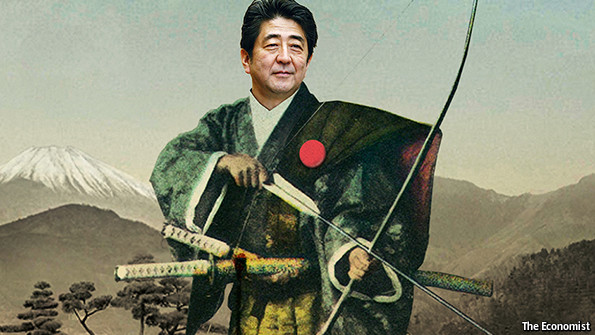
3-nippon-kaigi

Marc-William Palen
History Department, University of Exeter
Follow on Twitter @MWPalen

From colonial Havana to resurrecting the Japanese Empire, here are this week’s top picks in imperial and global history. Continue reading “This Week’s Top Picks in Imperial & Global History”

This Week’s Top Picks in Imperial & Global History

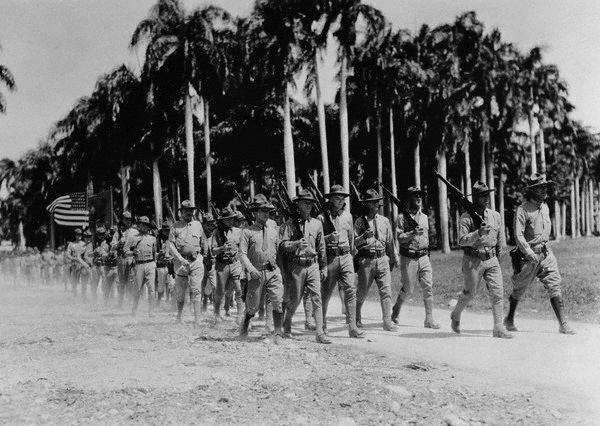
U.S. Marines marching in Haiti, 1934 (Photo: Bettmann/Corbin)

Marc-William Palen
History Department, University of Exeter
Follow on Twitter @MWPalen

From the forgotten Jewish pirates of Jamaica to acknowledging genocide in Namibia, here are this week’s top picks in imperial and global history. Continue reading “This Week’s Top Picks in Imperial & Global History”

This Week’s Top Picks in Imperial & Global History

Title of Jürgens’ report on the visit to Japan in the Hitler Youth periodical Junge Welt, February to April 1941

Marc-William Palen
History Department, University of Exeter
Follow on Twitter @MWPalen

From historicizing Britain’s post-Referendum depression to digitizing thousands of Afghan periodicals, here are this week’s top picks in imperial and global history. Continue reading “This Week’s Top Picks in Imperial & Global History”

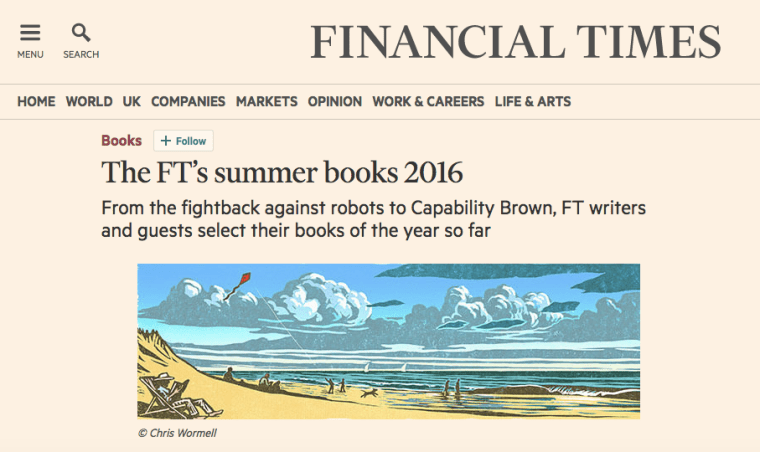
New @ExeterCIGH Book Featured in Financial Times

Screen Shot 2016-07-04 at 09.34.11

Marc-William Palen
History Department, University of Exeter
Follow on Twitter @MWPalen

The post-Second-World-War liberal economic order has never looked more uncertain. Over the past few months, the long-dormant forces of protectionism, nationalism, populism, and xenophobia have been reawakened. Free trade is under attack, whether from Donald Trump’s protectionist presidential campaign or from the outcome of the Brexit referendum. Extreme nationalism is on the rise, not only in the US and the UK, but also in continental Europe and Asia. Trump climbed the GOP nomination ladder promising to put “America First,” resurrecting the isolationist mantra of the 1940s. The white supremacist, pro-apartheid killer of UK Labour MP Jo Cox was heard shouting “Put Britain First” as he stabbed and shot the 41-year-old anti-Brexit MP to death. Across the globe, foreigners have become the common target of racist hate crimes and extremist violence. Anti-Semitism is on the rise, as are Islamophobic attacks. Nowadays the cosmopolitan ideal – a global citizenry – appears to be more myth than reality.

It’s a difficult time to be an optimist. It doesn’t help that history is very nearly repeating itself. The Brexit referendum has hammered home how historical memory is far shorter and inaccurate than we might have feared. For example, nationalistic pro-Brexit Britons marked the centenary of the bloody Battle of the Somme this past weekend, either unaware or uncaring of the irony that the world war that wrought the same bloody battle arose largely because of extreme European nationalism, economic autarky, and disunity.

Granted, the current global crisis has many aspects that are unique to the 21st century. But there also many striking parallels between the situation today and the struggles that occurred during the global economic depressions of the late 19th and early 20th centuries. (These periods even had their fair share of international terrorism.) Now more than ever we need to be revisiting these earlier controversies over globalization and international conflict in order to find historical precedents, parallels, and lessons – so that we don’t repeat the same mistakes.

It would seem that the editors of the Financial Times agree. Continue reading “New @ExeterCIGH Book Featured in Financial Times”

This Week’s Top Picks in Imperial & Global History

How phosphates from Morocco nourish the planet

Entrance of a gallery of the mine Khouribga. Photograph from an advertising Chérifien Phosphates Office 1952. EN ANOM. Aix-en-Provence: BIB AOM 4911 // Youssoufia Phosphates. – The achievements of the Office for his daily personal, Rabat: Morocco-Matin 1952.

Marc-William Palen
History Department, University of Exeter
Follow on Twitter @MWPalen

From placing the American Revolution in global perspective to decolonizing Puerto Rico, here are this week’s top picks in imperial and global history. Continue reading “This Week’s Top Picks in Imperial & Global History”

This Week’s Top Picks in Imperial & Global History

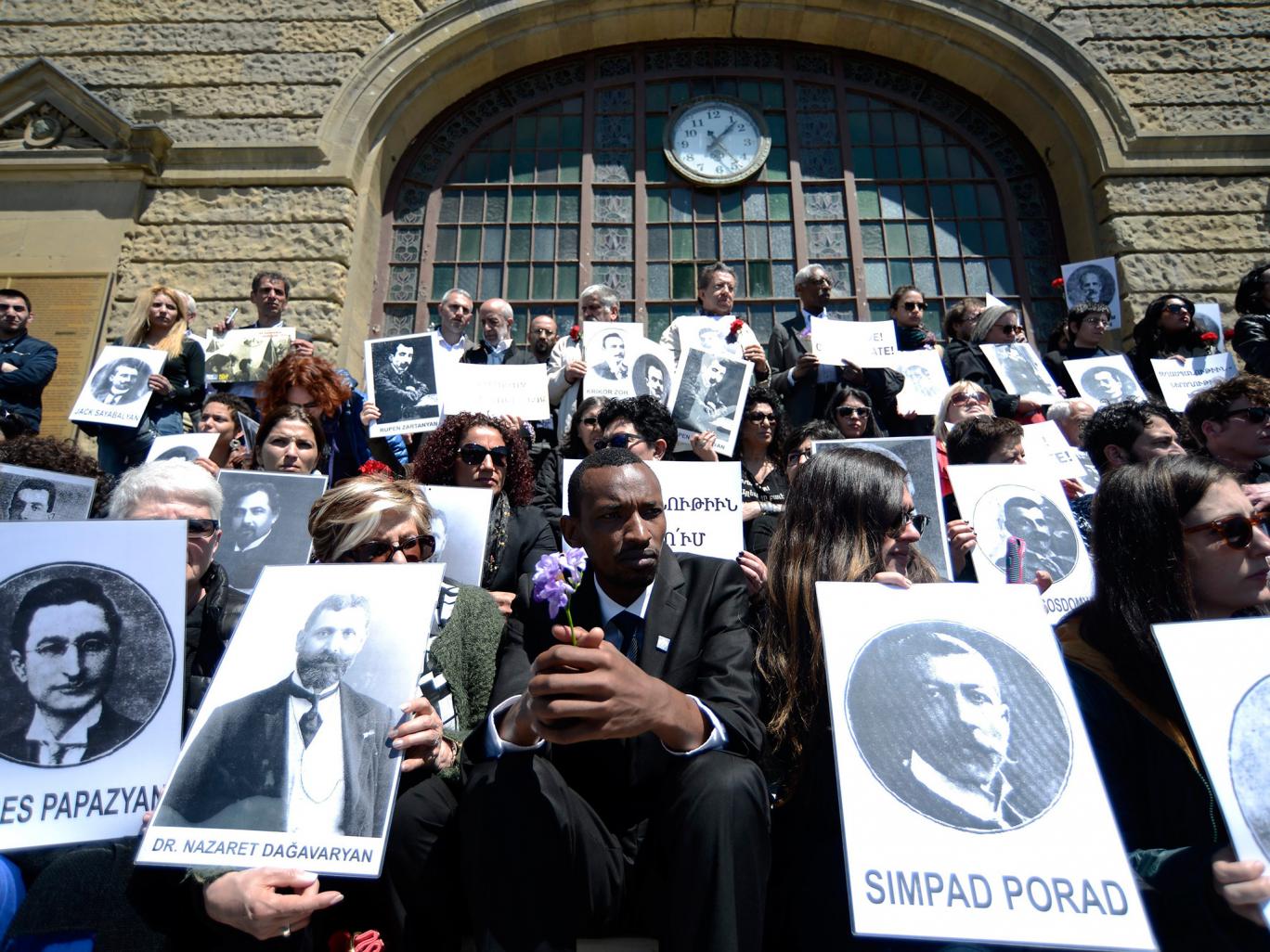
turkey-armenia-epa.jpgA memorial in Istanbul to mark the 100th anniversary of the mass killings of Armenians in the Ottoman Empire EPA

Marc-William Palen
History Department, University of Exeter
Follow on Twitter @MWPalen

From Brexit as imperial nostalgia to all things transregional, here are this week’s top picks in imperial and global history. Continue reading “This Week’s Top Picks in Imperial & Global History”

17 OUP-Recommended US Foreign Relations Histories That You Need to Read

Marc-William Palen
History Department, University of Exeter
Follow on Twitter @MWPalen

Cover_For_BlogThe OUPblog has just posted a great reading list  for scholars of the history of US foreign relations, in advance of the annual meeting of the Society for Historians of American Foreign Relations (SHAFR). The list, some of which are below, includes blog posts, cutting-edge books, and the top five most-read Diplomatic History articles of 2015 (spoiler: one of them is mine). More than a few of the items on the list have an explicitly imperial history angle, including fresh-off-the-press books like Benjamin Coates’s Legalist Empire: International Law and American Foreign Relations in the Early Twentieth Century and Amanda Moniz’s From Empire to Humanity: The American Revolution and the Origins of Humanitarianism.  Have a look! Continue reading “17 OUP-Recommended US Foreign Relations Histories That You Need to Read”

This Week’s Top Picks in Imperial & Global History

Square Dairen
Central Circular, Dairen, ca. 1940

Marc-William Palen
History Department, University of Exeter
Follow on Twitter @MWPalen

From Japan’s urban colonial past to sending children through the mail, here are this week’s top picks in imperial and global history. Continue reading “This Week’s Top Picks in Imperial & Global History”