This Week’s Top Picks in Imperial & Global History

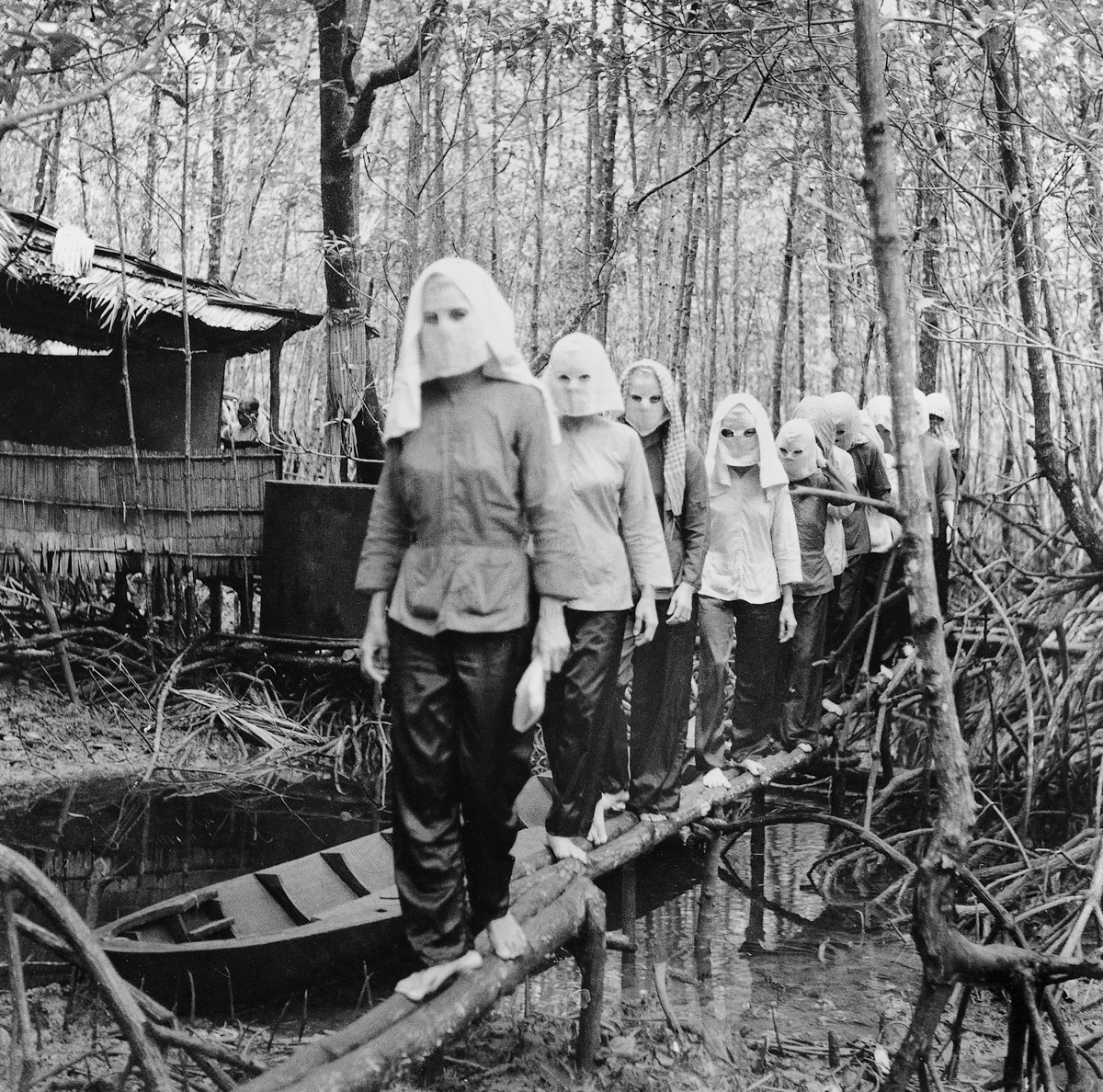
Activists meet in the Nam Can forest, wearing masks to hide their identities from one another in case of capture and interrogation.  IMAGE: VO ANH KHANH/ANOTHER VIETNAM/NATIONAL GEOGRAPHIC BOOKS
Activists meet in the Nam Can forest, wearing masks to hide their identities from one another in case of capture and interrogation.
IMAGE: VO ANH KHANH/ANOTHER VIETNAM/NATIONAL GEOGRAPHIC BOOKS

Marc-William Palen
History Department, University of Exeter
Follow on Twitter @MWPalen
From Gandhi the imperialist to writing global intellectual history, here are this week’s top picks in imperial and global history. Continue reading “This Week’s Top Picks in Imperial & Global History”

This Week’s Top Picks in Imperial & Global History

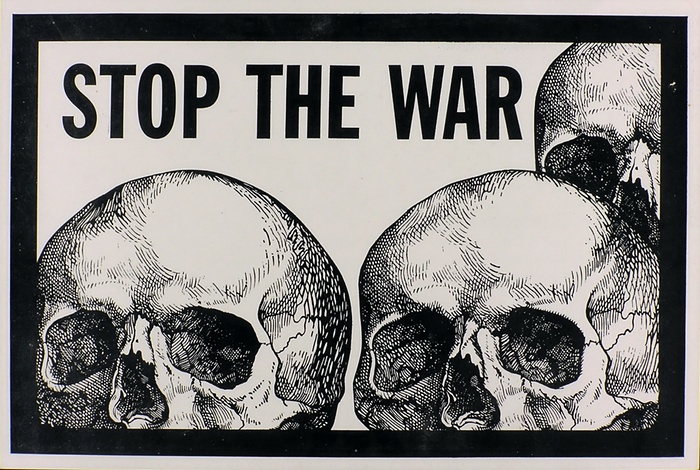
150 surviving prints of the anti-Vietnam war artworks made at University of California, Berkeley, are to be shown in a new exhibition at Shapero Modern, London, as featured on the Guardian
One of 150 surviving prints of the anti-Vietnam war artworks made at University of California, Berkeley, are to be shown in a new exhibition at Shapero Modern, London, as featured on the Guardian.

Marc-William Palen
History Department, University of Exeter
Follow on Twitter @MWPalen
From militant Third World liberation to the fallacy of collective memory, here are this week’s top picks in imperial and global history. Continue reading “This Week’s Top Picks in Imperial & Global History”

This Week’s Top Picks in Imperial & Global History

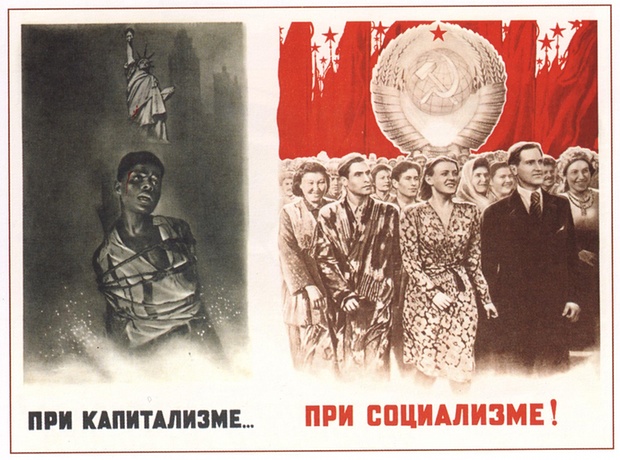
 Soviet poster from 1948. The captions read ‘Under capitalism’ and ‘Under socialism’. Photograph: Wayland Rudd Archive/Yevgeniy Fiks/Flint
Soviet poster from 1948. The captions read ‘Under capitalism’ and ‘Under socialism’. Photograph: Wayland Rudd Archive/Yevgeniy Fiks/Flint

Marc-William Palen
History Department, University of Exeter
Follow on Twitter @MWPalen
From how the Soviet Union capitalised on US discrimination to throwing out the balance sheet of the British Empire, here are this week’s top picks in imperial and global history. Continue reading “This Week’s Top Picks in Imperial & Global History”

This Week’s Top Picks in Imperial & Global History

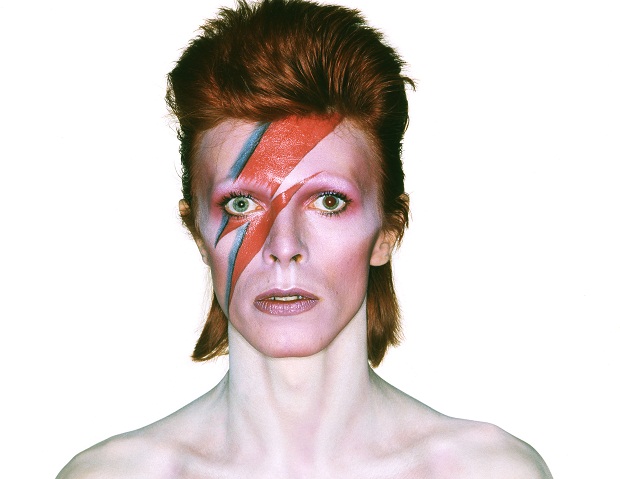
Album_cover_shoot_for_Aladdin_Sane_1973_Photograph_by_Brian_Duffy__Duffy_Archive
Album cover shoot for Aladdin Sane, 1973. Photography by Brian Duffy.

Marc-William Palen
History Department, University of Exeter
Follow on Twitter @MWPalen

From how the Cold War shaped David Bowie to lessons from Japanese Canadian internment, here are this week’s top picks in imperial and global history. Continue reading “This Week’s Top Picks in Imperial & Global History”

This Week’s Top Picks in Imperial & Global History

Poster of First-World-War French colonial troops. Courtesy of Asia-Pacific Journal.

Marc-William Palen
History Department, University of Exeter
Follow on Twitter @MWPalen

From 3-D printers undoing the destruction of ISIS to the endangered archives of Freetown, here are this week’s top picks in imperial and global history. Continue reading “This Week’s Top Picks in Imperial & Global History”

This Week’s Top Picks in Imperial & Global History

Galata Bridge
A bustling Galata Bridge in late-nineteenth-century Istanbul. Image courtesy of the Global Urban History Blog.

Marc-William Palen
History Department, University of Exeter
Follow on Twitter @MWPalen

From rush hour in Ottoman Istanbul to the opening of new Vichy French archives, here are this week’s top picks in imperial and global history.

Continue reading “This Week’s Top Picks in Imperial & Global History”

2. Debunking the Civil War Tariff Myth

Editor’s Note: In the weeks leading up to the new year, please help us celebrate 2015 at the Imperial & Global Forum by checking out the past year’s 10 most popular posts.
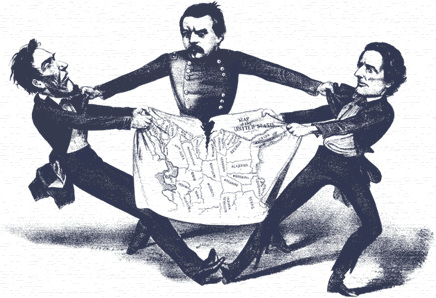
2. Debunking the Civil War Tariff Myth

tornintwo

Marc-William Palen
History Department, University of Exeter
Follow on Twitter @MWPalen

The outbreak of the American Civil War is now more than 150 years past. All the while, the question of what caused the conflict continues to spark disagreement, this despite a longstanding consensus among specialists that slavery – a cultural, political, ideological, and economic institution that permeated (and divided) mid-19th-century American society – was the primary cause of the war. One of the most egregious of the so-called Lost Cause narratives instead suggests that it was not slavery, but a protective tariff that sparked the Civil War.

On 2 March 1861, the Morrill Tariff was signed into law by outgoing Democratic President James Buchanan to protect northern infant industries. A pernicious lie quickly formed around the tariff’s passage, a lie suggesting that somehow this tariff had caused the US Civil War. By ignoring slavery’s central role in precipitating secession and Civil War, this tariff myth has survived in the United States for more than a century and a half – and needs to be debunked once and for all.

In trying to make their case but lacking adequate evidence for the 1860-61 period, “Lost Cause” advocates instead commonly hark back to the previously important role that another protective tariff had played in the 1832 Nullification Crisis. They then (mistakenly) assume the political scenario to have been the same three decades later – that southern secession from 1860-61 was but a replay of the divisive tariff politics of some thirty years before. From this faulty leap of logic, the argument then follows that the Republican Party’s legislative efforts on behalf of the Morrill Tariff from 1860 until its March 1861 passage became the primary reason for southern secession – and thus for causing the Civil War. [continue reading]
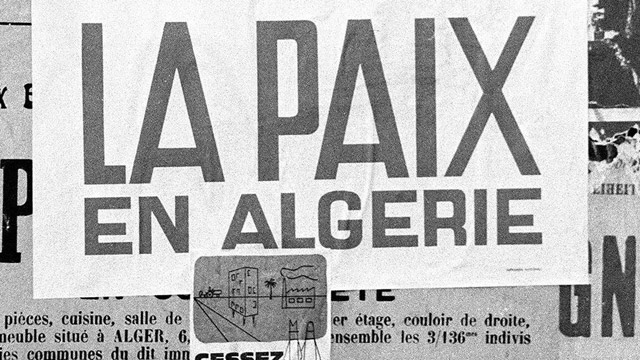
This Week’s Top Picks in Imperial & Global History

algeria

Marc-William Palen
History Department, University of Exeter
Follow on Twitter @MWPalen
From Europe’s 1989 in reverse to how neoliberalism came to be, here are this week’s top picks in imperial and global history. Continue reading “This Week’s Top Picks in Imperial & Global History”

This Week’s Top Picks in Imperial & Global History

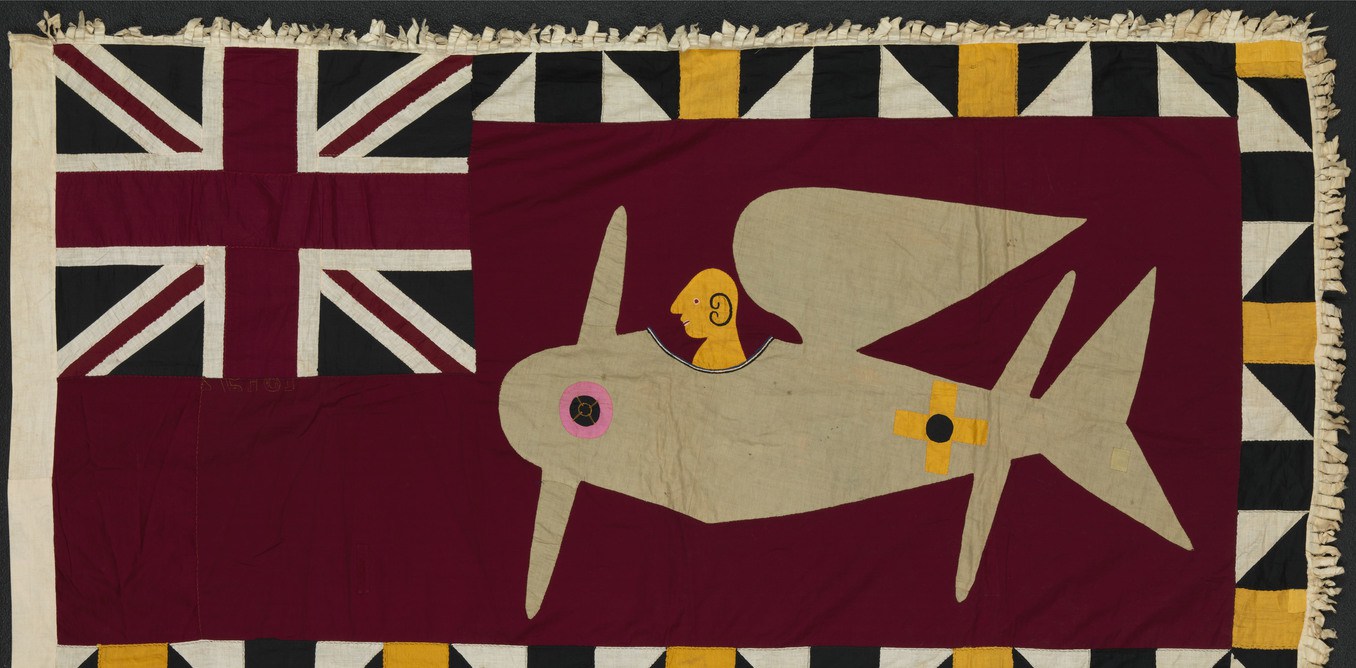
An Asafo flag made by the Fante artists of Africa’s Gold Coast.

Marc-William Palen
History Department, University of Exeter
Follow on Twitter @MWPalen
From imperial mass murder to globalizing Garveyism, here are this week’s top picks in imperial and global history.

Continue reading “This Week’s Top Picks in Imperial & Global History”

This Week’s Top Picks in Imperial & Global History

A shaded line drawing of a large stone building, people, dog and horse-drawn carriage.
The Melbourne Athenaeum, Melbourne’s first Mechanics Institute, in 1855. (State Library of NSW: ST Gill)

Marc-William Palen
History Department, University of Exeter
Follow on Twitter @MWPalen
From the colonial context of the Paris attacks to radical Scotland in Australia, here are this week’s top picks in imperial and global history. Continue reading “This Week’s Top Picks in Imperial & Global History”

This Week’s Top Picks in Imperial & Global History

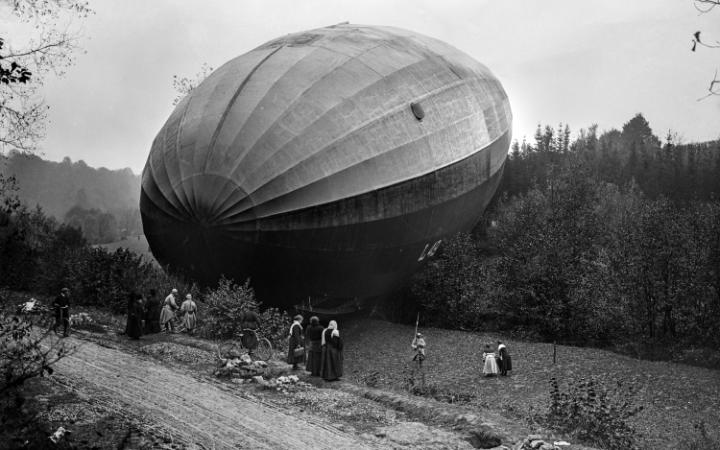
GERMAN ZEPPELIN LOST ABOVE FRENCH TERRITORY, 1917, BY ALBERT MOREAU CREDIT: ECPAD/ FRANCE/ ALBERT MOREAU. 'The Great War as Never Seen Before', Telegraph.
GERMAN ZEPPELIN LOST ABOVE FRENCH TERRITORY, 1917, BY ALBERT MOREAU CREDIT: ECPAD/ FRANCE/ ALBERT MOREAU. From ‘The Great War as Never Seen Before‘, Telegraph.

Marc-William Palen
History Department, University of Exeter
Follow on Twitter @MWPalen
From the imperialism of time zones to remembering the Alamo in Japan, here are this week’s top picks in imperial and global history. Continue reading “This Week’s Top Picks in Imperial & Global History”

This Week’s Top Picks in Imperial & Global History

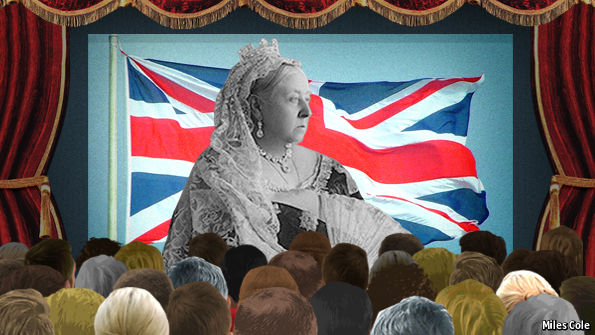
economistbritishempirefilm

Marc-William Palen
History Department, University of Exeter
Follow on Twitter @MWPalen

From Britain’s empire of entertainment to the transnationalism of Black Panther Woman, here are this week’s top picks in imperial and global history. Continue reading “This Week’s Top Picks in Imperial & Global History”
This Week’s Top Picks in Imperial & Global History

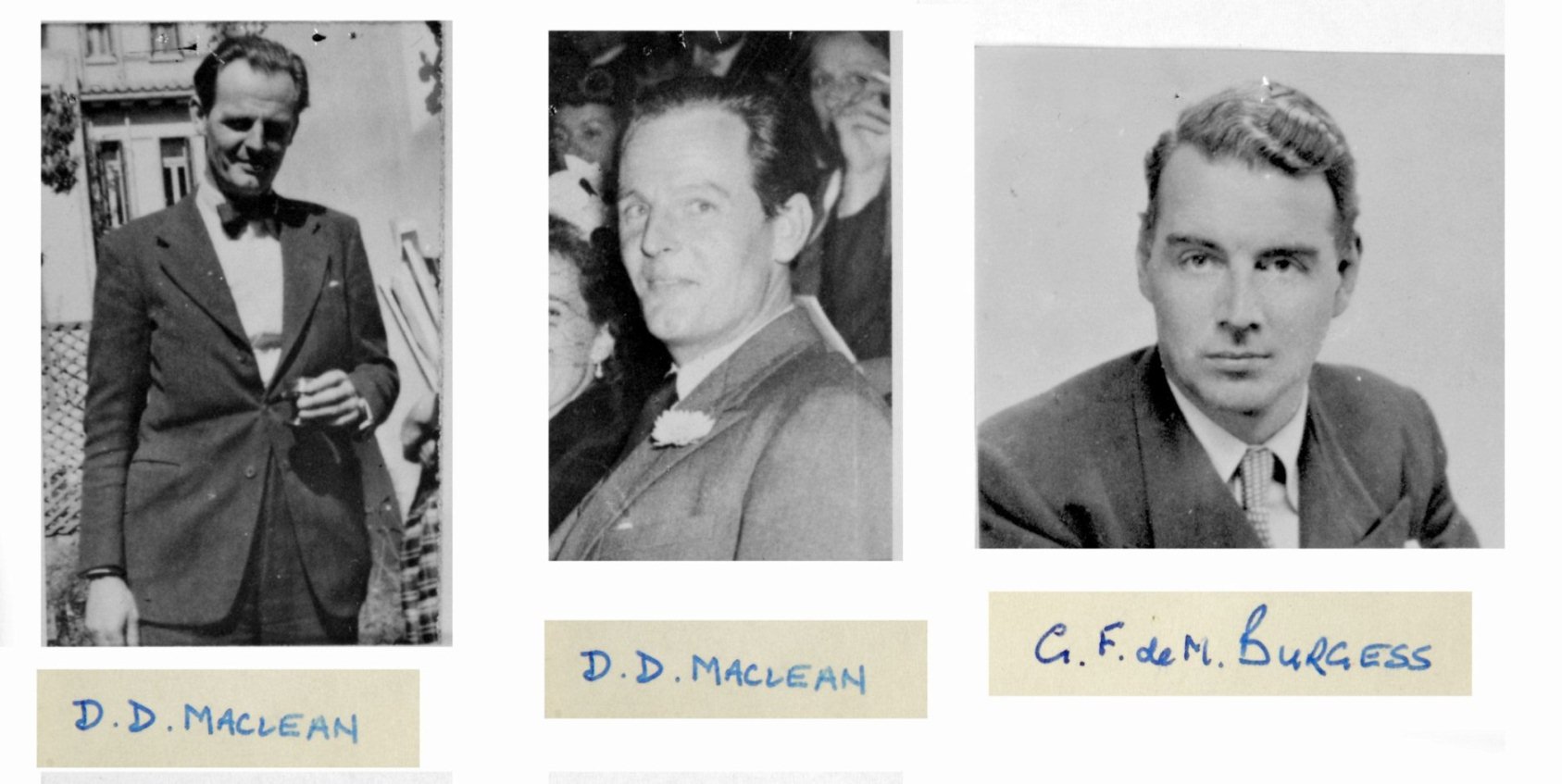
Guy Burgess and Donald Maclean (catalogue reference: FCO 158/6)
Guy Burgess and Donald Maclean (catalogue reference: FCO 158/6). National Archives.

Marc-William Palen
History Department, University of Exeter
Follow on Twitter @MWPalen

From the Enlightenment’s decolonial future to debating the new history of capitalism, here are this week’s top picks in imperial and global history.

Continue reading “This Week’s Top Picks in Imperial & Global History”

This Week’s Top Picks in Imperial & Global History

From the Intercept
From the Intercept.

Marc-William Palen
History Department, University of Exeter
Follow on Twitter @MWPalen

From inside Iran’s revolutionary courts to today’s secret Scramble for Africa, here are this week’s top picks in imperial and global history. Continue reading “This Week’s Top Picks in Imperial & Global History”

This Week’s Top Picks in Imperial & Global History

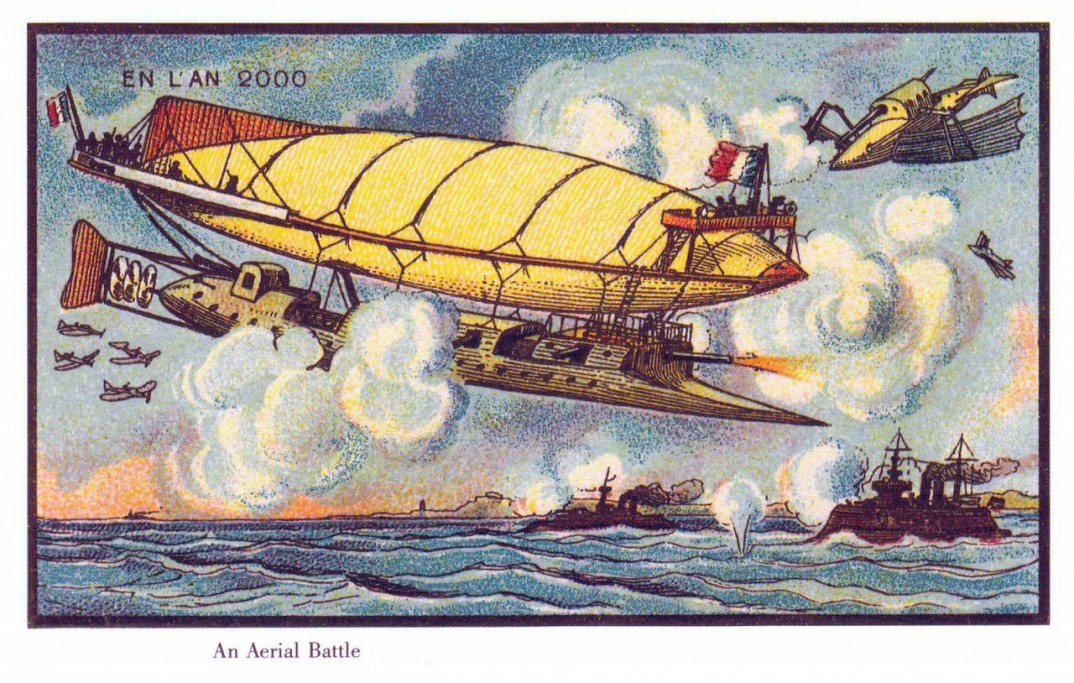
France_in_XXI_Century._Air_battle-1280x814-1074x683
“An Aerial Battle.” What France would look like in the year 2000. Jean-Marc Côté, c. 1900

Marc-William Palen
History Department, University of Exeter
Follow on Twitter @MWPalen

From an imperial view of women’s suffrage to what people in 1900 thought the year 2000 would look like, here are this week’s top picks in imperial and global history. Continue reading “This Week’s Top Picks in Imperial & Global History”