
Marc-William Palen
History Department, University of Exeter
Follow on Twitter @MWPalen
Marc-William Palen
History Department, University of Exeter
Follow on Twitter @MWPalen
Marc-William Palen
History Department, University of Exeter
Follow on Twitter @MWPalen
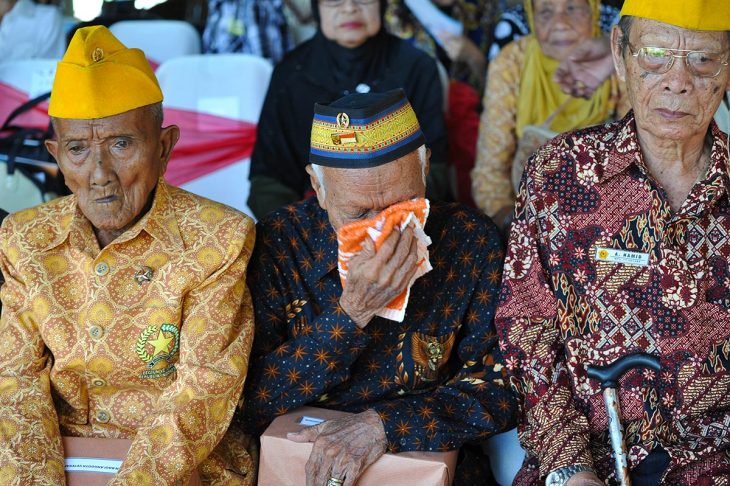
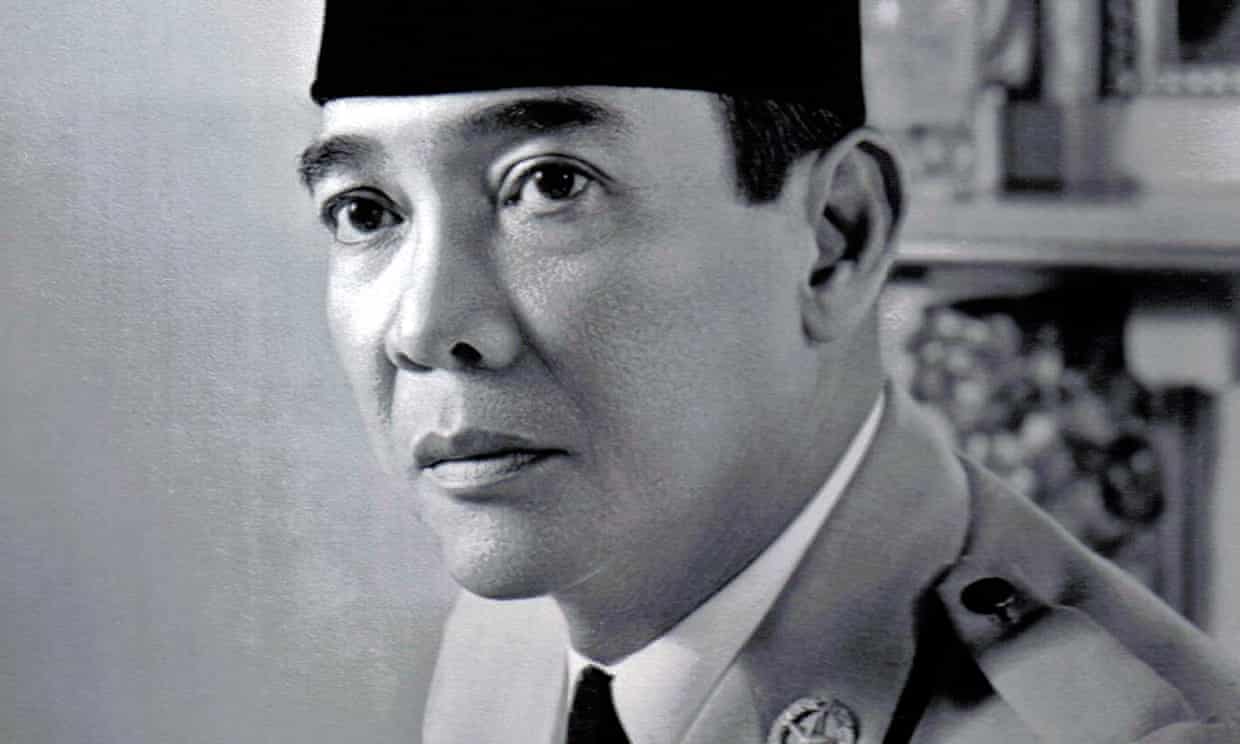
The Dutch continue to widely underestimate their colonial violence of the past. The publication of the hard-hitting conclusions of the Independence, Decolonization, Violence and War in Indonesia 1945-1950-program revealed the Dutch state actively condoning systematic and structural violence during Indonesia’s War for Independence. Discourse management, short-term perspectives and diminished Indonesian perspectives explain how Dutch perpetratorship is still under negotiation in the Netherlands.
On February 17, researchers of the Independence, Decolonization, Violence and War in Indonesia 1945-1950 program (IDVWI) presented their results. They concluded that Dutch armed forces structurally and systematically utilised “extreme violence” to stamp out the Republic of Indonesia that had declared itself independent on 17 August 1945. They added that politicians, civilian and military authorities, including their legal systems, looked away, condoned and silenced colonial violence both in Indonesia and The Hague, the Netherlands’ capital city.
Reactions came fast and furious. Prime minister Mark Rutte apologised to “the people of Indonesia”, but also to Dutch veterans and all the communities violently touched by the war, from 1945 onwards. The displaced Indo-European community feared rehabilitation of those who had forced them from Indonesia. Veterans, in turn, accused researchers of writing about matters they do not understand.
Continue reading “Dutch Colonial Violence and the Missing Voices of Indonesians”
Marc-William Palen
History Department, University of Exeter
Follow on Twitter @MWPalen

Marc-William Palen
History Department, University of Exeter
Follow on Twitter @MWPalen

Marc-William Palen
History Department, University of Exeter
Follow on Twitter @MWPalen
Marc-William Palen
History Department, University of Exeter
Follow on Twitter @MWPalen
Marc-William Palen
History Department, University of Exeter
Follow on Twitter @MWPalen

Giuseppe Paparella
University of Exeter
Follow on Twitter @giuspaparella
Debates over the post-Second World War origins of Sino-American relations continue to inform – and daunt — policymakers and foreign policy experts in their effort to figure out a viable strategy to deal with Beijing. Writing in Foreign Affairs in 2018, Kurt M. Campbell and Ely Ratner – Biden’s National Security Council Indo-Pacific Affairs Coordinator and Assistant Secretary of Defense for Indo-Pacific Security Affairs respectively – branded the Truman Administrations’ various efforts to shape China’s behaviour as a failure. However, in commenting on the article James Curran – an Australian scholar on U.S. foreign policy – noticed that both this piece and the several respondents to it collectively failed “to acknowledge … the pervasive influence of American nationalist mythology on U.S.-China policy over the last seventy years.” In conclusion, Curran noted that “a critical but to date sadly neglected part of that process must surely involve taking a good, hard look at how the myths of American nationalism have influenced the course of U.S.-China policy since 1949.”
My newly published open-access article in The International History Review takes a fresh perspective and contributes to these debates. In it, I argue that between late 1948 and early 1949 Communist China and the United States might have been able to strike a more collaborative relationship had Truman applied more restraint to his nationalist colony image of China – a concept developed in-depth in the article – and been more willing to listen to Dean Acheson and advisors in the Division of Chinese Affairs, who promoted the “Chinese Titoism” strategy.
Continue reading “Losing China: Revisiting American Involvement in China in the Early Cold War“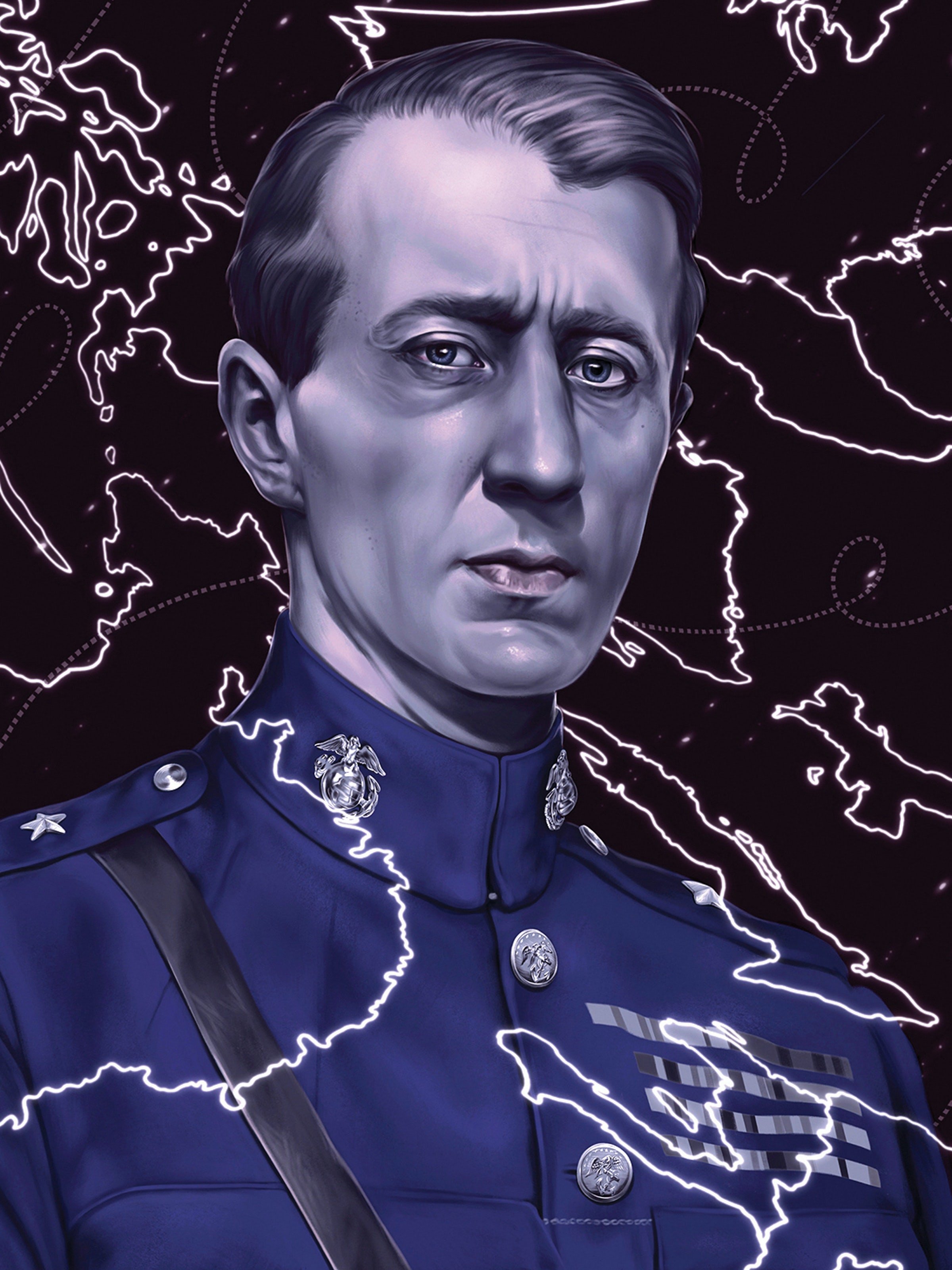
Marc-William Palen
History Department, University of Exeter
Follow on Twitter @MWPalen

Marc-William Palen
History Department, University of Exeter
Follow on Twitter @MWPalen

Supervisors:
Dr Charlotte Lydia Riley, University of Southampton c.l.riley@soton.ac.uk
Dr Stacey Hynd, University of Exeter s.hynd@exeter.ac.uk
Dr Kerrie Holloway, The Overseas Development Institute k.holloway@odi.org.uk
This project contributes to the decolonising of knowledge around overseas aid and development. The Overseas Development Institute (ODI) seeks to explore and understand its own history, having been established as an international development-focused think tank in 1960 during the decolonisation of the British Empire. Sixty years on, the international development sector is ever increasing in size, with its actions highly contested: lauded by some as a crucial source of redistributive justice, but criticised by others as a damaging form of neo-colonialism that perpetuates the very structures of global inequality that it protests. This project will not be an institutional history of ODI, but a critical reappraisal of the foundation, functioning and impact of the institution, using this case study to explore shifting ideas and practices of development, and the racialized structures of power that underpin it.
Continue reading “AHRC SWW DTP Collaborative Doctoral Award Studentship for Sept 2022 entry – The Overseas Development Institute: From Decolonisation to Decolonising”In the newest in CIGH’s ‘Talking Empire‘ series, Professor Richard Toye interviews Dr. Henry Knight Lozano about his book California and Hawai’i Bound: U.S. Settler Colonialism and the Pacific West, 1848-1959, published by the University of Nebraska Press in 2021.
Marc-William Palen
History Department, University of Exeter
Follow on Twitter @MWPalen
Deadline: 5 January 2022
University of Exeter – College of Humanities
Applications are invited for a PhD studentship as part of a Leverhulme funded project examining the role of Parliament in the UK and the settler-colonial ‘British World’ between the 1860s and 1930s, shedding light on the connected debates about democratic governance and political inclusion within a fractious British Empire.
Parliamentary Empire examines the role of Parliament in civic life in the UK and the settler-colonial ‘British World’ between the 1860s and 1930s. By exploring how different groups appealed to values of British parliamentarianism, we shed new light on the connected debates about democratic governance and political inclusion that characterised the emergence of nations within a fractious British Empire.
Continue reading “PhD Studentship – Parliamentary Empire: British Democracy and Settler Colonialism, c.1867-1939 History” Imperial & Global Forum
You must be logged in to post a comment.