
Marc-William Palen
History Department, University of Exeter
Follow on Twitter @MWPalen
Marc-William Palen
History Department, University of Exeter
Follow on Twitter @MWPalen
Megan Raby
University of Texas at Austin
Cross-posted from Not Even Past
At the end of 1960, near Cienfuegos, Cuba, on the Soledad estate of a U.S.-owned sugar company, the American Director and Cuban staff of Harvard’s Atkins Institution began packing up their scientific equipment. The Cuban Revolution had caught up with them. Director Ian Duncan Clement, his wife, Vivian, and lab technician Esperanza Vega worked quickly to put the station’s herbarium, library, and lab “in stand-by condition.” The station’s horticulturalist, Felipe Gonzalez, and his assistants pruned the trees in the station’s arboretum, preparing them “to withstand a period of neglect.”
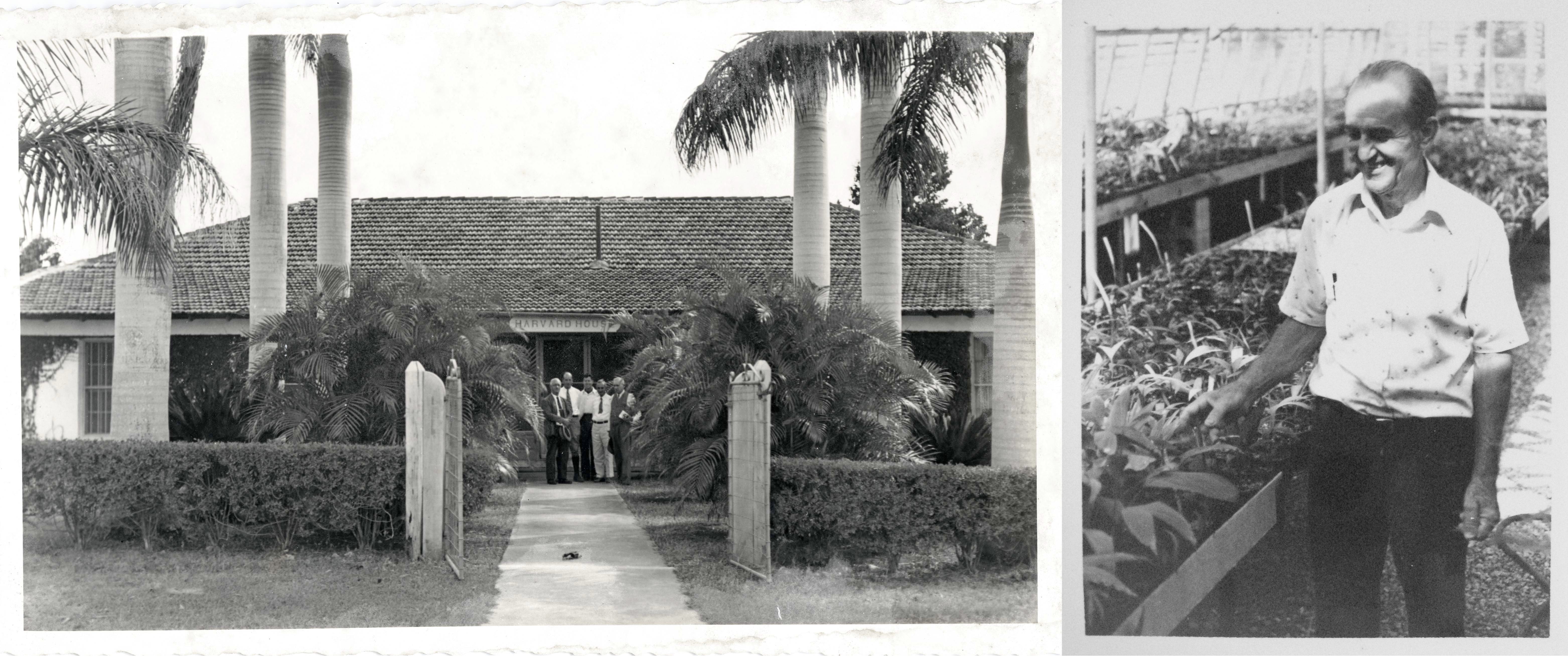
The Atkins Institution had operated as an important field research station for visiting botanists and zoologists since shortly after the 1898 Spanish American War. It had survived difficult times in the past––hurricanes, economic depression, and the Revolution of 1933. Despite the escalation of Fidel Castro’s insurgency, Harvard held its Biology field course there as usual in the summer of 1958. The station remained unscathed even as the front lines of the revolution passed over its grounds later that year. Only when the Soledad estate was nationalized and diplomatic relations between the United States and Cuba disintegrated were the Clements and staff members Vega and Gonzalez forced to leave. They expected to return soon. Continue reading “Enclaves of Science, Outposts of Empire”
Marc-William Palen
History Department, University of Exeter
Follow on Twitter @MWPalen

For those considering postgraduate studies in imperial and global history at the University of Exeter, the Doctoral College is organizing an Open Day on the Streatham Campus on 15 November from 12.45-6.30pm for both PGT and PGR students. The Open Day includes talks on funding for both Masters and PhD students, Exeter’s PGR research environment and facilities, meeting departmental staff, and a drinks reception.
Prospective applicants can find further information and can sign up for the Open Day here.
Marc-William Palen
History Department, University of Exeter
Follow on Twitter @MWPalen
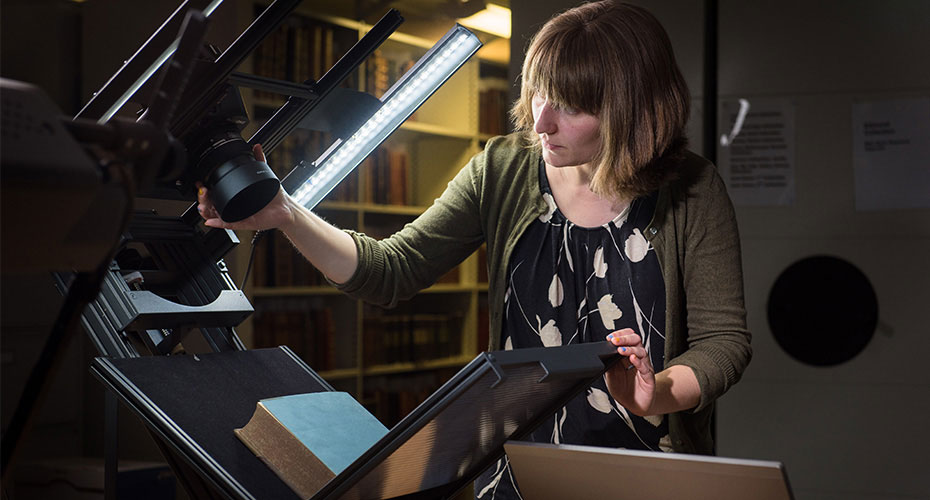
This past week, we’ve had some exciting new developments for the study of imperial and global history at the University of Exeter. Introducing the new Digital Humanities lab!
The University of Exeter’s new £1.2m Digital Humanities lab opened this week. The lab will allow researchers to use high-tech equipment to find out more about our cultural heritage and creative past and share their discoveries with the public. The new facilities confirm the University of Exeter’s position at the forefront of international research into historical and cultural artefacts. Continue reading “Exeter unveils its new £1.2 million Digital Humanities Lab”
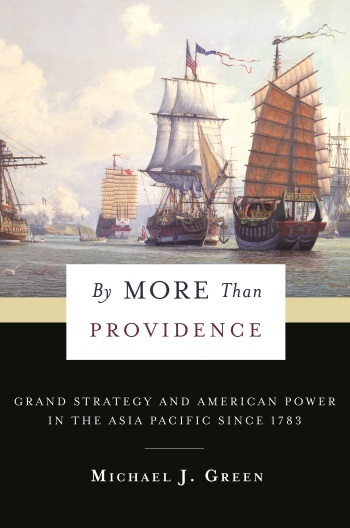
By More than Providence: Grand Strategy and American Power in the Asia Pacific Since 1783. By Michael J. Green. Illustrated. 725 pp. Columbia University Press. $45.
Reviewed by Jonathan R. Hunt (University of Southampton)
Follow on Twitter @JRHunTx
Otto von Bismarck once remarked that the United States was blessed: “The Americans are truly a lucky people. They are bordered to the north and south by weak neighbours and to the east and west by fish.” Thanks to this geographic grace, George Washington could call for freedom from “entangling alliances” in his farewell address. This distance has also bred a strong undercurrent of parochialism and chauvinism in American culture. From these two impulses has emerged the conceptual DNA of American foreign relations in the form of two dichotomies—exemplarism versus interventionism; cosmopolitanism versus exceptionalism—lending form and structure to debates about how a democratic people should manage their affairs in an often unkind, even hostile, world.
In his sweeping and authoritative account of United States grand strategy in the Asia Pacific, Michael J. Green reminds us that Americans have long regarded this maritime expanse – from the Aleutians to Cape Horn in the Western Hemisphere across to Australasia and Sakhalin in the Eastern — as integral to defending their ‘empire of liberty’. Nineteenth-century policymakers from Thomas Jefferson and Matthew C. Perry to Henry Seward and John Hay sought to pry open these watery frontiers to American influence (and conquest) so as to stave off any threats that might overleap the Pacific Ocean. Their twentieth-century successors, Alfred Thayer Mahan and Teddy Roosevelt, George Marshall and Franklin Roosevelt, Dean Acheson and Harry Truman, Henry Kissinger and Richard Nixon, George Shultz and Ronald Reagan, Hillary Clinton and Barack Obama, among others, have fought to keep the Pacific an American lake – for now. Continue reading “Rethinking American Grand Strategy in the Asia Pacific”
Marc-William Palen
History Department, University of Exeter
Follow on Twitter @MWPalen
Tom Harper
University of Surrey
The Sovietologist E.H. Carr once asked “what is history?” in his book of the same name. It is a question that may need to be asked again in light of plans by Oxford University to introduce exams in non-Western history. Such a move is cast against the background of the apparent backlash against the traditional notions of imperial history as symbolised by the protests over the philosophy courses of the School of Oriental and African Studies for focusing on European thinkers at the expense of Asian and African philosophers.
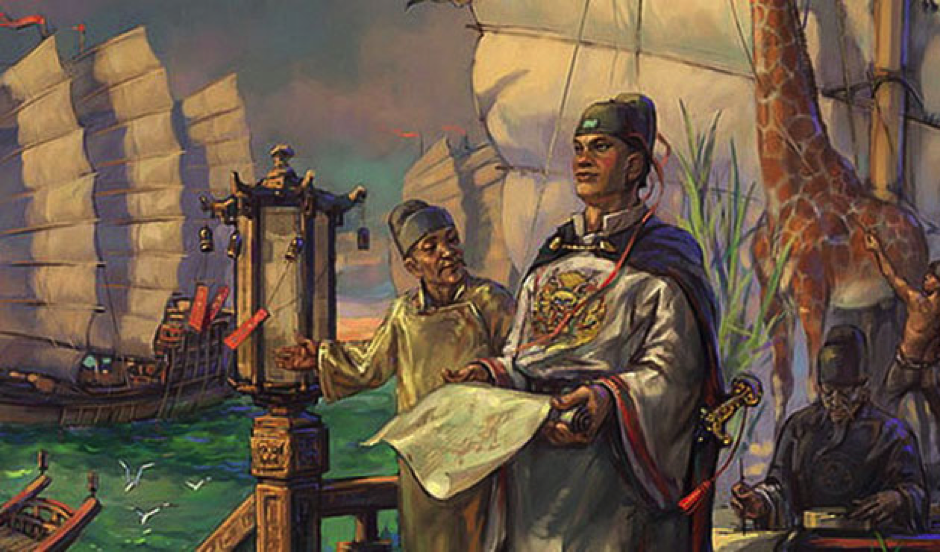
These Oxford initiatives should not be considered as merely simplistic, politically correct gesture politics. Instead, with the rise of the Eastern powers, most notably China, it has become imperative to reconsider the limitations of the current Eurocentric curriculum. As the influence of China grows, so too does its historical experiences with imperialism, as epitomised by Xi Jinping’s utilisation of China’s imperial past as a source of national pride. In order for UK universities to stay afloat in changing waters and to cast off the shackles of their Eurocentrism, they will need to start placing a greater emphasis on Asia – and China, in particular. Continue reading “Why the UK Must Teach More Chinese History”
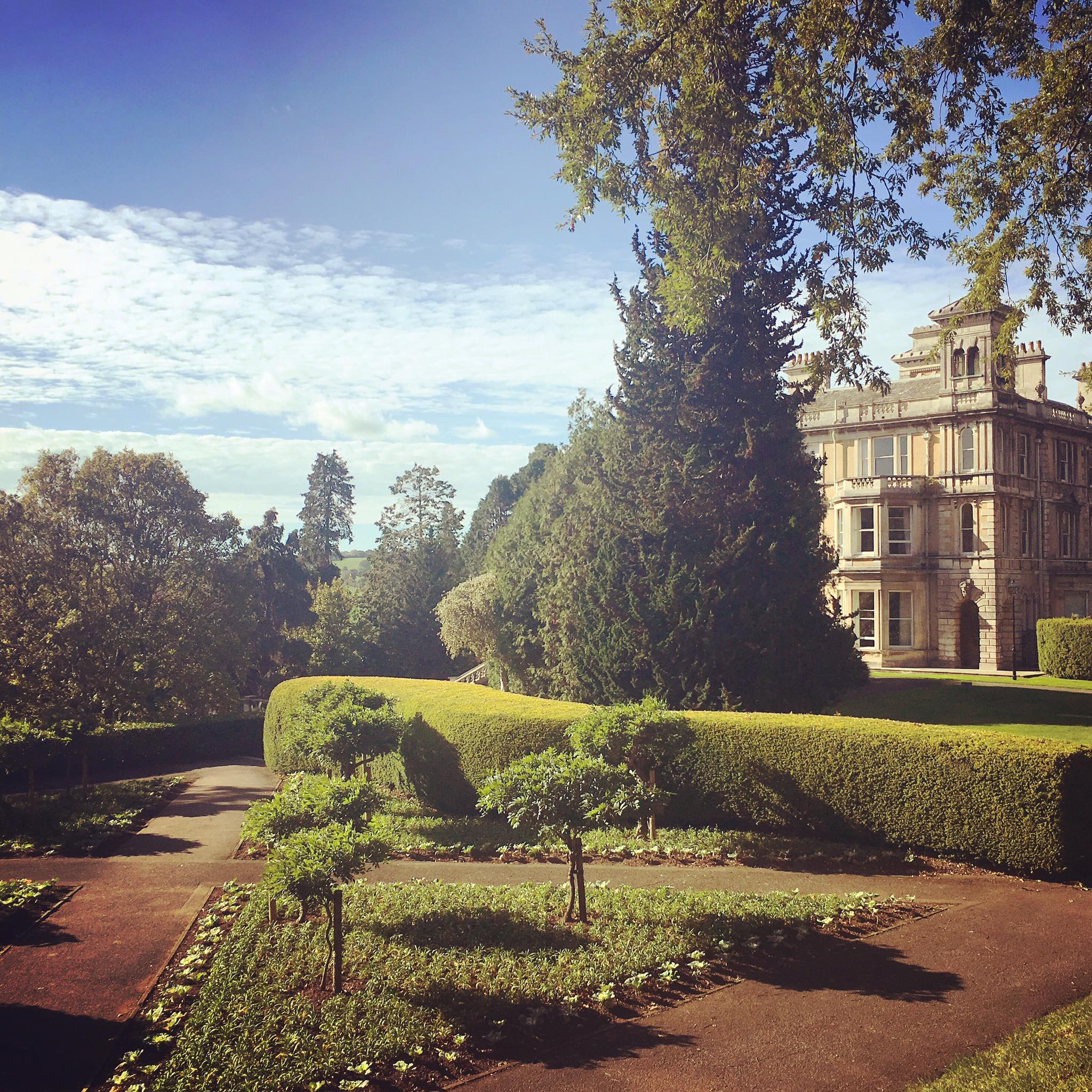
This serves as the Call for Papers for the 2018 Britain and the World Conference, Exeter, June 2018 (#BATW2018).
After our tenth anniversary conference in Austin in April 2017, Britain and the World returns to the UK for 2018: Thursday 21 to Saturday 23 June. It will be at Exeter University: the venue is Reed Hall and accommodation is at the neighbouring Holland Hall, and, as always, the conference is concerned with interactions within the ‘British world’ from the beginning of the seventeenth century to the present and will highlight the importance of transnational perspectives.
The Keynote Speaker will be Professor Richard Overy (Exeter), and the Plenary Speaker is Professor Audrey Horning (Queen’s University Belfast). There’ll be lunchtime roundtables on cinema and history, and on public history. Publishers present will include our journal publisher Edinburgh University Press, and our book series publisher Palgrave Macmillan, and the commissioning editor will be present throughout to discuss your publishing plans.
We accept both individual twenty-minute papers and complete panel submissions. Panels are expected to consist of three papers and should be submitted by one person who is willing to serve as the point of contact. Complete panels should also include a chair. In addition to abstracts for each individual paper, panel submissions should also include a 100-150 word introduction describing the panel’s main theme. The conference does not discriminate between panels and individual paper submissions, nor between graduate students and established academics.
As ever the conference icebreaker will be held on the Thursday evening, the Dinner Party on the Friday, and the outings downtown on the Saturday. These events will provide numerous opportunities for networking and more in the capital of Devon.
Exeter is two hours by direct train from London, and there is a direct National Express bus line from Heathrow Airport. Exeter also has its own international airport, and is one hour by train from Bristol.
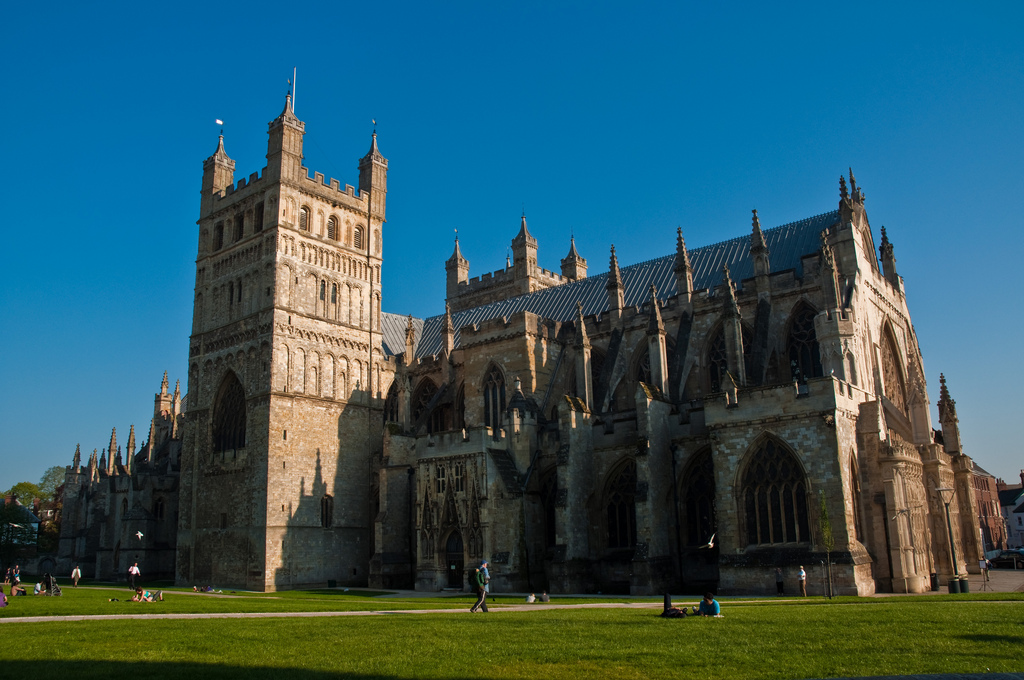
On campus is the Bill Douglas Cinema Museum, home to one of the largest collections in Britain of material relating to film. The University’s special collections are noted for archives relating to twentieth-century South West Writing (and include the papers of Daphne du Maurier), literature and visual culture, Victorian culture and imperial endeavour, Arab and Islamic studies, and religious and parish book collections. In city centre there are Exeter Cathedral and archives, the Devon and Exeter Institute (which houses a large collection of local archival materials), Exeter Castle, and the Royal Albert Memorial Museum (RAMM). Continue reading “Call for Papers – Britain and the World Conference 2018 (Exeter, June 2018) #BATW2018”
Marc-William Palen
History Department, University of Exeter
Follow on Twitter @MWPalen

Gajendra Singh
University of Exeter
Cross-posted from Not Even Past
One of the earliest films to be shot and then screened throughout India were scenes from the Delhi Durbar between 29th December 1902 and 10th January 1903.[1] The Imperial Durbar, created to celebrate the accession of Edward VII as Emperor of India following the death of Victoria, was the most expensive and elaborate act of British Imperial pageantry that had ever been attempted. Nathaniel Curzon, as Viceroy of India, oversaw the construction of a tent city housing 150,000 guests north of Delhi proper and what occurred in Delhi was to be replicated (on a smaller scale) in towns and cities across India.
The purpose of the Durbar was to contrast British modernity with Indian tradition. Europeans at the Durbar were instructed to dress in contemporary styles even when celebrating an older British Imperial past (as with veterans of the ‘Mutiny’). Indians, however, were to wear Oriental (perceptibly Oriental) costumes as motifs of their Otherness. This construction of an exaggerated sense of Imperial difference, and through it Imperial order and Imperial continuity, was significant. It was a statement of the permanence of Empire, of Britain’s Empire being at the vanguard of modernity even as the Empire itself was increasingly anxious about nascent nationalist movements and rocked by perpetual Imperial crises.[2]
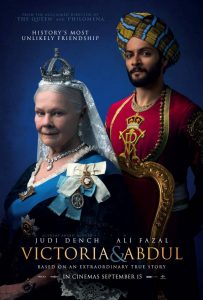 It’s unlikely that Stephen Frears watched these films from 1902 or 1903 upon finalising the screenplay and then shooting Victoria & Abdul. They have only recently been digitized and archived by the British Film Institute.[3] But his recent movie, filmed when most visions of the past are obscured by the myopia of the present, is an unconscious reproduction of films produced and shown when Empire was an idée fixe in the British mind. Abdul Karim, one of several Indians at Victoria’s court during her long reign,[4] is a cypher throughout the film who has no emotion or sentiment or stirring rhetoric except when genuflecting before his Empress – kissing her feet upon their first meeting, stoically holding her hand upon her death, sitting as a sentinel by her statue in Agra into his dotage. Continue reading “Victoria & Abdul: Simulacra & Simulation”
Marc-William Palen
History Department, University of Exeter
Follow on Twitter @MWPalen
Cross-posted from the Washington Post
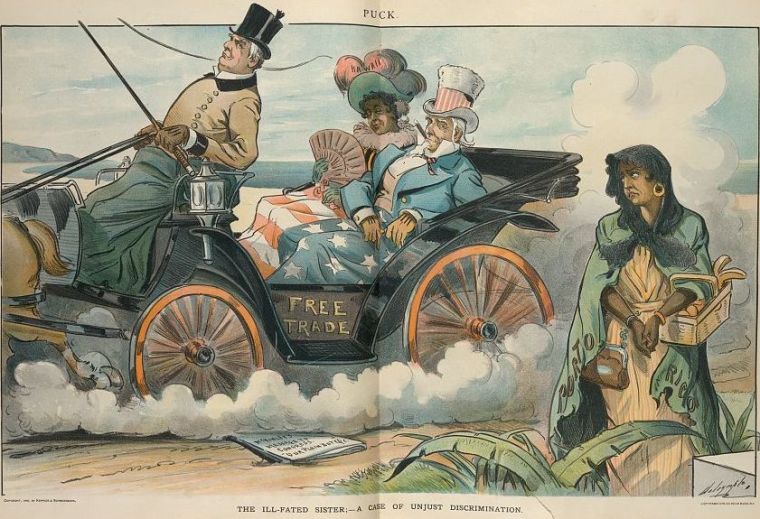
The tragedy befalling Puerto Rico after Hurricane Maria — beholden as it is to the dictates of Washington — stems directly from the territory’s subordinate political status. This was highlighted again last week when Carmen Yulín Cruz, mayor of the territory’s largest city, made a desperate appeal to President Trump “to save us from dying.” The mayor’s plea provoked only scorn from the president, who took time out from working on his golf stroke in New Jersey to lash out at her on Twitter for her “poor leadership.”
Trump’s callous response only underscores Puerto Rico’s precarious position within the U.S. body politic; nearly half of Americans today don’t even know that Puerto Ricans are U.S. citizens. This combination of apathy and amnesia is symptomatic of more than a century of absent-minded imperialism, stretching back to when Puerto Rico became a U.S. colony.
The decision made in the late 19th century to make Puerto Rico a colony without the full political equality of statehood is now crippling the island’s ability to recover from Maria. The Trump administration’s initial enforcement of the Jones Act, which restricts foreign ships from entering Puerto Rican ports, and the indifference of many Americans toward the plight of Puerto Ricans were born out of this nearly forgotten turn-of-the-century imperial decision. Americans must reconcile and rectify their imperial legacy, or Puerto Rico will continue to suffer.
Puerto Rico was among a handful of colonies acquired by the United States in the wake of the Spanish-American War in 1898. Almost immediately, members of Congress began to debate what to do with America’s new possession, with little concern for what Puerto Ricans themselves wanted. The main question: Would the United States treat Puerto Rico as it would a state, or would it treat it like a foreign country?
One issue overrode all others in determining the result of that debate: free trade. For Republican protectionists back then, as with Donald Trump now, free trade was seen as a conspiracy of foreign interests to undermine U.S. industries. Paranoid, protectionist Republicans not only decided that Puerto Rico should be prohibited from trading freely with the rest of the world, they initially didn’t even want it to trade freely with the rest of the United States. [continue reading at the Washington Post]
Marc-William Palen
History Department, University of Exeter
Follow on Twitter @MWPalen
Continue reading “This Week’s Top Picks in Imperial & Global History”
We have a great lineup this term for the Centre for Imperial & Global History’s weekly seminar series. Mark your calendars!
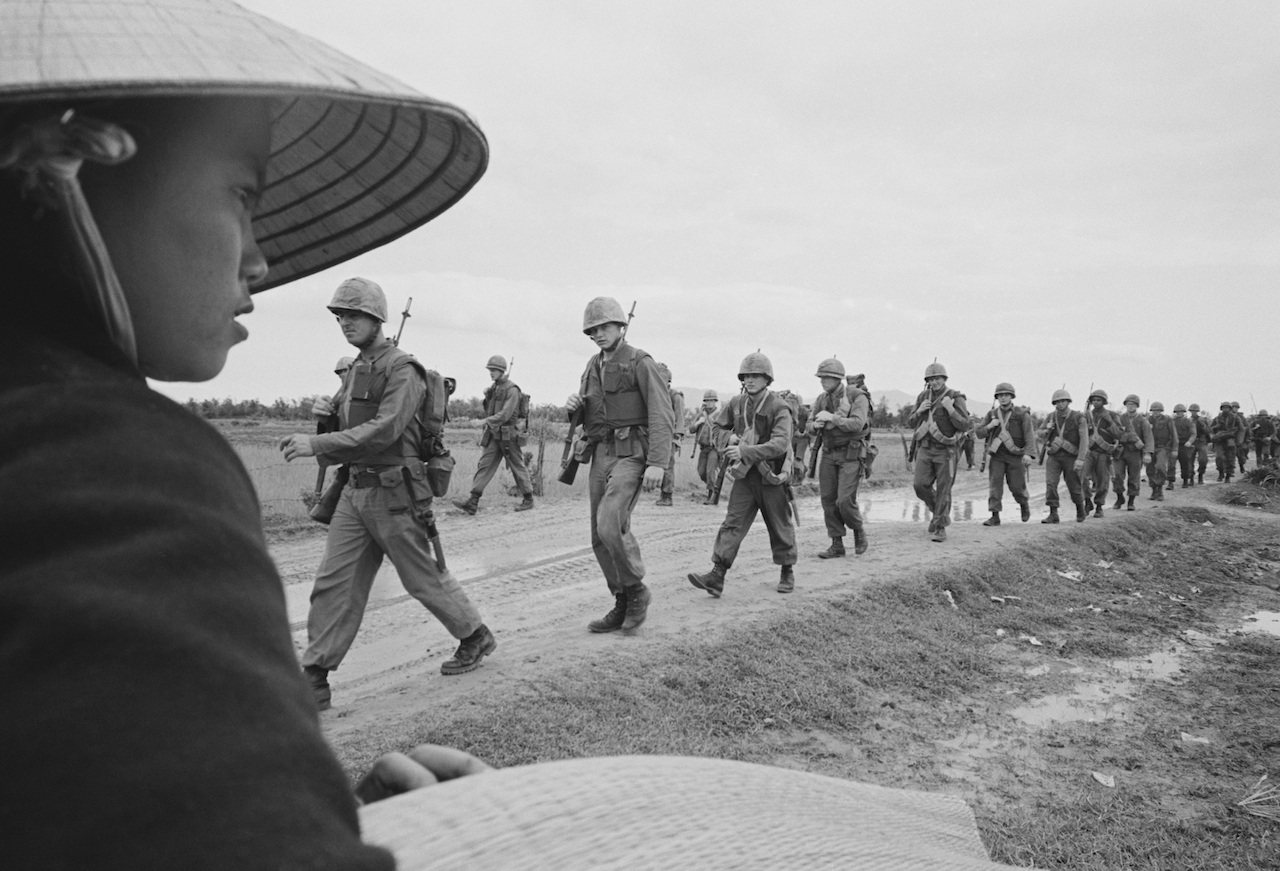
Kicking things off this afternoon is Professor Martin Thomas on ‘Between Dien Bien Phu and Geneva: How the Vietminh lost the war they won’.
Should you have any queries, please contact the seminar coordinator, Dr. Emily Bridger.
|
Date |
Event |
|
27 September |
Welcome Event Martin Thomas (Exeter), ‘Between Dien Bien Phu and Geneva: How the Vietminh lost the war they won’ |
|
11 October |
Linda Bryder (University of Auckland), ‘The mobilisation of mothers: 1917 National Baby Week’ |
|
25 October |
Rachel Pistol (Exeter), ‘Second World War Internment and its Aftermath – Comparing Internee Experiences in the UK and the USA’ |
|
8 November |
Ollie Owen (Oxford), ‘Burma Boys in war and peace: Transformational experiences of Nigerian soldiers in World War II’ |
|
22 November |
Ghee Bowman (Exeter), ‘“No Pakis at Dunkirk”: Force K6 of the Indian Army in Europe, 1939-1945’ |
|
6 December |
Miguel Hernandez (Exeter), ‘“The Menace of Modern Immigration”: Nativism and the Ku Klux Klan in 1920s America’ |
 Imperial & Global Forum
You must be logged in to post a comment.