
Marc-William Palen
History Department, University of Exeter
Follow on Twitter @MWPalen
Marc-William Palen
History Department, University of Exeter
Follow on Twitter @MWPalen
Marc-William Palen
History Department, University of Exeter
Follow on Twitter @MWPalen
Marc-William Palen
History Department, University of Exeter
Follow on Twitter @MWPalen
Marc-William Palen
History Department, University of Exeter
Follow on Twitter @MWPalen
Marc-William Palen
History Department, University of Exeter
Follow on Twitter @MWPalen

Dr Julia Irwin (USF) and Dr Marc-William Palen (Exeter)
The pandemic has raised important questions and challenges for historical research in both domestic and international archives, which graduate students of history feel particularly keenly. Stemming from this, we held an intensive one-week research workshop May 24-28 designed to assist graduate students at USF and Exeter in overcoming pandemic-related obstacles to archival research.
Participants joined in virtually from Austria, Italy, Germany, Exeter, and Tampa, FL. In addition to learning digital research strategies, this workshop provided students with an opportunity to participate in a virtual global exchange and to learn from renowned experts in their fields. At the end of the week, students who completed this workshop came away knowing: about the existence of many digital archives they can use for their research; how to think critically about these archives and their creation; how to navigate both online and in-person archives; and about the politics associated with funding and preserving the past. In consultation with Drs Irwin and Palen, students also developed concrete individualized research plans for their MA theses and PhD dissertations.
This workshop was supported by generous funding from USF World, the USF History Department, and Exeter’s College of Humanities and Global Partnerships.
Convenors: Dr Julia Irwin (USF) and Dr Marc-William Palen (Exeter)
USF Graduate Student Participants: Patrick Horan; Tamala Malerk; Scott Miller; Alexander Obermueller; Sophia Paschero; Paula Peck; Doug Ponticos; Alaina Scapicchio; Ashley Wessel
Exeter Graduate Student Participants: Ken Clayton; Maria Teresa Marangoni; Iona Ramsay; Marlen von Reith
Speakers: Dr Richard Ward (Exeter); Dr Stacey Hynd (Exeter); Dr Darcie Fontaine (USF); Dr Bob Nicholson (Edge Hill, UK); Dr Matthew Connelly (Columbia University, NYC); Richard Immerman (Temple University, Philadelphia)
Marc-William Palen
History Department, University of Exeter
Follow on Twitter @MWPalen
Marc-William Palen
History Department, University of Exeter
Follow on Twitter @MWPalen
Marc-William Palen
History Department, University of Exeter
Follow on Twitter @MWPalen
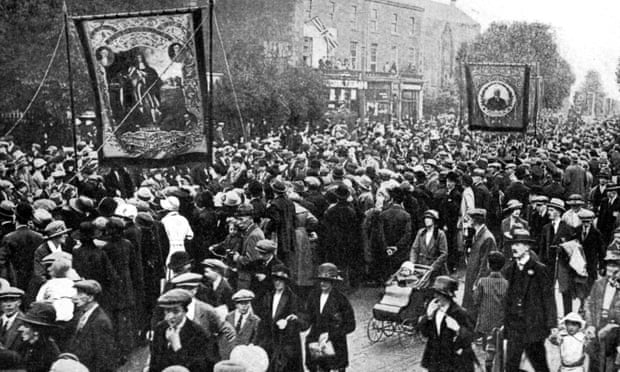
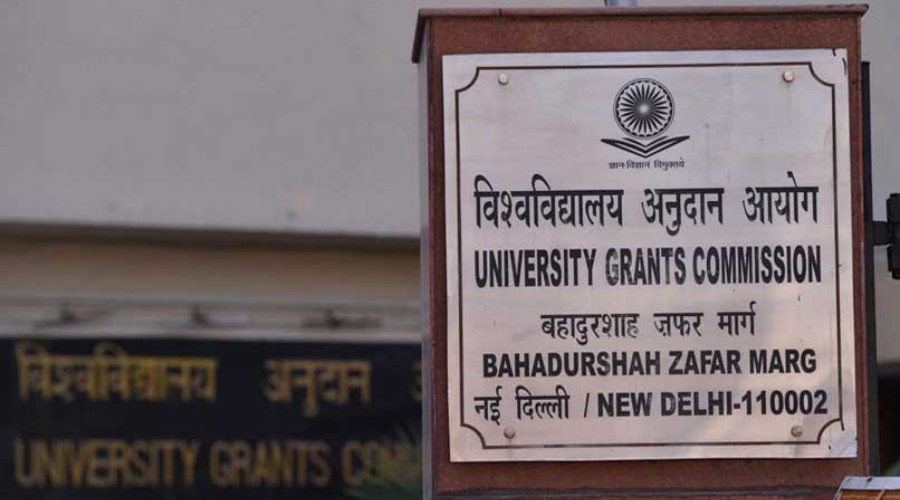
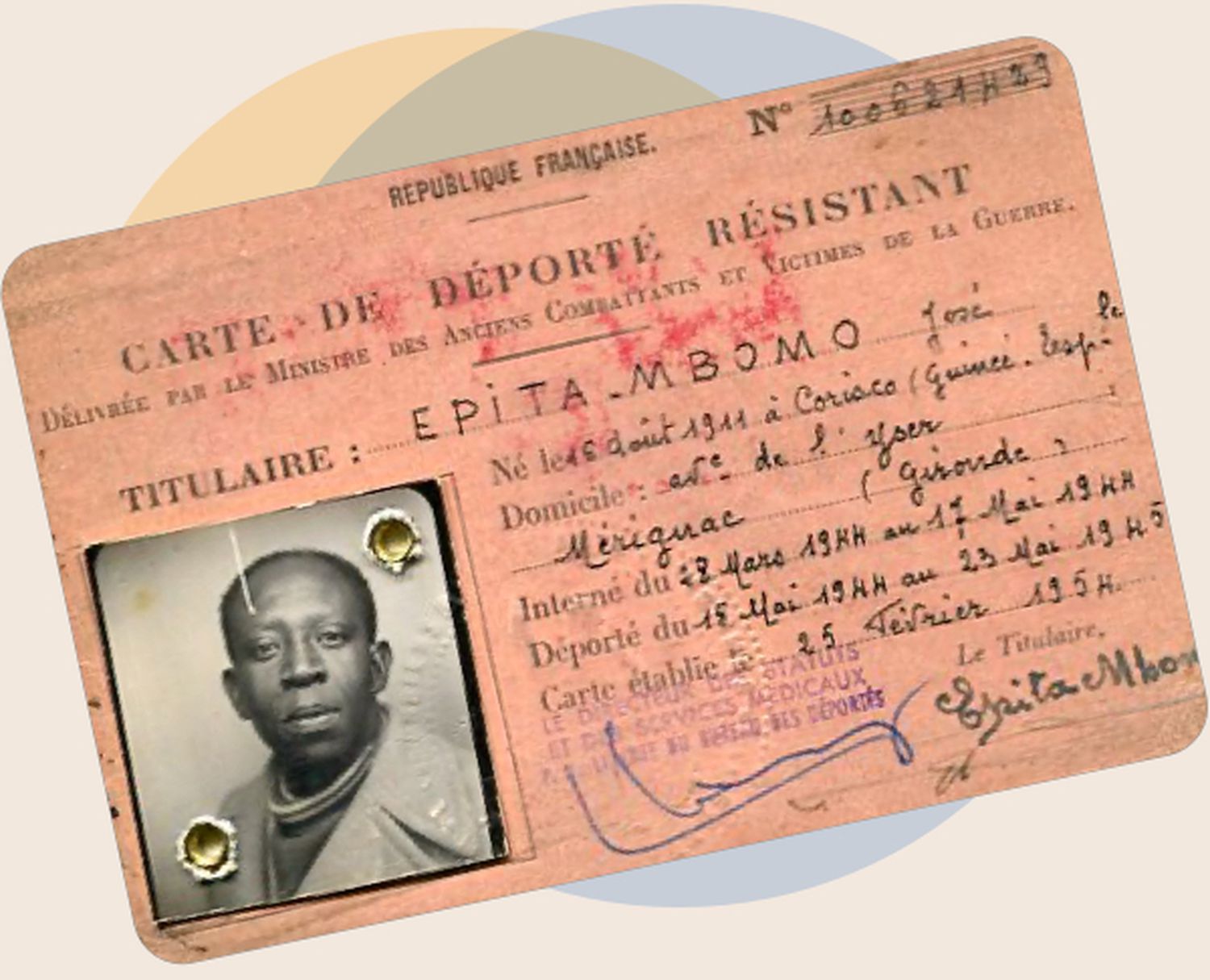
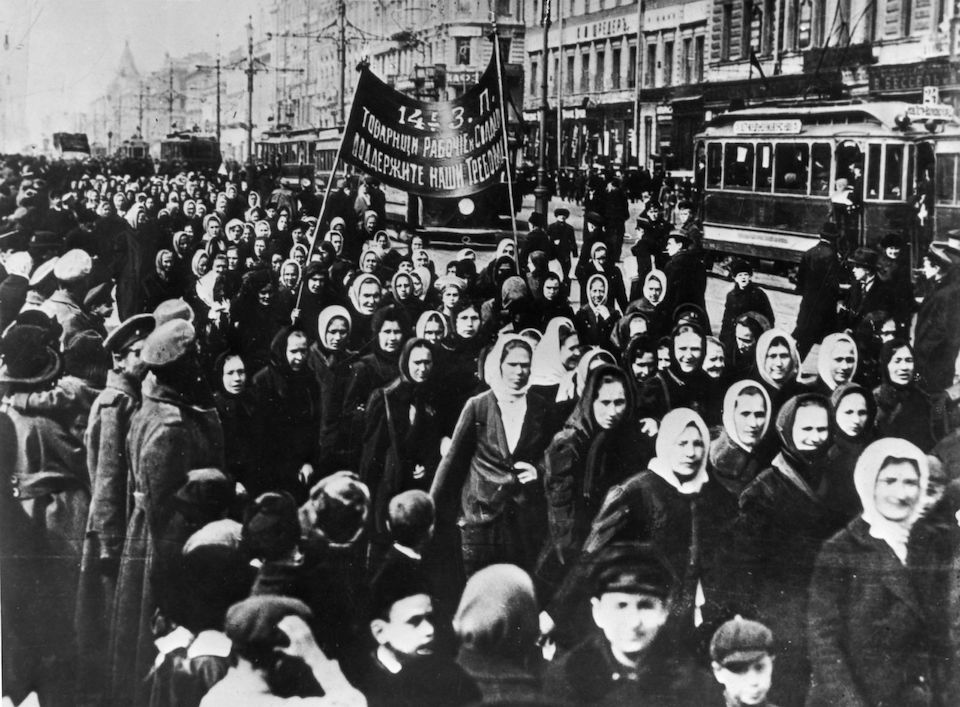
From opening secret Northern Ireland files to undoing the myth of Australia’s peaceful settlement, here are this week’s top picks in imperial and global history.
Continue reading “This Week’s Top Picks in Imperial & Global History”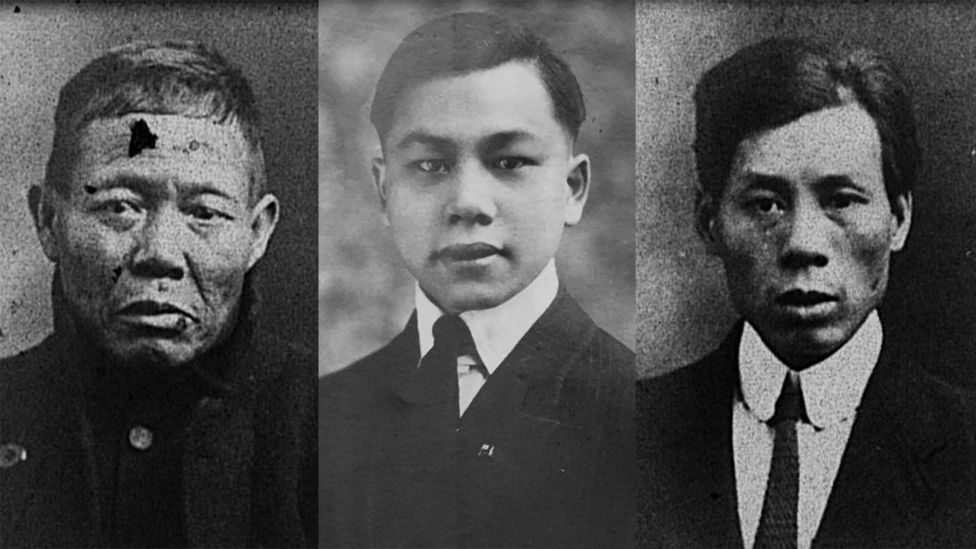
Marc-William Palen
History Department, University of Exeter
Follow on Twitter @MWPalen
Marc-William Palen
History Department, University of Exeter
Follow on Twitter @MWPalen
Marc-William Palen
History Department, University of Exeter
Follow on Twitter @MWPalen
Marc-William Palen
History Department, University of Exeter
Follow on Twitter @MWPalen
Marc-William Palen
History Department, University of Exeter
Follow on Twitter @MWPalen
[The following has been adapted from Marc-William Palen, “Marx and Manchester: The Evolution of the Socialist Internationalist Free-Trade Tradition, c1846-1946,” International History Review 43 (March 2021): 381-398.]
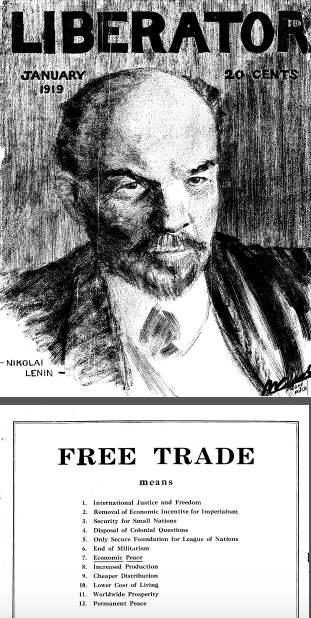
Free trade, or Freihandel, was a hot-button issue at the German Social Democratic Party (SPD) Congress held in Stuttgart in 1898, most notably because of the policy’s numerous advocates. SPD leader Karl Kautsky kicked things off with a resolution denouncing protectionism for counteracting ‘international solidarity.’ Luise Zietz, a German feminist and head of the SPD women’s movement, seconded Kautsky’s call: ‘We have to adopt a principled stance, and that is in favor of free trade and against protective tariffs.’ August Bebel, SPD chairman and longtime pacifist, followed up on Kautsky and Zietz’s free-trade endorsements, and the congress adopted a qualified resolution along these lines. Free trade would receive an even stronger SPD endorsement in 1900 because ‘free international exchange is . . . before all, a working-class question,’ German Marxist revisionist Eduard Bernstein explained in a subsequent letter to London’s 1908 International Free Trade Congress.[1] Their efforts were part of a rich socialist free-trade tradition that began germinating when Friedrich Engels and Karl Marx migrated to Britain in the 1840s, just as the island-nation was embracing free trade as both policy and ideology. The same British free-trade embrace was also giving rise at this time to the Manchester School (Manchester liberalism, Cobdenism), an economic ideology that tied international trade liberalization together with cheap food, democratization, anti-imperialism, and peace – a cosmopolitan concoction that socialist internationalists increasingly imbibed by the turn of the century.[2]
Recovering the free-trade dimensions of socialist internationalism, and the pacific influence of Britain’s Manchester School upon it, upends the commonly held assumption that socialists the world over have supported nationalism and protectionism amid their collectivist opposition to free-market capitalism.[3] Doing so also provides a much-needed prehistory to the growing body of literature on ‘socialist globalization’. This scholarship has focused primarily on socialist attempts to deepen regional and global interdependence through market integration and supranational governance amid the Manichean ideological divide of the Cold War.[4] By contrast, earlier attempts have received far less attention, and the role of free trade within the socialist internationalist tradition less still. As a partial corrective, this article traces the evolution of socialist internationalist support for free trade across the century before the Cold War, wherein the cosmopolitan subscription to free trade increasingly made strange bedfellows among those capitalists and socialists seeking a more interdependent and peaceful world order. Continue reading “Recovering the Socialist Free-Trade Tradition”
Marc-William Palen
History Department, University of Exeter
Follow on Twitter @MWPalen
 Imperial & Global Forum
You must be logged in to post a comment.