
Marc-William Palen
History Department, University of Exeter
Marc-William Palen
History Department, University of Exeter
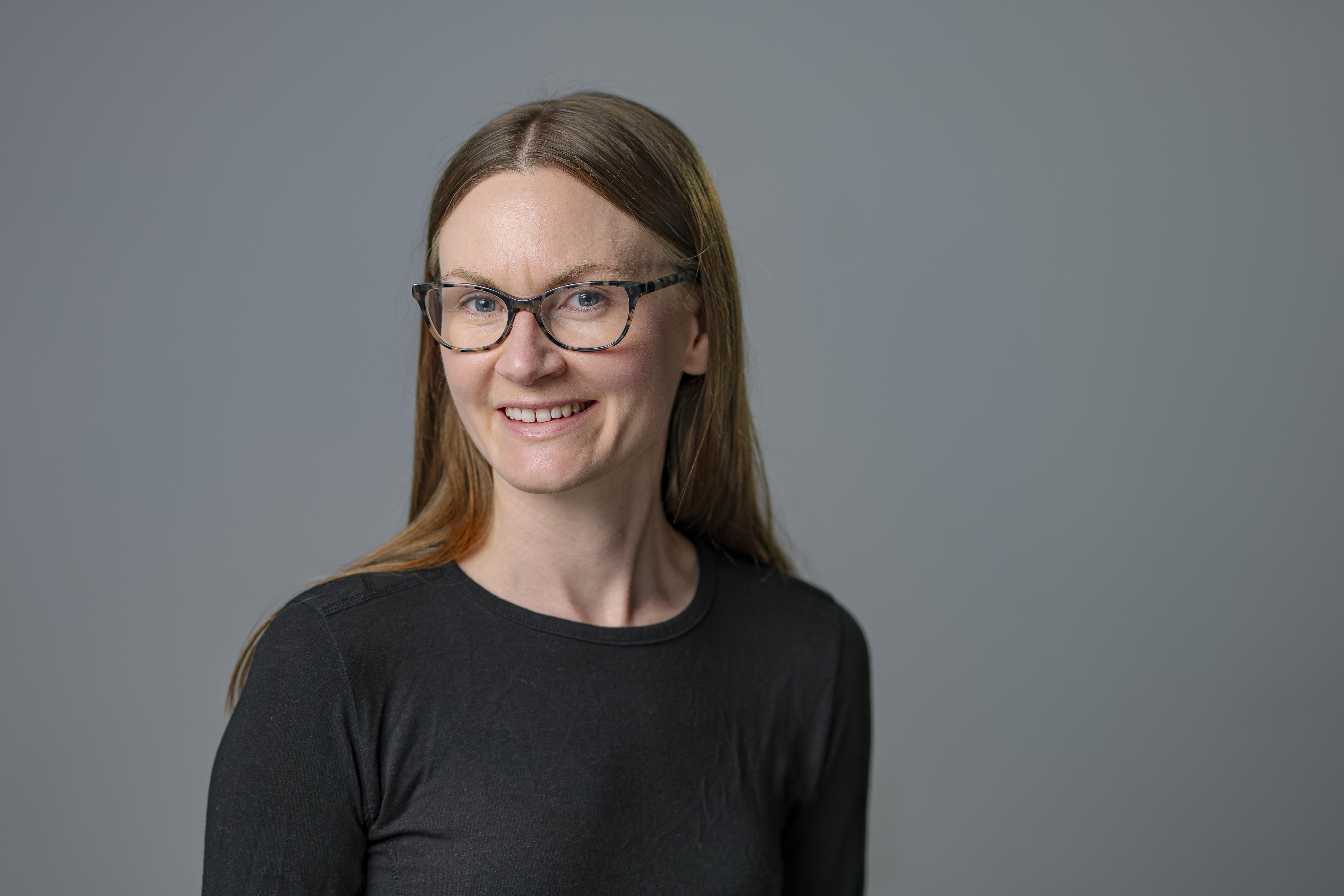
Rebecca Williams
Co-Director, CIGH, University of Exeter
Hello, I’m Dr. Rebecca Williams, Co-Director of the Centre for Imperial and Global History here at Exeter. I’m delighted to connect with scholars who are passionate about exploring the complex histories of medicine, health, and international development. My research focuses primarily on the history of health and medicine, particularly surrounding population, reproduction, and women’s health in modern South Asia, as well as the broader historical frameworks of international development that touch upon health, environmental concerns, and democracy.
Currently, I’m engaged in two significant research projects that shed light on these themes. My first project, which will result in a monograph tentatively titled Controlling Population, examines how India became the world’s test-case for state-led population control after independence. Through the Khanna Study—a pivotal family planning experiment in 1950s-60s Punjab—I explore why India became a laboratory for both transnational organizations and the Indian government’s ambitions in population control.
Continue reading “Introducing Dr. Rebecca Williams, Co-Director of the Centre for Imperial and Global History at Exeter”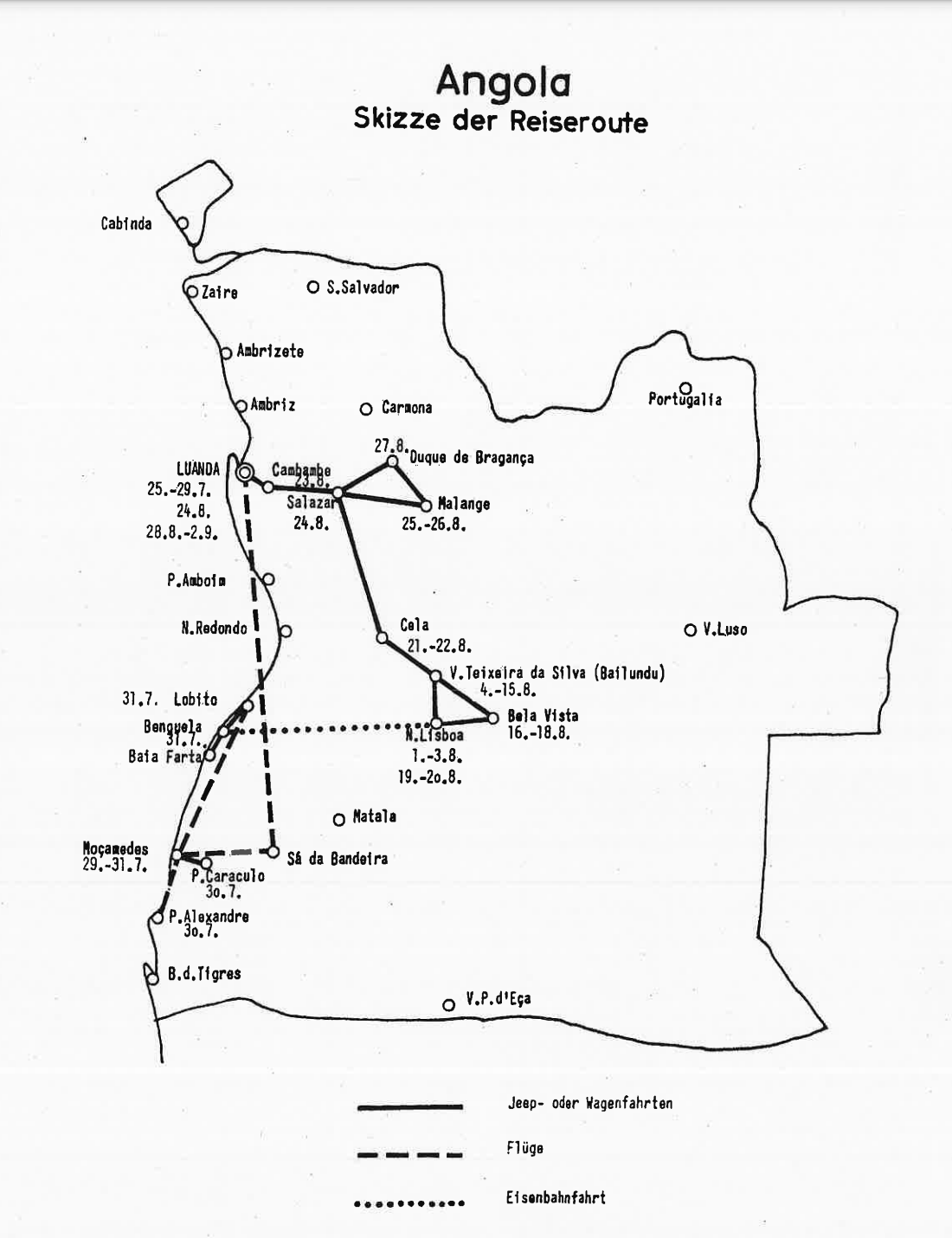
Andreas Stucki
University of Bern
Nearly eighty years after World War II, research into the connections between Nazism, colonialism, and international development remains an underexplored area despite considerable scholarship on the complex history of development after 1945. Continued involvement of colonial development experts and bureaucrats in African late colonial states highlights how German practitioners with Nazi ties moved into new roles in imperial and international development after the Second World War.
This begs the question: to what extent might Nazi ideologies and practices have shaped postwar global development efforts?
Continue reading “Uncovering Uncomfortable Histories: The Legacy of Nazi Connections and Colonialism in International Development”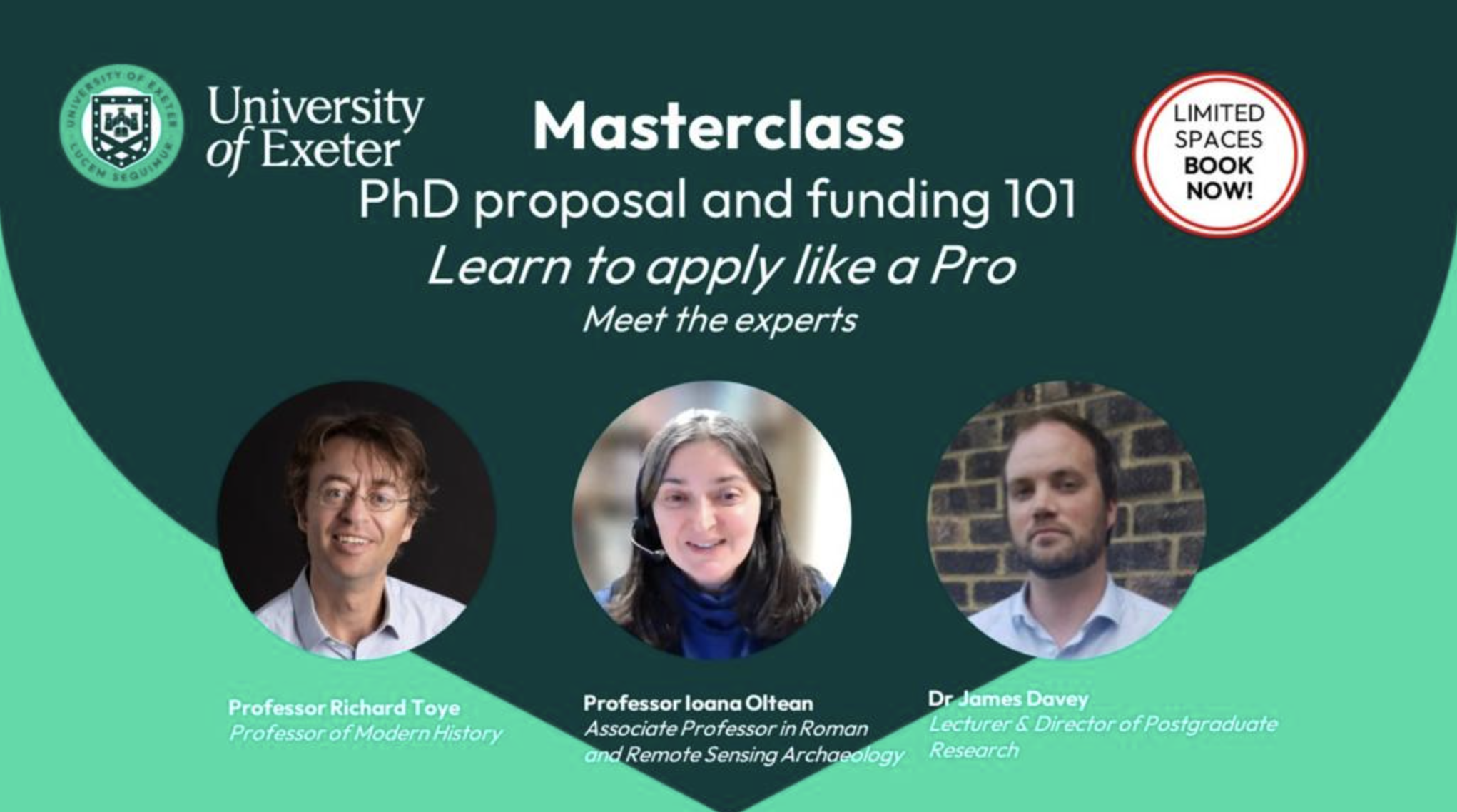
Interested in pursuing a PhD in Archaeology or History at the University of Exeter?
Then be sure to check out these new funding opportunities and free masterclasses for writing a strong proposal.
AHRC South, West and Wales Doctoral Training Partnership (SWWDTP)
Marc-William Palen
History Department, University of Exeter
Ghee Bowman
University of Exeter
I recently watched a great documentary on Channel 4, called ‘The Soldiers that Saved Britain’, made by British journalist Mobeen Azhar.
Mobeen went on a mission to uncover his grandfather’s experience in the Second World War, visiting battlegrounds and archives.
It was fascinating to see his personal journey, struggling with the conundrum of why his grandfather volunteered to serve the colonial power.

As one of the advisors for the programme, I was glad that my research has helped to publicize the South Asian contribution and help people Mobeen to find the truth.
I am left with a big question: how many are there like Mobeen in the world?
Continue reading “Ten million like Mobeen?”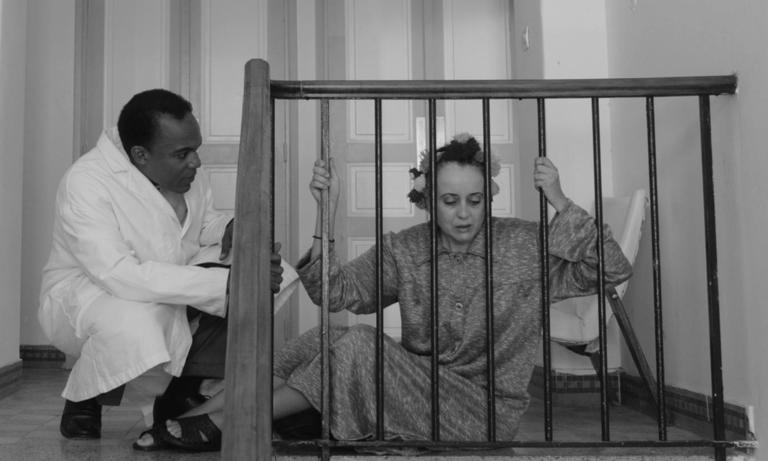
Marc-William Palen
History Department, University of Exeter
June 30 – July 4, 2025
Call for applications: December 2, 2024 – March 2, 2025
Cross-posted from Venice International University
This course focuses on the growing interdisciplinary field of Linguistic Landscapes (LL), which traditionally analyses “language of public road signs, advertising billboards, street names, place names, commercial shop signs, and public signs on government buildings”, as they usually occur in urban spaces.
More recently, LL research has evolved beyond studying only verbal signs into the realm of semiotics, thus extending the analytical scope into the multimodal domain of images, sounds, drawings, movements, visuals, graffiti, tattoos, colours, smells as well as people.
Students will be informed about multiple aspects of modern LL research including an overview of different types of signs, their formal features as well as their functions.
Faculty
Kurt Feyaerts, KU Leuven (Coordinator)
Richard Toye, University of Exeter (Coordinator)
Matteo Basso, Iuav University of Venice
Geert Brône, KU Leuven
Claire Holleran, University of Exeter
Eliana Maestri, University of Exeter
Michela Maguolo, Independent researcher
Luca Pes, Venice International University
Paul Sambre, KU Leuven
Marc-William Palen
History Department, University of Exeter
Richard Toye
University of Exeter
This post is based on a paper delivered at the recent CIGH workshop on ‘New Approaches to Imperial and Post-Imperial Politics’.
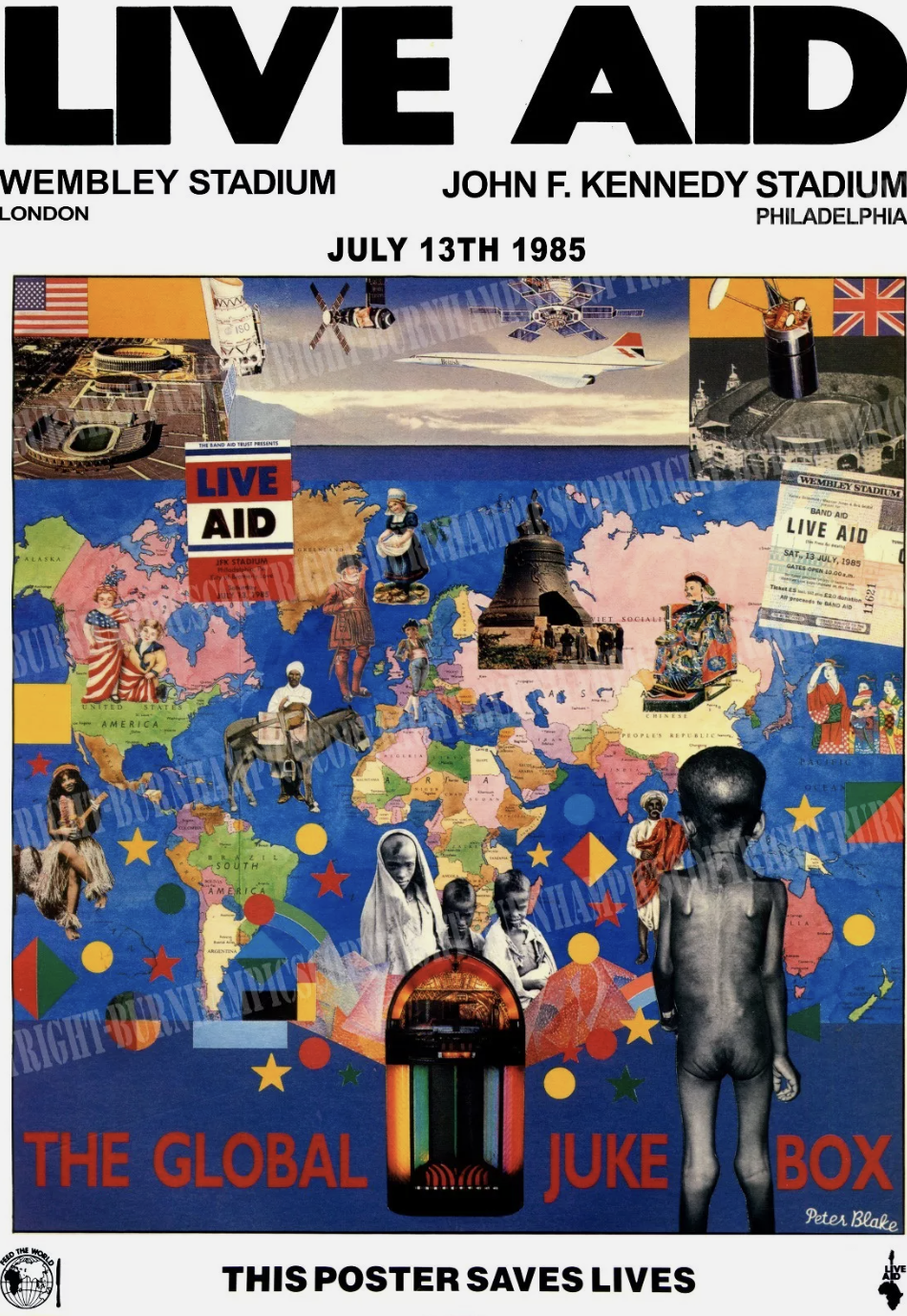
The origins of this post lie in some photographic contact sheets I discovered in the Oxfam Archive at the Bodleian Library, dating back to 1985. These captured a significant mass lobby against world poverty that took place that year. What immediately caught my eye was the slogan “Hungry for Change,” a rallying cry from the 1980s, which brought back memories of my own experiences as a teenage volunteer in an Oxfam shop in Brighton.
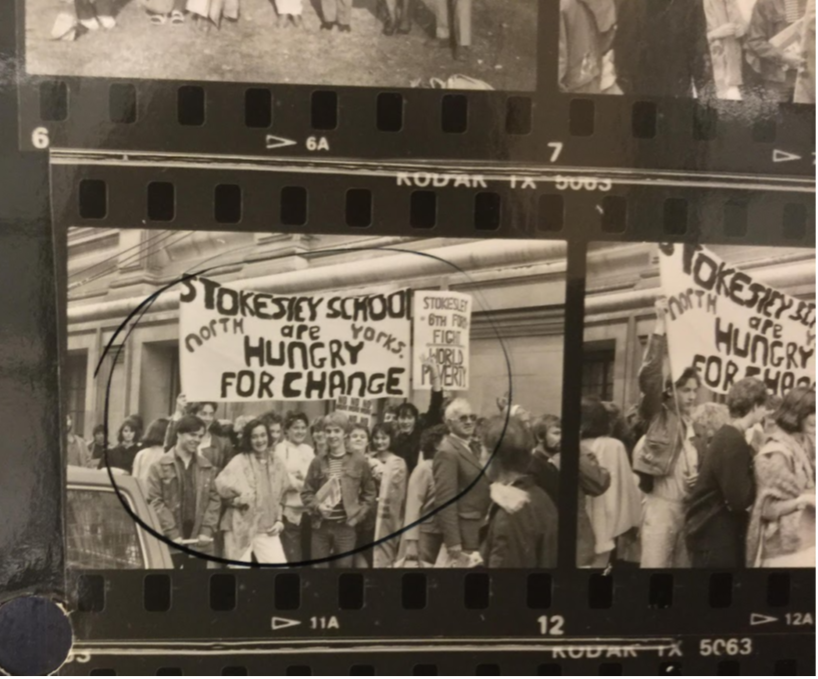
Not only did the mass lobby involve school children traveling all the way from North Yorkshire and other far-flung places to participate, but the photos also underscored the fact that someone, likely Oxfam itself, found it worthwhile to document the event by hiring a photographer. The day’s activities were intended not merely as a protest but as an “image-event”.
But the research I’ve done on this topic isn’t just about this one exciting day. It’s about a broader phenomenon of political activism during the 1980s, focusing on the mass lobbying efforts around aid, humanitarianism, and the struggle against poverty. This era was marked by well-organized efforts by NGOs, churches, and concerned citizens who sought to challenge the dominant policies of the time.
Continue reading ““Anytown Joins Lobby For Fairer Deal For World’s Poor”: Mass Lobbies Against World Poverty in Thatcher’s Britain”
Marc-William Palen
History Department, University of Exeter
Marc-William Palen
History Department, University of Exeter
Cross-posted from History Matters
A fragmenting world of trade wars. Food insecurity despite an abundance of food. European food wars. A broken Brexit Britain undermining European unity. The resurgence of right-wing nationalism. Human rights under attack. Children starving from wartime blockades.
The world disorder of 2024 would have looked all too familiar to the international women’s peace movement of a century ago.
Feminists back then tended to see themselves as the mothers of the world, believing that women’s active participation in politics would curb or counter men’s militant predilection for nationalism and war. ‘First wave’ feminist internationalists numbered among the leaders of the early-20th-century fight for world peace, what Harriet Alonso has described as “the suffragist wing” of the international peace movement from the First World War onwards.
Free trade was a key – but oft-overlooked – ingredient to their feminist vision for a peaceful world. Chicago social reformer Jane Addams, the figurehead of the international women’s peace movement, emphasized this free-trade dimension throughout the 1920s and 1930s.
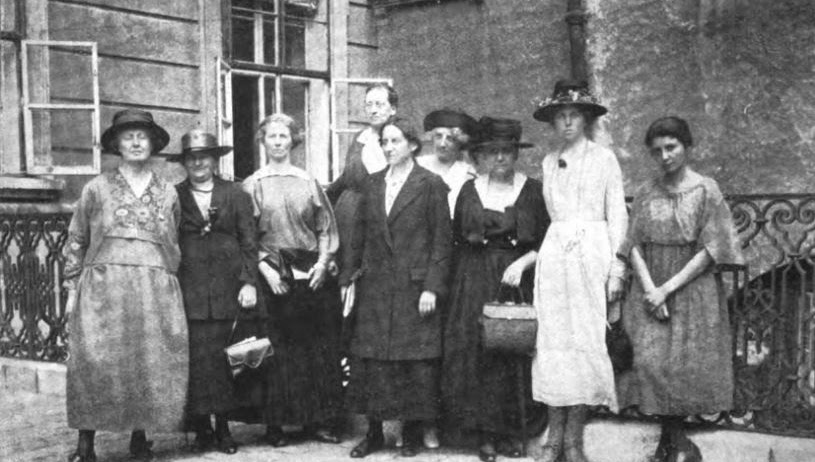
Jane Addams made landfall in Europe in early July 1919 to bear witness to the destructive aftermath of the First World War. Addams’s main concern was the famine afflicting millions of Europe’s children.
Addams’s 1919 trek marked the beginning of what would become a multi-year European humanitarian mission of a new left-leaning feminist organization: the Women’s International League for Peace and Freedom (WILPF), which remains active today. Addams was WILPF’s inaugural president.
Addams had her first of many encounters with Europe’s malnourished children during a stopover in Lille in northern France. There, inside a schoolhouse, Addams looked on as a physician examined them by the hundreds. ‘Stripped to the waist’, the children looked more like ‘a line of moving skeletons; their little shoulder blades stuck straight out, the vertebrae were all perfectly distinct as were their ribs, and their bony arms hung limply at their sides.’
Adding to the macabre scene, an eerie quiet hung over the improvised emergency room. You see, the French physician on duty had lost his voice, a side effect of wartime shellshock. He therefore ‘whispered his instructions to the children as he applied his stethoscope and the children, thinking it was some sort of game, all whispered back to him.
Addams encountered similarly graphic scenes in Switzerland and throughout Germany. The 1919 WILPF mission’s findings reinforced her belief that, while the war may have ended, securing the peace had just begun.
Addams therefore headed a follow-up WILPF humanitarian mission amid the hot summer of 1921, this time to southeastern Europe, where she once again encountered mass hunger. ‘Food resources which were produced in Europe itself and should have been available for instant use,’ Addams wrote, ‘were prevented from satisfying the desperate human needs. Why? Because ‘a covert war was being carried on by the use of import duties and protective tariffs’, which the war’s food blockades had legitimized.
These small starving European states, seeking self-preservation, mistakenly ‘imitated the great Allies with their protectionist policies, with their colonial monopolies and preferences.’ To Addams, such suffering in the name of ‘hypernationalism’ only amplified the need for a new international system of ‘free labor and exchange’ The world faced a clear choice: either ‘freedom of international commerce or international conflict of increasing severity.’
To meet world food demands, her envisaged free-trade order would also require supranational regulation of global transportation lines to counter ‘the ambition of rival nations.’
She called her cosmopolitan vision ‘Pax Economica’.
Continue reading “Feminism’s Forgotten Free-Trade Past”Course: Masterclass PhD Application | Exeter Online Courses Moodle
After this short course you should be able to:
• Maximise your chances of gaining admittance to a PhD programme and winning funding
• Identify and get guidance from potential supervisors
• Select appropriate content and structure for the proposal
• Use suitable tone, language, length, and style
• Use suitable referencing and formatting conventions
• Understand differences between disciplines
• Know how to avoid common errors
• Review a sample proposal
• Submit your idea and choose suitable next steps
Also, be sure to sign up for a free PhD Masterclass
Marc-William Palen
History Department, University of Exeter
Follow on Twitter @MWPalen
Marc-William Palen
History Department, University of Exeter


You must be logged in to post a comment.