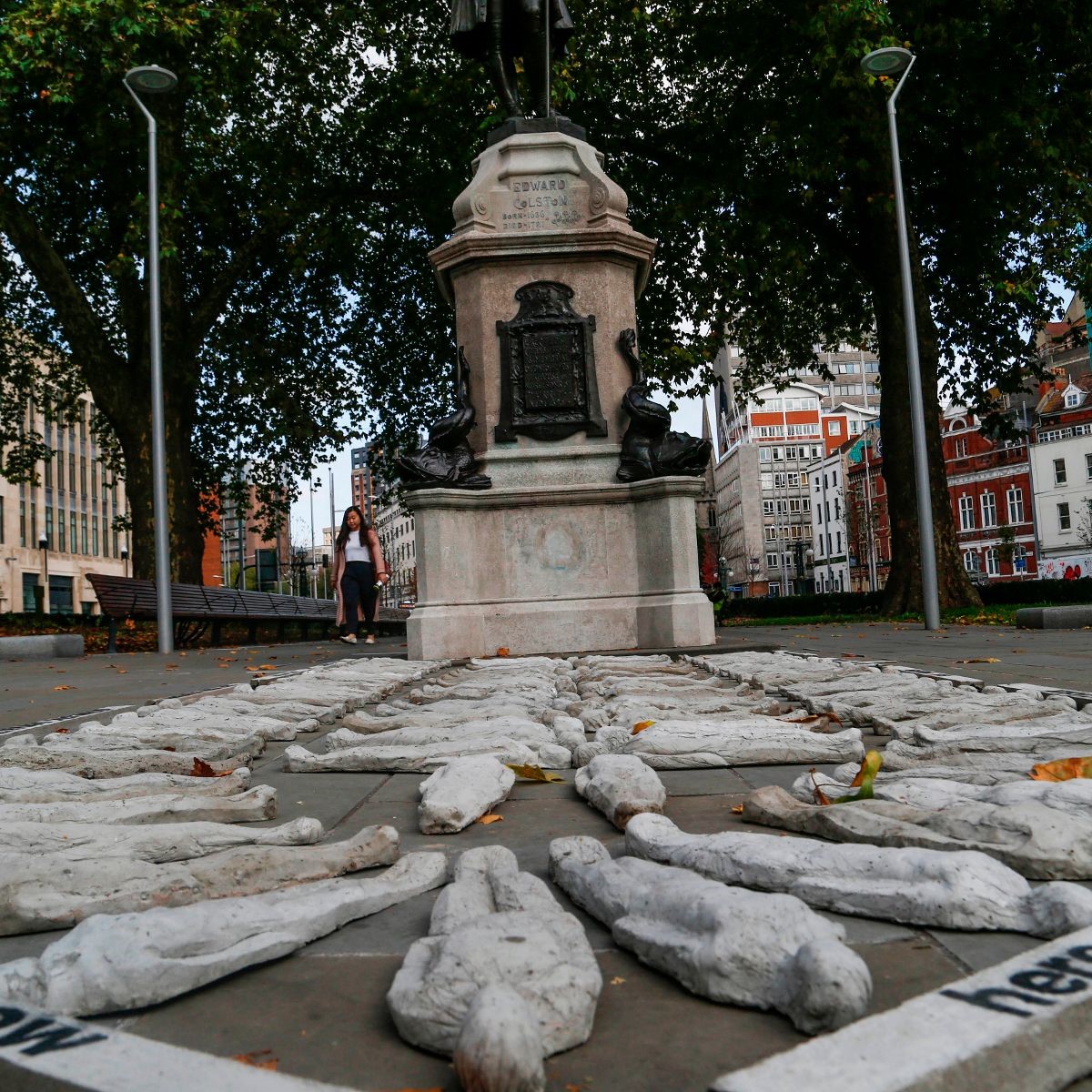
Protest highlighting modern slavery, Colston Statue, Bristol, October 2018
David Thackeray University of Exeter
The toppling of Edward Colston’s statute and its hauling into Bristol harbour on 7 June as part of global Black Lives Matter protests has provoked a long overdue public debate about the place of memorials of Britain’s imperial past and particularly its key role in the Atlantic slave trade. However, with some important exceptions, the history of creative protest within Bristol against Colston’s statue (as well as the numerous public buildings named after him in the city) is often overlooked in this coverage.[1] Nor is there much discussion of the material significance of where Colston’s plinth was situated and the idea of civic identity its creators sought to impose on Bristol.
This oversight may be accidental in many cases; these debates have generated a great deal of controversy locally, but received little national coverage. However, the effect obscures how the toppling of Colston fits into a longer history of creative protest on the site of the statue.
Prime Minister Boris Johnson has stated that removing the statues of controversial figures is ‘to lie about our history’.[2] But Colston’s statue has not sat in aspic from 1895 until its unceremonious dunking earlier this month. Instead it has been a site for people to engage with the city’s history and challenge the sanitised narratives of Bristol’s past that the statue’s creators sought to impose.
The Colston statue itself needs to be seen as a form of historical erasure, created as part of a refashioning of Bristol’s civic identity after the end of the Atlantic slave trade. It is a monument to the late-Victorian era, when the city was undergoing rapid expansion fuelled by the growth of shipping and industries such as Wills tobacco business. Colston’s statue was placed at the centre of the thriving city, overlooking the docks (refashioned over the last twenty years as a leisure and housing district) and in the middle of a large thoroughfare designed for promenading, surrounded by commercial buildings. Presumably the idea was to both honour a generous benefactor to the city and offer a romantic nod to Bristol’s seafaring past (divorced from its role in the slave trade). The reliefs on the sides of the statue even include images of dolphins, mermaids and other sea creatures. No mention is made, however, of Colston’s involvement in the slave trade on the original plaque. Instead we are informed the statue was erected ‘as a memorial to one of the most virtuous and wise sons’ of the city. Continue reading “Colston’s Fall, Bristol’s Civic Identity and the Memory of Empire”→
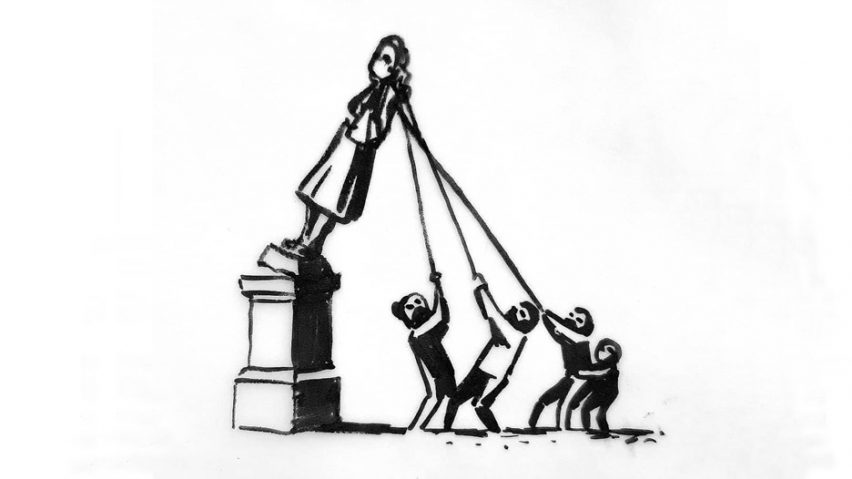
Banksy sketched his idea for replacing the Colston statue. Pic: Banksy, via Instagram
The Decolonising Working Group Department of History, University of Exeter (and friends)
The heart-breaking, public and blatant murder of George Floyd by a white police officer in Minneapolis on 25 May 2020 has fuelled a storm of protests across the world. Black Lives Matter protests have broken out across Britain and other European countries, where the reckoning has re-opened questions about the legacies of empire, including the enslavement, brutalisation, and exploitation of African people. In many of these protests, statues in public squares have acted as focal points for public outrage. The most iconic moment in the British protests thus far has been the pulling down of the statue of Edward Colston, a prominent slave-trader who died in 1721.
Colston’s statue was erected in Bristol in 1895, as a result not of a campaign from the ‘people of Bristol’, but rather because of the efforts of one businessman, James Arrowsmith. Fearing strikes and socialist agitation amongst the working poor in the 1890s, and anxious about the future of British Empire, he sought to proclaim the city’s imperial deeds through the commemoration of one of its patrician class: Colston. The plaque declared Colston a ‘wise and virtuous’ man. Today, many people clearly think that a slave trader is nothing of the sort; our colleague Ian Cook (Geography) has made a short film about the toppling, and eventual ceremonial drowning of Colston’s statue in Bristol Harbour.
Critics of the statue’s removal allege the criminal irresponsibility of the act: on the day Colston fell, Prime Minister Boris Johnson pointedly claimed that the BLM demonstrations had been ‘subverted by thuggery’, and Home Secretary Priti Patel insisted that there would be a criminal investigation. They did not see in the destruction of the slave trader’s statue a necessary political confrontation with a shameful history that had failed to find a place in the British story. Rather, they insist that such statues were sources of a necessary civic education: ‘those statues teach us about our past, with all its faults. To tear them down would be to lie about our history, and impoverish the education of generations to come.’ Supporters of the removal pointed out that this action also confronted history, and that public statues represented the power of a particular social and political order. The Mayor of Bristol called Colston’s removal “historical poetry”. A website ‘Topple the Racists’ sought to continue what Colston’s fall had begun, hosting a crowdsourced map of UK monuments which glorified individuals linked to slavery or colonial violence.
Some people proposed ways in which the statue might be kept, its meaning remade, unable any longer to glorify slavery. Street artist Banksy suggested that it would be better to re-instate the statue, but in the moment of its toppling, alongside newly cast bronze protestors. He playfully presented himself as the voice of reason and compromise, simultaneously catering for ‘both those who miss the Colston statue and those who don’t’. Others sought to recontextualise the statue, seeking ways to relieve it of its power to glorify imperial violence whilst giving voice to those who suffered. Some plans advocated surrounding Colston with monuments to the 84,000 enslaved people he was estimated to have traded, or replacing him with a different statue every day for the next 233 years to recall each slave he was responsible for shipping. The most common response was the statue’s ‘ideological quarantine’ in a Bristol Museum, although critics questioned whether such use of museums served to depoliticise political actions, treating them as places where historical problems could be made to disappear.
Statues depicting prominent individuals project power, whether of the individual themselves or of the political or social vision they represent. As Simon Schama cogently argued in the Financial Times, ‘statues are revelations – not about the historical figures they represent, but about the mindset of those who commissioned them’ and the same can be said about their moving, recycling or toppling; all are political acts which can be used to effectively trace shifts in public opinion and its power. The Black Lives Matter movement, and the toppling of Colston, has inspired the defacing, and in some cases subsequent removal, of statues linked to slavery and imperial violence across western Europe – in Italy and France, but most notably in Belgium, where monuments to Leopold II, ruler of Congo Free State where, from 1885 to 1908, an estimated 10–15 million Africans had died, were removed.
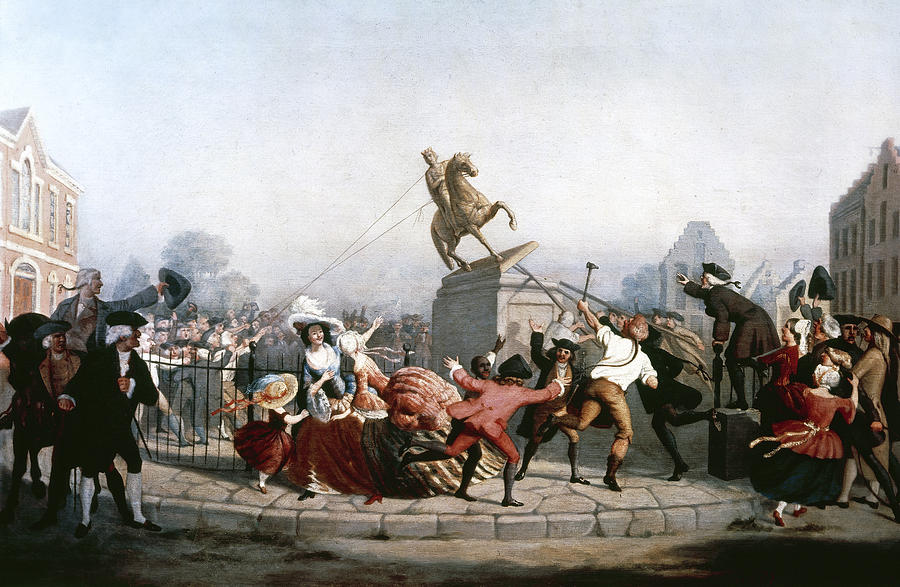
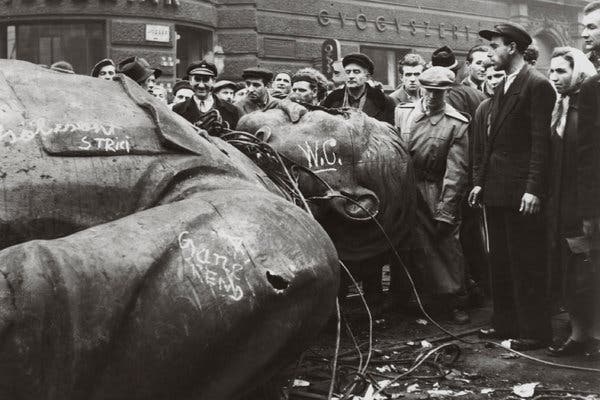
Across historical epochs, whenever values have changed or were challenged, people have proposed a range of techniques to deal with contested statues – demolition, defacement, defence of the status quo, ideological quarantine, recontextualization, or the making of alternatives. Recast or destroyed statues often live on in pamphlets, photography and film: replayed and remembered, they become a powerful symbol of political transformation. Nineteenth century America celebrated in painting the toppling of the statue of British monarch George III, just as Germans would later say ‘Goodbye, Lenin’ in film. The image of a recumbent Stalin, defaced and dethroned from his pedestal, surrounded by cheering protesters on the first day of the 1956 Hungarian revolution, quickly travelled around the world and remained a powerful symbol celebrating resistance to Soviet control of Eastern Europe throughout the Cold War.
Statue of King George III being pulled down at Bowling Green, Lower Manhattan.The widely celebrated act of taking down Stalin’s statue at the beginning of the Hungarian revolution in 1956.
This piece has been written collectively by History staff at the University of Exeter, with assistance from colleagues within and outside Exeter. It should be said at the outset that while we are unanimously in support of Black Lives Matter and the justice it seeks, we are not all agreed on the best method of tackling contested statues. This unusual activity, which has seen sixteen of us writing in tandem, is part of our exploration of another, related, movement: we are trying to discover together what ‘decolonising the university’ might mean in research, teaching and writing. We believe that researchers in universities must grapple with social inequities, that the process of that engagement must involve self-reflexivity, and conscious efforts to learn and teach what has been irrationally omitted. We have also been led by our students, especially a well-researched and robustly argued article in a student newspaper, on Exeter’s own historical connections with imperialism and the slave trade. Much of what we have done is actually very traditional – we have pooled our knowledge, we have compared notes, we have tested whether certain lines of argument hold up against this varied evidence or not. In doing so, we have written what could be a very standard essay in comparative history, but what we have experienced in this writing process has been exceptional and salutary.
There are many kinds of statuary: this piece focuses on the history of the ‘un-making’ of free-standing statues of historical individuals, in public spaces, detached from churches and tombs. The question of why statues, as opposed to other forms of memorialisation, hold such power as sites of protest, is beyond the scope of this post. But the perhaps the human form provides an immediacy, an opportunity for demanding or enacting forms of justice, that makes them suitable for ‘image-events’ of the kind that occurred in Bristol. Continue reading “Who wants yesterday’s statues?”→
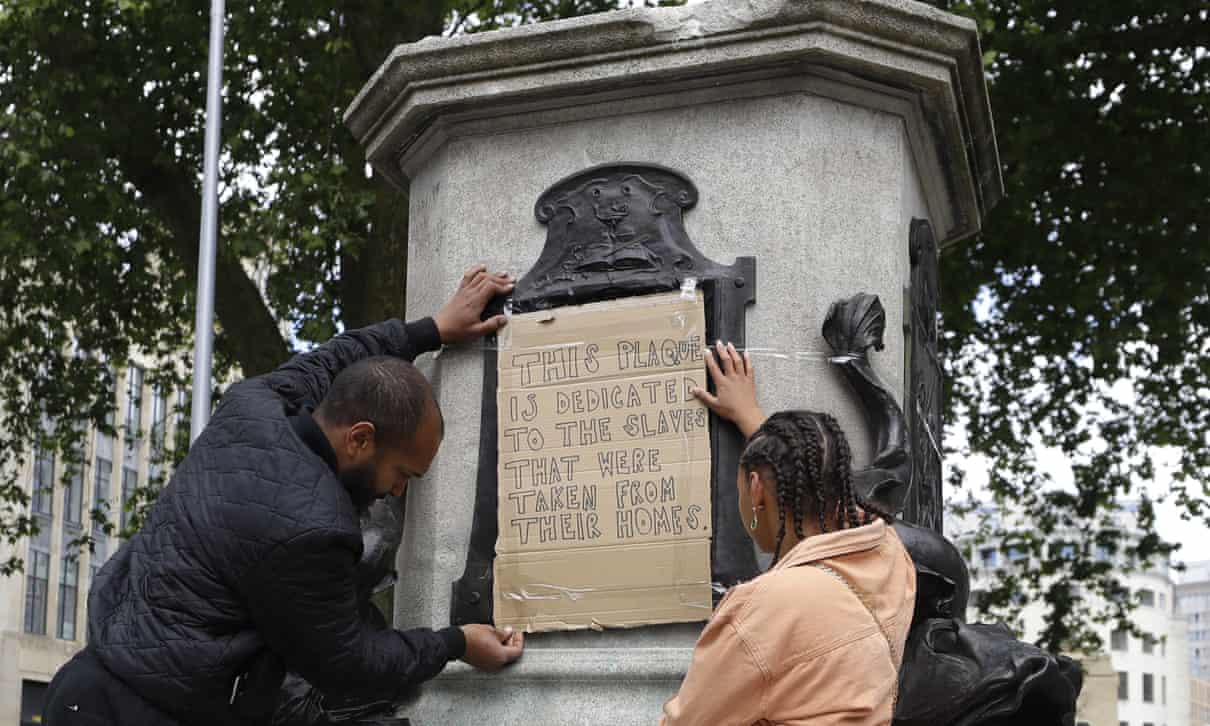
‘This Plaque Is Dedicated to the Slaves That Were Taken From Their Homes.’ Banner taped to the pedestal of the toppled statue of Edward Colston, Bristol, UK. Photograph: Kirsty Wigglesworth/AP
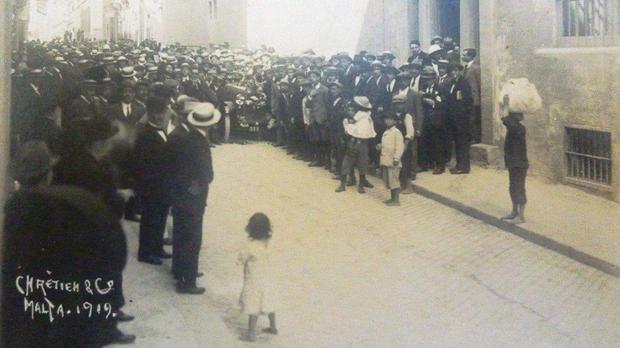
Student demonstrators at the University of Malta (Times of Malta: Malta and Me – colonial politics, Il-Gross and university students)
Hillary Briffa
Royal College of Defence Studies
In the spirit of the current global movement for racial justice, many across the UK have raised the need to decolonize history curriculums. In seeking to learn more about the colonial exploitation upon which the British built their empire, 1919 would be an excellent place to start. Given that Sunday, 7 June, marked the commemoration of the Sette Giugno anti-colonial uprising of 1919 in Malta, this year opens a door to understanding oppression in countries as diverse as India, Ireland, Malta, British Honduras (Belize), Egypt and Trinidad – global outposts where colonizers and colonies clashed throughout that fateful year. Continue reading “1919: Repression, Riots and Revolution”→
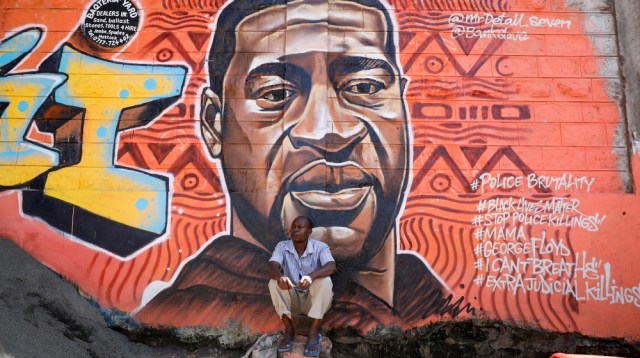
Man in the Kibera slum of Nairobi, Kenya, sitting beneath graffiti depicting African American man George Floyd, who died in Minneapolis police custody [Baz Ratner/Reuters]Marc-William Palen History Department, University of Exeter Follow on Twitter @MWPalen
On the 24th March, one of our own Exeter postgraduate researchers wrote this Twitter entry:
My research work is due largely to precarious waste workers in India. Many have lost livelihood. Those still working are vulnerable to #coronavirus exposure. Feels criminal to be academically “productive” right now. F*ck writing, I’m arranging financial support for my informants.
Unlike me, he dared to show how frustrating it is, how wrong it feels to be writing our thesis, using oral testimonies or inputs from real people, who in some distant part of the world could now be in a very tough and complex situation due to the current corona-crisis.
Our Uni has been amazingly supportive, our supervisors and directives, the doctoral college, our peers, in trying to keep the spirit and the optimism. They deserve a lot of recognition. And we are very much aware of how important our mental health is right now in order to fulfil our goals and follow our schedule. That said, I feel that is also important to add that for some of us it is no longer about us anymore and it just feels so unbearably wrong!
I keep on telling myself – as I did during my fieldwork while I collected those testimonies of violence, mistreatment, repression, suffering, displacement, hunger, injustice in three different peasant regions in my home-country, Colombia – that the best I can do for them is to be professional, to do my job and tell their history of food insecurity, to do it right to make a good case for their food sovereignty and basic rights. And that still keeps me going. However, it is not the same, it does not feel the same when I am fully aware of how vulnerable and endangered they are right now. Continue reading “Some reflections on international post-graduate research in the time of coronavirus”→
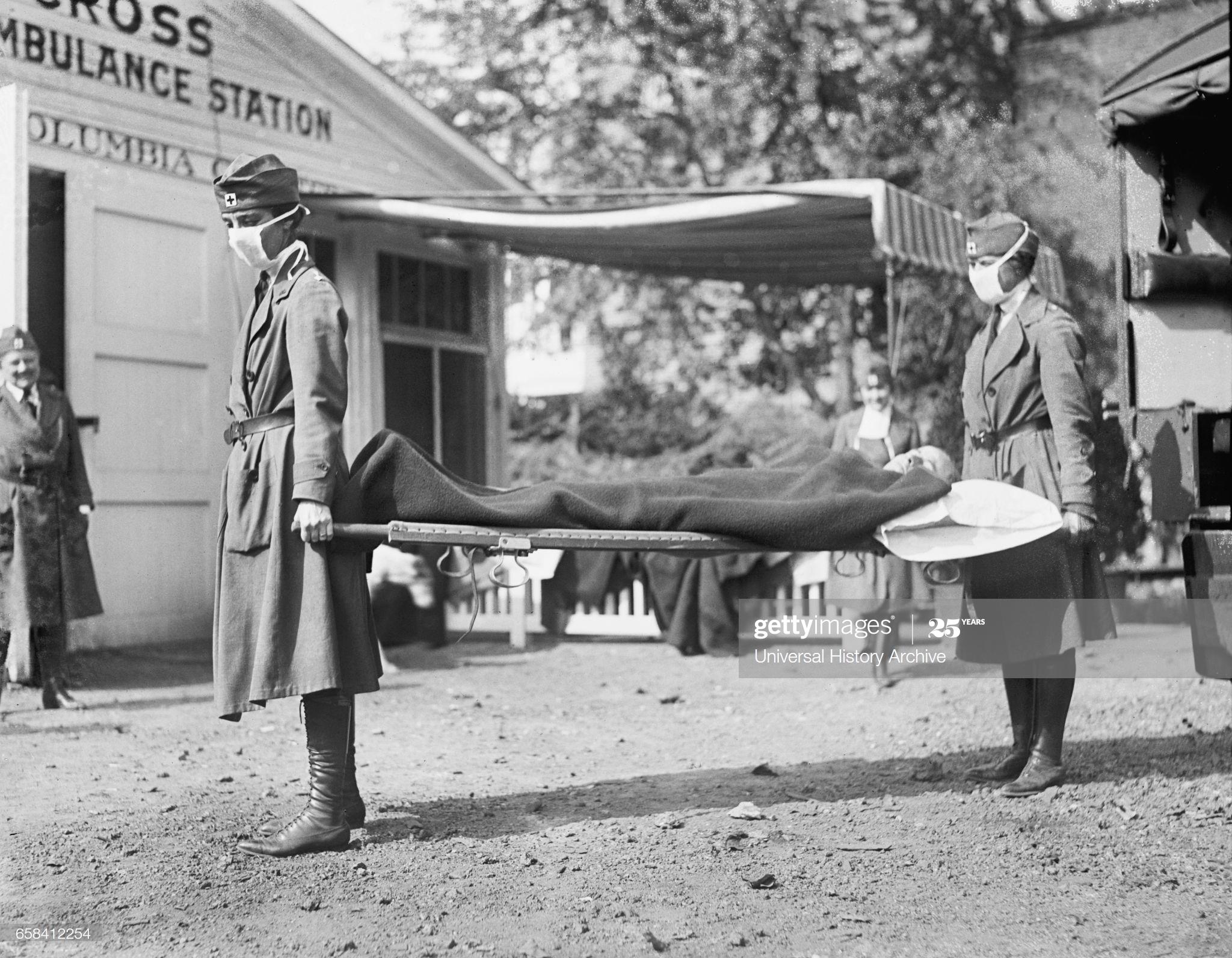
Demonstration at the Red Cross Emergency Ambulance Station during Influenza Pandemic, Washington DC, USA, National Photo Company, 1918. (Photo by: Universal History Archive/Universal Images Group via Getty Images)
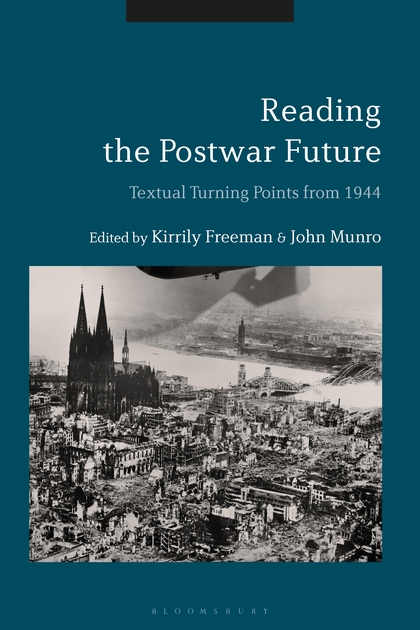
The editors of this volume note its origins “as a cross-corridor conversation along the lines of ‘Have you ever noticed how many influential books were written in 1944?’” (p.x). This conversation gave rise to a project of intellectual history exploring how key texts from this pivotal year reflected on, and helped shape, a different world order. The twelve chapters are not in fact confined to books; there are treatments, for example, of a Kurosawa film (by Chikako Nagayama), of the United Nations Relief and Rehabilitation Administration (by Suzanne Langlois), of the 1944 Democratic Party programme (by Katherine Rye Jewell), and of a Mao Zedong speech made in tribute to a fallen comrade (by Rebecca E. Karl). The Mao speech became “one of the three ‘constantly read articles’ of socialist education campaigns” (p.216). As the editors acknowledge, there are several other texts which might have been included, such as Sartre’s Huis Clos. However, they are to be commended on a judicious selection and on their choice of a novel frame through which to examine a significant historical moment.
F.A. Hayek’s The Road to Serfdom actually receives two different treatments. Radhika Desai compares it to Karl Polanyi’s The Great Transformation which, she argues, has been unjustly neglected. In her analysis, Hayek provided a thin, ahistorical account which attributed the interwar movement towards economic planning to the intellectual failures of “socialists” (who in his view could be found in every party). She argues convincingly that Polanyi’s book “goes for the jugular of the Austrian/Hayekian argument against planning and otherwise interfering in the allegedly spontaneous or natural market mechanism” (p.34). Polanyi rejected the idea that laissez-faire had emerged naturally and that subsequent legislation that departed from it was the consequence of deliberate action by opponents of the tenets of economic liberalism. In fact, he said, laissez-faire was itself the product of purposeful government action, whereas the subsequent limitations placed upon it arose spontaneously because of the threat that free markets posed to key aspects of society. Polanyi, Desai notes, ended up being marginalised in his career, whereas Hayek took laurels which, as far as she is concerned, were wholly undeserved. Continue reading “Review – Reading the Postwar Future: Textual Turning Points from 1944”→
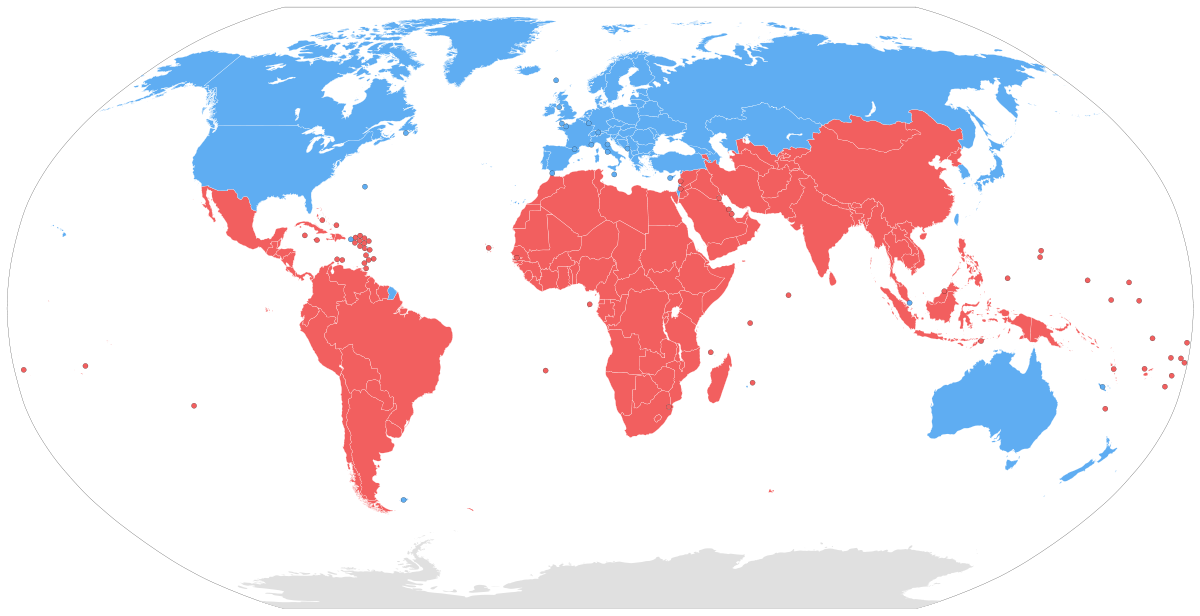
The global politics of the current Covid-19 pandemic (i.e. ‘pandemipolitics’) intersects in complex ways with the making, ongoing crisis, and potential unmaking of the liberal world order. What the characteristics of this order are is a hotly debated issue in international relations. Rather than using a clear-cut definition, I tend to think about the liberal order as coming together around four interlocking features which constitute our contemporary, post-Cold War, globalized international system.
First, this order is characterized by a progressive growth of international institutions and rules designed to collectively govern multiple aspects of world affairs. Second, the liberal order is marked by the spread of capitalist modes of production and the forces of economic globalization, largely organized around neo-liberal logics which require the scaling back of the state and thrive on the (relatively) free movement of goods, finance, and people worldwide. Third, this order facilitates and legitimizes the global diffusion of liberal values and institutions, including democratic regimes and universal human rights norms, while simultaneously delegitimizing and stigmatizing non-liberal worldviews and identities. Fourth, and finally, driving many of these processes and structures, are ideas, practices, and interests largely stemming from powerful Western actors. Continue reading “Pandemipolitics and the (Potential) Unmaking of the Liberal World Order”→
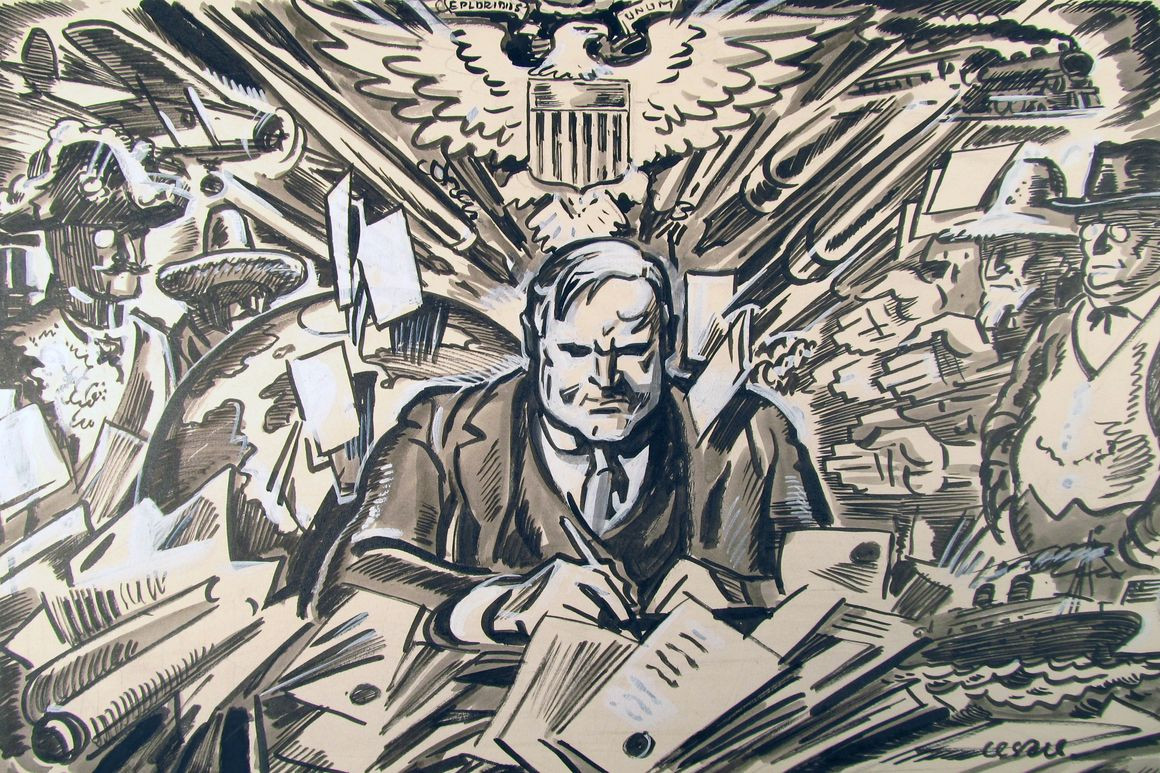
Secretary of State John Hay enunciated President William McKinley’s Open Door policy with a series of two “Open Door Notes,” the first in 1899 and the second in 1900. In them, Hay outlined the Republican administration’s desire for equal access to markets currently beyond the country’s economic purview, particularly the European-controlled markets of China. The Open Door Empire as a theoretical mode of analysis, however, would not take shape until the 1930s. By the 1970s, the Open Door imperial thesis – that by the late nineteenth century a bipartisan consensus had arisen in support of prying open the world’s markets for the benefit of US trade and investment through a liberal imperial policy of free trade — would become the dominant historical framework for understanding US imperial economic expansion from the country’s founding to the Vietnam War, a position of prominence that it still maintains today. And yet the historical frame of the Open Door Empire has not remained static. It has undergone a great deal of revision and criticism. Changes within both the global economy and the historical profession have redefined the Open Door’s scale and scope over the course of its long and rich historiographical journey.
The theory of the Open Door Empire went through its most sizeable transformation between its unveiling in the 1930s and its radical New Left reformation beginning in the late 1950s. Charles Beard, the most influential of Progressive scholars, was the first to popularize a working theory of the Open Door Empire as an analytical concept (Borning 1962; Nore 1983; Hofstadter 1968, 167-346; Berg 1957; Braeman 1981; Schmunk 1957; Strout 1958). Beard’s Open Door Empire made its contentious debut in the early 1930s with the publication of his twin works TheIdea of National Interest (1934) and The Open Door at Home (1934). For Beard, the Open Door arose amid great politico-ideological conflict over American foreign policy that pitted US free traders against their protectionist rivals. Owing to the subsequent neo-Marxist rise of the New Left’s “Wisconsin School” of foreign relations history (so named because of its origins within the history department at the University of Wisconsin-Madison), Beard’s conflict-oriented interpretation of the Open Door Empire was thereafter reconfigured into one of bipartisan consensus (Kennedy 1975; Bacevich 2002; Craig 2001; Brands 1998). The Wisconsin School’s radical reworking of Beard’s Open Door thesis from the 1950s to the 1970s, begun with the publication of W. A. Williams’s The Tragedy of American Diplomacy (1959), has since established itself as the new economic orthodoxy in its uncovering of America’s formal and informal Open Door Empire. Continue reading “Charles Beard and the Open Door Empire”→




 Imperial & Global Forum

You must be logged in to post a comment.