
Helene von Bismarck
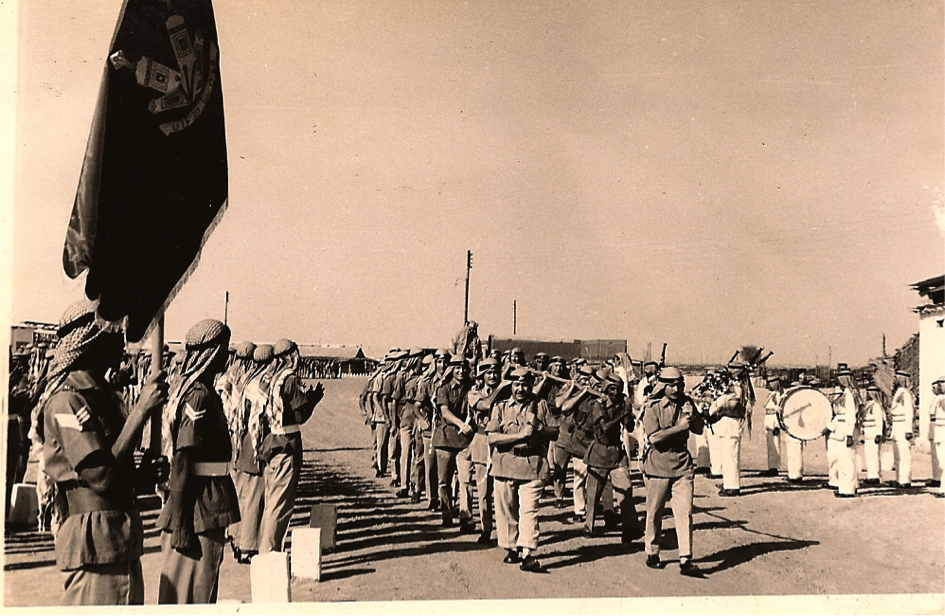
In March 2016, Defence Secretary Michael Fallon confirmed during a trip to Oman that the British Government was considering the establishment of a permanent army training base there. It is the latest in a series of announcements indicating that Britain is extending and consolidating its military presence in the Persian Gulf.
This development started in 2010, when incoming Conservative Prime Minister David Cameron announced the ‘Gulf Initiative’, by which he meant a coordinated attempt to rekindle Britain’s formerly close relationships with the Gulf States. The implementation of this policy was delayed by the advent of the Arab Spring, but was kickstarted again in December 2014 when Foreign Secretary Philip Hammond confirmed that Britain would build a Royal Navy base in Bahrain. In November 2015, the Strategic Defence Review published by the British Government called for a ‘new Gulf strategy’ and ‘a permanent and more substantial UK military presence’ in the area.
Nor has the British Government shied away from invoking Britain’s imperial past in this context. The Strategic Defence Review stressed Britain’s ‘historic relationships’ with Bahrain, Qatar, Oman, Kuwait and the United Arab Emirates, and Mr. Hammond went as far as calling the project to build a base in Bahrain Britain’s ‘return East of Suez’.[1] Continue reading “Britain’s ‘Return East of Suez’: A Historical Perspective”
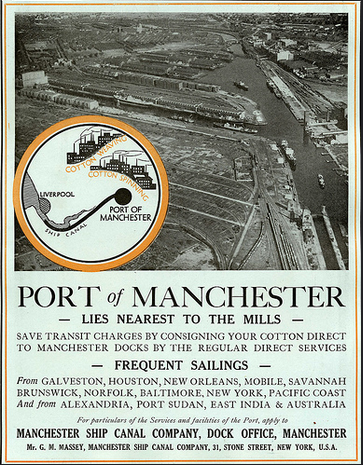


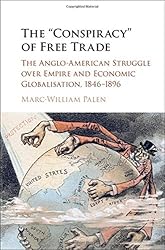
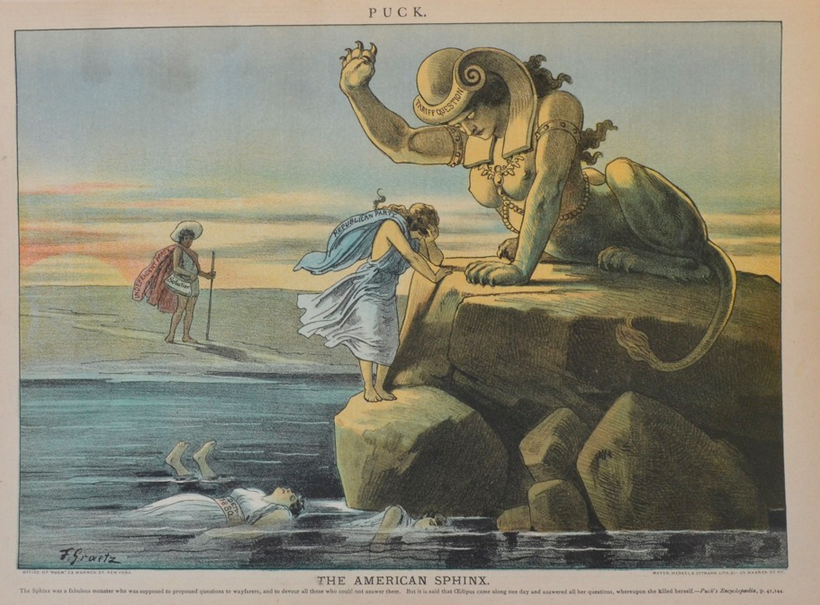
 is relevant not only to historians of imperialism, capitalism, and economics, but to the 2016 American presidential primary election. Once again, free trade has become a central campaign issue during a presidential election. While Donald Trump and Bernie Sanders have discussed the consequences of free trade, they have provided very little historical context to help voters understand the rationale behind free trade. Palen’s book explores a world when extreme American economic nationalism came into conflict with Britain’s advocacy of global free trade. Palen’s book focuses “upon the ideological debates surrounding free trade and protectionism” within the United States and Great Britain.
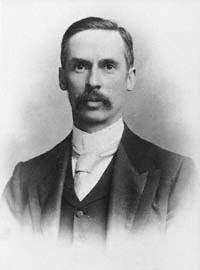 In 1902, journalist John A. Hobson published Imperialism: A Study. The book was among the first to connect the rise of finance capital with the growth of imperial expansion after 1870. Hobson’s theory would fast number among the most influential critiques of imperialism. Although Hobson himself was not a Marxist (he was a classical liberal), his theory would play a key role in shaping subsequent Marxist theories of imperialism, most notably that of V. I. Lenin.




 Imperial & Global Forum
You must be logged in to post a comment.