Protectionism 100 years ago helped ignite a world war. Could it happen again?

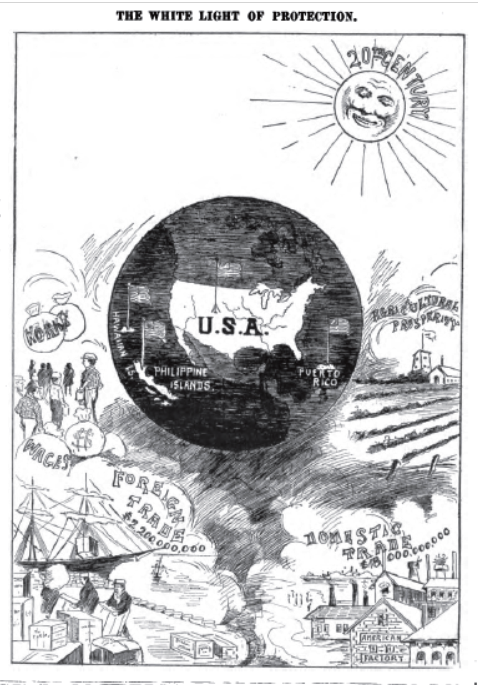
A pro-Republican cartoon from 1900 depicting “the white light of protection” shining down upon America’s newly acquired empire at the dawn of the 20th century. American Economist, 28 Dec. 1900.

Marc-William Palen
History Department, University of Exeter
Follow on Twitter @MWPalen

[Editor’s note: Below is from my editorial just published in the Washington Post‘s series “Made by History,” a remarkable new initiative for historians to engage with current affairs, co-edited by Nicole Hemmer (@pastpunditry) and Brian Rosenwald (@brianros1).]

The liberal economic order that defined the post-1945 era is disintegrating.

Globalization’s foremost champions have become the first to signal the retreat in the wake of the Great Recession. Economic nationalism, historically popular in times of economic crisis, is once again on the rise in Britain, France and the United States. We are witnessing a return to the antagonistic protectionist politics that defined a bygone era that ended with World War I — suggesting that today’s protectionist revival threatens not just the global economy, but world stability and peace. Continue reading “Protectionism 100 years ago helped ignite a world war. Could it happen again?”

This Week’s Top Picks in Imperial & Global History

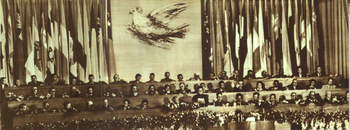
Asia and Pacific Rim Peace Conference, Beijing, October 2, 1952

Marc-William Palen
History Department, University of Exeter
Follow on Twitter @MWPalen

From the Cold War art of peace to how ISIS became Islam’s version of the Ku Klux Klan, here are this week’s top picks in imperial and global history. Continue reading “This Week’s Top Picks in Imperial & Global History”

Britain’s imperial ghosts have taken control of Brexit

File 20170620 32369 o08uja

Marc-William Palen
University of Exeter

As long as Theresa May’s Conservative government is representing the UK at the Brexit negotiating table, Britain’s imperial past will continue to haunt its European withdrawal. The ghost that looms largest is none other than the prime minister’s “political hero” and “new lodestar”, Birmingham’s turn-of-the-century imperial protectionist, Joseph Chamberlain.

Like the early 20th century that Chamberlain lived in, the world has witnessed a resurgence of economic nationalism since the 2007 to 2009 recession. Britain, through Brexit, is leading this retreat from economic globalisation. The May government’s proposal to pursue an economic plan of “Britain for the British” after Brexit harkens back to Chamberlain’s bygone imperial age of Tory protectionism. Continue reading “Britain’s imperial ghosts have taken control of Brexit”

This Week’s Top Picks in Imperial & Global History

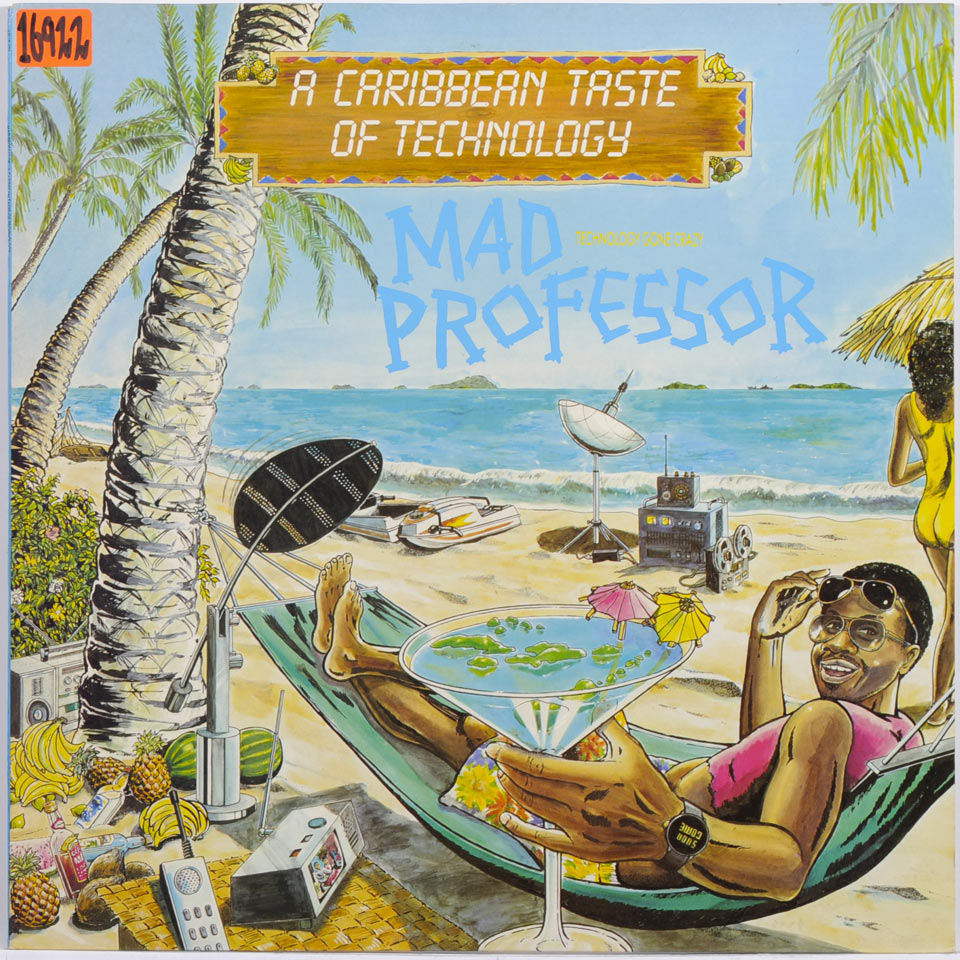
A Caribbean Taste of Technology album cover, Ariwa Sounds, 1985, artist unaccredited.

Marc-William Palen
History Department, University of Exeter
Follow on Twitter @MWPalen

From repressing radicalism to making reggae’s dancehall sound, here are this week’s top picks in imperial and global history. Continue reading “This Week’s Top Picks in Imperial & Global History”

This Week’s Top Picks in Imperial & Global History

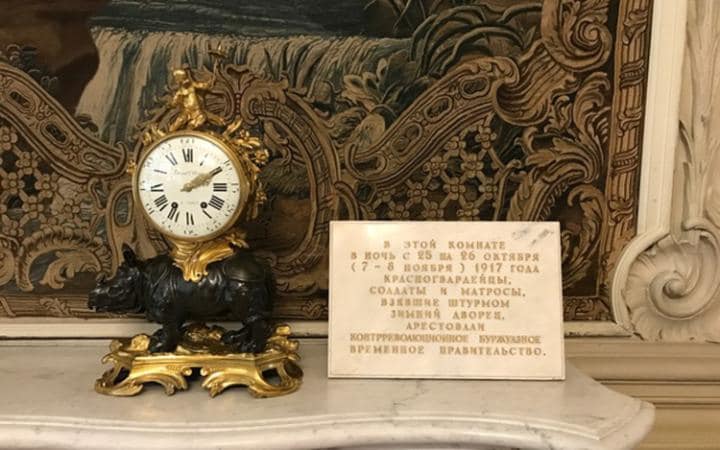
Clock showing the time the Bolsheviks seized power on October 26 1917, Winter Palace, St Petersburg, via Verso Books.

Marc-William Palen
History Department, University of Exeter
Follow on Twitter @MWPalen

From feminism, fascism, and frogs to the end(s) of the international order, here are this week’s top picks in imperial and global history. Continue reading “This Week’s Top Picks in Imperial & Global History”

This Week’s Top Picks in Imperial & Global History

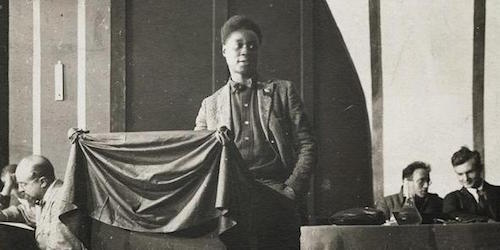
Claude McKay speaking in the Throne Room of the Kremlin, The Crisis magazine, 1923, via Verso Books.

Marc-William Palen
History Department, University of Exeter
Follow on Twitter @MWPalen

From Russia’s imperial amnesia to 21st-century American slavery, here are this week’s top picks in imperial and global history. Continue reading “This Week’s Top Picks in Imperial & Global History”

This Week’s Top Picks in Imperial & Global History

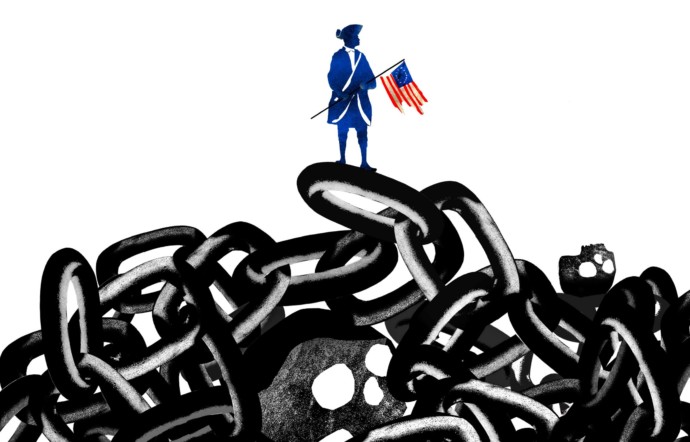
Illustration by Brian Stauffer, New Yorker.

Marc-William Palen
History Department, University of Exeter
Follow on Twitter @MWPalen

From reviving the East India Company to questioning whether the American Revolution was a good idea, here are this week’s top picks in imperial and global history. Continue reading “This Week’s Top Picks in Imperial & Global History”

This Week’s Top Picks in Imperial & Global History

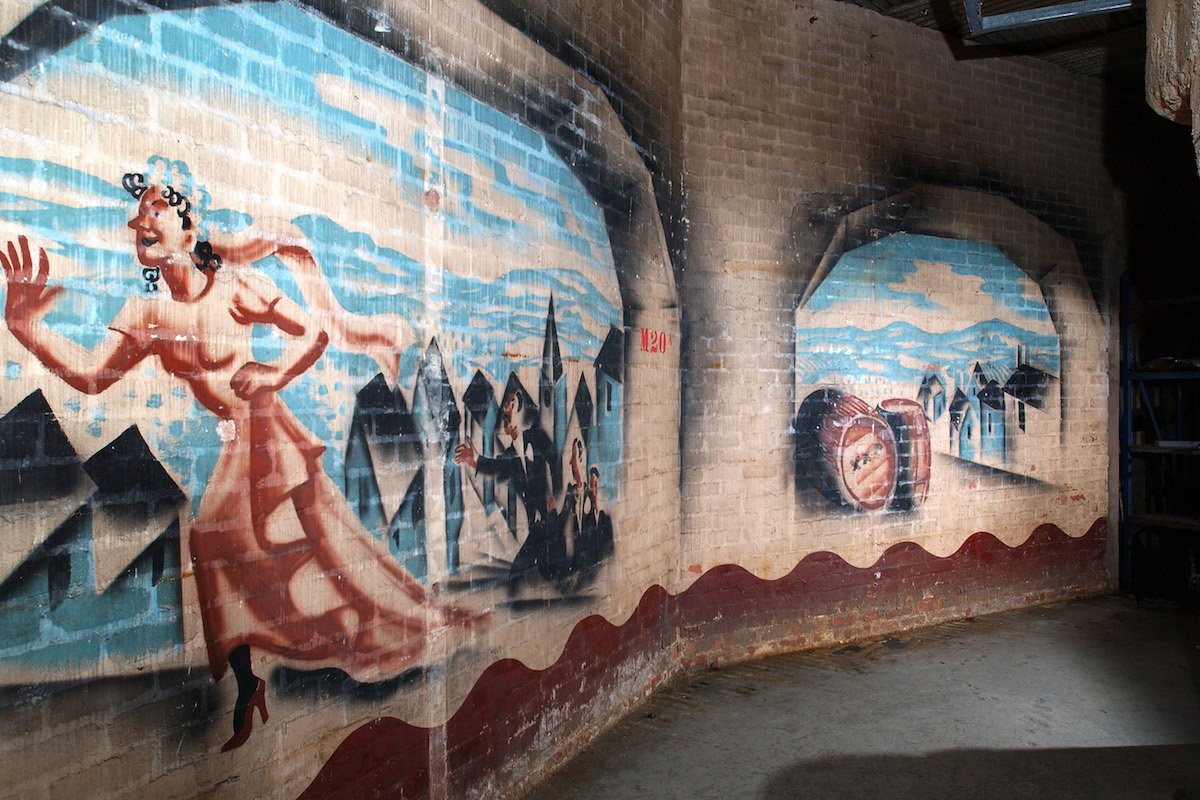
Olga Lehmann, 1943

Marc-William Palen
History Department, University of Exeter
Follow on Twitter @MWPalen

From inside Britain’s secret underground Cold War city to why we need international history, here are this week’s top picks in imperial and global history. Continue reading “This Week’s Top Picks in Imperial & Global History”

This Week’s Top Picks in Imperial & Global History

Marc-William Palen
History Department, University of Exeter
Follow on Twitter @MWPalen

From rethinking Cold War Burma to Brexit and the World Wars, here are this week’s top picks in imperial and global history. Continue reading “This Week’s Top Picks in Imperial & Global History”

This Week’s Top Picks in Imperial & Global History

Marc-William Palen
History Department, University of Exeter
Follow on Twitter @MWPalen

From when America bombs countries to save them to why the French presidential candidates are arguing about their colonial history, here are this week’s top picks in imperial and global history. Continue reading “This Week’s Top Picks in Imperial & Global History”

This Week’s Top Picks in Imperial & Global History

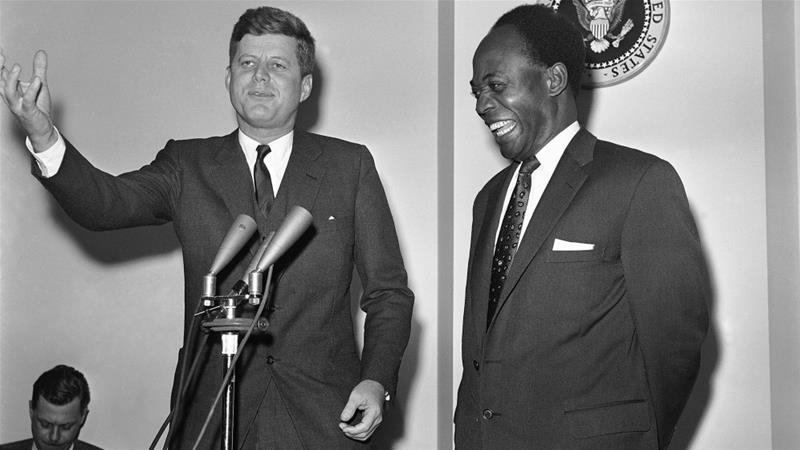
Ghana’s first post-independence president, Kwame Nkrumah, was overthrown in a US-backed military coup in 1966 [AP]

Marc-William Palen
History Department, University of Exeter
Follow on Twitter @MWPalen

From neocolonialism in Africa to when humanitarianism became imperialism, here are this week’s top picks in imperial and global history. Continue reading “This Week’s Top Picks in Imperial & Global History”

This Week’s Top Picks in Imperial & Global History

Marc-William Palen
History Department, University of Exeter
Follow on Twitter @MWPalen

From democratizing foreign policy to who is an American citizen, here are this week’s top picks in imperial and global history. Continue reading “This Week’s Top Picks in Imperial & Global History”

This Week’s Top Picks in Imperial & Global History

Marc-William Palen
History Department, University of Exeter
Follow on Twitter @MWPalen

From Brexit reinforcing Britain’s imperial amnesia to what nationalism looks like, here are this week’s top picks in imperial and global history. Continue reading “This Week’s Top Picks in Imperial & Global History”

This Week’s Top Picks in Imperial & Global History

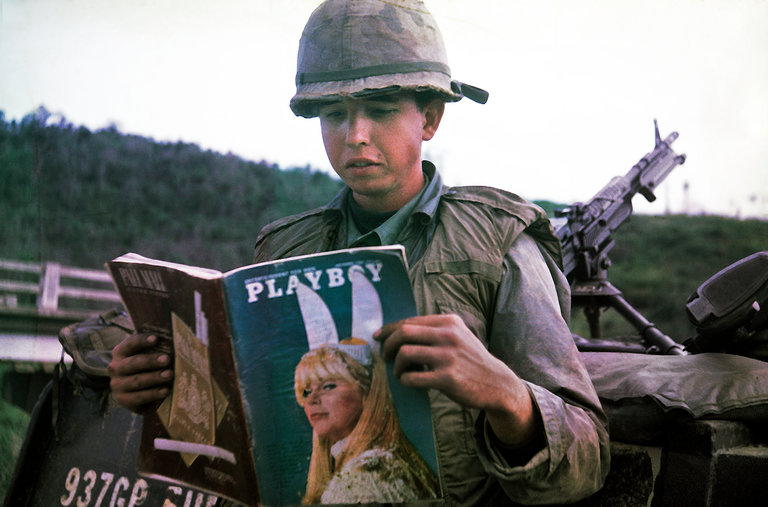
Dan Mouer in Vietnam in 1966. The magazine was sent by his wife, along with a batch of chocolate chip cookies. New York Times

Marc-William Palen
History Department, University of Exeter
Follow on Twitter @MWPalen

From how Playboy explains Vietnam to a more dangerous globalism, here are this week’s top picks in imperial and global history. Continue reading “This Week’s Top Picks in Imperial & Global History”

History and the Global Economic Order

Marc-William Palen
History Department, University of Exeter
Follow on Twitter @MWPalen

According to a longstanding international relations theory, the global economic order is at its most orderly when there’s at least one hegemonic free-trade champion.

As per this theory, Britain took this role upon itself in the mid-nineteenth century, ushering in a brief transatlantic flirtation with trade liberalization and relative hemispheric peace.

The United States was the first major nation to turn against this mid-nineteenth century free-trade epoch. From the Civil War to the Great Depression, the United States instead embarked upon nearly a century of Republican-style economic nationalism, which I’ve explored in my own work.

But this began to change following the Second World War when the United States assumed the mantle of free-trade hegemon. Promising prosperity, profits, and peace to the world, it sought to foster international trade liberalization through supranational initiatives like the International Monetary Fund (1944) and the General Agreement on Tariffs and Trade (1947), the latter of which morphed into the World Trade Organization in 1995.

Well, the times they are a-changing again.

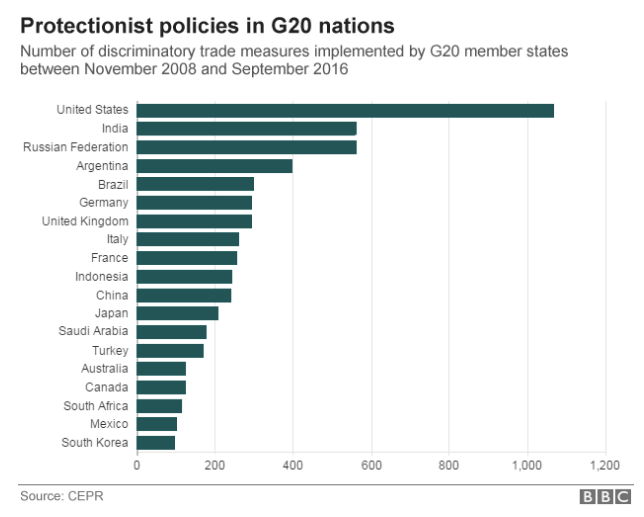
Trump’s fast-developing protectionist and ultra-nationalist “America First” program has signalled that the United States is abdicating its role as free-trade leader. As the New York Times noted earlier this month:

President Trump’s advisers and allies are pushing an ambitious idea: Remake American trade. They are considering sweeping aside decades of policy and rethinking how the United States looks at trade with every country. Essentially, after years of criticizing China and much of Europe for the way they handle imports and exports, these officials want to copy them. This approach could result in higher barriers to imports that would end America’s decades-long status as the world’s most open large economy.

The Trump regime’s protectionist trade vision is fast becoming reality.

So what does this mean for the future of the global economic order?

And have we seen all of this before?

Continue reading “History and the Global Economic Order”