This Week’s Top Picks in Imperial & Global History

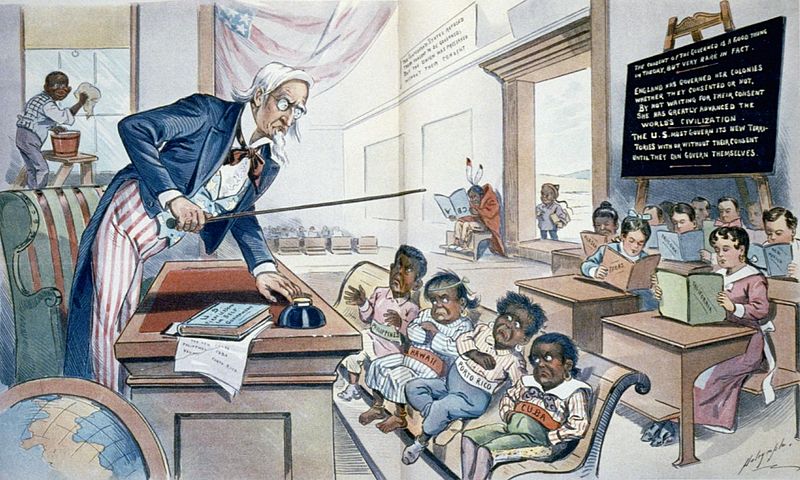
us empire insular

Marc-William Palen
History Department, University of Exeter
Follow on Twitter @MWPalen

From 17th-Century Lessons for US-Iranian relations, to the great escape that changed Africa’s future, here are this week’s top picks in imperial and global history. Continue reading “This Week’s Top Picks in Imperial & Global History”

This Week’s Top Picks in Imperial & Global History

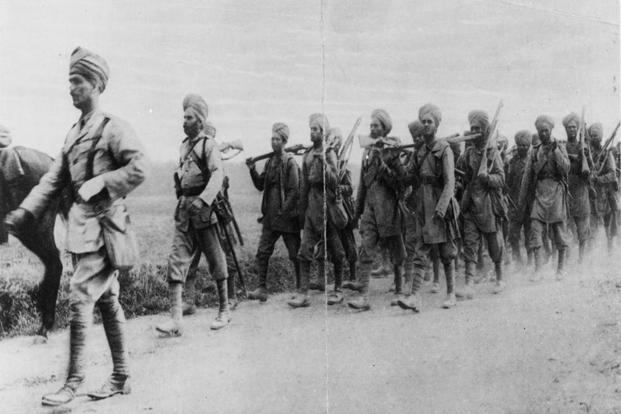
Indian infantrymen in France in October 1914 during WorldWar I. Photo: Hulton Archive/Getty Images

Marc-William Palen
History Department, University of Exeter
Follow on Twitter @MWPalen

From the woman’s First World War to the man who posted himself to Australia, here are this week’s top picks in imperial and global history. Continue reading “This Week’s Top Picks in Imperial & Global History”

Debunking the Civil War Tariff Myth

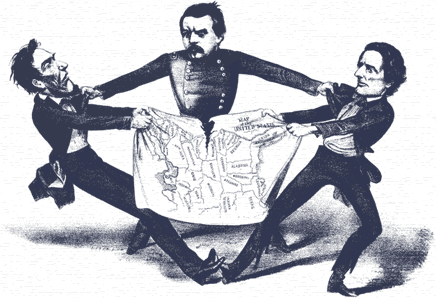
tornintwo

Marc-William Palen
History Department, University of Exeter
Follow on Twitter @MWPalen

The outbreak of the American Civil War is now more than 150 years past. All the while, the question of what caused the conflict continues to spark disagreement, this despite a longstanding consensus among specialists that slavery – a cultural, political, ideological, and economic institution that permeated (and divided) mid-19th-century American society – was the primary cause of the war. One of the most egregious of the so-called Lost Cause narratives instead suggests that it was not slavery, but a protective tariff that sparked the Civil War.

On 2 March 1861, the Morrill Tariff was signed into law by outgoing Democratic President James Buchanan to protect northern infant industries. A pernicious lie quickly formed around the tariff’s passage, a lie suggesting that somehow this tariff had caused the US Civil War. By ignoring slavery’s central role in precipitating secession and Civil War, this tariff myth has survived in the United States for more than a century and a half – and needs to be debunked once and for all. Continue reading “Debunking the Civil War Tariff Myth”

This Week’s Top Picks in Imperial & Global History

Screen Shot 2015-02-27 at 18.37.00

Marc-William Palen
History Department, University of Exeter
Follow on Twitter @MWPalen

From the nationalization of global history to globalizing classical music, here are this week’s top picks in imperial and global history. Continue reading “This Week’s Top Picks in Imperial & Global History”

This Week’s Top Picks in Imperial & Global History

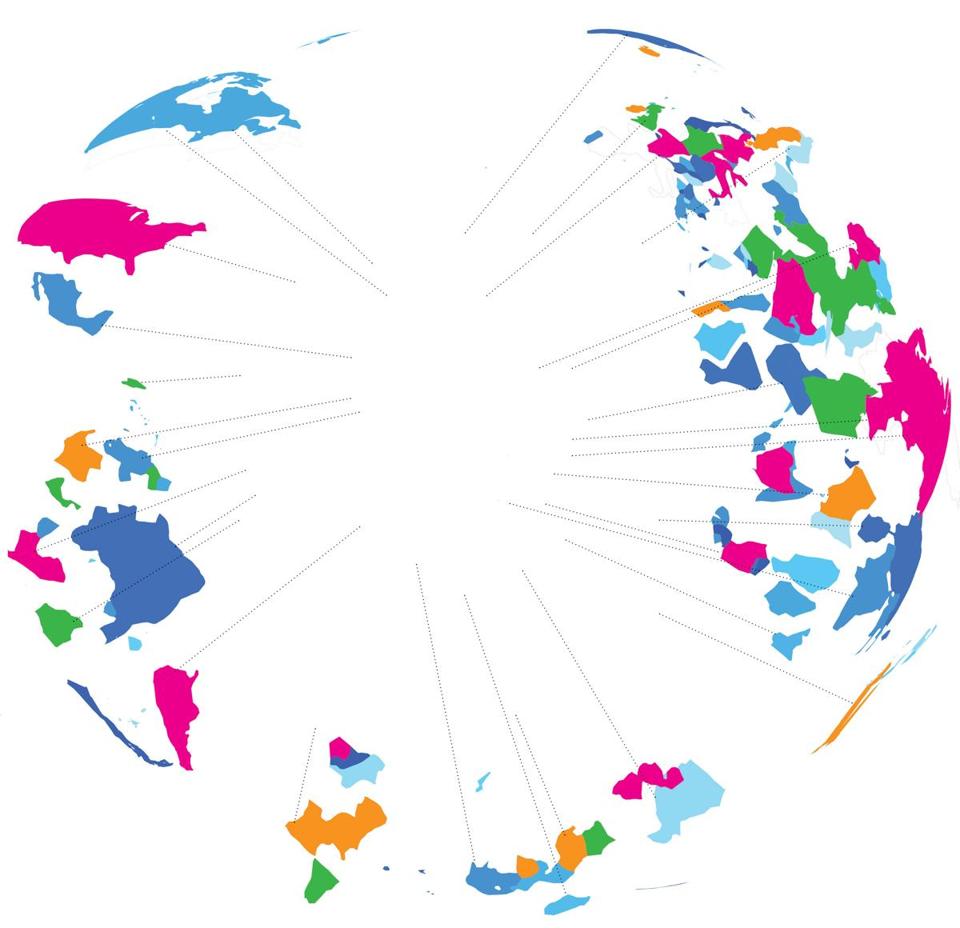
deglobalization-web

Marc-William Palen
History Department, University of Exeter
Follow on Twitter @MWPalen

From the “Great Deglobalizing” to the death of Tamerlane, here are this week’s top picks in imperial and global history. Continue reading “This Week’s Top Picks in Imperial & Global History”

This Week’s Top Picks in Imperial & Global History

gunga din

Marc-William Palen
History Department, University of Exeter
Follow on Twitter @MWPalen

From the Deep Roots of Afro-Asia, to Mumbai’s Tata Empire, here are this week’s top picks in imperial and global history. Continue reading “This Week’s Top Picks in Imperial & Global History”

This Week’s Top Picks in Imperial & Global History

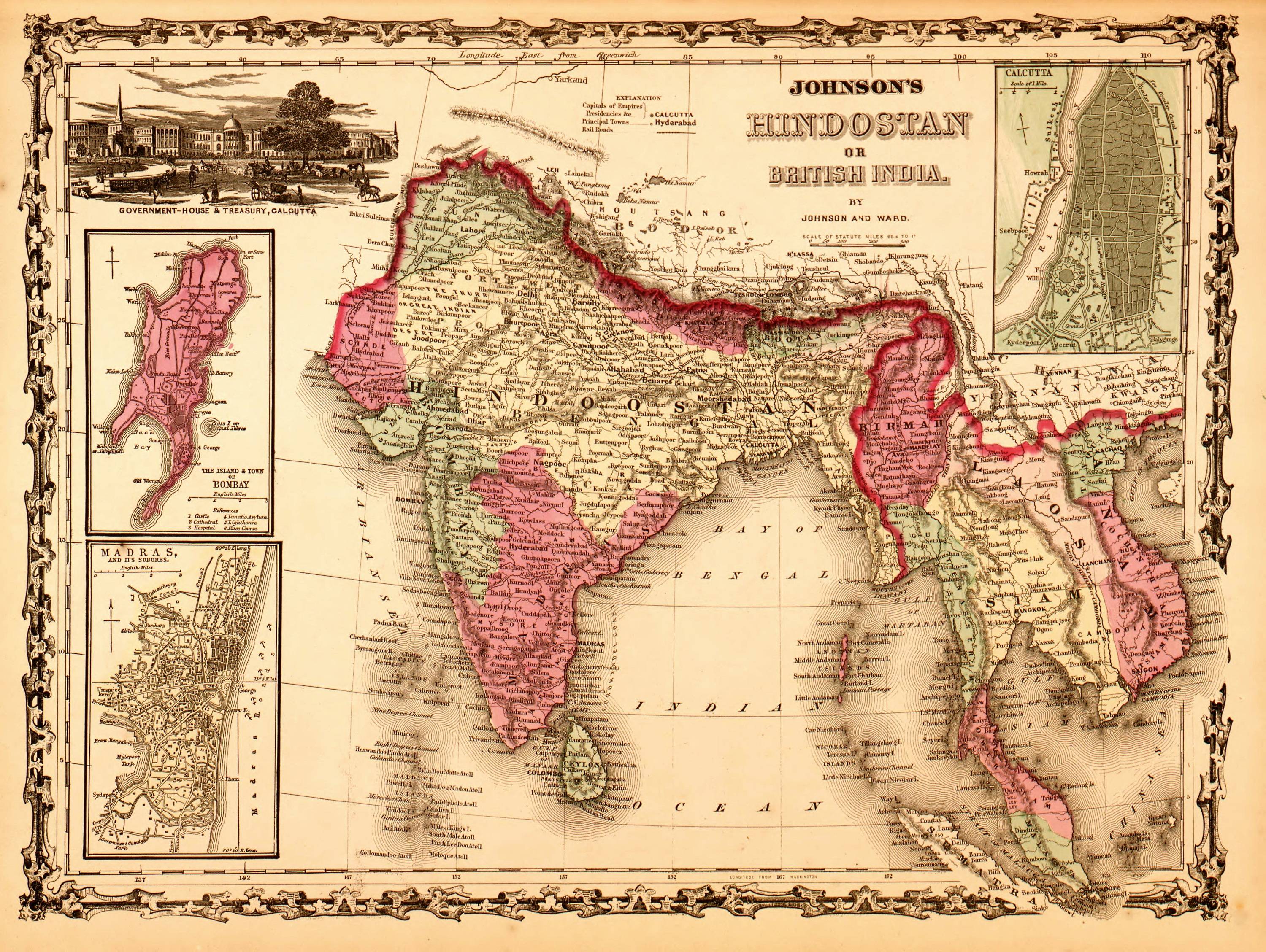
British India

Marc-William Palen
History Department, University of Exeter
Follow on Twitter @MWPalen

From the perils of writing global history, to a global tale from 1623, here are this week’s top picks in imperial and global history. Continue reading “This Week’s Top Picks in Imperial & Global History”

This Week’s Top Picks in Imperial & Global History

Billie-Holiday

Marc-William Palen
History Department, University of Exeter
Follow on Twitter @MWPalen

From the FBI’s hunt for Billie Holiday, to why we need a new European Enlightenment, here are this week’s top picks in imperial and global history. Continue reading “This Week’s Top Picks in Imperial & Global History”

This Week’s Top Picks in Imperial & Global History

3938923-empire-of-japan-on-a-vintage-map-1926-and-old-japanese-coin-with-square-hole

Marc-William Palen
History Department, University of Exeter
Follow on Twitter @MWPalen

From kidnapping and capitalism to Japan’s rewriting of history, here are this week’s top picks in imperial and global history. Continue reading “This Week’s Top Picks in Imperial & Global History”

This Week’s Top Picks in Imperial & Global History

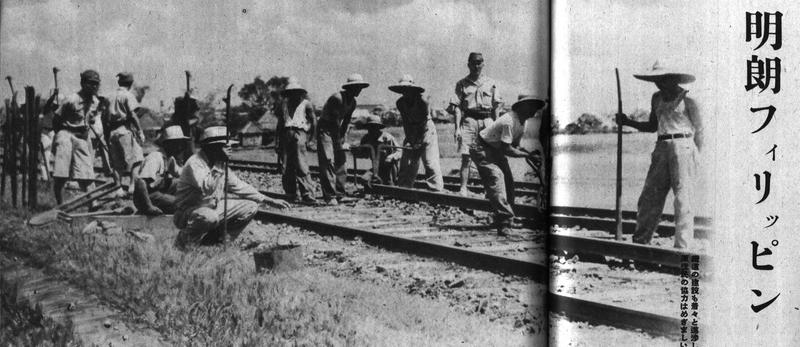
‘Happy Philippines’ Dōmei grafu, 9 January 1943. An example of Japanese Wartime News Propaganda.
‘Happy Philippines’
Dōmei grafu, 9 January 1943. An example of Japanese wartime news propaganda, via Asia-Pacific Journal.

Marc-William Palen
History Department, University of Exeter
Follow on Twitter @MWPalen

From the 9/11 Report’s missing pages to Cold War Czech spies in the land of Oz, here are this week’s top picks in imperial and global history. Continue reading “This Week’s Top Picks in Imperial & Global History”

US-Cuba Embargo Goes Beyond the Cold War

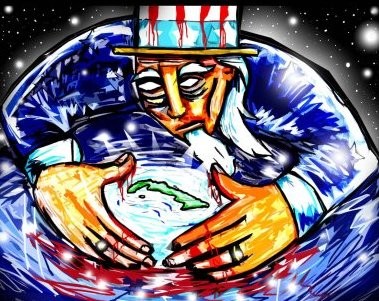
embargo cuba

Marc-William Palen
History Department, University of Exeter
Follow on Twitter @MWPalen

Cross-posted from History Today Magazine

President Obama’s decision to reopen the US embassy in Havana and to begin easing commercial and travel restrictions continues to be regarded by supporters as the highpoint of Obama’s foreign policy agenda to date. But the move has its fair share of detractors, too. To understand the predominantly Republican opposition to trade liberalization with Cuba, we must look beyond the Cold War. We must look further back into America’s imperial past.

More Than a Cold War Hangover

The Democratic leadership has explained Obama’s sizeable shift in US policy toward Cuba. ‘We will end an outdated approach that for decades has failed to advance our interests’, Obama stated. ‘Neither the American nor the Cuban people are well-served by a rigid policy that is rooted in events that took place before most of us were born.’ Nancy Pelosi similarly noted that ‘we must acknowledge our policy towards Cuba is a relic of a bygone era that weakens our leadership in the Americas and has not advanced freedom and prosperity in Cuba.’

Obama and Pelosi should look much farther back than the 1961 Cuban Embargo. The unequal US-Cuban power relationship stretches back to the turn of the 20th century.

Americans may have largely forgotten the first 60 years of US interventions in Cuban affairs – from the late 19th century to the mid-20th – but Cuban memories are longer. When Fidel Castro took power in 1959, his justification for doing so was not in stark cold-war anti-capitalistic terms. Rather, he harkened back to an earlier era of US-Cuban relations and to Cuba’s right to international freedom of trade. In a January 1959 speech, he warned that American diminution of Cuban sovereignty, stretching back to the late 19th century, would no longer be tolerated, and in front of the United Nations in 1960, Castro denounced American economic nationalist policies toward Cuba, declaring that it was an inalienable right that Cuba be allowed to freely ‘sell what it produces’ and to see its exports increase: ‘Only egotistical interests can oppose the universal interest in trade and commercial exchange.’ So when the Eisenhower administration showed itself indisposed toward normalizing US-Cuban relations, Castro turned instead to the other major geopolitical player, the Soviet Union, ‘to sell our products’.

In January 1961, stemming in part from the Cuban-Soviet trade agreement, the United States put in place the now infamous trade embargo against Cuba and severed diplomatic relations. The embargo has since stunted Cuban political and economic growth, and has accordingly served as an easy scapegoat for Fidel and his brother Raúl by allowing them to blame the United States for any and all economic woes befalling Cuba.

Even a cursory look at US trade policies toward other communist states shows how the US embargo against Cuba was – and remains – far more than a Cold War hangover. Continue reading “US-Cuba Embargo Goes Beyond the Cold War”

This Week’s Top Picks in Imperial & Global History

Image courtesy of Matt Roth, the Chronicle Review.

Marc-William Palen
History Department, University of Exeter
Follow on Twitter @MWPalen

From the return of grand narratives to how four Caribbean nations ended the Latin American embargo against Cuba, here are this week’s top picks in imperial and global history. Continue reading “This Week’s Top Picks in Imperial & Global History”

4. In Defense of Global History

Editor’s Note: It is hard to believe that the Imperial & Global Forum went live just a year ago. In the weeks leading up to the new year, please help us celebrate by checking out the year’s 10 most popular posts.

4. In Defense of Global History

Marc-William Palen
History Department, University of Exeter

Follow on Twitter @MWPalen

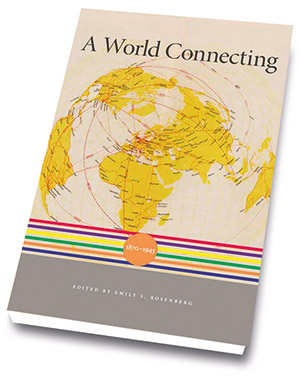
worldconnectingphoto

[Update: Please also read Professor Bell’s response.]

A recent New Republic article by David A. Bell on the limitations of the ‘global turn’ has been making the rounds this month, and deservedly so. Bell’s article reviews Emily Rosenberg’s 2012 edited volume A World Connecting: 1870-1945. [1] Nestled within it, however, is a much larger critique of the global historiographical shift toward ‘networks’ and ‘globalization’.

Bell’s criticisms are provocative. They are eloquent.

But are they fair? Let’s take a look. [continue reading]

This Week’s Top Picks in Imperial & Global History

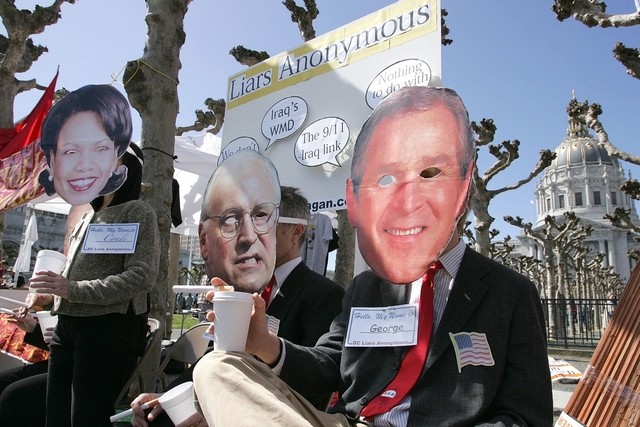
Anti-war demonstrators mock Rice, Cheney and Bush on 3rd anniversary of Iraq invasion. Justin Sullivan, AFP, Getty Images.

Marc-William Palen
History Department, University of Exeter
Follow on Twitter @MWPalen

From one of the 20th century’s most unusual books about empire, to how the neocons led the US to war in Iraq, here are this week’s top picks in imperial and global history. Continue reading “This Week’s Top Picks in Imperial & Global History”

This Week’s Top Picks in Imperial & Global History

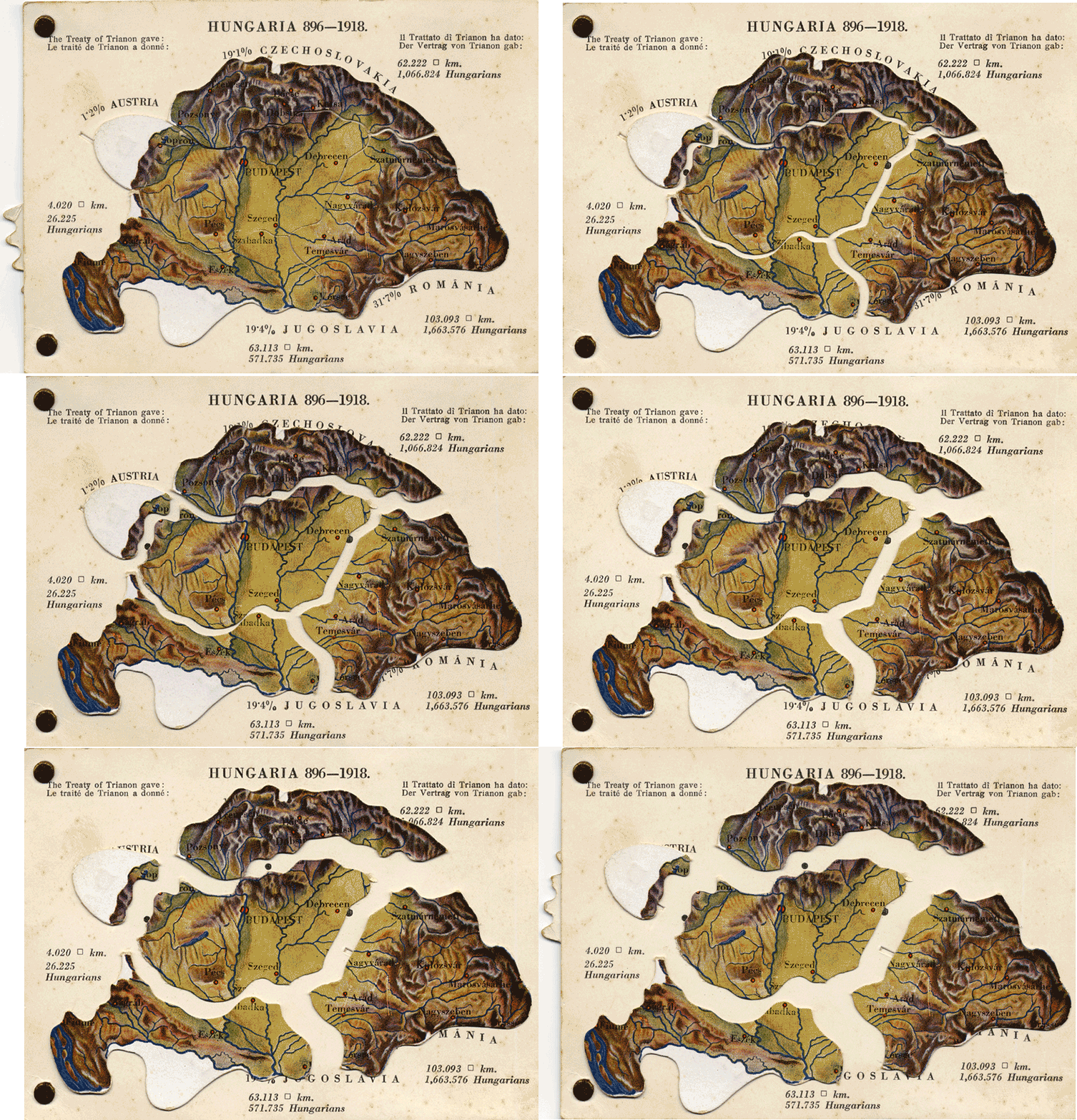
A mechanical postcard-form protest published by the Hungarian's Women's National Association, 1920, protesting the division of Hungaria by the Treaty of Trianon. A dial on the side of the card splits the country into its new political boundaries. Wofsonian
A mechanical postcard published by the Hungarian Women’s National Association, 1920, protesting the division of Hungaria by the Treaty of Trianon. A dial on the side of the card splits the country into its new political boundaries. Courtesy of Wofsonian

Marc-William Palen
History Department, University of Exeter
Follow on Twitter @MWPalen

From the Great War’s global effects to ISIS’s anti-Western gold currency, here are this week’s top picks in imperial and global history. Continue reading “This Week’s Top Picks in Imperial & Global History”