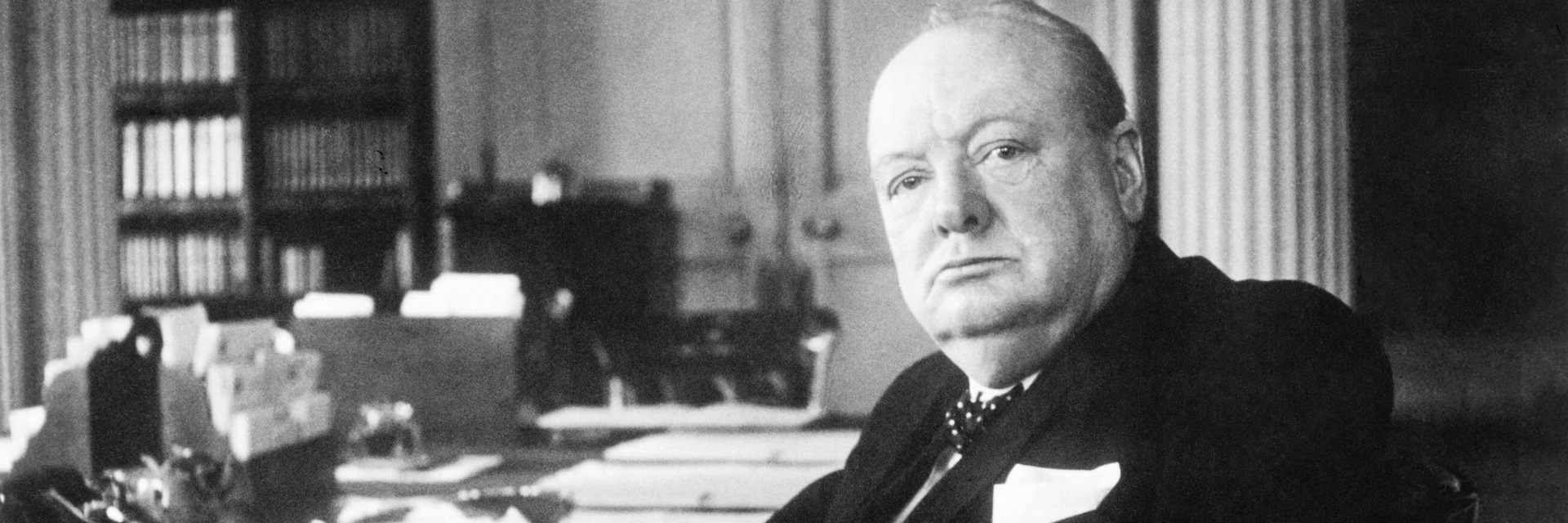
When Donald Trump criticised Keir Starmer for failing to sufficiently support American and Israeli operations against Iran, he did so with a historical flourish. “This is not Winston Churchill that we’re dealing with,” he complained.
The implication was clear: Churchill would have stood shoulder to shoulder with Washington in a confrontation with Tehran. The remark invites an obvious question: what would Churchill have made of war with Iran?
The answer is not as straightforward as Trump’s comparison suggests. Churchill’s record shows a mixture of hawkish rhetoric, strategic caution and a constant concern with maintaining Anglo-American unity. Far from embodying a simple instinct for confrontation, he tended to see war and diplomacy as inextricably linked.
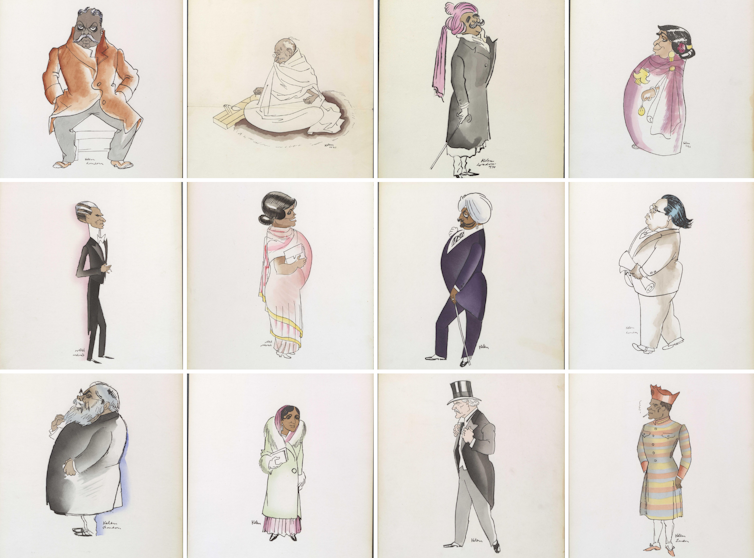
It was the talk of the town. From afternoon teas at Buckingham Palace to lunches, dinners and drinks provided by London’s political hostesses. Between 1930 and 1932, India’s social and political leaders headed to London to negotiate the constitutional future of India in the British empire.
The Round Table Conference is mostly remembered for Gandhi’s unsuccessful participation in the second session – where he failed to reconcile competing Hindu and Muslim demands. But this was only one small part of a conference of over 100 delegates.
Its three long sessions (two months, then three, then one) were captured by the world’s news media. UK prime minister Ramsay MacDonald’s concluding address from St James’s Palace
was filmed and broadcast in cinemas worldwide, as was the positive reaction of Indian delegates.
This was part of the retaliation against Gandhi’s civil disobedience movement of nonviolence and noncooperation against the British government.
Indian nationalists had been growing increasingly impatient for greater self-government in the 1920s. Divisions were rising between religious groups and politicians across the Indian empire.
To break the deadlock the British Labour government agreed to host an experiment in the new art of modern, international conferencing – turned to imperial ends.
Andrew Thompson Director, Centre for Imperial & Global History History Department, University of Exeter
An earlier version of this article appeared in the Conversation
Last week I attended the final “Provocation” of the Warwick Commission on the Future of Cultural Value. Several such enquiries are currently in train. Together they promise a major re-examination of the UK’s arts and culture as one of the country’s greatest assets. They will no doubt touch on many things. But it will be particularly interesting to see what they have to say about the influence of culture on the economy. For this is the holy grail of the quest to quantify cultural value – a very old question yet one stubbornly resistant to an answer.
Culture, as described by one celebrated critic, is among the most awkward words in the English language. The broad and diffuse nature of the concept has meant that many economists have long been reluctant co-opt culture into their debates about development. Yet the case for spending public money on culture is greatly weakened by this failure to get to grips with its relationship to the economy. At a time when the Institute for Fiscal Studies’ warns that up to 60% of public sector spending cuts are yet to be implemented, the arts and cultural sector more than ever needs to make its case to government in a manner commensurable with claims made by other competing calls on the public purse. Continue reading “Culture Makes All The Difference: Reclaiming the Culture of Economics”→

 Imperial & Global Forum
You must be logged in to post a comment.