How the Antarctic Reframes the Context of Class and Empire

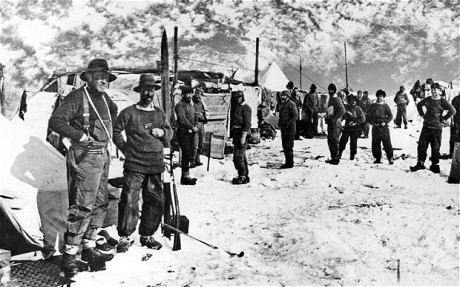
Shackleton Expedition, Antarctica, 1915. Photo: REX

Richard Batten
History Department, University of Exeter
Follow on Twitter @Richard_Batten

Review of Ben Maddison. Class and Colonialism in Antarctic Exploration, 1750-1920. London: Pickering & Chatto, 2014. xii + 247pp. £60 (hardback), ISBN 978-1848934184. ‘Empires in Perspective’ Series.
class and colonialismThe histories of Antarctic exploration have generally tended to focus on the narratives of intrepid explorers such as Ernest Shackleton and Robert F. Scott, who led expeditions of endurance to the arduous polar wilderness of Antarctica. In the view of Ben Maddison, this concentration on the heroism of the Antarctic explorers, who he defines as the Antarctic elite or the ‘masters’, was an understandable consequence of how historians had approached ‘Antarctic history almost exclusively from the rhetoric and records of the masters’ [79]. In Class and Colonialism in Antarctic Exploration, 1750-1920 (2014), Maddison suggests that historians have, unintentionally, strengthened the invisibility of the Antarctic working class because they have been hesitant to engage critically with the voices from below on these expeditions.

Indeed, Maddison argues that it was the ‘gentrification’ of Antarctic exploration in the late nineteenth and early twentieth centuries that further contributed to the silencing of the working class. This despite the fact that the expeditions to Antarctica were ‘facilitated by multifarious labours of the working class’ [6]. Consequently, Maddison claims to fill this historical vacuum by providing a substantial new interpretation of the history of Antarctic expeditions. Continue reading “How the Antarctic Reframes the Context of Class and Empire”
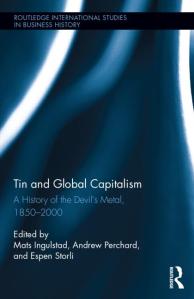
Tin and Global Capitalism, 1850-2000: A History of the “Devil’s Metal”

Mats Ingulstad, Andrew Perchard & Espen Storli

perchard Tin and global capitalismTin and Global Capitalism, 1850-2000 traces the development of the industry from the ups and downs of the Cornish trade to the emergence of the Bolivian, Congolese and Malays as global players. Released on 27 August 2014, as part of the Routledge International Studies in Business History, the volume is the first collection to emerge out of the establishment of the History and Strategic Raw Materials Initiative (HSRMI), which we founded in 2012.

HSRMI was formed with the explicit intention of bringing together scholars working on what EC Vice-President referred to in 2012 as “raw materials diplomacy” from an historical perspective to utilise history to inform ongoing public debates about access to “strategic raw materials”. The importance of this is underlined by ongoing trade disputes over access to “rare earths” and other mineral deposits, as well as “resource wars” in Africa. Based on papers given at a conference on tin and the global economy at Harvard Business School in June 2012, the book intentionally explores the growth of global capitalism through the prism of the international trade in tin. Continue reading “Tin and Global Capitalism, 1850-2000: A History of the “Devil’s Metal””

This Week’s Top Picks in Imperial & Global History

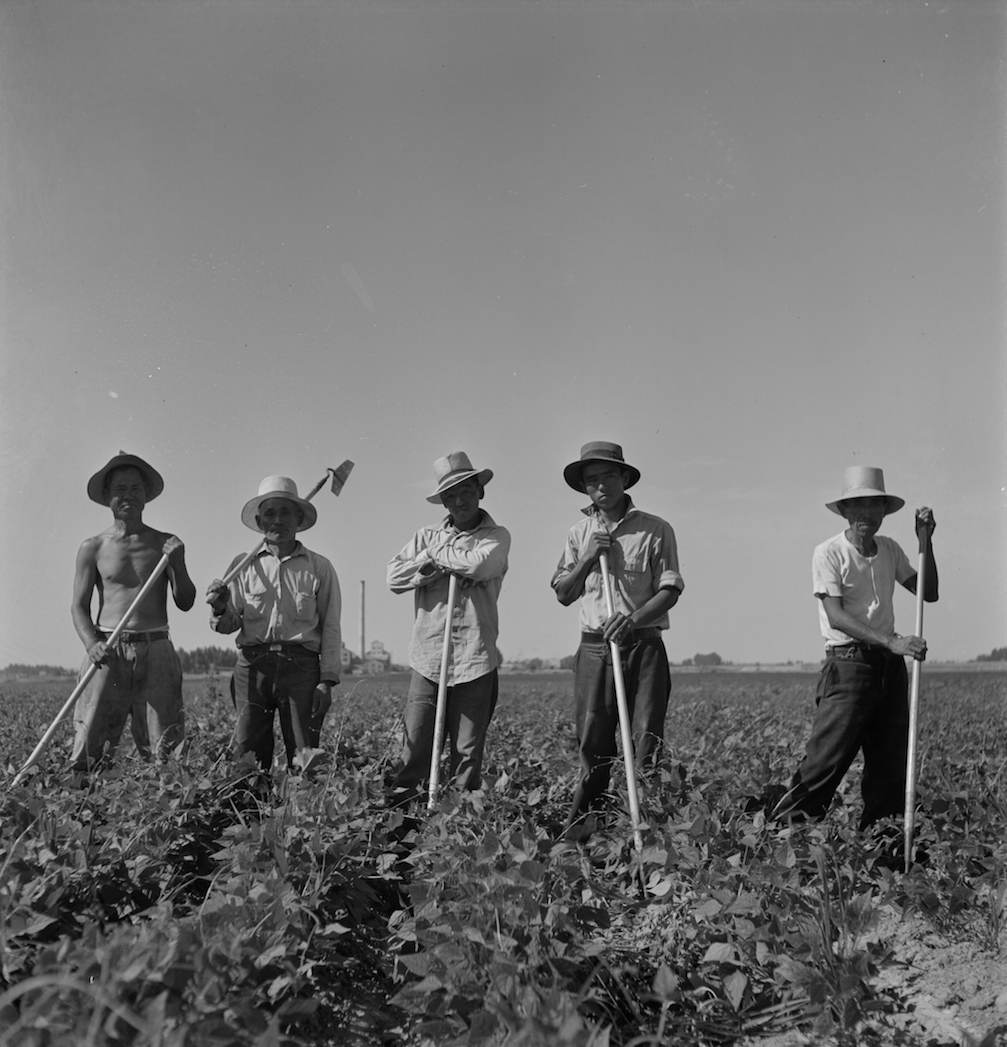
Farm laborers from the Twin Falls camp, July 1942. LC-USF34-073809-E. From Uprooted Exhibit.
Japanese Farm laborers, Twin Falls camp, USA, July 1942. LC-USF34-073809-E. From Uprooted Exhibit.

Marc-William Palen
History Department, University of Exeter
Follow on Twitter @MWPalen

It is a week of How’s: From how to read photos of Japanese internment to  how Piketty misses informal empire and unfree labor – here are this week’s top picks in imperial and global history. Continue reading “This Week’s Top Picks in Imperial & Global History”

Imperial History and Documentary Culture at the Bill Douglas Cinema Museum

David Thackeray, Angela Banks, Kelly Cave, Jessica Deters, Caroline Menu, Daniel Scherer, Xiaohan Wang, and Henrik Zimmermann
International Summer School 2014, University of Exeter

Cross-Posted from the Bill Douglas Cinema Museum

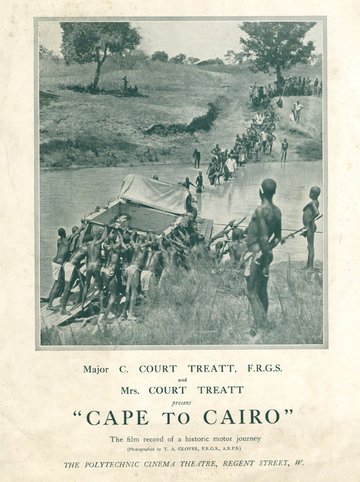
bill douglas 1In July 2014 the University of Exeter ran its second annual summer school connected to Imperial and Global History: Britain and the making of the modern world with students from Canada, China, India, the Netherlands, Switzerland, and the USA. In this blog post students reflect on their experience working with Dr. David Thackeray from the History Department to explore archives connected to imperial history and documentary culture from the Bill Douglas Cinema Museum at the University of Exeter. The museum is home to one of the largest collections of material on the moving image in Britain, with a collection of over 75,000 items. The class was split into three groups and given a variety of film and visual culture sources to explore, then asked to record their reactions to those they found of most interest. Continue reading “Imperial History and Documentary Culture at the Bill Douglas Cinema Museum”

Colonial Counterinsurgency in Comparative Perspective, Sept. 18-19

Gareth Curless and Martin Thomas
Centre for War, State, and Society, University of Exeter

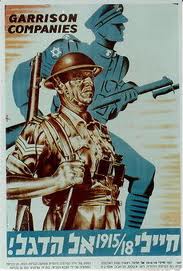
Palestine police poster (1)Online registration is now open for a two-day conference, ‘Colonial Counterinsurgency in Comparative Perspective’, to be held on 18 and 19 September 2014, the University of Exeter.

The recent conflicts in Afghanistan and Iraq have prompted renewed interest in Britain’s colonial experience of rebellion and state breakdown, while current French interventions in Mali and the Central African Republic have stirred controversy over French military actions in former colonial dependencies, promoting accusations of ‘imperialist humanitarianism’. Yet, in spite of increasing interest in the history of counterinsurgency and empire, we lack comparative studies of colonial responses to armed insurrection, civil disorder, anti-colonial paramilitaries and other irregular forces. The aim of the conference is to address this imbalance by drawing on examples from the British, Dutch, French, and Portuguese empires, as well as case studies from China and Southern Africa. Continue reading “Colonial Counterinsurgency in Comparative Perspective, Sept. 18-19”

Revisiting Bretton Woods and the Origins of the IMF: Guardian Book Review by @RichardToye

Screenshot 2014-08-03 07.41.20

Richard Toye
History Department, University of Exeter
Follow on Twitter @RichardToye

You can read this book review article in its entirety at The GuardianRichard Toye is the author of The Roar of the Lion: The Untold Story of Churchill’s World War II Speeches. To order The Summit for £20 with free UK p&p call Guardian book service on 0330 333 6846 or go to guardianbookshop.co.uk.

During the second world war, the British and Americans led a bold effort to create a new international economic architecture, in the hope of ensuring future stability and peace. That they pulled it off, more or less successfully, was not so much a miracle as the product of a specific set of propitious historical circumstances. But they didn’t achieve it by being nice to each other. During the planning phase, that led to the crucial Bretton Woods conference of 1944, John Maynard Keynes, Britain’s key negotiator, contemptuously threw some draft minutes prepared by the Americans to the floor, declaring them “intolerable”. Harry Dexter White, Keynes’s opposite number, shot back: “We will try to produce something which Your Highness can understand.”

Such anecdotes help turn Ed Conway’s account of potentially dry events into highly readable history. Continue reading “Revisiting Bretton Woods and the Origins of the IMF: Guardian Book Review by @RichardToye”

This Week’s Top Picks in Imperial & Global History

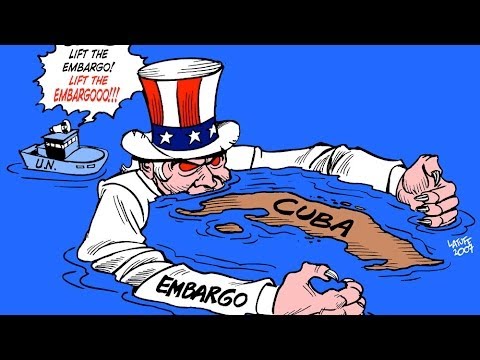
cubaembargo

Marc-William Palen
History Department, University of Exeter
Follow on Twitter @MWPalen

From Glasgow’s role in the slave trade to ending the US embargo against Cuba, here are this week’s top picks in imperial and global history. Continue reading “This Week’s Top Picks in Imperial & Global History”

Legal Crossroads of Empire: Exeter Historians’ Exhibit Opens This Week

Dr Nandini Chatterjee
History Department, University of Exeter

Mughal Emperor, seated, handing the Grant of Diwani to Lord Clive, 1765. © The British Library Board, Foster 29

On 31 July, the exhibition titled “A court at the crossroads of empire: stories from the Judicial Committee of the Privy Council” will open at the UK Supreme Court, London. You won’t want to miss it. There is colour and drama, and stories that range from murder to child custody, and from Australia to the Caribbean. And there is going to be a very cool touchscreen map of the world, offering more for those who want to go deeper into the areas of the world that the stories told in the exhibition relate to. Continue reading “Legal Crossroads of Empire: Exeter Historians’ Exhibit Opens This Week”

The Tragedy of American Diplomacy and US Imperialism

Marc-William Palen
History Department, University of Exeter
Follow on Twitter @MWPalen

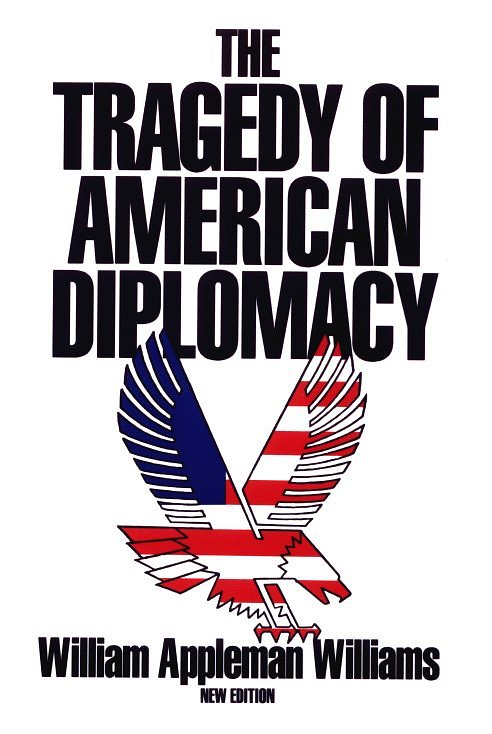
The_Tragedy_of_American_DiplomacyWilliam Appleman Williams is considered the founder of the “strongly influential” Wisconsin School of U.S. foreign relations imperial history that took root from within the History Department at the University of Wisconsin, Madison. Williams’s book The Tragedy of American Diplomacy, first published in 1959, was the first of many revisionist imperial histories of American foreign policy that appeared amid what would become the broader radical New Left movement. Continue reading “The Tragedy of American Diplomacy and US Imperialism”

This Week’s Top Picks in Imperial & Global History

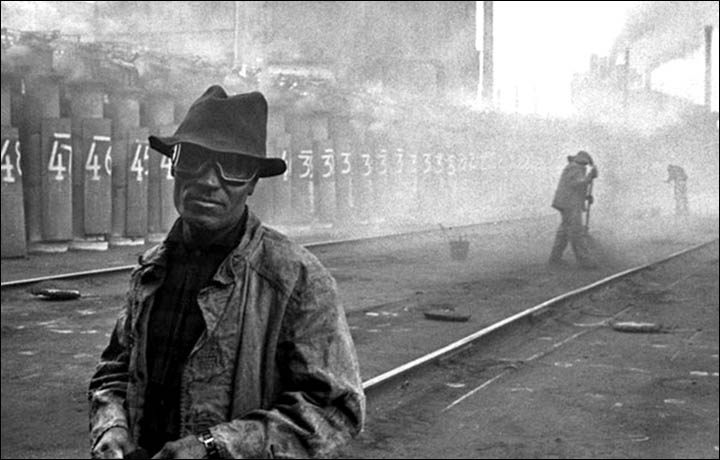
One among many untouched photos from Soviet Siberia. See story below. Picture: TRIVA photographers

Marc-William Palen
History Department, University of Exeter
Follow on Twitter @MWPalen

The Financial Times is making a global demand for more historians of wine. Also, killing Hitler, and more on New Left critiques of American imperialism. Oh, and did I mention contraband photos from Soviet Siberia? Here are this week’s top picks in imperial and global history. Continue reading “This Week’s Top Picks in Imperial & Global History”

History PhD Awarded for Work on 19th-Cent. Childhood Socialization in #Nigeria

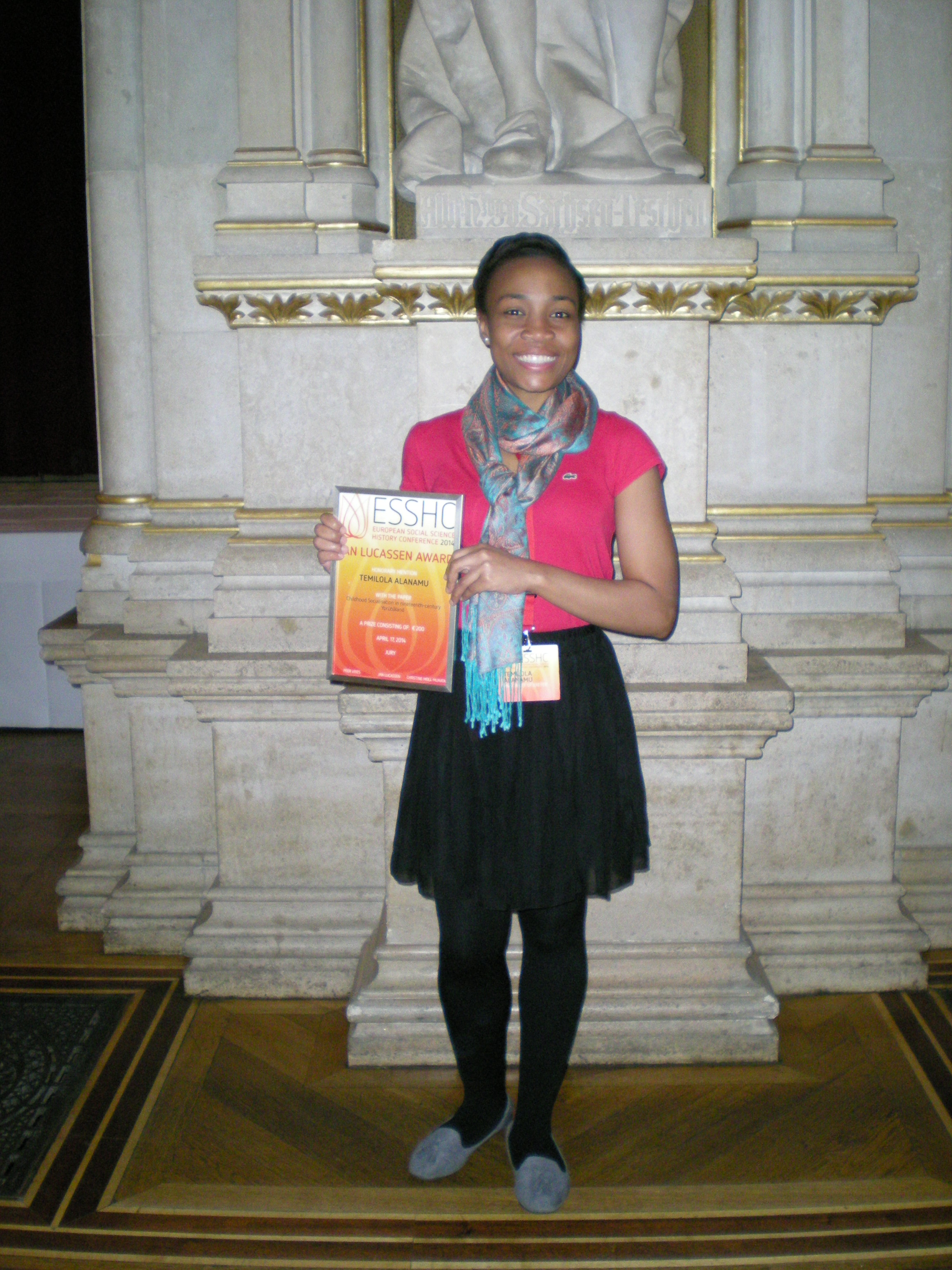
temi copyThe Centre for Imperial and Global History wishes to congratulate our student, Temi Alanamu, who was recently awarded an Honourable Mention Award under the inaugural Professor Jan Lucassen Award for the best paper by a PhD student at the European Social Science and History Conference in Vienna, 2014 – a very good showing at her first major conference! Continue reading “History PhD Awarded for Work on 19th-Cent. Childhood Socialization in #Nigeria”

Churchill the Middlebrow

Richard Toye
History Department, University of Exeter

Follow on Twitter @RichardToye

Cross-posted from Australian Book Review

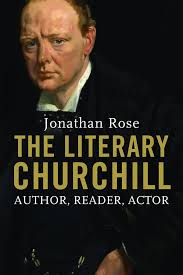
Rose Literary ChurchillOn the rear jacket of this fascinating and important book is a picture of Winston Churchill at his desk at Chartwell, his house in Kent, just a few months before the outbreak of World War II. Apparently caught in the moment of literary creation, cigar in mouth and concentrating on his papers, the photo credit – to a Picture Post photographer – leads to the obvious suspicion that this was actually a staged shot. For Churchill, his country home was not merely a place of repose but a writing factory, the output of which would earn him the large sums of money necessary for its upkeep. At the same time, his image as a man of letters served to advertise the product as well as to suggest the existence of a non-political ‘hinterland’ of the kind appropriate to a statesman of fertile brain and broad views. Continue reading “Churchill the Middlebrow”

This Week’s Top Picks in Imperial & Global History

JVG6-Currency-war_web

Marc-William Palen
History Department, University of Exeter
Follow on Twitter @MWPalen

From why ‘liberalism’ means empire to the global struggle over the value of money, here are this week’s top recommended reads in imperial and global history. Continue reading “This Week’s Top Picks in Imperial & Global History”

Congratulations! Exeter History PhD Student Awarded NORHED Postdoc

BethProfile (1) copyThe Centre for Imperial and Global History wishes to congratulate another of our students, Elizabeth (Beth) Laruni, for not only successfully passing her doctoral viva but for being awarded a two-year NORHED postdoctoral fellowship at the Makerere Institute of Social Research in Uganda. Beth, who works on Acholi politics and identity in Northern Uganda, has been with us at Exeter from the beginning of her undergraduate studies, and we are very proud of her achievements! Continue reading “Congratulations! Exeter History PhD Student Awarded NORHED Postdoc”

The Global Anti-Apartheid Movement, 1946-1994

Dr. Nicholas Grant
American Studies, University of East Anglia
Follow on Twitter @nicholasggrant

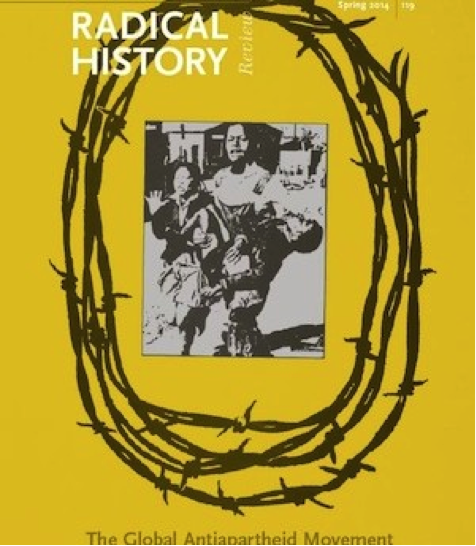
The Radical History Review Special Issue on ‘The Global Antiapartheid Movement’ No. 119 (Spring, 2014)

Last month saw the publication of the Radical History Review’s special issue on ‘The Global Anti-Apartheid Movement’. Appearing on the 20th anniversary of South African democracy, the issue contains articles, roundtables and review pieces that explore a range of transnational connections that shaped political opposition to white supremacy in South Africa. As editors Lisa Brock, Alex Lichtenstein and Van Gosse comment in their introduction, “in seeking contributions to this issue, we made a deliberate effort to give the truly global nature of the movements in solidarity with southern Africa their due.”[1]

Whilst activism in the US and Britain continues to dominate much of the scholarship on the international anti-apartheid movement, this special issue makes an important effort to move beyond this occasionally restricting narrative. Continue reading “The Global Anti-Apartheid Movement, 1946-1994”