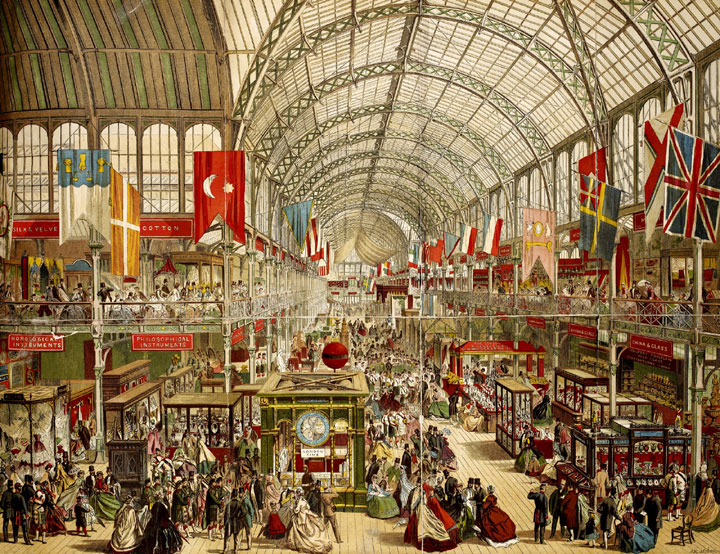
Ruling the Waves – Episode 3 – ‘The Workshop of The World’

Great Exhibition

Stefan Piotrowski
Against the Current Productions

Featuring Andrew Thompson, Bernard Porter, and Stephen Howe, this film focuses on the curious absence of Empire – or what might be called an imperial perspective – in mid-Victorian Britain. The first part explores other powerful ideas of Britain that compete with and at times overshadow the idea of Britain as an imperial nation. The second examines the extent to which these national ideas – imperial or otherwise – reverberated with the wider population.

Following on from – and inspired by – Hume’s History of England, nineteenth-century historians set great store by the country’s domestic progress. The central British story was a political narrative; its main characters those great men who had been at the heart of the nation’s affairs. The violence and ongoing instability unleashed by the revolution in France – in my opinion – also played a part in strengthening this tradition. The British political system, now newly reformed, had, it seemed, managed to steer a steady course between the extremes of tyrannical monarchy and anarchic democracy. Continue reading “Ruling the Waves – Episode 3 – ‘The Workshop of The World’”
Applying for Graduate Study in Imperial & Global History at Exeter

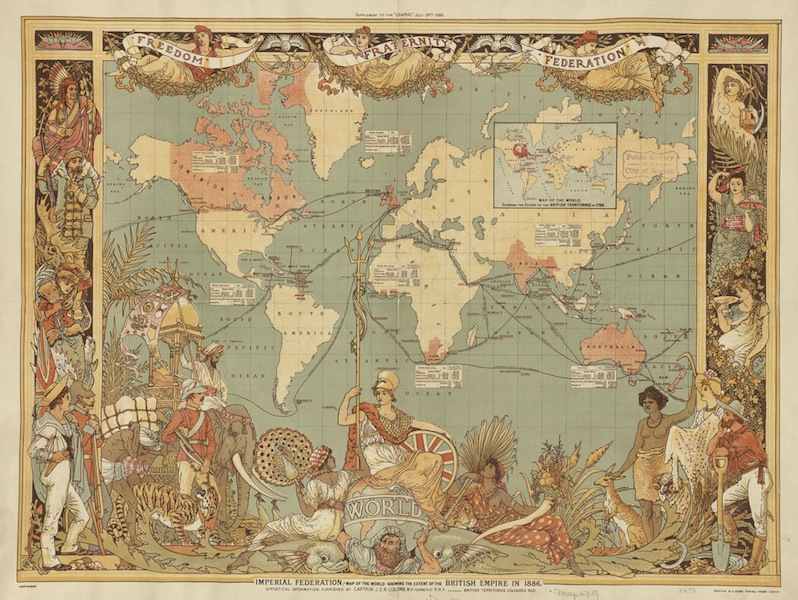
Imperial_Federation,_map_of_the_world_showing_the_extent_of_the_British_Empire_in_1886

The Centre for Imperial and Global History offers internationally-recognised supervision with geographical coverage from 30 staff across African, Asian (including Chinese), Middle Eastern, North American, Latin American, European, Imperial, and Global history from early-modern to contemporary eras. We have strong inter-disciplinary links with colleagues across the humanities and social sciences at Exeter, particularly with the Centre for War, State and Society and the Institute of Arab and Islamic Studies. The Centre has particular research interests in:

  • Globalisation’s past and present
  • Comparative empires and transnationalism
  • Humanitarianism, development and human rights
  • Law and colonialism
  • Political economy and the imperial state
  • Europe, decolonisation and the legacies of empire
  • The impact of armed conflict on society
  • Colonial warfare and counterinsurgency

Continue reading “Applying for Graduate Study in Imperial & Global History at Exeter”

This Week’s Top Picks in Imperial & Global History

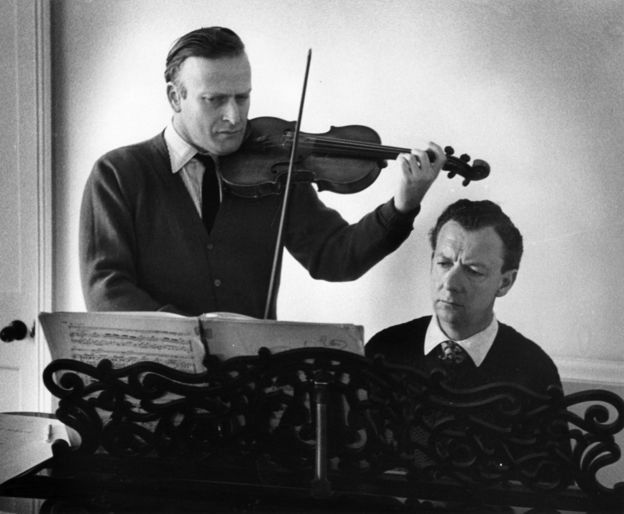
Yehudi Menuhin playing with Benjamin Britten, circa 1955. Getty Images.

Marc-William Palen
History Department, University of Exeter
Follow on Twitter @MWPalen

From Kissinger’s shadow to endless war, here are this week’s top picks in imperial and global history. Continue reading “This Week’s Top Picks in Imperial & Global History”

Ruling the Waves – Episode 2 – ‘Imperialists and Others’

victorian

Stefan Piotrowski
Against the Current Productions

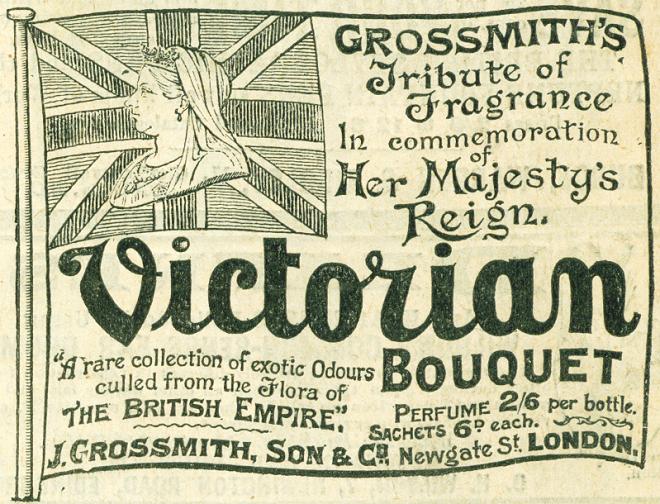
The title for this film was adapted from a chapter title in Bernard Porter’s Absent Minded Imperialists (as you may know Prof. Porter’s book was – and still is – the subject of quite considerable debate, and I will return to this in a later section). Following Prof. Porter’s lead, I have in this chapter examined the relationship of different social groups to empire – and how their socio-economic status back home shaped their interaction with empire.

Class, a word out of favour with today’s sociologists, although a broad term, is still a useful categorisation from which to explore the British relationship to Empire. Attitudes formed within a certain social milieu at home were very often carried outward into empire and had considerable influence over how individuals interpreted this new space and their place within it.

But I would also want to stress, that although it might be a powerful factor in shaping them, social class didn’t automatically define or limit attitudes towards empire. People from the within the same social group could have conflicting attitudes towards the spread of capitalism, technology, or even the Christian faith. When Britons came into contact with Empire there was no simple uniformity of imperial experience.

Did the settler on the Canadian prairies share the same worldview as the opium trader, or the plantation owner, or the shipping magnate? What about settlers who came to the cities looking not for land but for work? What about the factory worker whose mill processed Indian cotton? Were they motivated by the same things? Did they share the same ideology or set of principles? Continue reading “Ruling the Waves – Episode 2 – ‘Imperialists and Others’”

War and Diplomacy in an Age of Extremes

5372987

Jeremi Suri
University of Texas at Austin
suri@austin.utexas.edu

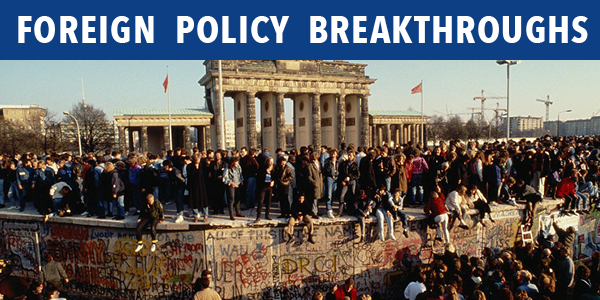
Contemporary foreign policy is faster and more destructive than ever before.

It is dominated by high technology weapons, non-traditional soldiers, vast movements of money, and targeted transmissions of images and ideas. For more than a decade, experts have debated the relative influence of “hard” and “soft” power, but in reality the actions of the most powerful international actors have become more forceful than ever before since the Second World War. With the United States fighting wars in Afghanistan and Iraq, the Russians invading Crimea, China building islands in international waters, and the Islamic State terrorizing occupied territories, it is hard to deny that muscle-flexing is the main medium of political communication in the world today.

Unlike in the Cold War, when the bipolar relations between the United States and the Soviet Union enforced self-limiting rules for international conduct, today the law of the jungle is the guiding principle of globalization. The strong feel free to take what they can. They fear that if they do not act forcefully, someone else will seize what is most valuable in a hyper-competitive international system. Our world has fewer big wars, but we are still always at war. Continue reading “War and Diplomacy in an Age of Extremes”

This Week’s Top Picks in Imperial & Global History

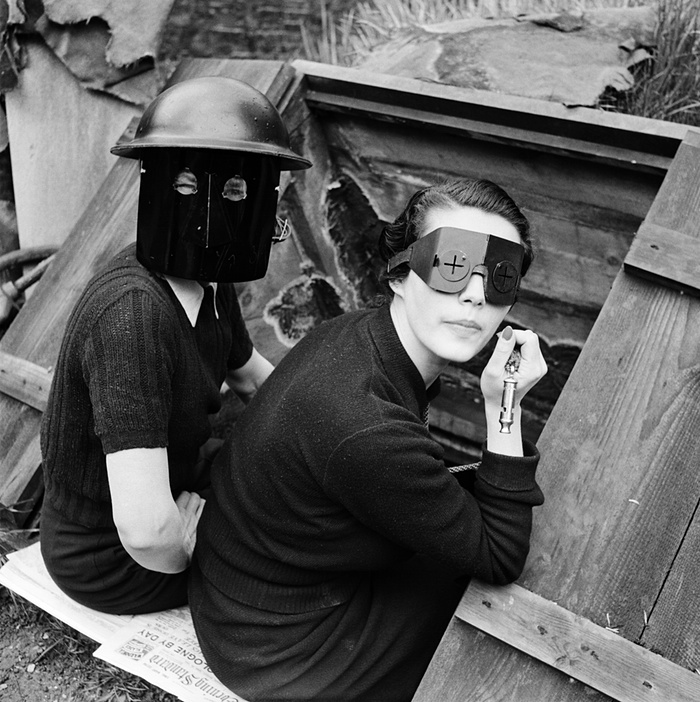
Women in fire masks, Downshire Hill, Hampstead, London, 1941. Photo by Lee Miller.
Women in fire masks, Downshire Hill, Hampstead, London, 1941. Photo by Lee Miller. Featured in the Guardian.

Marc-William Palen
History Department, University of Exeter
Follow on Twitter @MWPalen

From the ambiguous legacy of Free Trade England to the long fight for Swiss suffrage, here are this week’s top picks in imperial and global history. Continue reading “This Week’s Top Picks in Imperial & Global History”

Ruling the Waves – Episode 1 – ‘An Expanding Empire’

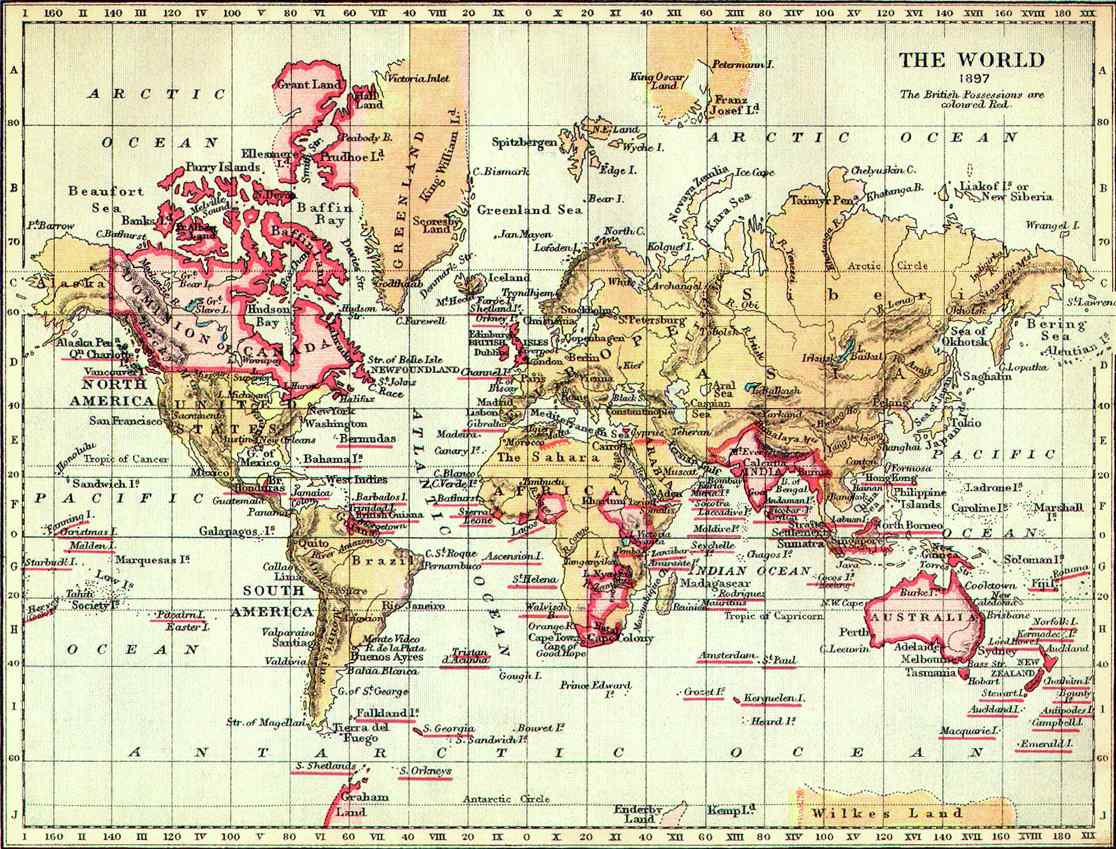
British_Empire_1897

Stefan Piotrowski
Against the Current Productions

There seems to be a tendency for some public figures and media commentators to make sweeping assertions about how ‘the Empire’ did this or that to ‘the British’, as if both could somehow be easily defined and the relationship neatly described.

A central theme of these films – perhaps the central theme – is that the relationship between domestic society and Empire was always a complex one, and that this complexity was the result of the diverse nature of Britain’s overseas territory on the one hand, and the diversity of British society on the other.

This first chapter tries to make some sense of the former, that ‘patchwork quilt’ of colonies, protectorates, dominions and so on, that made up the British Empire. The different types of territory, the tremendous variety in the way in which the different parts of it were governed, all made – and still make – the Empire very difficult to understand as some kind of conceptual whole. Continue reading “Ruling the Waves – Episode 1 – ‘An Expanding Empire’”

Call for Applications for Global Humanitarianism Research Academy – Deadline 31 December 2015

Drs Fabian Klose, Johannes Paulmann, and Andrew Thompson are pleased to announce that the Call for Applications for the second Global Humanitarianism Research Academy (GHRA) 2016 is now open, with a deadline of 31 December 2015.

GHRA

Call for Applications:

Global Humanitarianism | Research Academy

International Research Academy on the History of Global Humanitarianism

Academy Leaders:                    

Fabian Klose (Leibniz Institute of European History Mainz)

Johannes Paulmann (Leibniz Institute of European History Mainz)

Andrew Thompson (University of Exeter)

in co-operation with the International Committee of the Red Cross (Geneva) and with support by the German Historical Institute London

Venues:                     University of Exeter, UK & Archives of the International Committee of the Red Cross, Geneva

Dates:                                          10-22 July 2016

Deadline:                                   31 December 2015

Screen Shot 2015-09-28 at 11.21.43

The international Global Humanitarianism | Research Academy (GHRA) offers research training to advanced PhD candidates and early postdocs. It combines academic sessions at the Imperial and Global History Centre at the University of Exeter and the Leibniz Institute of European History in Mainz with archival sessions at the Archives of the International Committee of the Red Cross in Geneva. The Research Academy addresses early career researchers who are working in the related fields of humanitarianism, international humanitarian law, peace and conflict studies as well as human rights covering the period from the 18th to the 20th century. It supports scholarship on the ideas and practices of humanitarianism in the context of international, imperial and global history thus advancing our understanding of global governance in humanitarian crises of the present. Continue reading “Call for Applications for Global Humanitarianism Research Academy – Deadline 31 December 2015”

This Week’s Top Picks in Imperial & Global History

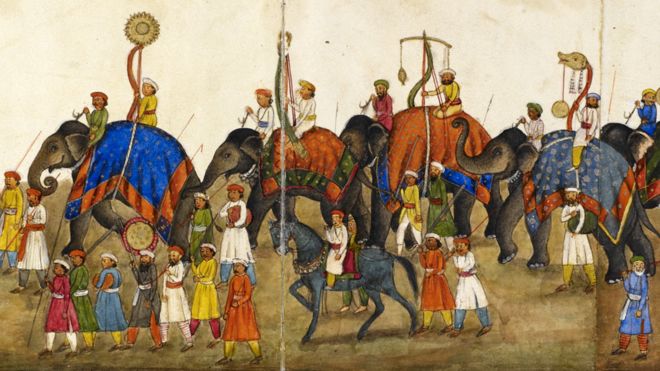
_85630803_elephant_detail976

Marc-William Palen
History Department, University of Exeter
Follow on Twitter @MWPalen

From global struggles for racial justice to remembering the Iran-Iraq War, here are this week’s top picks in imperial and global history. Continue reading “This Week’s Top Picks in Imperial & Global History”

Imagining Markets: Conceptions of Empire/Commonwealth, Europe and China in Britain’s economic future since the 1870s

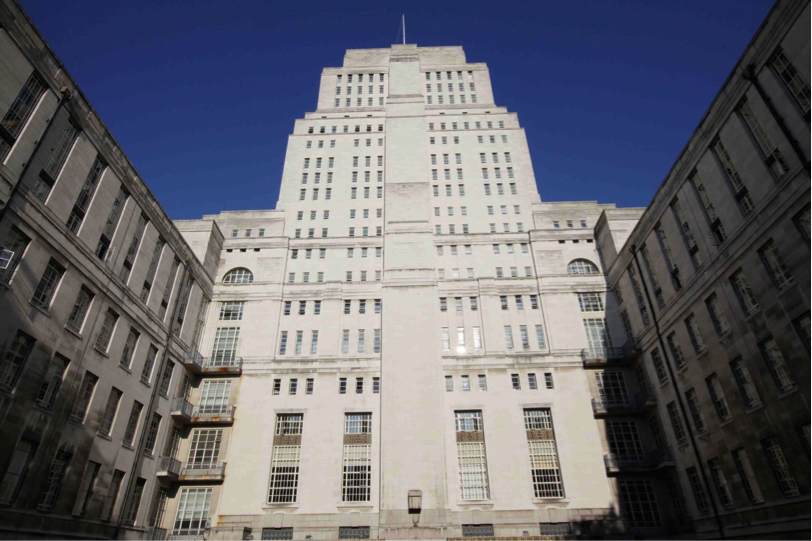
Senate House

2nd workshop, London, September 2015- report

Senate House has featured in many guises from being the supposed model for the Ministry of Truth in George Orwell’s 1984 to Bertie Wooster’s New York apartment block in the TV adaptation of Jeeves and Wooster. This month it played host to the second of three academic workshops connected to the AHRC Imagining Markets network led by David Thackeray, Andrew Thompson and Richard Toye from the University of Exeter. You can read more about the project at www.imaginingmarkets.com.

We began by discussing how the idea of economic imagination can shape our understandings of political economy, and how this cultural idea has various facets (imaginings of economic utopias/ dystopias; entrepreneurship; the imagining of status and aspiration). Papers focused on how a variety of actors shaped ideas of the economic future and interconnected through networks at the level of government and the ‘official mind’; business groups; cultural organisations; advertisers; and civil society. Continue reading “Imagining Markets: Conceptions of Empire/Commonwealth, Europe and China in Britain’s economic future since the 1870s”

This Week’s Top Picks in Imperial & Global History

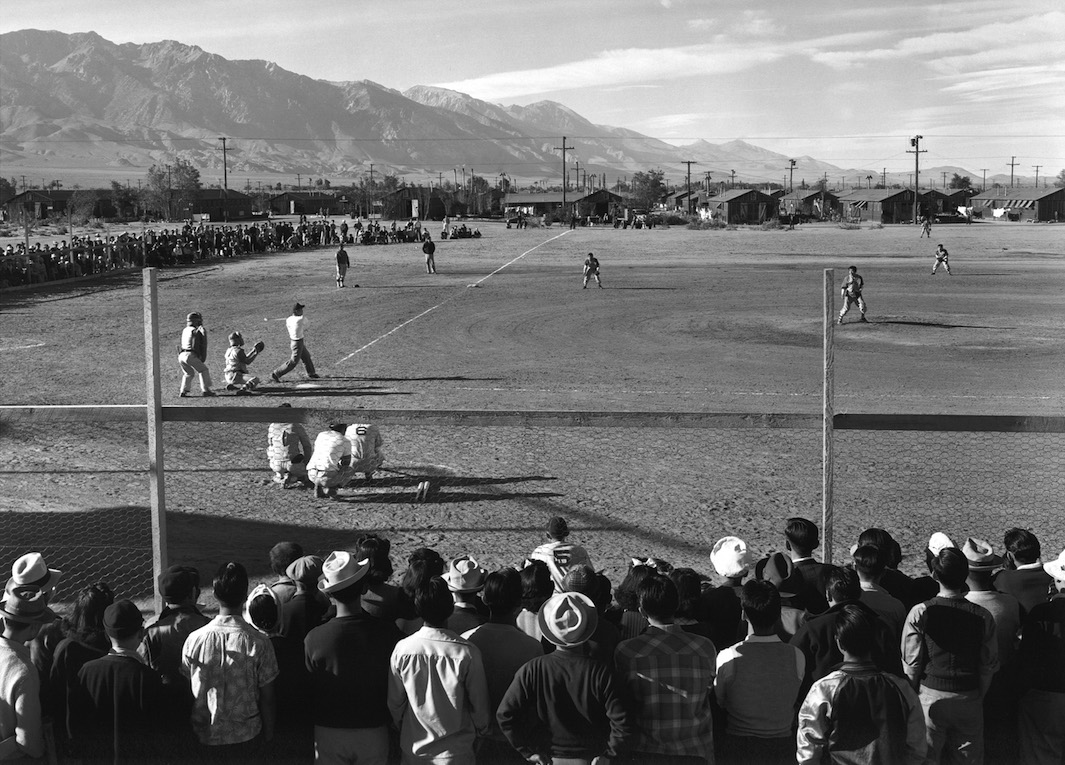
Japanese Americans play baseball at a WWII internment camp. Ansel Adams, "Baseball," 1943. Courtesy of Photographic Travelling Exhibitions.
Japanese Americans play baseball at a WWII internment camp. Ansel Adams, “Baseball,” 1943. Courtesy of Photographic Travelling Exhibitions.

Marc-William Palen
History Department, University of Exeter
Follow on Twitter @MWPalen

From the last outposts of the British Empire to the declassification of a trove of top-secret CIA documents, here are this week’s top picks in imperial and global history.

Continue reading “This Week’s Top Picks in Imperial & Global History”

Tonight (12pm EST, 5pm GMT) Watch Live Streaming ICRC Debate on the History of Humanitarianism with Director Thompson

ICRC (1)

Cross-posted from the International Committee of the Red Cross, where the debate will be streamed live

This livestreamed public event, to be held on 16 September from 18:00 to 19:30, will gather internationally recognized historians, academics and senior humanitarian practitioners to discuss the doctrine of humanitarian principles in critical historical perspective. It will be the public segment of a two-day historical symposium jointly organized by the UK Arts and Humanities Research Council, theUniversity of Exeter and the ICRC. The event is inscribed in the Research and debate cycle on principles guiding humanitarian action.

The year 2015 represents a major anniversary for the Red Cross Red Crescent Movement: 50 years ago, its “Fundamental Principles” have been proclaimed at its XXth International Conference  in Vienna. The aim of this conference is to reflect on how these principles have influenced – and been influenced by − the broader humanitarian sector. What can be learnt about the Principles from the rich history of the Red Cross and Red Crescent Movement and the wider humanitarian sector, that may in turn provide insights into current realities and act as a guide for the future?

The panelists will discuss the relevance, influence and challenges of the humanitarian principles in three different historical periods: (1) From the Birth of Humanitarianism to the World Wars (c. 1860-1945), (2) Decolonisation and the Cold War (1945-1989) and (3) The Era of “Liberal Interventionism” (1990’s-today). Continue reading “Tonight (12pm EST, 5pm GMT) Watch Live Streaming ICRC Debate on the History of Humanitarianism with Director Thompson”

Digital Research Tips for Dissertations in Imperial & Global History

Image from Journal of a Residence in the Burmhan Empire, and more particularly at the Court of Amarapoorah [Edited by H. C. M. Cox.], p. 328. Courtesy of the British Library.
Image from Journal of a Residence in the Burmhan Empire, and more particularly at the Court of Amarapoorah [Edited by H. C. M. Cox.], p. 328. Courtesy of the British Library on flickr.

Marc-William Palen
History Department, University of Exeter
Follow on Twitter @MWPalen

It is that time of year again. The semester begins; students scramble to find digital archives for research papers; supervisors seek to steer them in the right direction. In contrast to a decade ago, online archival options are now overwhelming. To help wade through the sea of digital archives, over the past couple of years we have offered some suggestions for digital research in imperial and global history, included below. Any other new digital archives that those researching topics in imperial and global history might find useful?
Continue reading “Digital Research Tips for Dissertations in Imperial & Global History”

This Week’s Top Picks in Imperial & Global History

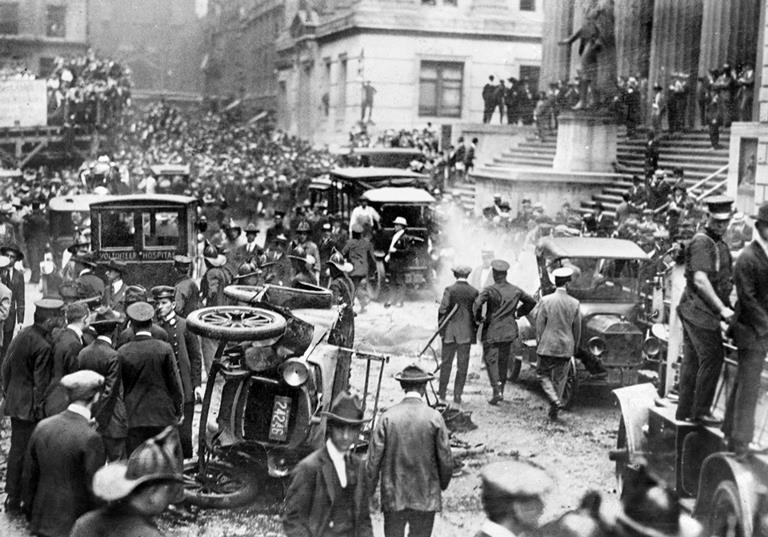
Aftermath of the Wall Street explosion in 1920. Source: Getty
Aftermath of the Wall Street explosion in 1920. Getty

Marc-William Palen
History Department, University of Exeter
Follow on Twitter @MWPalen

From bombing Wall Street to rewriting the history of the Second World War, here are this week’s top picks in imperial and global history. Continue reading “This Week’s Top Picks in Imperial & Global History”

This Week’s Top Picks in Imperial & Global History

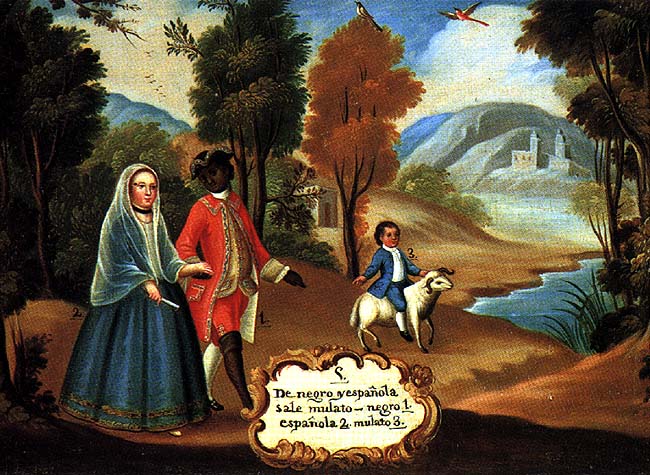
“De negro é española sale mulato” (A Black Man and a Spanish Woman Produce a Mulatto). Pintura de castas, ca. 1780.

Marc-William Palen
History Department, University of Exeter
Follow on Twitter @MWPalen

From the ‘imperialist’ Second World War to purchasing whiteness in colonial Latin America, here are this week’s top picks in imperial and global history. Continue reading “This Week’s Top Picks in Imperial & Global History”