
Marc-William Palen
History Department, University of Exeter
Follow on Twitter @MWPalen
Marc-William Palen
History Department, University of Exeter
Follow on Twitter @MWPalen
Cross-posted from Humanitarianism & Human Rights
After the first part the Global Humanitarianism Research Academy (GHRA) 2015 at the Leibniz Institute of European History in Mainz the next week of academic training will take place at the Archives of International Committee of the Red Cross in Geneva.
On Day One recent research and fundamental concepts of global humanitarianism were critically reviewed. Participants discussed crucial texts on the historiography of humanitarianism and human rights. Themes included the historical emergence of humanitarianism since the eighteenth century and the troubled relationship between humanitarianism, human rights, and humanitarian intervention. Further, twentieth century conjunctures of humanitarian aid and the colonial entanglements of human rights were discussed. Finally, recent scholarship on the genealogies of the politics of humanitarian protection and human rights since the 1970s was assessed, also with a view on the challenges for the 21st century. Continue reading “Global Humanitarianism Research Academy 2015 – Week 1”
Marc-William Palen
History Department, University of Exeter
Follow on Twitter @MWPalen
Call for Papers for an Interdisciplinary Workshop as part of the research project
Cultural Exchange in Times of Global Conflict: Colonials, Neutrals and Belligerents during the First World War
London – 17 September 2015
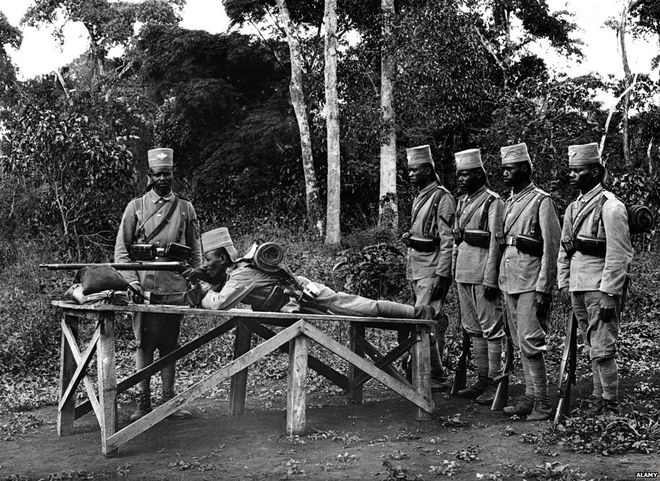
If the First World War is usually defined as the military clash of empires, it can also be reconceptualised as a turning point in the history of cultural encounters. Between 1914 and 1918, more than four million non-white men were drafted mostly as soldiers or labourers into the Allied armies: they served in different parts of the world – from Europe and Africa to Mesopotamia, the Middle East and China – resulting in an unprecedented range of cultural encounters. The war was also a turning point in the history of photographic documentation as such moments and processes were recorded in hundreds of thousands of photographs by fellow soldiers, official photographers, amateurs, civilians and the press. In the absence of written records, these photographs are some of our most important – and hitherto largely neglected – sources of the lives of these men: in trenches, fields, billets, hospitals, towns, markets, POW camps. But how do we ‘read’ these photographs?
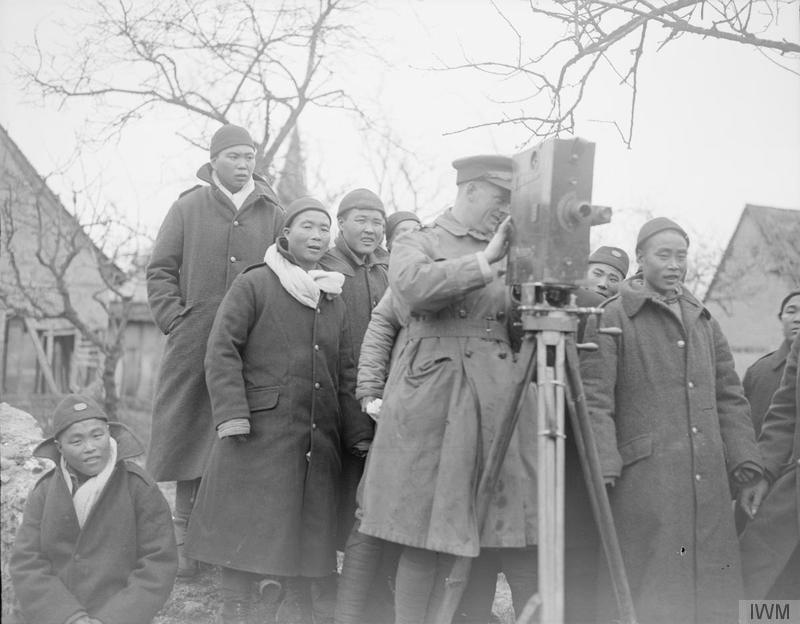
Using the First World War as a focal point, this interdisciplinary one-day workshop aims to examine the complex intersections between war, colonialism and photography. What is the use and influence of (colonial) photography on the practice of history? What is the relationship between its formal and historical aspects? How are the photographs themselves involved in the processes of cultural contact that they record and how do they negotiate structures of power? Continue reading “Call For Papers – Colonialism, War & Photography”

Peter E. Hamilton
University of Texas at Austin
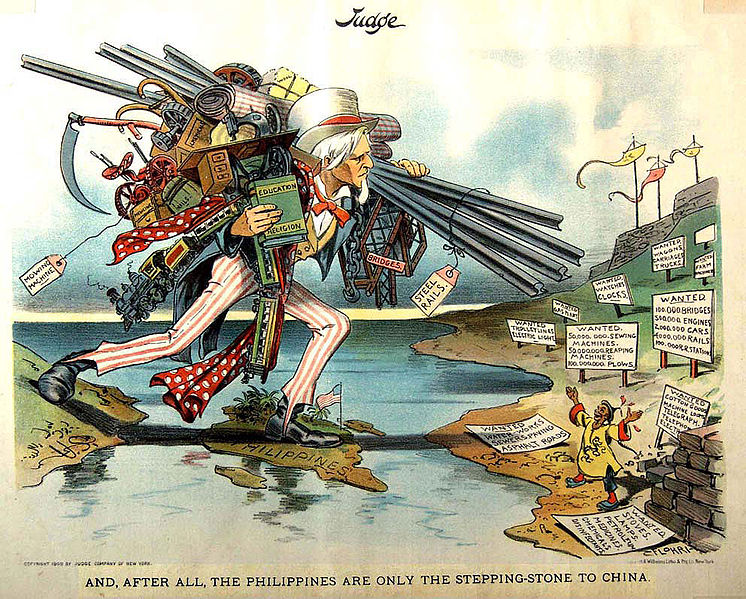
Empires are in motion in the Pacific. While China continues to assert its military muscle in the East and South China Seas, it is simultaneously ramping up a “soft power” offensive through the new Asian Infrastructure Investment Bank (AIIB). This Chinese-led institution represents the opening salvo in a sustained effort to decenter US-dominated institutions such as the World Bank from exclusive leadership over global capitalism. Indeed, China is also adding momentum to its proposed Free Trade Area of Asia Pacific (FTAAP), a free trade zone that would include many US allies but not the United States. Increasingly sensitive about this competitor, the United States is now rushing to reinforce the imperial perimeter that it has held across most of Asia’s coastline since the end of World War II.
As a result, on June 24 the US Congress granted the Obama administration what is called “fast track” or trade promotion authority to complete negotiations on the Trans-Pacific Partnership (TPP). This vast free trade agreement will cover the United States and eleven of its principal Pacific partners—together nearly 40 percent of the global economy. From Japan, Canada, and Mexico to Chile, Malaysia, and Vietnam, each potential signatory is either a key US ally or very invested in maintaining US leadership in the Pacific.
China’s absence is glaring. Moreover, while fast-track authority makes the TPP far more likely by prohibiting death by Congressional amendment, this practical step also underscores that the administration and Congress (primarily Republicans) both view this deal through a strategic lens and its potential to cement non-Chinese relationships. The actual details are seen as far less important and have been largely entrusted to multinationals’ lobbyists. When these complex and now highly secretive terms debut, Congress and the public will likely be railroaded into their wholesale acceptance. The TPP thus offers a new iteration of the United States’ and other empires’ longstanding use of market access to cement informal control over allies and client states. Continue reading “The Trans-Pacific Partnership: Imperial Preference Reborn?”
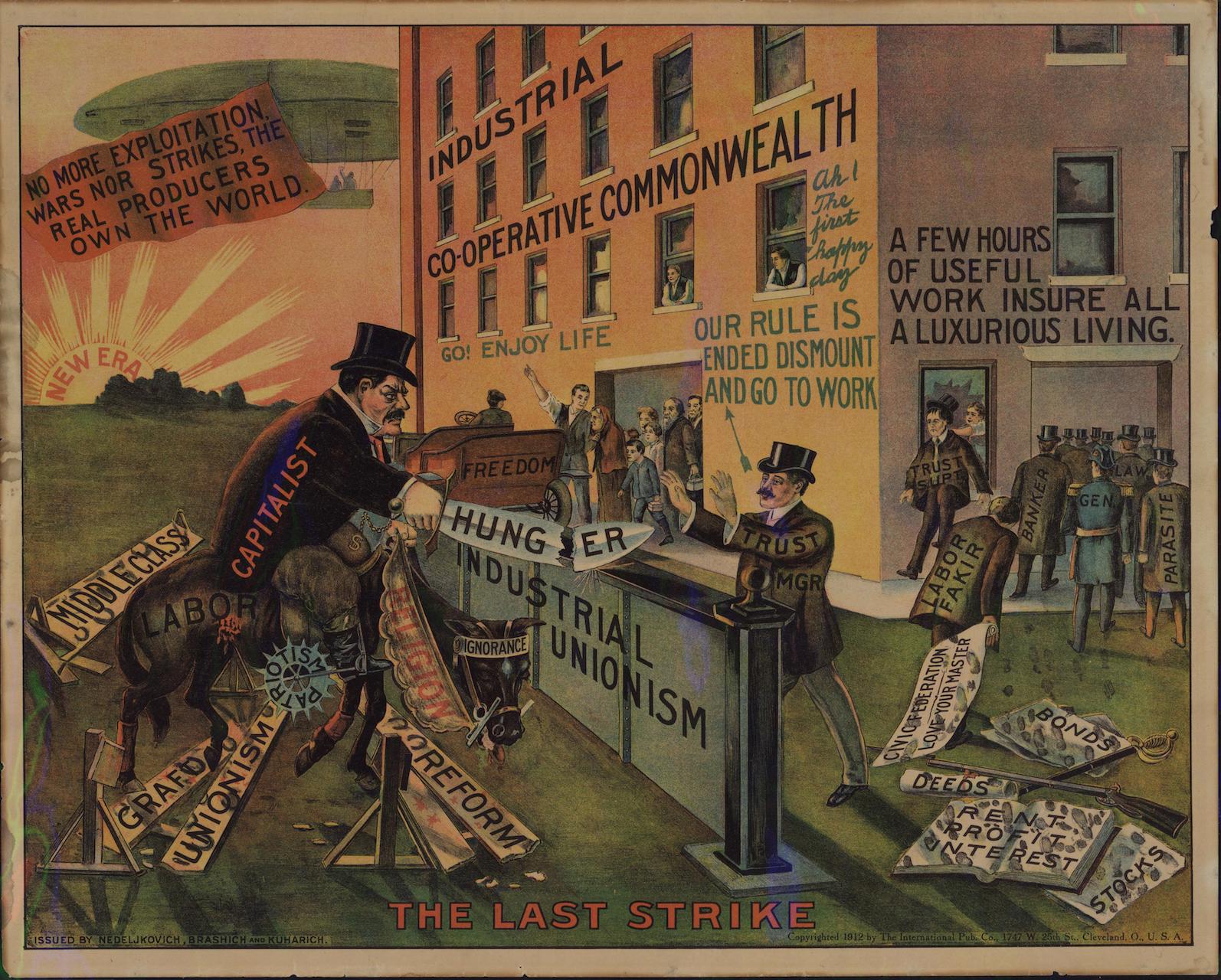
Marc-William Palen
History Department, University of Exeter
Follow on Twitter @MWPalen
Continue reading “This Week’s Top Picks in Imperial & Global History”
R. Joseph Parrott
University of Texas at Austin
Fellow, Miller Center, University of Virginia
Follow on Twitter @RJParrott_
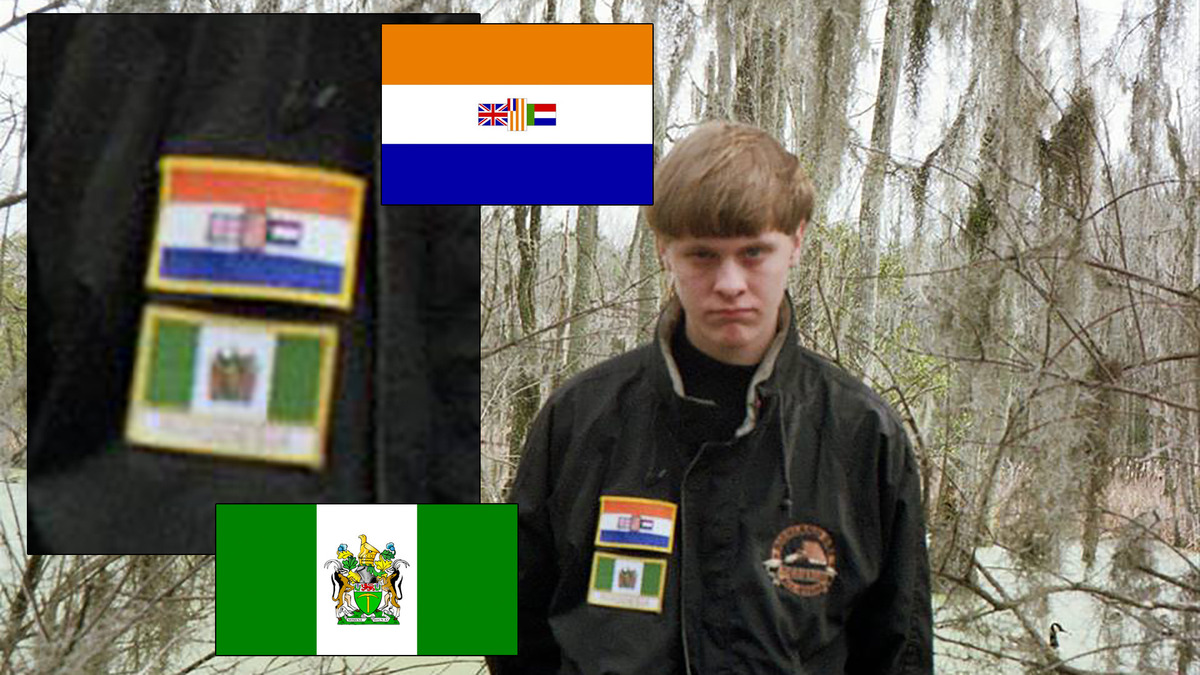
In the wake of the shooting at the Emanuel African Methodist Episcopal Church in Charleston, the United States has undergone a deep soul searching. Images of the confessed shooter posing with the Confederate Battle Flag have launched a long-overdue national debate about the meaning of Confederate imagery. But they have quickly overshadowed the shooter’s use of two other symbols: the defunct standards of Rhodesia (Zimbabwe) and apartheid South Africa.
Though not nearly as ubiquitous as the “stars and bars,” these totems symbolize an international segregationist philosophy of white superiority. While historians have rightly focused on the transnational dimensions of decolonization and the civil rights movement, there was also a smaller, if no less global, reaction against these trends. Both South Africa and Rhodesia actively cultivated alliances with reactionary white populations abroad, building support in the United States, particularly in the area of the old Confederacy. The Charleston shooting therefore serves as a violent reminder that American racism today is not only a regional issue – it has also been shaped by a decades-long global opposition to human and civil rights. Continue reading “Charleston Shooting Exposes America’s Pro-Apartheid Cold War Past”
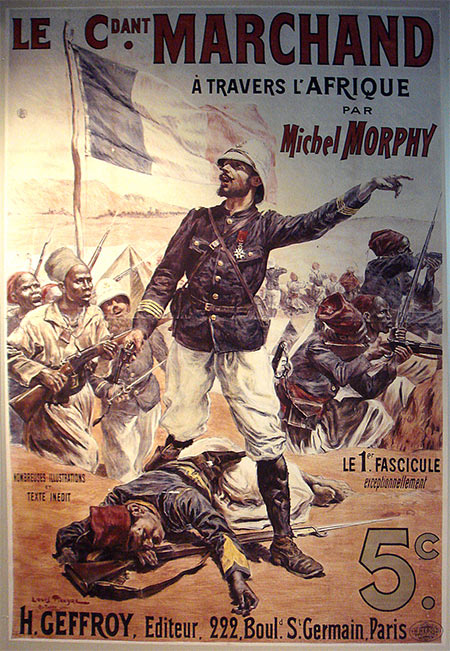
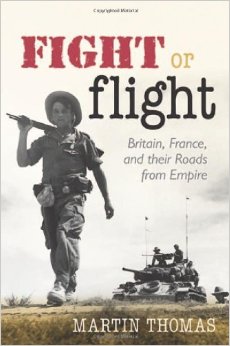 Martin Thomas’s path-breaking book Fight or Flight: Britain, France, and their Roads from Empire tells how the world’s two largest colonial empires disintegrated dramatically after the Second World War. Although shattered by war, in 1945 Britain and France still controlled the world’s two largest colonial empires, with imperial territories stretched over four continents. And they appeared determined to keep them: the roll-call of British and French politicians, soldiers, settlers and writers who promised in word and print at this time to defend their colonial possessions at all costs is a long one. Yet, within twenty years both empires had almost completely disappeared.
The collapse was cataclysmic. Peaceable ‘transfers of power’ were eclipsed by episodes of territorial partition and mass violence whose bitter aftermath still lingers. Hundreds of millions across four continents were caught up in the biggest reconfiguration of the international system ever seen.
In this new Talking Empire podcast Professor Thomas talks about the book with Professor Richard Toye.
Marc-William Palen
History Department, University of Exeter
Follow on Twitter @MWPalen
John Munro
Saint Mary’s University[1]
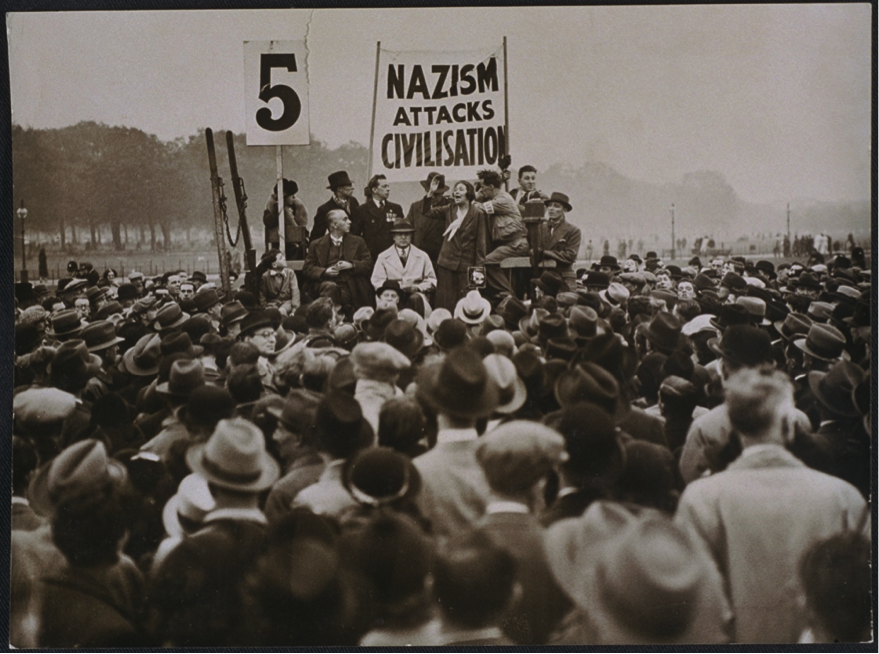
There’s a lot to be said for emphasizing the structuring role of colonialism and anticolonialism across the twentieth century. To contextualize the world wars, the Cold War, and contemporary global capitalism as embedded in a larger set of imperial continuities is to offer an indispensable corrective to the overemphasis of 1945 as epistemic break; the embellishment of US history as an empire-free zone; or the exaggeration of the distance between imperialism and free trade. Fredrik Petersson’s astute Versailles-to-Bandung emplotment of transnational anticolonial activism is thus a very compelling one, especially when read alongside several concurring periodizations.[2] But how we might conceive of antifascism in this empire-centered genealogy requires further attention. Whether antifascism was itself an anticolonialism, in other words, matters much for how we make sense of the twentieth century. Continue reading “Anticolonialism, Antifascism, and Imperial History”
Call for Papers: New Directions in Imperial Labour History
Gareth Curless and Yann Beliard
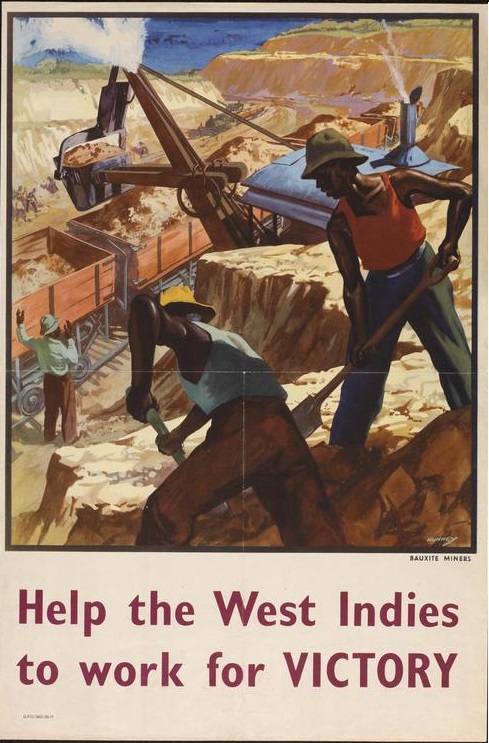
The European Labour History Network is hosting its first conference at the University of Turin from 14-16 December 2015. The aim of the conference is to connect historians working in the sub-fields associated with Labour History, one of which is imperial labour history. CIGH’s Gareth Curless and Yann Beliard, Université Sorbonne Nouvelle, are responsible for co-ordinating the Imperial Labour History Group. As part of the conference, Gareth and Yann will be organising a workshop on the subject of imperial labour history. The objective of the workshop is to consider imperial labour history within the wider context of imperial historiography, investigating how labour historians can contribute to ‘new imperial history’, as well as emerging trends resulting from the ‘global’ or ‘transnational turn’. The Call for Papers can be found below and the organisers would welcome contributions from not just historians but also political scientists and social movement theorists:
The ‘cultural turn’ has revitalised the study of imperialism, moving imperial history away from its traditional focus on administrative and diplomatic elites, conquest and administration, and the geo-politics of empire, to subjects such as race, gender, and sexuality. Few studies, however, have focused on the concepts of class and labour. Such neglect is unsurprising but it is detrimental both to the study of empire and to the exploration of how imperialism affected metropolitan societies. Continue reading “Call for Papers: New Directions in Imperial Labour History”
Marc-William Palen
History Department, University of Exeter
Follow on Twitter @MWPalen
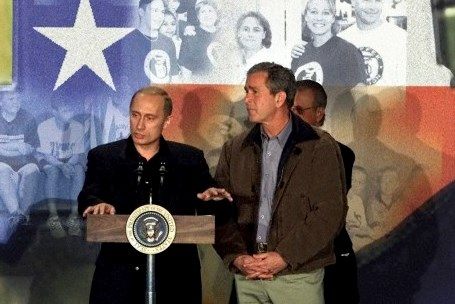
From the US legacy of apartheid to Putin’s plot to get Texas to secede, here are this week’s top picks in imperial and global history. Continue reading “This Week’s Top Picks in Imperial & Global History”
Cross-posted from Asian Review of Books
The first Portuguese embassy to China, headed by Tomé Pires, set out from Canton in 1517, reaching the capital Peking in December 1520. Although they carried gifts and letters from King Manuel, the Portuguese did not see the Emperor but were treated as spies, thrown into jail and some executed.
Meanwhile, in November 1519, a Spanish expedition led by Hernán Cortés entered Mexico-Tenochtitlán where they were received with spectacular pomp by the emperor Moctezuma. Months later, in August 1521, the Aztec capital would fall to the Spanish, opening the door to their conquest of much of the American continent.
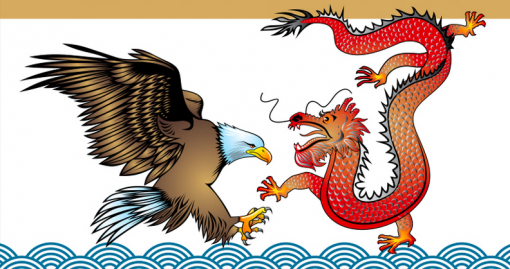
These first encounters between the Iberians and the two world civilizations of Mexico and China took place therefore around the same time although with completely different outcomes. Serge Gruzinski’s The Eagle and the Dragon, the title referring to the iconic symbols of Mexico and China, is a groundbreaking study that sets to explain the timing and implications of these events. Continue reading “The Eagle & the Dragon: Globalization and European Dreams of Conquest in China and America in the Sixteenth Century”
Adam Nadeau
University of New Brunswick
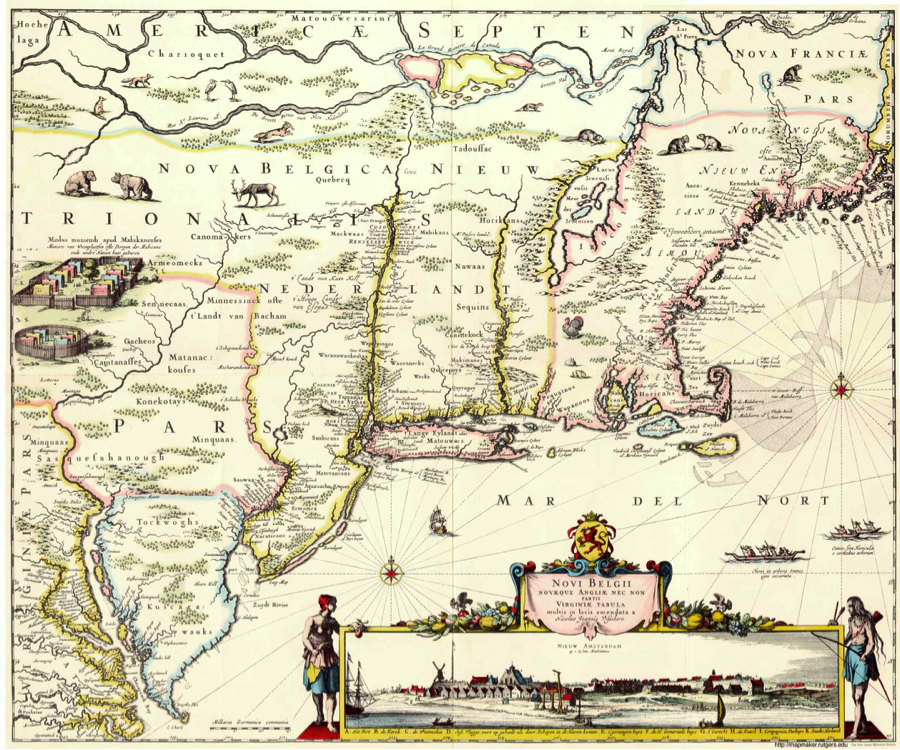
In 1949, the French historian Fernand Braudel completed his first book, The Mediterranean and the Mediterranean World in the Age of Philip II. Piecing together a history of the sixteenth-century Mediterranean that transcended religious and national boundaries, Braudel ushered in the enduring trend of utilising sea and ocean basins as frameworks of historical analysis. Over the next few decades, a series of early American historians would likewise centre their work around maritime space, following European commerce and politics out of the Mediterranean Sea and across the Atlantic Ocean to America, where, in the late eighteenth century, Florentine republicanism, English common law, and the European Enlightenment merged to create the United States, the New World ‘Empire of liberty’ that was to inherit global hegemony in the mid-twentieth century.[1]
Though quick to incorporate cultural, demographic, and social studies of the region, the Atlantic World was initially conceived as a political-economic project, a heuristic device that accounted for the continuity between European and American imperialism. As a result, twentieth-century American historians were very much the products of their time, constructing an Atlantic World that reflected the bifurcated international climate of the post-war era. In doing so, however, their stories tended to neglect the historical interconnectedness that existed between early modern Eastern and Western Europe.
Ironically, just as Braudel was writing to counter notions that the Mediterranean had been a backwater, Western Europe and North America were politically and militarily reorganizing themselves around the Atlantic Ocean. In 1949, the same year that The Mediterranean and the Mediterranean World was published, twelve of the modern incarnations of the historical Atlantic powers in Italy, Iberia, France, the Low Countries, and Britain, along with their former colonies in Canada and the United States, formed the North Atlantic Treaty Organization (NATO), an intergovernmental military alliance of collective defence against the Soviet Union. Turkey joined soon thereafter in 1952, followed by West Germany in 1955. In Eastern Europe, meanwhile, the Soviet Union spearheaded the Warsaw Pact and the Council for Mutual Economic Assistance, institutions analogous to NATO and the European Common Market in the West.
In the wake of the post-war partition of Europe and the onset of the Cold War, the Atlantic Ocean basin was reconceptualised as an exclusively Western European space. And historians, in a sort of primitive accumulation, began to pull chapters from various Western national histories for incorporation into a larger Atlantic World narrative, one with its ultimate destination in the New World. It was during this period that the medieval Norse expeditions to northeastern North America gained widespread acceptance among American scholars, and it was Americanists with their careers rooted firmly in the Cold War who reframed the story of colonial America by emphasizing how migration from France, Germany, the Low Countries, and Scandinavia was as central as that from the British Isles.[2] The emergence of Atlantic history, as David Armitage aptly puts it, thus ‘owed more to NATO than it did to Plato.’[3] Continue reading “More to NATO than Plato: The Atlantic World and the Cold War in Early American History”
Marc-William Palen
History Department, University of Exeter
Follow on Twitter @MWPalen
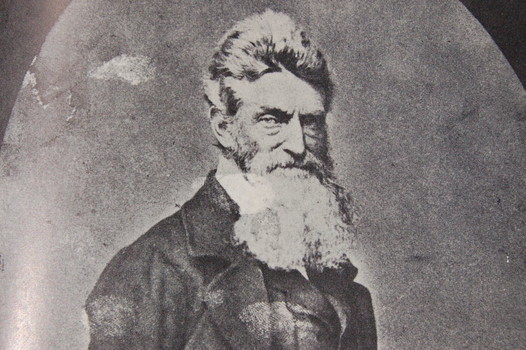
From the last known survivor of the Mexican Revolution to how John Brown’s Body crossed the Pacific, here are this week’s top picks in imperial and global history. Continue reading “This Week’s Top Picks in Imperial & Global History”
 Imperial & Global Forum
You must be logged in to post a comment.