That Time Canada Tried to Purchase Greenland

Sir Robert Laird Borden

John C. Mitcham
Duquesne University

President Donald Trump’s recent musings about buying Greenland from Denmark stirred deep emotions abroad.  The idea of acquiring sovereign territory through a real estate purchase seems like a quintessentially American act. As a Canadian writer in the Toronto Star put it, “Whether you love him or hate him, I think we can agree on this: Donald Trump even believing he can buy Greenland is clinically insane.”

Except that Canada also once tried to purchase the Greenland.

At the height of the First World War, the leaders of the vast British Empire assembled in London to lay the foundation for a postwar world dominated by white, English-speaking peoples.  This Imperial War Conference of 1917 included representatives from the overseas Dominions of Canada, Newfoundland, South Africa, and New Zealand. It was the kind of Commonwealth gentleman’s club that would make the most romantic Brexiteers swoon with post-imperial nostalgia. Continue reading “That Time Canada Tried to Purchase Greenland”

Why Boris Johnson is drawing parliamentary parallels with Lord Palmerston

Lord Palmerston (left) and Boris Johnson (right)

Alan Lester
University of Sussex

When Laurence Fox played Lord Palmerston in ITV’s Victoria, he admitted that the character “may have had a bit of the Boris about him”. [1] Johnson and Palmerston of course shared undiplomatic careers as flippant Foreign Secretaries and a wit and charm that made them popular with the public, if not always with their peers in parliament. The parallels do not end there, however.

In 1857, when he was Prime Minister, Palmerston suspended parliament in order to force his will by appealing directly to the electorate. Sensing that he was more in touch with the electorate than their elected representatives in the House of Commons, he called a general election and mobilised British patriotism to gain a new parliamentary majority.  In Palmerston’s case, patriotic fervour was brought to bear against the Chinese rather than the EU. In both his journalistic and political careers, Johnson has dedicated himself to narrating the EU as Britain’s bogeyman just as effectively as Palmerston was able to generate Sinophobia. Both men realised that there’s nothing like spinning an enemy to advance a political career. Continue reading “Why Boris Johnson is drawing parliamentary parallels with Lord Palmerston”

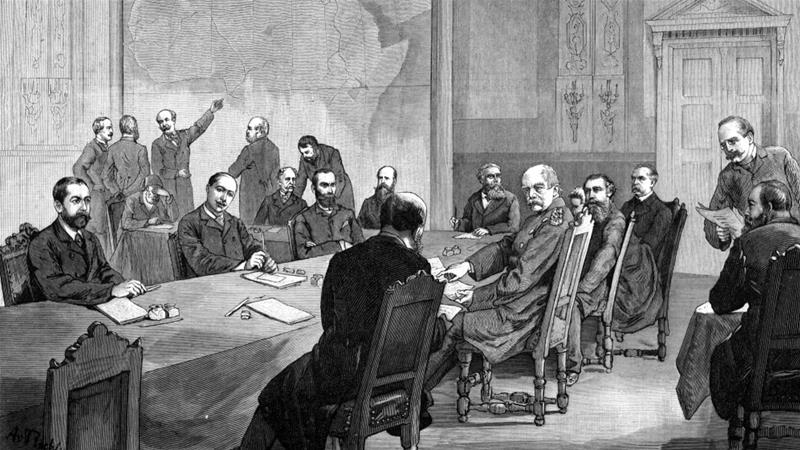
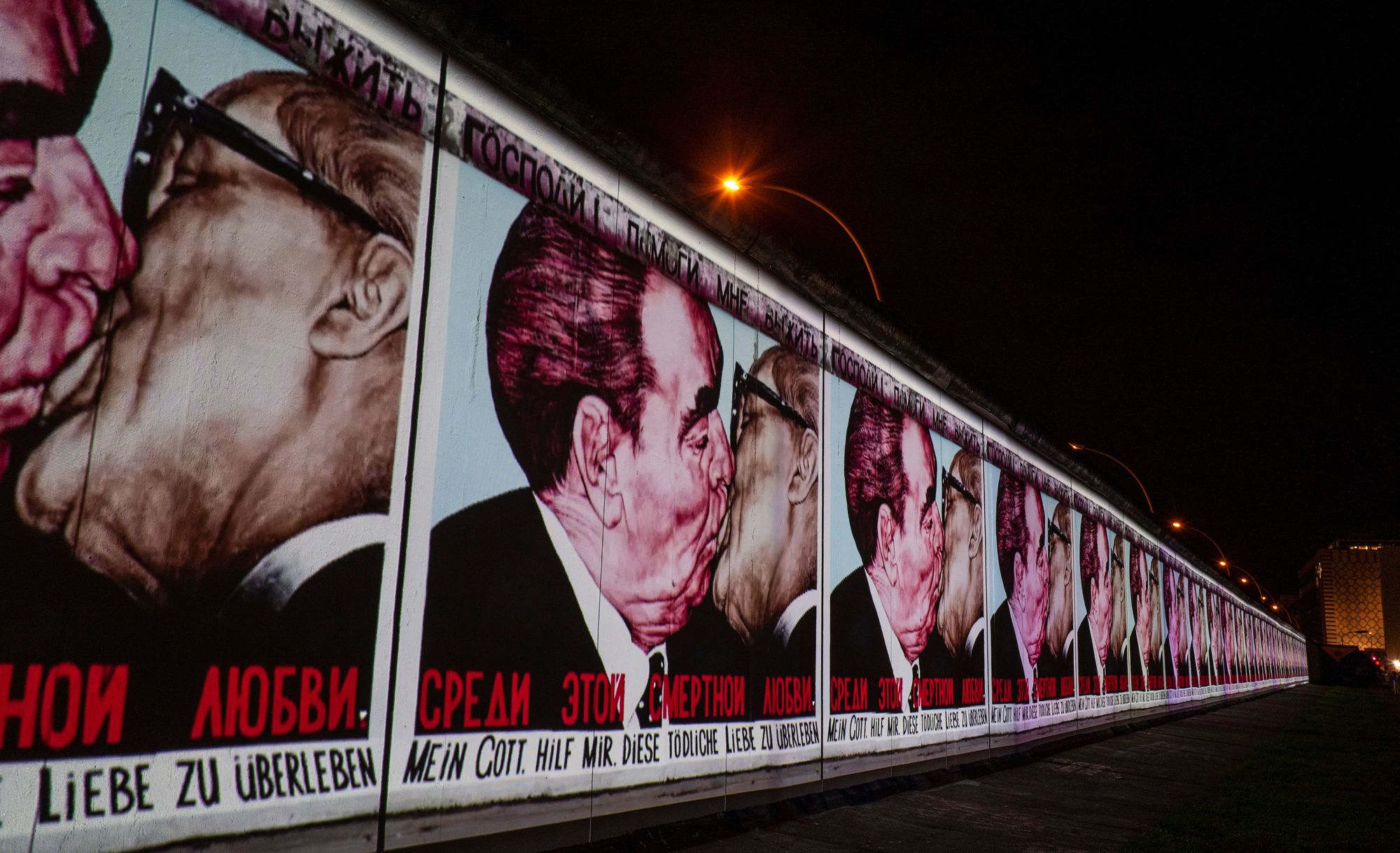
The struggle over 1989: The rise and contestation of eastern European populism

Bogdan Iacob, James Mark, Tobias Rupprecht

First published in Eurozine

Eastern Europe is clearly part of a global populist wave, and is now part of the western right-wing populist imaginary as the bedrock for ‘pure’ European values. Only by looking at ‘1989’ from a new angle can we see how populist governments’ rejection of a ‘decadent’ and ‘imperialist’ West merely continues a communist stance, despite their strident anti-communist rhetoric.

The spread of populist governments in eastern Europe over the last decade, and their nationalist challenging of core tenets of western liberalism, has given currency to talk about a ‘new east-west divide’. A notion has taken hold that draws on a longer history of western views of eastern backwardness: a specifically eastern illiberal ‘infection’ is allegedly threatening the stability of the entire European project. In this vein, former US Secretary of State Hillary Clinton called upon ‘the EU and the people of Europe to resist the backsliding we are seeing in the east’.1 Yet the parallel ascent of populist parties in much of the West, and a wave of anti-populist mass protests in the east, suggest the divide is not defined by geography alone.

As we argue in 1989: A Global History of Eastern Europe, the current wave of east European populism, while rooted in local nationalist traditions, is best understood by also considering its global ideological bedfellows. Nativists in eastern Europe, and those who embrace similar forms of ethnonationalist cultural traditionalism elsewhere, have mutually reinforced each other. Radical right-wing figures in western Europe have developed strong bonds with eastern European populists in a common push to ‘re-found’ Europe on an explicitly anti-liberal basis. Beyond Europe, leaders with an authoritarian bent, from the right-wing of the Republican Party in the United States, to Vladimir Putin in Russia, Recep Tayyip Erdoğan in Turkey, and Xi Jinping in China, have contributed to eastern European populists’ re-positioning against the West. Through these relationships, leading figures of such nationalist parties as PiS in Poland and Fidesz in Hungary, as well as their intellectual supporters, re-imagined their place in a broader world beyond the liberal rule of law and what they consider the neo-colonial interference of the EU in their countries’ domestic affairs. Together, they clamour for the defence of their societies’ ‘Europeanness’, allegedly threatened by Western multiculturalism, cosmopolitanism, and ‘political correctness’. Continue reading “The struggle over 1989: The rise and contestation of eastern European populism”

This Week’s Top Picks in Imperial & Global History

Marc-William Palen
History Department, University of Exeter
Follow on Twitter @MWPalen

From reconciling capitalism with democracy to wedding socialism with populism, here are this week’s top picks in imperial and global history. Continue reading “This Week’s Top Picks in Imperial & Global History”

Major new ERC study tracing the history of psychiatry will show roots of today’s global mental health

University of Exeter Research News

A major new study of the history of psychiatry will show how efforts to create a “global standard” for mental health has left a lasting legacy on the treatment offered today.

After World War II psychiatrists in different countries worked together to create institutions which are still used universally. Psychiatrists, anthropologists and others are still continuing some of the same debates, interrogating the role of local social and cultural factors in the definition and classifications of disorders, diagnoses or treatments. Historian Dr Ana Antic, Senior Lecturer at the University of Exeter, has won a prestigious European Research Council Starting Grant Award of 1,499,952 Euro to investigate the history of transcultural psychiatry and its links to decolonisation.

The five-year University of Exeter project, ‘Decolonising madness? Transcultural psychiatry, international order and the birth of a “global psyche” in the aftermath of WWII’, is the first to trace the emergence and development of the concept of a “global psyche”, and to examine how psychiatrists from different cultures worked together from the 1950s until the early 21st century. This project will involve an interdisciplinary team, who will show to what extent this process resulted in the “decolonisation” of mental health services, and how it impacted on patients in non-Western nations. Continue reading “Major new ERC study tracing the history of psychiatry will show roots of today’s global mental health”

The curious colonial afterlife of the 1837 Select Committee Report on Aborigines

Penny Edmonds and Zoë Laidlaw

In August 1838 from his base in Cape Town, senior Quaker James Backhouse sent the 1837 House of Commons Report from the Select Committee on Aborigines (British Settlements) to at least twenty-five men and one woman of influence across the Australian colonies The precious package, wrapped in sturdy paper, addressed in purple-black iron gall ink and secured with string, was posted across oceans by ship, and later by road, into the hands of a multi-denominational network of humanitarians, religious figures, colonial officials, police magistrates and powerful settlers. Backhouse attached the highest import to the report as a means of bringing moral reform and humane colonization to violent frontiers, where Aboriginal people fought settlers for their lands.

Short letters were attached to each parcel. Backhouse wrote to Reverend John Espie Keane of Bathurst, New South Wales: “The British Government is now awaking to a sense of its error of conduct towards the Native Tribes of its colonies … I hope that reading the Report may stir up thy zeal … on this interesting and highly important subject.” To George Langhorne, a missionary at Port Phillip, Backhouse write that the report was “a work deeply interesting, and well calculated both to restrain outrage against the Aboriginal inhabitants of our Colonies, and to promote rational sentiments respecting their rights.”

The 1837 Report of the Parliamentary Select Committee on Aboriginal Tribes (British Settlements) ushered in a new era of Aboriginal protectorates across the Australian colonies and New Zealand that would have far reaching consequences for Indigenous peoples, and its regulations and effects under the rubric of “protective governance” resonate still today.   The report has been frequently invoked by scholars as a touchstone or “blueprint” of British humanitarian policy in new settlements in the 1830s, including in Australia, North America, and New Zealand and the Pacific, at the high point of humanitarian reform. It was released in the wake of the abolition of slavery in British settlements (1834), when humanitarians turned their attention from the abolitionist cause to the fate of Indigenous peoples in Britain’s colonies, and coincided with the violent land rush in these new settlements. Alongside its recommendations, the report contained hundreds of pages of affective testimony delivered to the select committee by Indigenous peoples and humanitarians, as well as colonial and military officials.

The 1837 report is well known to historians. Yet, as our research reveals, it is less widely known that there was not one but three editions of the select committee’s report circulating at that time. As a result, most accounts routinely conflate the different versions of the report, and have paid scant attention to their construction as material, textual artefacts, and even less to their various meanings as textual missives, or their circulation in the colonies. Our research revisits an imperial text that has been regarded as canonical, to ask what its sometimes complicated history, as both an embodiment of knowledge and a circulating paper artefact, might tell us. 

Curiously, Backhouse had chosen to post from Cape Town a version of the report published by the Aborigines’ Protection Society (APS), rather than that published by his own Quaker cohort, the Society of Friends.

Why did he do this? And who repackaged the report and why?

The answers lay within the story of Backhouse’s parcels. Continue reading “The curious colonial afterlife of the 1837 Select Committee Report on Aborigines”

This Week’s Top Picks in Imperial & Global History

The flags of Oklahoma, the United States and the Cherokee Nation fly behind a sculpture of Lady Liberty at the Cherokee Capitol Square in Tahlequah, Okla., Friday, July 8, 2011. JEFF LAUTENBERGER/Tulsa World

Marc-William Palen
History Department, University of Exeter
Follow on Twitter @MWPalen

From Trump’s ignorance of American power to ideas of European union before the EU, here are this week’s top picks in imperial and global history.

Continue reading “This Week’s Top Picks in Imperial & Global History”

Anxieties, Fear, and Panic in Colonial Settings

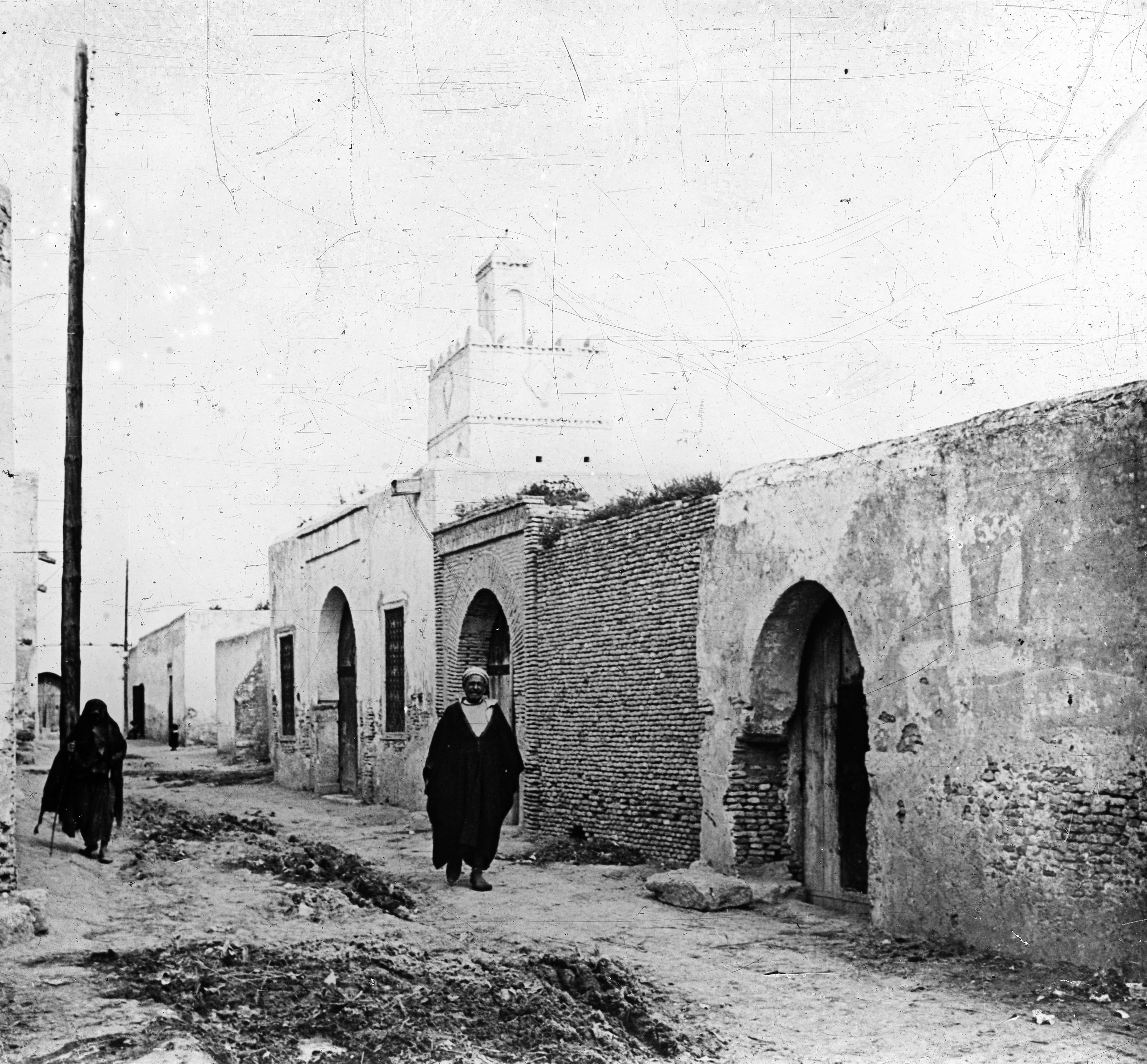
Harald Fischer-Tiné. Anxieties, Fear, and Panic in Colonial Settings: Empires on the Verge of a Nervous Breakdown. Cambridge Imperial and Post-Colonial Studies Series. Houndmills: Palgrave Macmillan, 2016. pp. 404. ISBN 978-3-319-45135-0

Reviewed by Amina Marzouk Chouchene (PhD Candidate, Manouba University)

Twenty-first-century Britain brims with a revival of rosy visions of Britain’s imperial past. Nowhere is such a tendency clearer than in the restless efforts to rehabilitate the empire by prominent conservative historians such as Niall Ferguson. Britain’s imperial glories and its benign influence over the rest of the world are dominant themes in Ferguson’s popular writings such as his Empire: the Rise and Demise of the British World Order and the Lessons for Global Power. According to him, the colonies hugely benefited from British colonialism’s gifts of free trade, free capital movements, and the abolition of slavery.

This celebratory examination of the British Empire has also become a part of the official political discourse at the highest levels of government. In his speech to the Conservative Party conference in 2011, David Cameroon looked back with Tory nostalgia to the lost days of empire. His speech evoked a mythologized version of Britain’s imperial past in which the empire was the ultimate force for good in the world. Theresa May also recently exalted the virtues of a “Global Britain,” “a great, global, trading nation that is respected around the world and strong.”[1] Most importantly, debates surrounding Brexit have highlighted how, for many Britons, the British Empire often reads as “a success story” about Britain’s “ruling the waves.”

In contrast to this rosy vision of Britain’s imperial past, scholars are increasingly interested in tracing British imperial emotions: the feelings of fear, anxiety, and panic that gripped many Britons as they moved to foreign lands. Robert Peckham’s Empires of Panic: Epidemics and Colonial Anxieties (2015), Marc Condos’s The Insecurity State: Punjab and the Making of Colonial Power in British India (2018), the 2018 special issue in Itinerario on “The Private Lives of Empire: Emotion, Intimacy, and Colonial Rule,” and Kim Wagner’s Amritsar 1919: An Empire of Fear and the Making of a Massacre (2019) highlight the sense of vulnerability felt by the British in the colonies. Harald Fisher-Tiné’s edited volume Anxieties, Fear, and Panic in Colonial Settings is a welcome addition to this growing body of literature.

From the outset of the book, Fisher-Tiné highlights the pervasiveness of feelings of fear, anxiety, and panic in many colonial sites. He acknowledges that: “the history of colonial empires has been shaped to a considerable extent by negative emotions such as anxiety, fear and embarrassment, as well as by the regular occurrence of panics” (1). Bringing case studies from the British Empire as well as Dutch and German colonialism, the contributors uncover not only the pervasiveness of these emotions, but also their significant impact on colonial discursive and institutional strategies.

The volume consists of four main parts. The first discusses the effects of anxieties and panics over colonial minds and bodies. In this respect, David Arnold, for example, examines the poisoning panics in British India that were precipitated by Europeans’ fears of the supposed treachery of their Indian servants. Arnold affirms that poisoning panics have long been rife in India. Indeed, “under colonial rule, the country was subject to a long series of alarms and scares, some of which were sufficiently intense, and protracted to amount to ‘panics’” (49). Yet they were attributed to racial and political overtones in the nineteenth century. That is, the white elites were seen as particularly prone to this major threat. Arnold suggests that these excessive emotional states were triggered by three main causes. First, the European population in British India was heavily dependent on Indian servants and subordinates who might retaliate against unfair masters or whose access to European dwellings could be used by malevolent others to empoison the white elite. Second, anxieties about the assumed toxic effects of the Indian climate fuelled also poisoning panics. Diseases such as malaria and cholera were considered to be the ultimate outcome of an “atmospheric poison” (53). Third, Indian therapeutics and the system of medicine were also identified as a potential cause of poisoning European communities. These poisoning panics only helped reinforce the racial categorizations of Indians, the moral supremacy of the white population, and the legitimacy of colonial rule.

The second section of the collection deals with the “various kinds of discursive responses to imperial panics” (13). Focusing on the assassination of a high-ranking colonial official in London in the summer of 1909 by a Hindu student, for example, Fischer-Tiné pinpoints that the incident was used to demonize Indian anti-colonial activists such as Shyamji Krishnavarma. The latter “was one of the most important spokesmen of the Indian national movement in Europe in the early 1900s…and a sober nationalist with liberal leanings” (14). Nevertheless, following the London murder, he “was presented almost unanimously in official and semi-official and media accounts as the loathsome head of an international terror network” (101).

The third part examines the practical and institutional measures that were adopted to contain threats. These included the establishment of new systems of surveillance and discipline and even military intervention. On this subject, for instance, Daniel Brückenhaus considers British and French authorities’ fears of the potential alliances between anti-colonialists and Germans from 1904 to 1939. Interestingly, the author contends that “fears of German anti-colonial alliances motivated governments to extend their surveillance across inner-European borders” (226).

The final section explores “epistemic anxieties.” It focuses on how anxieties and panics led to the production, use, and circulation of colonial knowledge in imperial settings (17). In this regard, for instances, the chapter by Richard Holzl uncovers how missionaries’ panic over native sexual education in German East Africa led to the production of anthropological and religious knowledge in order to enable their fellow missionaries to deal with particular issues such as circumcision, and female genital mutilation.

Taken together, the thirteen contributors show the persistence of fears, anxieties, and panics in a wide variety of imperial settings and how colonial authorities sought to come to terms with this sense of vulnerability. The volume thus expands our understanding of how a sense of fragility rather than strength shaped colonial policies.

———-

[1] Koo Koram, and Kerem Nisancioglu. “Britain: The Empire that never was.” Critical Legal Thinking, 31 Oct 2017, http://criticallegalthinking.com/2017/10/31/britain-empire-never/

The misguided attacks on ‘This Land Is Your Land’

Some of Guthrie’s greatest champions have had difficulties with the song. Al Aumuller/Library of Congress

Will Kaufman
University of Central Lancashire

In recent years, Woody Guthrie’s “This Land Is Your Land” has become a rallying cry for immigrants. And in July, after President Donald Trump tweeted that four Democratic congresswomen of color needed to “go back where they came from,” Congresswoman Alexandria Ocasio-Cortez, one of the four targeted, responded with a tweet quoting Guthrie’s lyrics.

But not everyone sees the song as an anthem for inclusion.

In June, the Smithsonian’s online magazine, Folklife, published a piece that lambasted the song for its omissions.

The article, titled “This Land Is Whose Land?,” was written by folk musician Mali Obomsawin, a member of the Native American Abenaki tribe. She wrote of being shaken up “like a soda can” every time she heard the song’s lyrics:

“In the context of America, a nation-state built by settler colonialism, Woody Guthrie’s protest anthem exemplifies the particular blind spot that Americans have in regard to Natives: American patriotism erases us, even if it comes in the form of a leftist protest song. Why? Because this land ‘was’ our land. Through genocide, broken treaties and a legal system created by and for the colonial interest, this land ‘became’ American land.”

Obomsawin’s article immediately generated a flurry of responses from conservative media outlets.

Commie Folksinger Woody Guthrie Not Woke Enough for Mob,” jeered Breitbart’s John Nolte, delighted with this evidence of internecine strife among what he dubbed the “fascist woketards” of the American left. The Daily Wire’s Emily Zanotti soon joined the fray, penning a piece under the headline “This Land Is NOT Your Land: Woke Culture Now Demanding Woody Guthrie Be Canceled Over Folk Music Faux Pas.”

But Obomsawin and her conservative critics might be surprised to learn that some of Guthrie’s greatest champions have also had difficulties with the song.

As the author of three books on Guthrie, I sometimes wonder how the folksinger would respond to the criticism of “This Land Is Your Land” for its omissions.

While we can’t know for sure, a glance at some of his unpublished writings and recently discovered recordings can offer some clues. Continue reading “The misguided attacks on ‘This Land Is Your Land’”

This Week’s Top Picks in Imperial & Global History

Chinese Furniture Makers, Little Bourke-Street, 1880.

Marc-William Palen
History Department, University of Exeter
Follow on Twitter @MWPalen

From untold histories of Chinese migrant workers in Australia to asking how Indian is Kashmir, here are this week’s top picks in imperial and global history. Continue reading “This Week’s Top Picks in Imperial & Global History”

Greenland isn’t Denmark’s to sell: some essential reading for Trump on colonialism

The coast of Greenland is not for sale. Shutterstock


Felicity Jensz
University of Münster

Donald Trump is not the first US President to make an offer of buying Greenland from Denmark – but he might be the last.

Home of some 56,000 people and around 80% covered by ice, Greenland is culturally connected to Europe – but physiographically it is a part of the continent of North America.

The USA has purchased from the icy northern territories before. In 1867, they bought Alaska for US$7.2 million from Russia, who established settlements there in the late eighteenth century.

Then (as now) no local Indigenous people were consulted in the transaction. Continue reading “Greenland isn’t Denmark’s to sell: some essential reading for Trump on colonialism”

This Week’s Top Picks in Imperial & Global History

A 1747 map of Greenland. Sepia Times/Universal Images Group via Getty Images Images

Marc-William Palen
History Department, University of Exeter
Follow on Twitter @MWPalen

From US imperial dreams of Greenland to the imperial myths behind Brexit, here are this week’s top picks in imperial and global history. Continue reading “This Week’s Top Picks in Imperial & Global History”

This Week’s Top Picks in Imperial & Global History

Guatemala’s Ixil people at burial of victims of Guatemala’s 1982 civil war massacre, in the Quiche village of Nebaj on July 30, 2014. JOHAN ORDOÑEZ/AFP/GETTY IMAGES

Marc-William Palen
History Department, University of Exeter
Follow on Twitter @MWPalen

From Guatemala’s war on history to an alternative to US world dominance, here are this week’s top picks in imperial and global history. Continue reading “This Week’s Top Picks in Imperial & Global History”

This Week’s Top Picks in Imperial & Global History

MEDIAPUNCH / AP / NATIONAL ARCHIVE / GETTY / THE ATLANTIC.

Marc-William Palen
History Department, University of Exeter
Follow on Twitter @MWPalen

From the man behind national conservatism to an East India Company view of the British Empire, here are this week’s top picks in imperial and global history. Continue reading “This Week’s Top Picks in Imperial & Global History”

This Week’s Top Picks in Imperial & Global History

Marc-William Palen
History Department, University of Exeter
Follow on Twitter @MWPalen

From Hobsbawm at the margins to recalling the lessons of Bretton Woods, here are this week’s top picks in imperial and global history. Continue reading “This Week’s Top Picks in Imperial & Global History”