Writing Histories of Settler Democracy in an Age of Crisis

Professor David Thackeray
Inaugural Lecture

Delivered on Wednesday 14th May, 16:00-17:00, Building One, Constantine Leventis Room

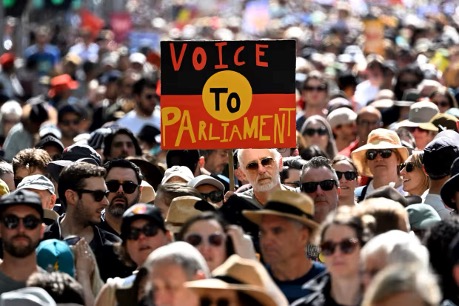
Recent years have been characterised by a range of debates about the legacies of the settler colonial past and how they should inform the state’s relationship with indigenous peoples. With the recent rejection of an ‘indigenous voice to parliament’ in Australia and ongoing efforts to redefine the state’s relationship with the Treaty of Waitangi in New Zealand it may seem that established postcolonial settlements are under threat. David’s inaugural lecture reflects on how recent public debates offer new opportunities to reconsider the contested history of settler democracy. The lecture focuses on three examples from the turn of the 20th century, which challenged understandings of ‘British’ democracy: the craze for debating societies among the unenfranchised, the growth of Maori parliaments, and the pioneer Indian MPs at Westminster.

[Starting at 15:56]

New Special Issue of Parliamentary History: Settler Colonialism and Parliamentary Democracy – Histories and Legacies

David Thackeray
University of Exeter

Our new special issue of Parliamentary History, ‘Settler Colonialism and Parliamentary Democracy- Histories and Legacies’, co-edited by me and Amanda Behm, emerges at a time of acute public interest in the practices of settler democracy. In 2023 efforts to establish an ‘indigenous voice to parliament’ in Australia were defeated in a referendum but drew attention to a long history of contestation of the national constitution by indigenous peoples and their allies. In New Zealand ongoing efforts by the coalition’s minority partner to reform the legal status of the Treaty of Waitangi have been met by protests and claims of historical amnesia by opponents of the bill. The papers in this special issue seek to offer a better understanding of the practices which connected supporters and opponents of settler democracy across and beyond the British empire.

Continue reading “New Special Issue of Parliamentary History: Settler Colonialism and Parliamentary Democracy – Histories and Legacies”

The Digital Turn and Global History, Exeter-Copenhagen Collaborative Workshop

David Thackeray
University of Exeter

The Centre for Imperial and Global History at the University of Exeter hosted a workshop with colleagues from Hum:Global, the Global Humanities centre at Copenhagen University, this April on the challenges that the development of digital technologies poses for historians of global history. Amongst the key themes that connect our papers is a concern that many digitisation initiatives continue to focus on the history of the nation state and are driven by commercial imperatives. Existing approaches run the risk of reinforcing historical inequalities in access to knowledge between the Global North and South, an issue which has been discussed at length in a recent ‘History Lab’ feature in the American Historical Review. These concerns are becoming more pressing with the rapid advance of AI.

Jon Lawrence introduced the Living With Machines project (2018-23), a major collaboration led by the Alan Turing Institute and the British Library. As part of this project, the team have explored new ways of using the British Library’s existing digitised newspapers accessible to researchers in new ways. This involves critically reflecting on the decisions which were made regarding which papers to digitise twenty years ago and developing a more representative view of the nineteenth-century newspaper landscape through the development of an ‘environmental scan’.

Stuart Ward discussed his new project which uses the round-the-world travels of Sir Charles Dilke to consider how global imaginaries were reshaped in the late 1860s. Dilke was a young man when he undertook his circumnavigation, which followed the British empire around the globe, and the project was improvised rather than being meticulously planned. One of the challenges of this project will be to use historical newspapers to better understand Dilke’s mental world. Dilke avidly read the local press during his travels to consider how the connections between the different places he visited were being transformed by rapid advances in communications.

Continue reading “The Digital Turn and Global History, Exeter-Copenhagen Collaborative Workshop”

The British Way in Trade Policy in global perspective: from the Corn Laws to ‘Global Britain’ (History & Policy, London, Feb. 6)

Marc-William Palen
University of Exeter

History & Policy’s Global Economics and History Forum is hosting a timely event in early February. Please be sure to register (link below) if you wish to attend.


The British Way in Trade Policy in global perspective: from the Corn Laws to ‘Global Britain’

When: Tuesday, Feb. 6, 2024, 17:00 pm – 19:30 pm

Where: Room G7, Ground Floor, Senate House, Malet Street, London WC1E 7HU

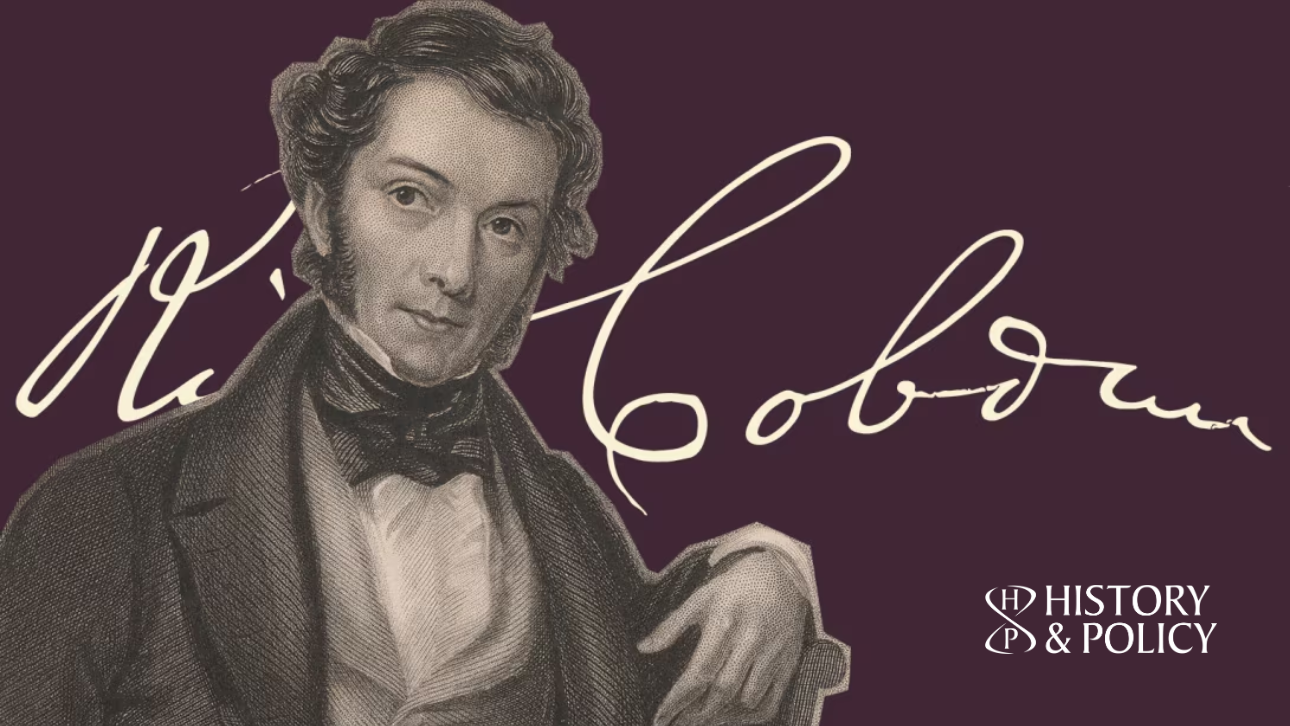
This workshop is designed broadly to come within the ambit of the AHRC-funded Letters of Richard Cobden Online project and will draw from those letters in order to enhance our understanding of British trade policy in its formative period. For not only was Richard Cobden (1804-65) central to establishing unilateral free trade in Britain through the Repeal of the Corn Laws in 1846 but in 1859-60 undertook the laborious negotiation of the first Britain free trade agreement, the Anglo-French commercial treaty of 1860. His letters also deal prominently with the expansion of British trade in India, Japan, and China, while having visited the United States twice, he was also an important contributor to, and commentator on, Anglo-American relations. He was also central to the liberal internationalist tradition linking trade, interdependence, and peace.    

British free trade in the mid-nineteenth century remains a benchmark frequently cited in current trade discussions (e.g. Liz Truss, Times Red Box ed. 9 June 2020; Rishi Sunak, 31 Mar. 2023 ‘we are at heart an open and free-trading nation’), and it is to this contemporary discussion that the proposed workshop/ seminar is intended to contribute. The recent Australian Free Agreement was widely hailed as a return to British free trade policy, the such treaty since Britain joined Europe in 1973, and hence ‘the first trade deal to be signed by the UK as an independent free-trading nation in nearly half a century’ (Lord Younger, HL 11 July 2022). However, latest debate on the subsequent Comprehensive and Progressive Agreement for a Trans-Pacific Trade Partnership (House of Lords 21 Nov. 2023) has also focused on the lack of a published government trade strategy. The potential Labour approach to trade policy also remains to be defined. This workshop/seminar is therefore designed to provide a concrete analysis of British commercial policy between the repeal of the Corn Laws in 1846 (also referred to in the July 2022 debate) and joining Europe in 1973 with a view to informing current thinking on trade policy and the tradition to which, after an ‘European interlude’, it is the successor. To this end, the ‘British ‘way’ in trade policy will be contrasted with American, Chinese, and European ways in trade policy. This seminar is designed to bring together historians, policymakers, politicians, and members of think-tanks and interested academics and members of the public.  

Confirmed speakers include:

  • Professor Anthony Howe, University of East Anglia, author inter alia of Free Trade and Liberal England, 1846-1946 (1998); currently researching Free Trade: an international history from Adam Smith to the WTO.  
  • Professor Douglas Irwin, Dartmouth College, author of Clashing over Commerce: A History of US Trade Policy (2017)
  • Prof David Thackeray, University of Exeter, author of Forging a British World of Trade: Culture, Ethnicity, and Market in the Empire-Commonwealth (2019)
  • Dr Marc Palen, University of Exeter (Global Economics and History Forum), author of The “Conspiracy” of Free Trade: The Anglo-American Struggle over Empire and Globalisation, 1846-1896 (2016) and Pax Economica: Left-Wing Visions of a Free Trade World (forthcoming, 2024) 
  • Professor Piers Ludlow, London School of Economics, author, inter alia, of Roy Jenkins and the European Commission Presidency, 1976-1980: at the heart of Europe (2016).
  • Professor Elizabeth Ingleson, London School of Economics, author of the forthcoming Made in China: When US – China Interests Converged to Transform Global Trade (Harvard, 2024).

Click here to register

Parliamentary Empire, British Democracy and settler colonialism: a new Talking Empire podcast


Professor Richard Toye interviews Professor David Thackeray, also of the University of Exeter and the centre of Imperial Global History. David is principal investigator on a project funded by the Leverhulme Trust, which is called ‘Parliamentary Empire, British Democracy and settler colonialism, 1867 to 1939’.

Call for proposals: Parliamentary Empire workshop

Settler Colonialism and Parliamentary Democracy: Histories and Legacies, 1867 to the Present (History of Parliament, London, 12 Apr 2023- participants are welcome to present papers in-person or via Zoom)

Over recent years, growing attention has been paid to how histories of settler colonialism have shaped people’s engagement with parliaments and parliamentary culture across and beyond the former British Empire. Calls for improved representation by and for peoples of colour, such as the Australian campaign for a greater ‘indigenous voice’ to parliament, have responded to historical imbalances in power and built on historical struggles to define the political nation. We wish to facilitate discussion across disciplines from scholars interested in the histories and legacies of parliamentary culture, settler colonialism, and resistance. This will lead to a special issue of Parliamentary History to be published in 2025.

Continue reading “Call for proposals: Parliamentary Empire workshop”

In Plain Sight: Decolonising the Museum

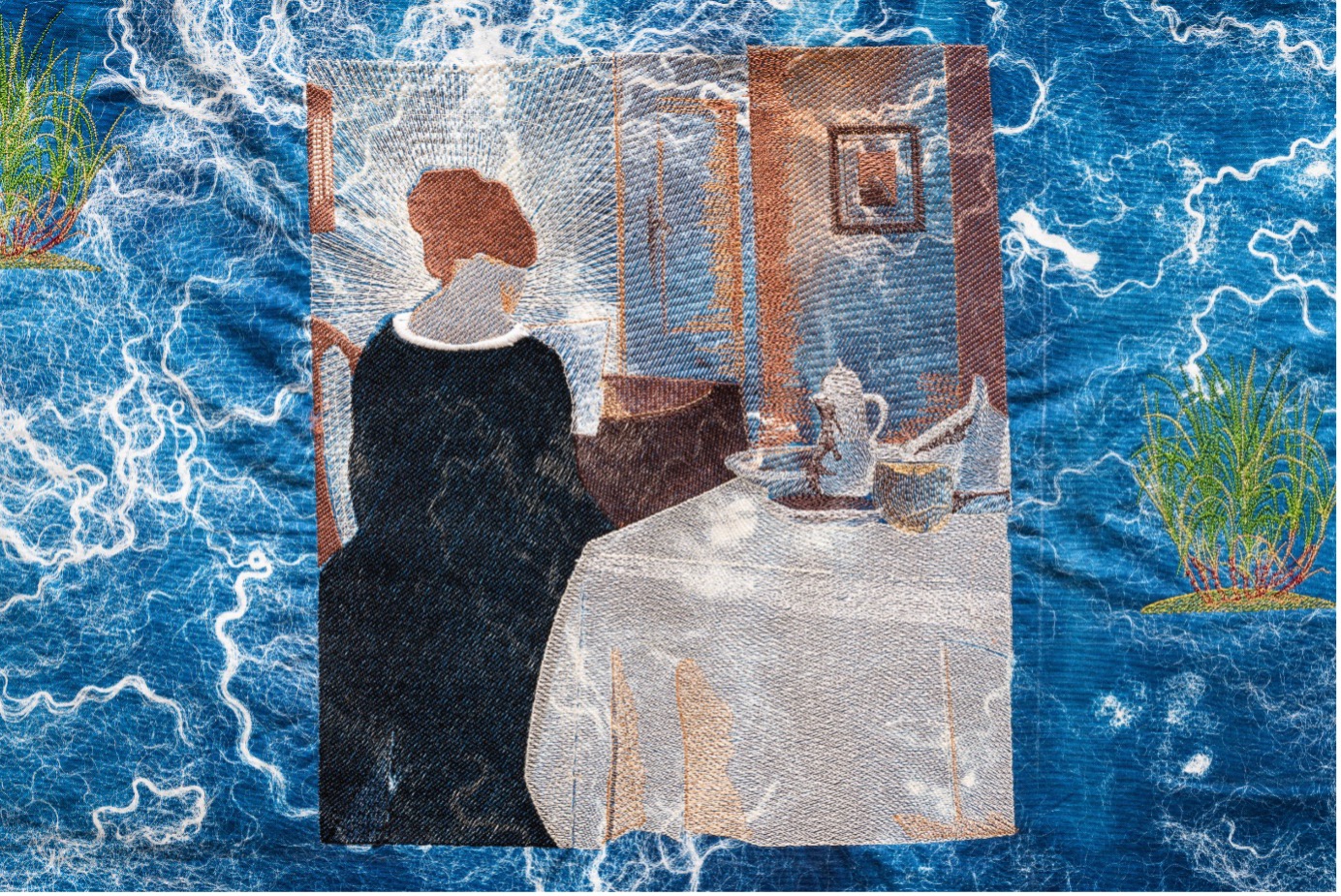
Detail from Joy Gregory’s The Sweetest Thing (2021)

Anabelle Howorth, Alex Jones, and Tim Robertson

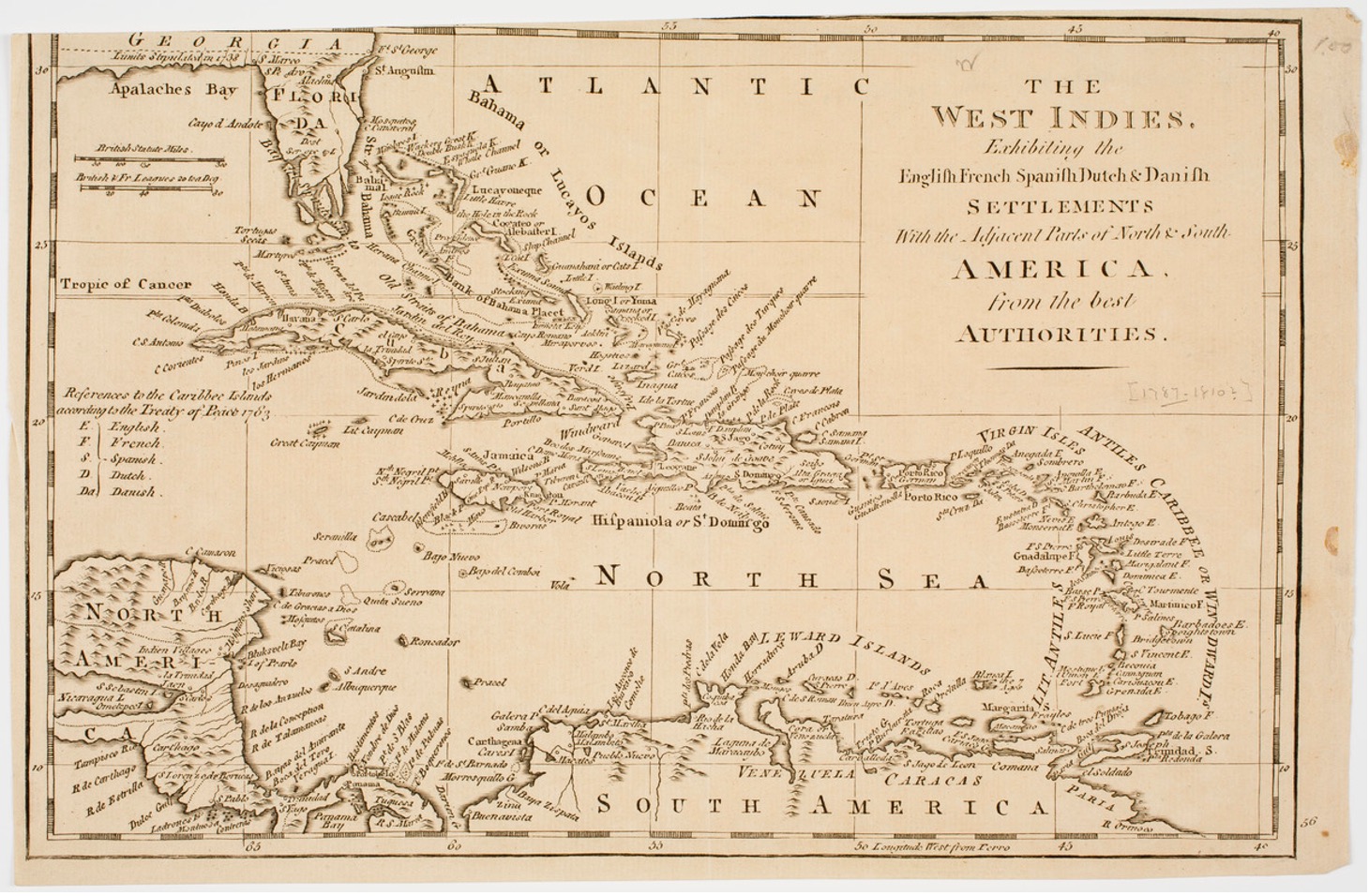
As students on the British World module at Exeter we recently discussed why the place of the colonial past has become so contentious over the last thirty years. In doing so, we considered the concerns of the ‘new museology’ in seeking to make museums fora for public engagement and discussion of this past. We also considered recent attempts to raise awareness of the region’s connections with colonialism, such as the ‘In Plain Sight’ exhibition at the RAMM in Exeter, which traces Devon’s connections with the Atlantic slave trade. The exhibition does an excellent job of providing a new understanding of the overlooked connections between places we see everyday and one of the darkest episodes in history. In particular, Joy Gregory’s commissioned work, ‘The Sweetest Thing’ highlights the connections between local wealthy families and slavery in the Caribbean. The tapestry includes compensation figures, which were awarded to claimants by the British government following the Slavery Abolition Act in 1833. Knowledge of the huge sums awarded to former slave owners has become more widespread over recent years through the digitisation of records by the Legacies of British Slave Ownership project but it is still rare for a regional museum to feature this history prominently.

Continue reading “In Plain Sight: Decolonising the Museum”

Parliamentary Empire: British Democracy and Settler Colonialism, c.1867-1939

Crowd outside meeting of Te Kotahitanga (the kupapa Maori parliament) at Papawai, 1897. Richard Seddon, Prime Minister of New Zealand is front row, third from left

David Thackeray (Exeter) and Amanda Behm (York) have been awarded a Research Project Grant by the Leverhulme Trust for their project ‘Parliamentary Empire: British Democracy and Settler Colonialism, c.1867-1939’, which will run from 2021-24. We will shortly be advertising two funded PhD studentships and will be holding a conference at Westminster, which is planned to lead to a special issue of Parliamentary History. The project team are interested from hearing from colleagues working on topics in this field.

Our project examines the role of parliament and the parliamentary idea in civic life in the UK and the British settler colonial world. While we might take for granted constitutional history as the bedrock of historical and civic education across imperial countries from the mid-nineteenth century until 1945, our project proposes a more daunting problem. At the heart of constitutional history lay a reverence for parliament, which found its most celebrated expression in Walter Bagehot’s 1867 description of the Commons as a ‘mirror’ of the British nation, expressing the popular will, educating the people politically, hearing grievances, and legislating.

Yet for all its studied neutrality, parliamentarianism emerged and remained as a cipher at the heart of British imperial politics. In that ‘golden age’ of constitutional history writing, there simmered widespread anxieties about the ability of parliament to mediate the body politic while confronting questions of an expanding electorate and votes for women. Equally significant was the ferment pitting settler colonial groups against the legislative and moral claims of their fellow imperial subjects across a vast transoceanic space.

By exploring how a range of constituencies through and beyond the settler colonies appealed to values of British parliamentarianism, we shed new light on the connected debates about democratic governance and political inclusion that characterised the emergence of nations within a fractious British Empire. The late nineteenth century witnessed a flourishing of local parliaments, parliamentary debating societies, petitions to parliament, and women’s parliaments. This culture was not confined to ‘overseas’ Britons and masculine settler colonists. Maori parliamentary movements, in particular, indicate how indigenous peoples could adopt and adapt the practices of British parliamentary culture to seek redress and assert notions of sovereignty. Women’s mock parliaments, which spread across Britain and the settler colonies, satirised transimperial parliamentary culture and highlighted women’s exclusion from national bodies.

We look forward to exploring how being ‘parliamentary’ was central to diverse claimants’ appeals for political inclusion and authority as they contested  ‘British’ values and appealed particularly to those supposedly on the fringes of the political nation, such as working men, women, indigenous peoples, and foreign and intra-imperial migrants. Our focus is on how ideas of ‘British’ parliamentarianism were performedand contested: how some forms of popular parliamentarianism such as debating societies could promote reverence for the Westminster model while others rejected parliament as an adequate ‘mirror’ of nation and empire. These challenges to, and alternative models of, parliament’s role in public life shine new light on the transnational flow of ideas and networks which continue to connect and divide the British Empire through its tumultuous redrawing.

Continue reading “Parliamentary Empire: British Democracy and Settler Colonialism, c.1867-1939”

Colston’s Fall, Bristol’s Civic Identity and the Memory of Empire

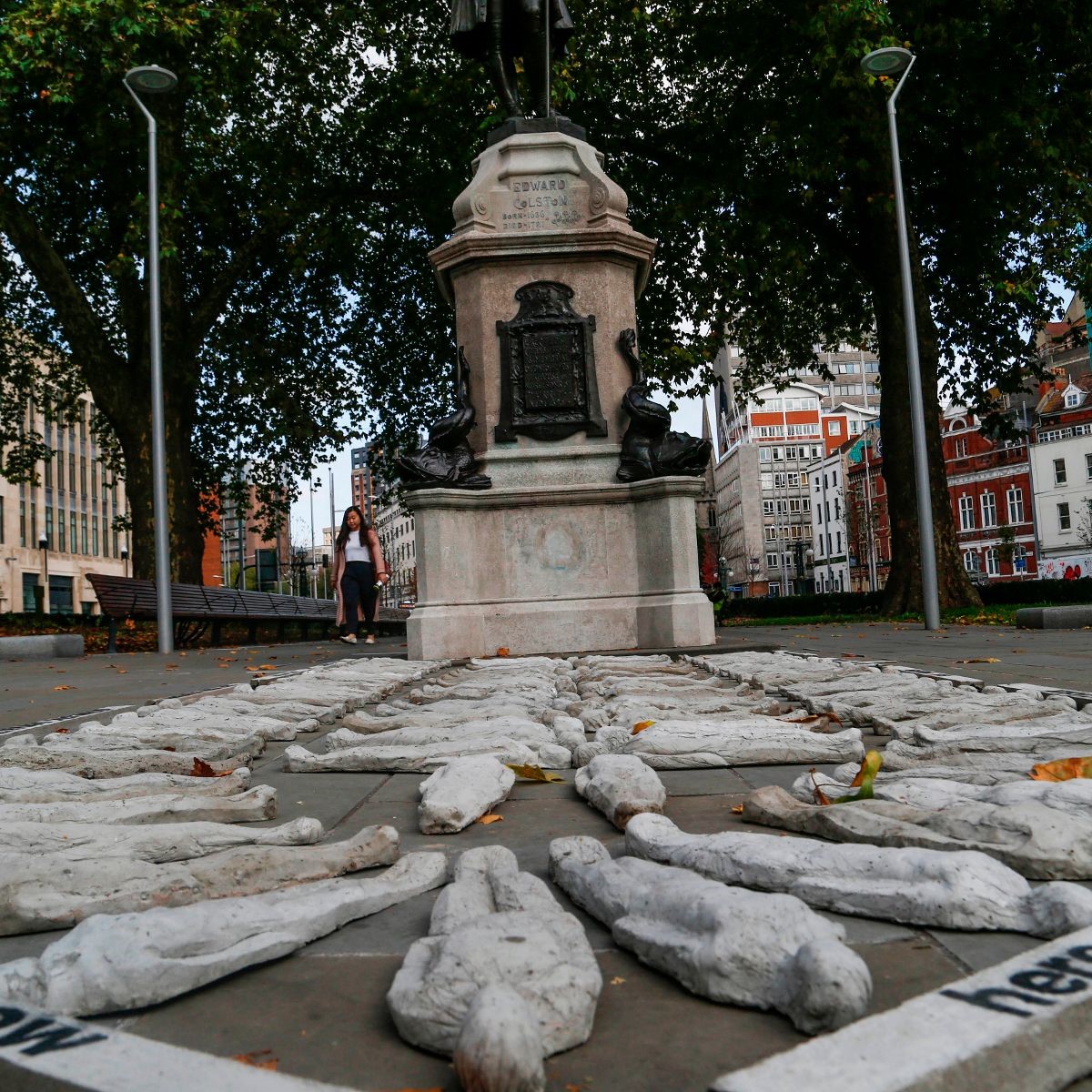
Protest highlighting modern slavery, Colston Statue, Bristol, October 2018

David Thackeray
University of Exeter

The toppling of Edward Colston’s statute and its hauling into Bristol harbour on 7 June as part of global Black Lives Matter protests has provoked a long overdue public debate about the place of memorials of Britain’s imperial past and particularly its key role in the Atlantic slave trade. However, with some important exceptions, the history of creative protest within Bristol against Colston’s statue (as well as the numerous public buildings named after him in the city) is often overlooked in this coverage.[1] Nor is there much discussion of the material significance of where Colston’s plinth was situated and the idea of civic identity its creators sought to impose on Bristol.

This oversight may be accidental in many cases; these debates have generated a great deal of controversy locally, but received little national coverage. However, the effect obscures how the toppling of Colston fits into a longer history of creative protest on the site of the statue.

Prime Minister Boris Johnson has stated that removing the statues of controversial figures is ‘to lie about our history’.[2] But Colston’s statue has not sat in aspic from 1895 until its unceremonious dunking earlier this month. Instead it has been a site for people to engage with the city’s history and challenge the sanitised narratives of Bristol’s past that the statue’s creators sought to impose.

The Colston statue itself needs to be seen as a form of historical erasure, created as part of a refashioning of Bristol’s civic identity after the end of the Atlantic slave trade. It is a monument to the late-Victorian era, when the city was undergoing rapid expansion fuelled by the growth of shipping and industries such as Wills tobacco business. Colston’s statue was placed at the centre of the thriving city, overlooking the docks (refashioned over the last twenty years as a leisure and housing district) and in the middle of a large thoroughfare designed for promenading, surrounded by commercial buildings. Presumably the idea was to both honour a generous benefactor to the city and offer a romantic nod to Bristol’s seafaring past (divorced from its role in the slave trade). The reliefs on the sides of the statue even include images of dolphins, mermaids and other sea creatures. No mention is made, however, of Colston’s involvement in the slave trade on the original plaque. Instead we are informed the statue was erected ‘as a memorial to one of the most virtuous and wise sons’ of the city. Continue reading “Colston’s Fall, Bristol’s Civic Identity and the Memory of Empire”

Top 10 of 2018 – #10 – The politics of buying British: From the Great Depression to Brexit

Editor’s Note: In the weeks leading up to the new year, please help us remember 2018 at the Imperial & Global Forum by checking out the past year’s 10 most popular posts.

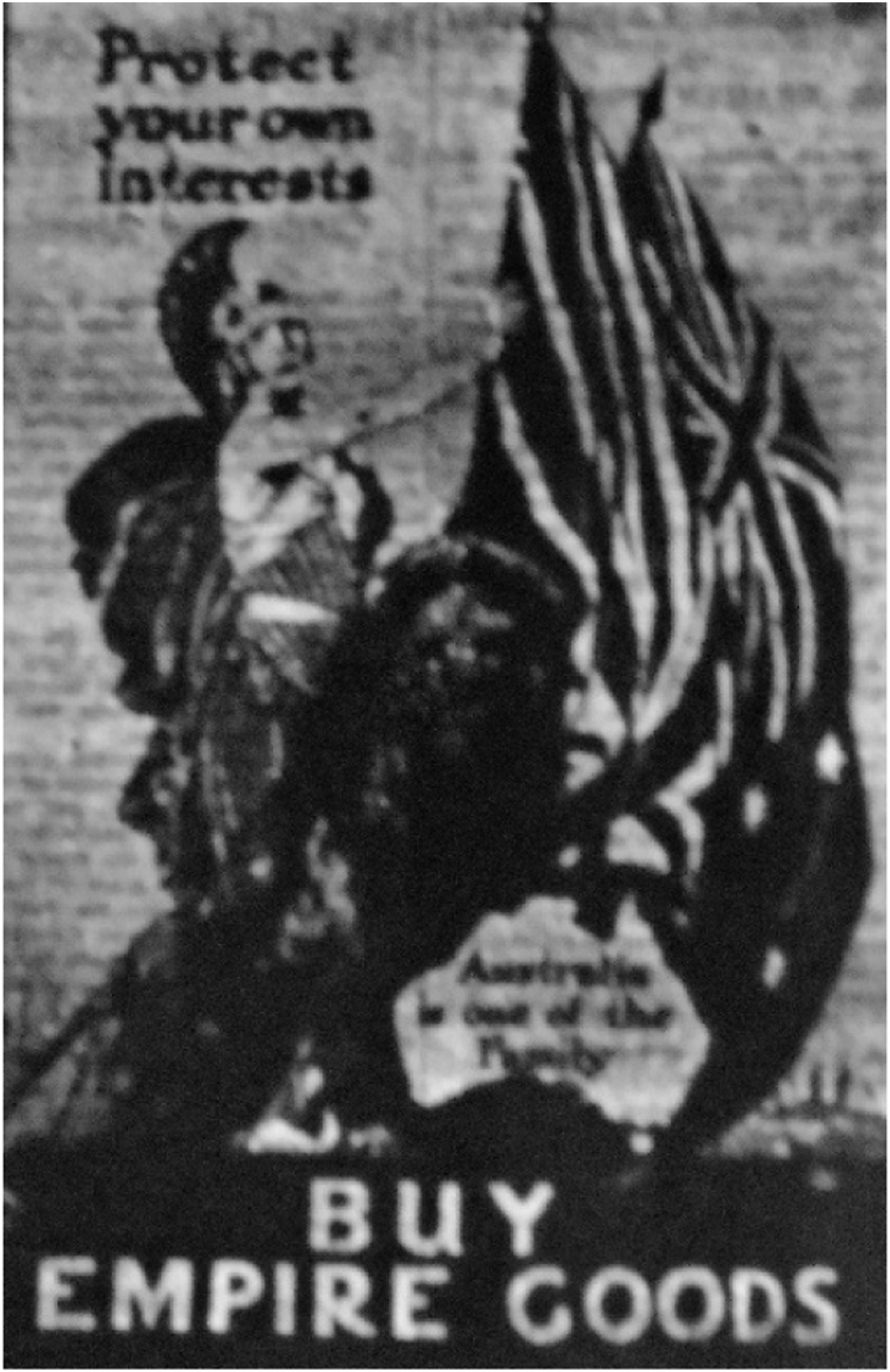
Sydney empire shopping week poster, 1928

David Thackeray
University of Exeter

Since the Brexit vote the ‘Anglosphere’ has featured prominently in debates about the UK’s future trade strategy. It may seem odd that the CANZUK countries (Canada, Australia and New Zealand) have featured so prominently in these discussions. After all, combined together these countries accounted for less than four percent of UK exports in 2017. While Brexiteers may talk wistfully of reviving trade with these ‘old friends’, their efforts build on a problematic historical legacy.

In the 1920s and 1930s various efforts were made to encourage consumers to support trade between ‘British’ countries, based on ties of race. This was only one of a range of attempts to promote ethnically-based trade communities. For example, rival Buy Indian and Buy Chinese movements connected diaspora populations across the British Empire. At much the same time, Marcus Garvey’s Universal Negro Improvement Association promoted the idea of ‘buying black’, a cause which was subsequently adopted by the National Association for the Advancement of Colored People in the United States.

The practice of running empire shopping weeks was started by the British Women’s Patriotic League in 1923, and subsequently endorsed in the UK by the government-sponsored Empire Marketing Board. Shoppers were encouraged to exercise a voluntary preference for national and imperial goods. The shopping week movement extended into Australia in 1925, and reached Canada and South Africa in 1928. However, the language of empire shopping varied significantly between countries. Within the UK and Australia there was much focus on promoting links across the ‘British’ race at home and overseas. However, the question of the ‘British’ character of empire shopping proved more controversial in Canada, with its large French-speaking Québecois population, and in South Africa, where Afrikaners outnumbered the descendants of British settlers. [continue reading]


Imagining Britain’s economic future, c.1800-1975

David Thackeray, Richard Toye, and Andrew Thompson
University of Exeter

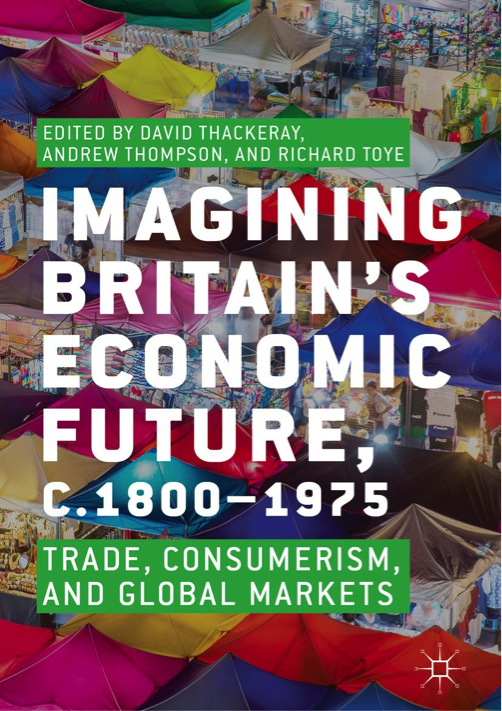
This book considers how Britain has imagined its economic role in the wider world and how British ideas have influenced global debates about market relationships between the start of the nineteenth century and the UK’s first European referendum. In doing so, the authors explore the interplay between the high political thought of theorists, the activities of officials and businesspeople, and the everyday experience of the wider public. Across the contributions to this book there is a consideration of the competing factors which affected market decisions and the processes of ‘economic imagination’.

The economist Joseph Schumpeter put the concept of imagination at the heart of the entrepreneurial process. It was this quality which, above all, businesspeople required if they were to succeed: ‘the capacity of seeing things in a way which proves afterwards to be true, even though it cannot be established [as such] at the time’.[1] He saw that economies are, in a sense, imaginative constructs – making calculations about and placing faith in the future and its possibilities are key qualities of investors and entrepreneurs.

Schumpeter’s work on the entrepreneurial imagination was an important influence in the development of Ronald Robinson and John Gallagher’s concept of the ‘official mind’, which they saw as the key driving force behind British imperial expansion in the nineteenth century. As they noted in Africa and the Victorians, London policy-makers ‘were usually dealing with countries they had never seen, with questions apprehended intellectually from reports and recommendations on paper….it was the idea and analysis of African situations in Whitehall, and not the realities in Africa as such which moved Victorian statesmen to act or not to act’.[2]

The question of how changing levels of information available to economic actors has affected the role of imagination in decision making in the modern world is an important one. As international business scholars have acknowledged, economic imagination is ultimately shaped by the interpretation of past experience, access to information about markets (which can sometimes be faulty), and hopes placed in the future. Perceptions of distance between markets are ultimately culturally constructed. The ‘physic distance’ between markets perceived by businesspeople, policy makers, and consumers may not correspond to actual measurable differences in institutions, preferences, and values as economic actors may exaggerate or underestimate the cultural distance between two countries involved in a transaction.[3]

The 2016 EU referendum provides a good example of how public debates about an imagined economic future can radically reshape public policy. Continue reading “Imagining Britain’s economic future, c.1800-1975”

The politics of buying British: From the Great Depression to Brexit

Sydney empire shopping week poster, 1928

David Thackeray
University of Exeter

Since the Brexit vote the ‘Anglosphere’ has featured prominently in debates about the UK’s future trade strategy. It may seem odd that the CANZUK countries (Canada, Australia and New Zealand) have featured so prominently in these discussions. After all, combined together these countries accounted for less than four percent of UK exports in 2017. While Brexiteers may talk wistfully of reviving trade with these ‘old friends’, their efforts build on a problematic historical legacy.

In the 1920s and 1930s various efforts were made to encourage consumers to support trade between ‘British’ countries, based on ties of race. This was only one of a range of attempts to promote ethnically-based trade communities. For example, rival Buy Indian and Buy Chinese movements connected diaspora populations across the British Empire. At much the same time, Marcus Garvey’s Universal Negro Improvement Association promoted the idea of ‘buying black’, a cause which was subsequently adopted by the National Association for the Advancement of Colored People in the United States.

The practice of running empire shopping weeks was started by the British Women’s Patriotic League in 1923, and subsequently endorsed in the UK by the government-sponsored Empire Marketing Board. Shoppers were encouraged to exercise a voluntary preference for national and imperial goods. The shopping week movement extended into Australia in 1925, and reached Canada and South Africa in 1928. However, the language of empire shopping varied significantly between countries. Within the UK and Australia there was much focus on promoting links across the ‘British’ race at home and overseas. However, the question of the ‘British’ character of empire shopping proved more controversial in Canada, with its large French-speaking Québecois population, and in South Africa, where Afrikaners outnumbered the descendants of British settlers. Continue reading “The politics of buying British: From the Great Depression to Brexit”

New directions in the history of imperial and global networks

New directions in the history of imperial and global networks

An ECR workshop at the University of Exeter, in collaboration with the History & Policy Global Economics and History Forum. 23 June, Reed Hall, Exeter (12-5pm)

Following the Brexit vote and the election of Donald Trump on a protectionist programme much debate has focused on the future of economic, political and humanitarian networks and the apparent challenges to globalisation present today. This, in turn, has stimulated interest in earlier histories of imperial and global networks. In Britain, for example, there has been a great deal of discussion of the potential value of reviving historical trade links with the Commonwealth, a move which has pejoratively been referred to as ‘Empire 2.0’ by its critics.

As well as showcasing new research in the history of imperial and global networks this workshop will include a seminar on training in public engagement, focused on addressing public audiences and policy-makers, led by History & Policy. We invite papers from early career researchers on any aspects of the history of imperial and/or global networks since c.1800. ECRs are defined as postgraduate students or those within ten years of the award of their PhDs. Topics may include (but are not limited to): Continue reading “New directions in the history of imperial and global networks”

Apply by April 17 for an International PhD Student Award @ExeterCIGH

exeter logo

The deadline (April 17) is fast approaching to apply for an international PhD student award, through which you can become a crucial part of the Centre for Imperial and Global History.

We offer internationally-recognised supervision with geographical coverage from staff across African, Asian (including Chinese), Middle Eastern, North American, Latin American, European, Imperial, and Global history from early-modern to contemporary eras. We have strong inter-disciplinary links with colleagues across the humanities and social sciences at Exeter, particularly with the Centre for War, State and Society and the Institute of Arab and Islamic Studies. The Centre has particular research interests in:

  • Globalisation’s past and present
  • Comparative empires and transnationalism
  • Humanitarianism, development and human rights
  • Law and colonialism
  • Political economy and the imperial state
  • Europe, decolonisation and the legacies of empire
  • The impact of armed conflict on society
  • Colonial warfare and counterinsurgency

Continue reading “Apply by April 17 for an International PhD Student Award @ExeterCIGH”

Imperial History and Film Culture

three roads to tomorrow (1958)
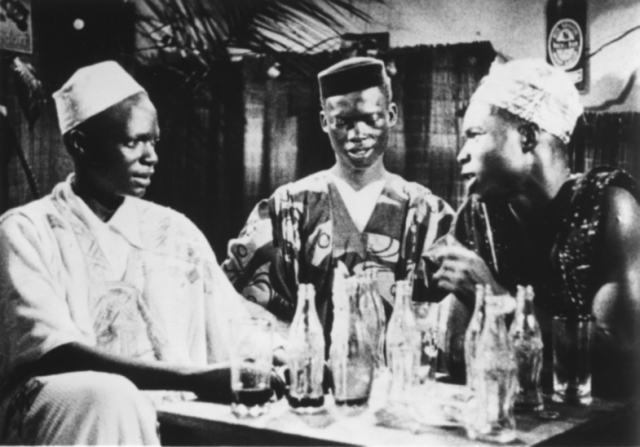
Screenshot from the BP-sponsored Nigerian documentary ‘Three Roads to Tomorrow’ (1958), available for viewing at the Colonial Film Project.

David Thackeray
University of Exeter

What value do film culture sources have for historians of imperial history and how do we locate them? Readers of this forum (or at least those based in the UK) are likely to be familiar with the AHRC Colonial Film project but many key sources for the study of imperial film remain obscure to those outside film studies circles.

Media History Digital Library is perhaps the most useful resource for considering the culture of world cinema-going in the colonial era. Building on the resources of the Museum of Modern Art in New York and a host of other collections, this site offers a range of film magazines from across the world as well as key pieces of government legislation.

Cinema St. Andrews provides access to various digitised resources, including a full run of the Colonial Film Unit’s magazine Colonial Cinema. Continue reading “Imperial History and Film Culture”