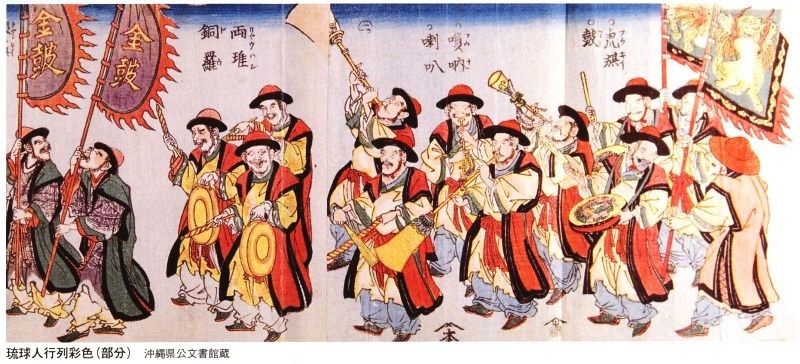
The Ryukyuan music parade or rojigaku consisted of fifteen or twenty musicians and was directed by a Japanese official called gieisei. In addition to performing when the mission reached or left an important destination, the musicians accompanied the parade of envoys along the streets of Edo, playing Chinese and Ryukyuan songs. Via Asia-Pacific Journal.
From linking the Irish Revolution and the First World War to today’s lessons from the Warsaw ghetto, here are this week’s top picks in imperial and global history.
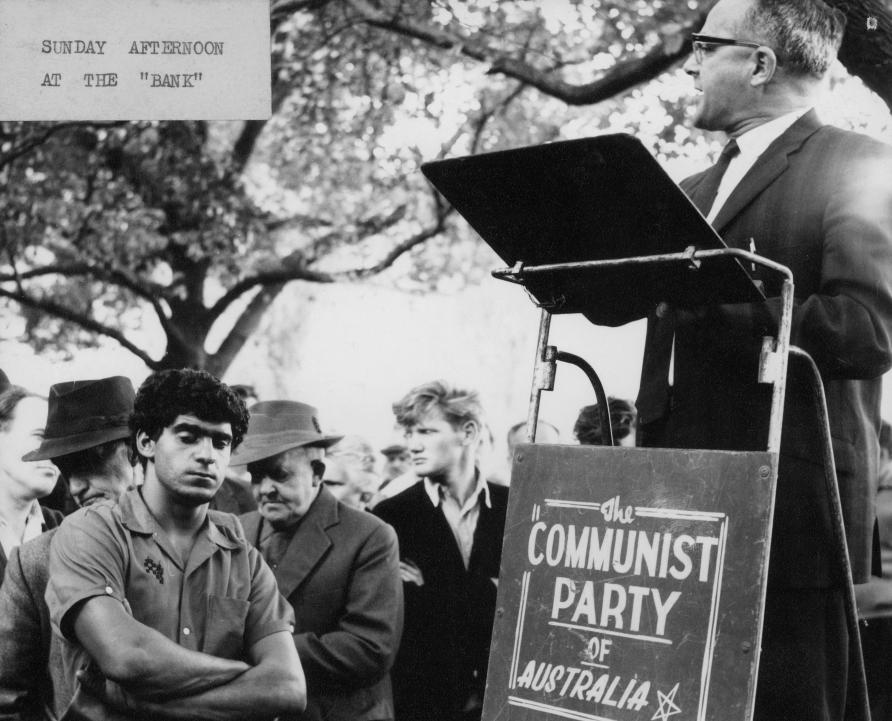
The Communist Party of Australia (CPA) condemned the Soviet invasion of Czechoslovakia in 1968, but the issue would eventually cause a split. Pictured is then CPA official Bernie Taft addressing listeners at Yarra Bank in Melbourne, c1960s. The University of Melbourne Archive’s new Bernie Taft Collection is one of the most significant resources on the history of the Australian left to become available in recent years. Picture: University of Melbourne Archives, Communist Party of Australia collection, 1991.0152.00099
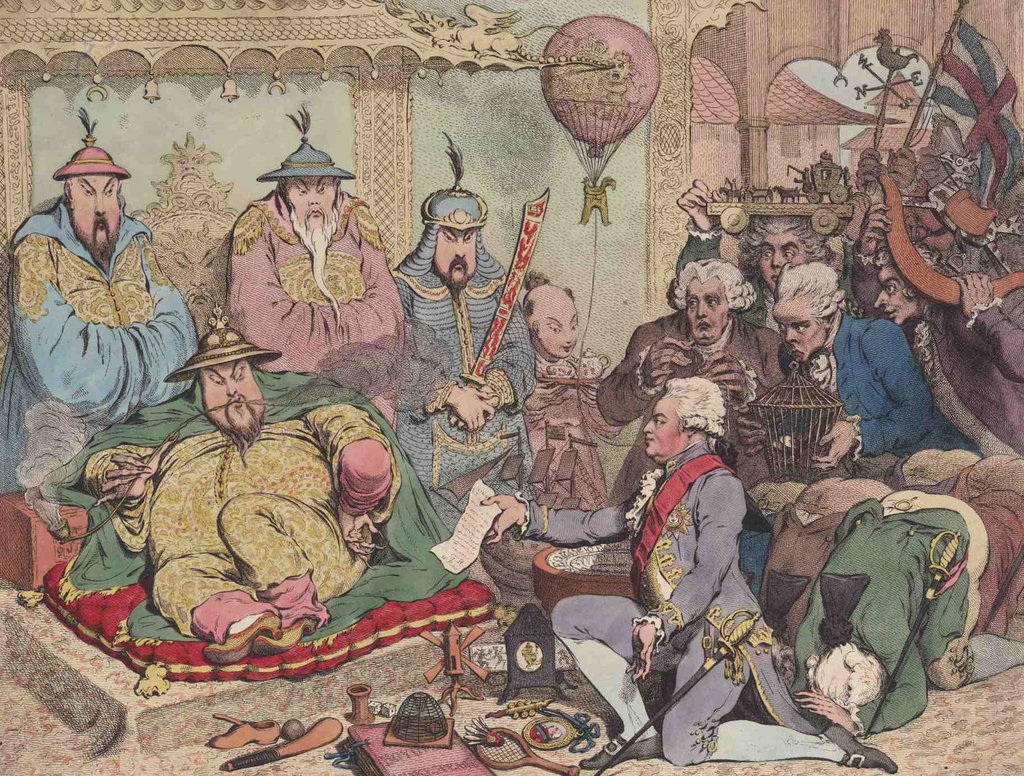
A satirical cartoon of Lord Macartney kneeling before Emperor Qianlong and presenting his “gifts.”CreditCourtesy of the Lewis Walpole Library, Yale University
Dr Tris Kerslake, author of the book Science Fiction and Empire (2010), provides the final post of our multi-week roundtable on science fiction and imperial history, co-edited by Marc-William Palen and Rachel Herrmann. You can read our call for posts here, and the other posts in the series here,here, here, here, here, here, here, and here. Thanks to all of our participants for writing and we’re still looking forward to hearing what you think!
It has been a pleasure and an academic delight to be involved in this series of essays focused at the interconnection of Science Fiction (SF) and imperialism. Long considered the sandbox of neo-empire, these particular thought-experiments of SF cast their shadows both backwards and forwards. Continue reading “The Science Fiction of Empire: the Best of All Possible Worlds?”→
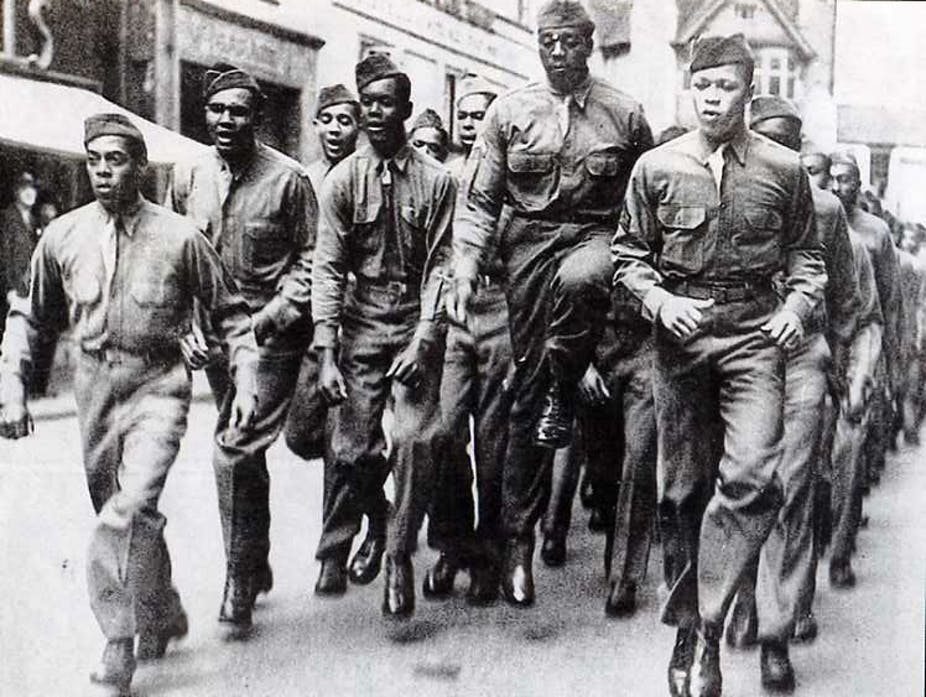
Black American GIs stationed in Britain during the war, these in Bristol, were given a warm welcome by their hosts but treated harshly by their white US Army comrades. brizzlebornandbred, CC BY-NC-SA
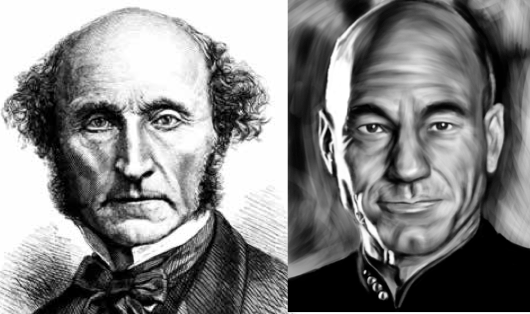
John Stuart Mill [left] and Jean-Luc Picard [right, drawing by gerardtorbitt]
This is the penultimate post of our five-week roundtable on science fiction and imperial history, co-edited by Marc-William Palen and Rachel Herrmann. You can read our call for posts here, and the other posts in the series here,here, here, here, here, here, and here. We look forward to hearing your thoughts!
“No starship may interfere with the normal development of any alien life or society.”
— Prime Directive (United Federation of Planets General Order 1)
“The Prime Directive is not just a set of rules; it is a philosophy…and a very correct one. History has proven again and again that whenever mankind interferes with a less developed civilization, no matter how well intentioned that interference may be, the results are invariably disastrous.” – Capt. Jean-Luc Picard
The Victorian political philosopher John Stuart Mill (1806-1973) and Star Trek’s far-future United Federation of Planets (the Federation) differ substantially on the colonial question. In particular, Mill the Victorian liberal imperialist thought that it was the duty of the British to help “civilize” less developed states through colonialism. Within his stages of civilization, Mill regarded underdeveloped states like India to be backwards and in need of benign British despotism, which was “a legitimate mode of government in dealing with barbarians, provided the end be their improvement, and the means justified by actually effecting that end.”[1]
Although Star Trek‘s Federation may share some similar Victorian-era ideas about imperial power structures and civilizational stages, by contrast it has strict rules about not attempting to “civilize” or colonize “backward” societies. It is enshrined in their Prime Directive, which was first introduced in the Original Series (1966-69) as a none-too-subtle anti-imperial rebuke of the US war in Vietnam.[2]
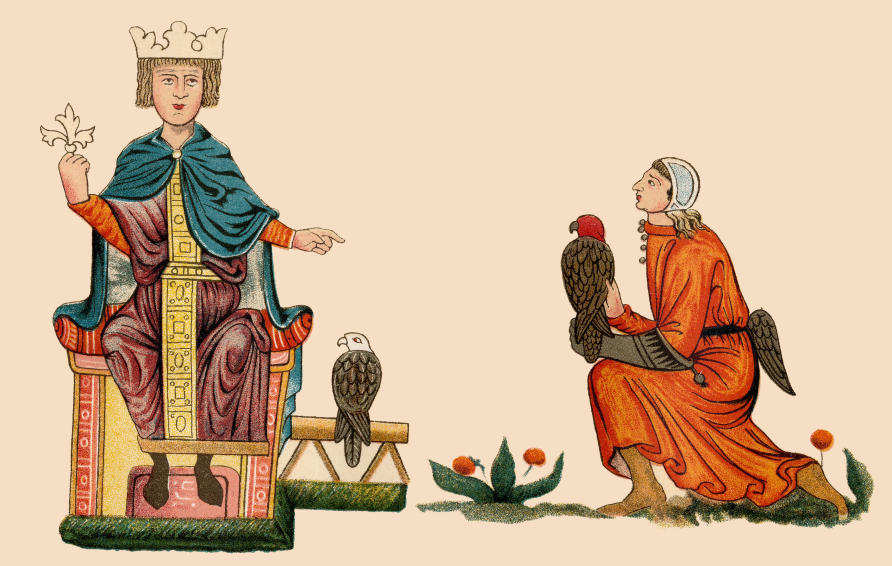
The Holy Roman Emperor King Frederick II of Sicily’s falconry book, De Arte Venandi cum Avibus (The Art of Hunting with Birds) features 900 pictures of birds in its margins. Picture: De Arte Venandi cum Avibus / Alamy



 Imperial & Global Forum
You must be logged in to post a comment.