This Week’s Top Picks in Imperial & Global History

Mujahedeen rebels fighting Soviet troops, Afghanistan, 1980. Credit: Associated Press

Marc-William Palen
History Department, University of Exeter
Follow on Twitter @MWPalen

From the failings of the CIA’s covert military aid, to the World Bank’s role in a bloody land war in Honduras, here are this week’s top picks in imperial and global history. Continue reading “This Week’s Top Picks in Imperial & Global History”

This Week’s Top Picks in Imperial & Global History

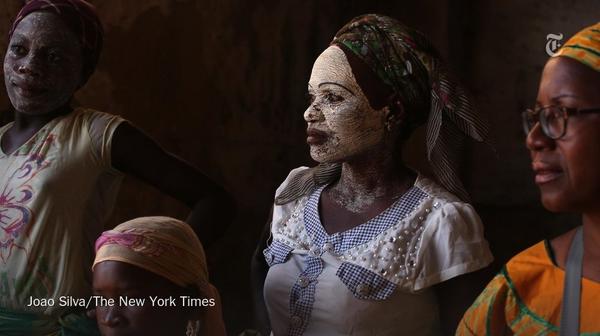
Mozambican women in a building that used to serve as slave housing. Photo: Joao Silva, New York Times.

Marc-William Palen
History Department, University of Exeter
Follow on Twitter @MWPalen

From the grim history of a sunken African slave ship to Canada’s cultural genocide, here are this week’s top picks in imperial and global history. Continue reading “This Week’s Top Picks in Imperial & Global History”

This Week’s Top Picks in Imperial & Global History

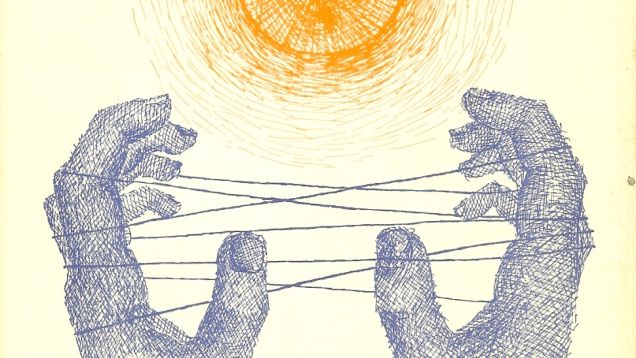
Cat's Cradle

Marc-William Palen
History Department, University of Exeter
Follow on Twitter @MWPalen

From Cat’s Cradle the TV show to the modern Left’s ‘White Man’s Burden’, here are this week’s top picks in imperial and global history. Continue reading “This Week’s Top Picks in Imperial & Global History”

This Week’s Top Picks in Imperial & Global History

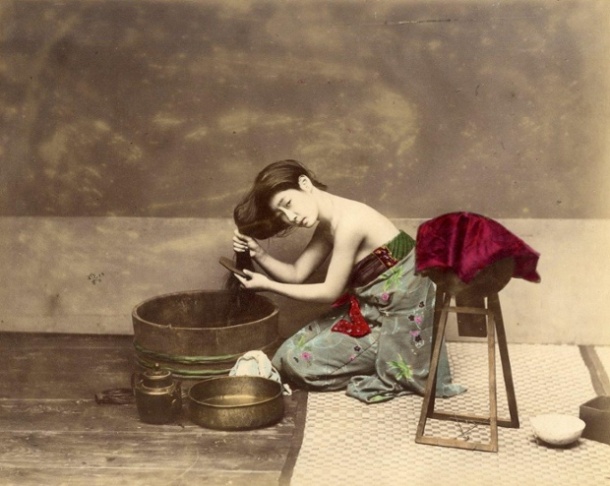
Samurai and Courtesans colour photos from 1865. Felice Beato was one of the first people to photograph the far east – and he made life bloom with colour. Here are his rare hand-coloured shots of Edo-era Japan See them at the London Photograph Fair, 23 & 24 May 2015.
Samurai and Courtesans colour photos from 1865. Felice Beato was one of the first people to photograph the far east – and he made life bloom with colour. See his rare hand-coloured shots of Edo-era Japan here and at the London Photograph Fair, 23 & 24 May 2015.

Marc-William Palen
History Department, University of Exeter
Follow on Twitter @MWPalen

From Disney’s fanciful film about African colonization to how the Civil War changed the world, here are this week’s top picks in imperial and global history. Continue reading “This Week’s Top Picks in Imperial & Global History”

Roundtable – The Roman World and the Future of Globalisation Studies

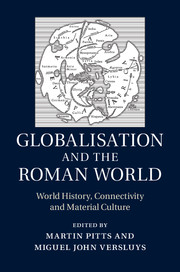
pitts book

Exeter’s Centre for Imperial and Global History is delighted to host an interdisciplinary roundtable on Martin Pitts (University of Exeter) and Miguel John Versluys’s (Leiden University) recent edited volume, Globalisation and the Roman World (Cambridge University Press). The book makes the provocative case for understanding the ancient Roman world as one of the earliest examples of globalisation. Their study challenges that of many Roman historians and archaeologists who feel that the word globalisation is inappropriate to use when discussing the ancient world. With Pitts and Versluys’s book as a starting point, the roundtable participants – ancient historians, archaeologists, sociologists, and modern historians – will discuss how the controversial study of globalisation’s ancient origins might reshape and redirect the interdisciplinary field of globalisation studies. Chaired by Centre Director Andrew Thompson, the roundtable participants are:
  • Martin Pitts (Exeter, Classics and Ancient History)
  • Professor Elena Isayev (Exeter, Classics and Ancient History)
  • Professor David Inglis (Exeter, Sociology)
  • Robert Fletcher (Exeter, History)
  • Marc-William Palen (Exeter, History)

When: Tuesday, 26 May 2015

Time: 3-4.30pm

Where: Amory 128 (University of Exeter, Streatham Campus)

This Week’s Top Picks in Imperial & Global History

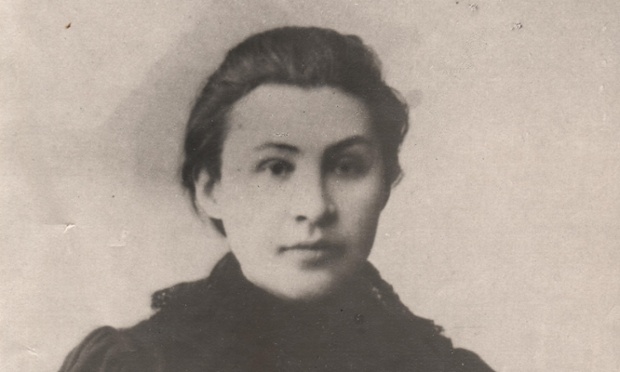
Apollinariya Yakubova, who refused to marry Lenin, was discovered by a Russian history expert in London. Photograph: State Archive of the Russian Federation. Courtesy of the Guardian.
Apollinariya Yakubova, who refused to marry Lenin, was discovered in London by a Russian historian. Photograph: State Archive of the Russian Federation. Courtesy of the Guardian.

Marc-William Palen
History Department, University of Exeter
Follow on Twitter @MWPalen

From exploring eighth-century India to finding Lenin’s lost love, here are this week’s top picks in imperial and global history. Continue reading “This Week’s Top Picks in Imperial & Global History”

This Week’s Top Picks in Imperial & Global History

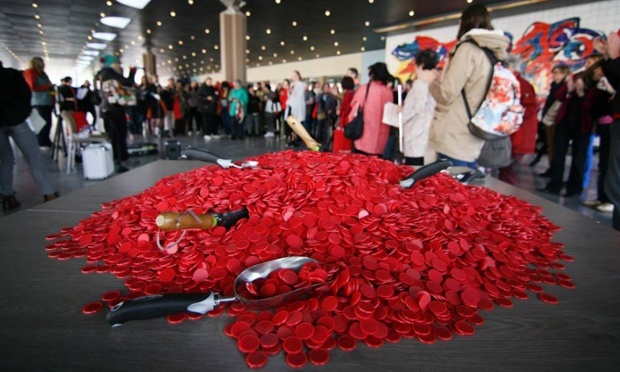
Members of the Women’s International League for Peace and Freedom redistribute red poker chips, symbolizing global military spending, as they see fit. Photograph: Mir Grebäck von Melen/WILPF via the Guardian
Above, members of the Women’s International League for Peace and Freedom at the Hague in April redistribute red poker chips, which symbolize global military spending. Photograph: Mir Grebäck von Melen/WILPF via the Guardian

Marc-William Palen
History Department, University of Exeter
Follow on Twitter @MWPalen

Who’s afraid of a feminist foreign policy? To mark the centenary of the Woman’s Peace Congress and the corresponding international peace conference held at the Hague this past week, here are this week’s top picks. Continue reading “This Week’s Top Picks in Imperial & Global History”

This Week’s Top Picks in Imperial & Global History

armenian-genocide-AB

Marc-William Palen
History Department, University of Exeter
Follow on Twitter @MWPalen

From covering up Soviet crimes to how the Vietnamese view the Vietnam War 40 years after, here are this week’s top picks in imperial and global history. Continue reading “This Week’s Top Picks in Imperial & Global History”

H-Diplo Review of “The Imperialism of Economic Nationalism”

Screen Shot 2015-04-19 at 13.10.00

Marc-William Palen.  “The Imperialism of Economic Nationalism, 1890-1913.”  Diplomatic History 39:1 (January 2015):  157-185.  DOI:  10.1093/dh/dht135.  http://dx.doi.org/10.1093/dh/dht135

Cross-posted from H-Diplo

Reviewed by David Sim, University College London

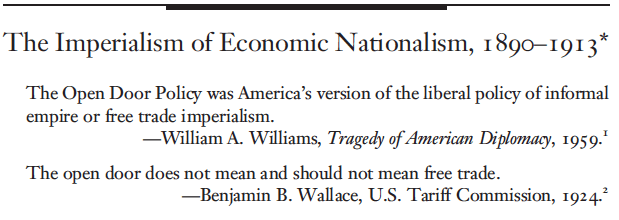
The Obama administration’s engagement with the Cuban government has led politicians and pundits of all stripes to reflect on the relationship between commerce and politics and, in so doing, to reanimate the concept of ‘the open door.’ Marc-William Palen, a Lecturer in Imperial History at the University of Exeter, argues that this concept has been misunderstood and misapplied by historians of American foreign relations from the 1960s to the present.  Building on his work on the global impact of the highly protectionist McKinley Tariff of 1890, Palen sets out to rethink the characterisation of American power at the end of the nineteenth century by outlining what he describes as the “imperialism of economic nationalism,” as distinct from the “imperialism of free trade” (163).1

What is striking, he suggests, is not the American commitment to liberalised trade and the free movement of goods, people and capital, but rather the tenacity with which a band of influential Republican statesmen married their commitment to a high tariff to a programme of reciprocity and, ultimately, to an imperial foreign policy in the late nineteenth century. Convinced of the maturity of American industry but anxious that the U.S. domestic market had become saturated, these statesmen sought a solution in what Palen calls “an expansive closed door,” as administration after administration “coercively enforced a policy of closed colonial markets in Hawaii, the Philippines, Puerto Rico, and Cuba.” (163).

Palen opens this sharp article with a smart pair of quotations. The first is from William Appleman Williams, arguably the single most influential historian of American foreign policy in the second half of the twentieth century. “The Open Door Policy,” he writes, “was America’s version of the liberal policy of informal empire or free trade imperialism” (157). The second person quoted is Benjamin B. Wallace, long-time member of the U.S. Tariff Commission, who would not have recognised Williams’s characterisation. “The open door does not and should not mean free trade,” he bluntly stated in March 1924 (157). These two interpretations offer a neat frame for Palen’s study, and highlight a basic but important historiographical insight that informs the article. Historians have long noted the protectionist credentials of the late-nineteenth-century Republican Party, yet the analytical purchase of ‘free trade imperialism,’ formulated in the context of British imperial history by John Gallagher and Ronald Robinson and imported to American historiography by Williams and others, has endured.2  Why have so many insightful historians persisted with such an obviously ill-fitting concept?

Continue reading “H-Diplo Review of “The Imperialism of Economic Nationalism””

This Week’s Top Picks in Imperial & Global History

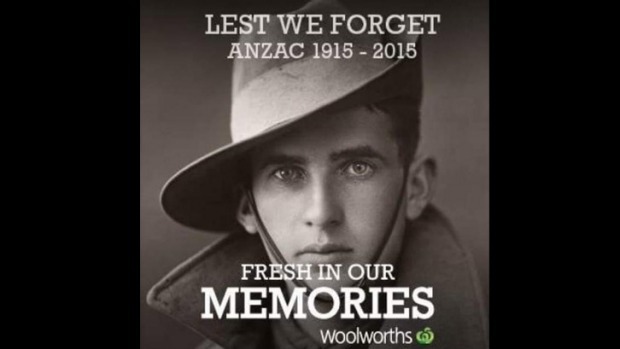
ANZAC
Woolworths’ controversial ANZAC Day campaign poster.

Marc-William Palen
History Department, University of Exeter
Follow on Twitter @MWPalen

From Lincoln’s forgotten post-war black colonization scheme to misremembering the First World War, here are this week’s top picks in imperial and global history. Continue reading “This Week’s Top Picks in Imperial & Global History”

This Week’s Top Picks in Imperial & Global History

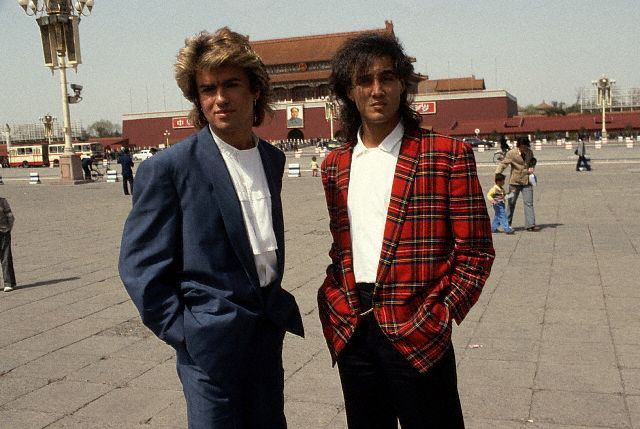
George Michael and Andrew Ridgeley

Marc-William Palen
History Department, University of Exeter
Follow on Twitter @MWPalen

From walking the streets of 16th-century Seville to when China woke up to Wham! Here are this week’s top picks in imperial and global history. Continue reading “This Week’s Top Picks in Imperial & Global History”

This Week’s Top Picks in Imperial & Global History

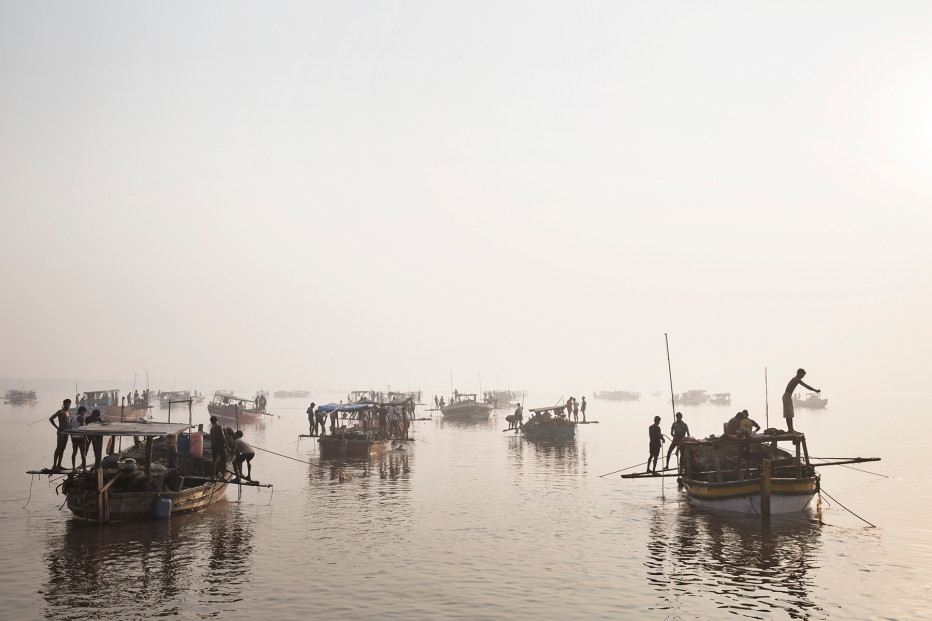
Sand mining boats work illegally on the Thane River near Nagla Bunder Village in Maharashtra, India, March 20, 2013. Photo by Adam Ferguson for WIRED

Marc-William Palen
History Department, University of Exeter
Follow on Twitter @MWPalen

From the global war for sand to Russia’s Scramble for Africa, here are this week’s top picks in imperial and global history. Continue reading “This Week’s Top Picks in Imperial & Global History”

This Week’s Top Picks in Imperial & Global History

NZ_flag1

Marc-William Palen
History Department, University of Exeter
Follow on Twitter @MWPalen

From the hidden history of African decolonization to erasing New Zealand’s indigene symbols, here are this week’s top picks in imperial and global history. Continue reading “This Week’s Top Picks in Imperial & Global History”

12 Digital Research Suggestions for Dissertations on the History of Modern Britain & the British Empire

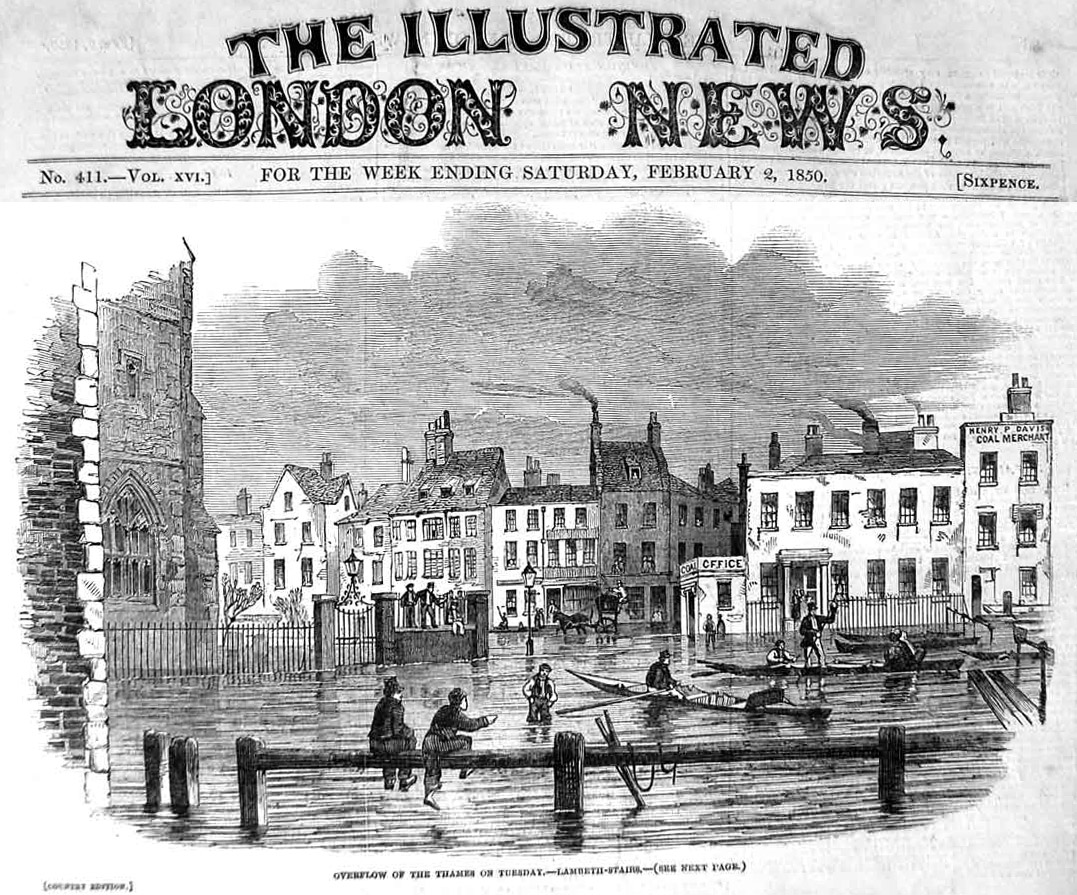
Illustrated London News

David Thackeray, Marc Palen and Richard Toye
University of Exeter
 

As 3rd-year students scramble to finish their dissertations and as 2nd-year students begin formulating topics for their own, it’s worth noting the dramatic expansion in the availability of sources for the study of modern British and British imperial history in recent years.

Many of these sources are free to use. However, it is often hard to keep track of what materials are now available. What follows is a short guide (which is by no means comprehensive) but gives an introduction to some of the most important sources and may be of particular use to students planning dissertations, as well as other researchers. Please feel free to add your own suggestions in the ‘comments’ section.

  1. Mass Observation was a social investigation organisation set up in the 1930s that produced a range of social surveys about British life until its disbandment in the late 1940s. This website provides online access to a range of data held in the Mass Observation archive at the University of Sussex and is invaluable for social historians. Dr. Lucy Robinson has also produced the excellent Observing the 80s website, which holds material compiled following the modern revival of Mass Observation, as well as oral history recordings from the British Library.

Continue reading “12 Digital Research Suggestions for Dissertations on the History of Modern Britain & the British Empire”

This Week’s Top Picks in Imperial & Global History

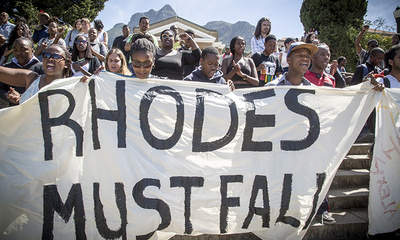
University of Cape Town (UCT) students demand the removal of a statue of Cecil John Rhodes.

Marc-William Palen
History Department, University of Exeter
Follow on Twitter @MWPalen

From toppling the memory of Cecil Rhodes to searching for Che in Gaza, here are this week’s top picks in imperial and global history. Continue reading “This Week’s Top Picks in Imperial & Global History”