This Week’s Top Picks in Imperial & Global History

The Atlantic Cable as the Eighth Wonder of the World - Image credit: Library of Congress, Prints and Photographs Division, reproduction number LC-USZC4-2388
The Atlantic Cable (1866) depicted as the Eighth Wonder of the World – Image credit:
Library of Congress, Prints and Photographs Division,
reproduction number LC-USZC4-2388

Marc-William Palen
Follow on Twitter @MWPalen

From teaching contemporary comparative slavery to 19th-century globalization and hopelessly drunk KGB spies, here are this week’s top reads in imperial and global history. Continue reading “This Week’s Top Picks in Imperial & Global History”

This Week’s Top Picks in Imperial & Global History

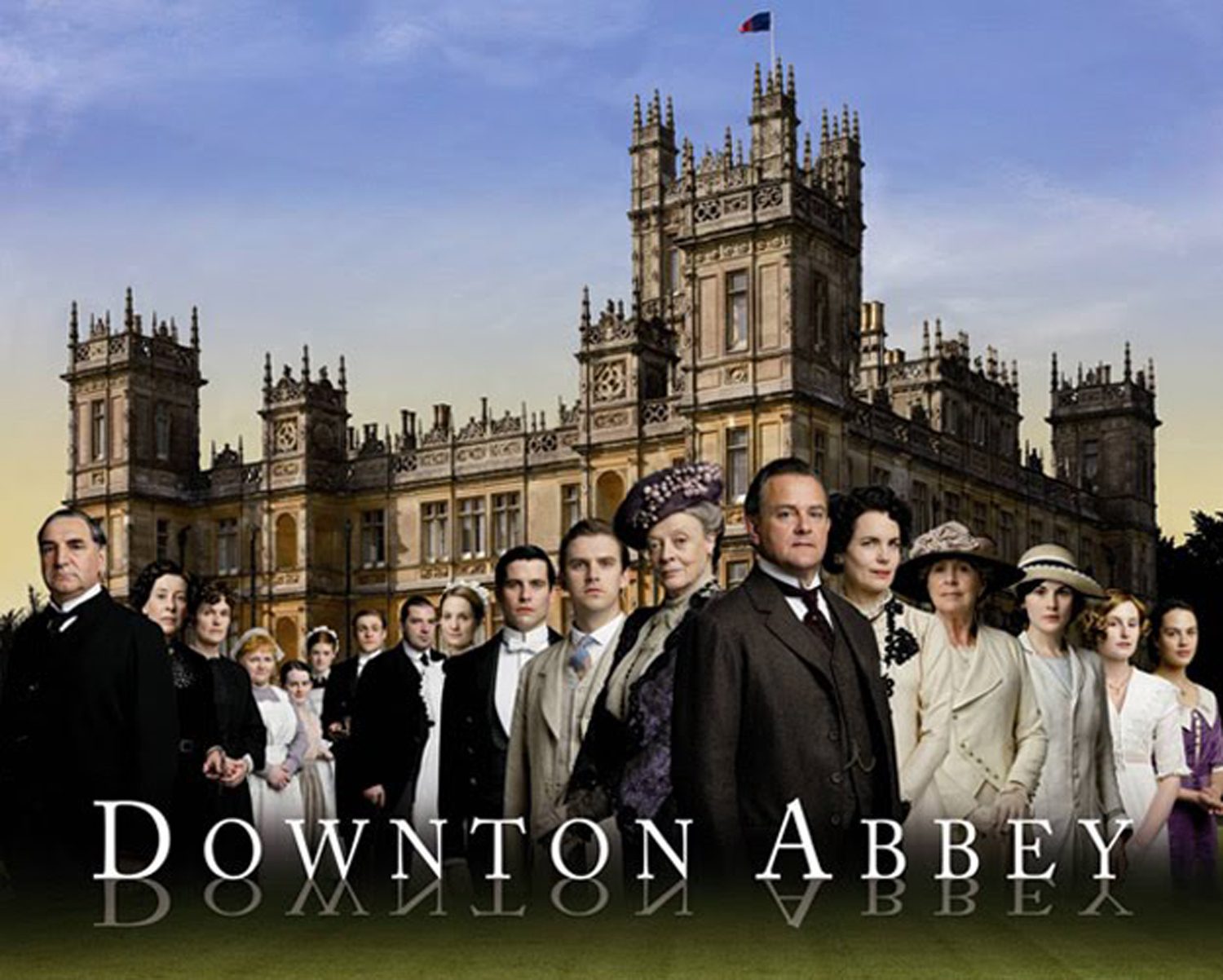
DowntonAbbey1

Marc-William Palen
Follow on Twitter @MWPalen

Has Downton Abbey played an imperial role in Anglo-Chinese relations? Ever heard of the Cold War’s socialist internet? What is the current state of international history? What if the US Civil War had turned out differently?

 Here are the top reads of the week.

Continue reading “This Week’s Top Picks in Imperial & Global History”

This Week’s Top Picks in Imperial & Global History

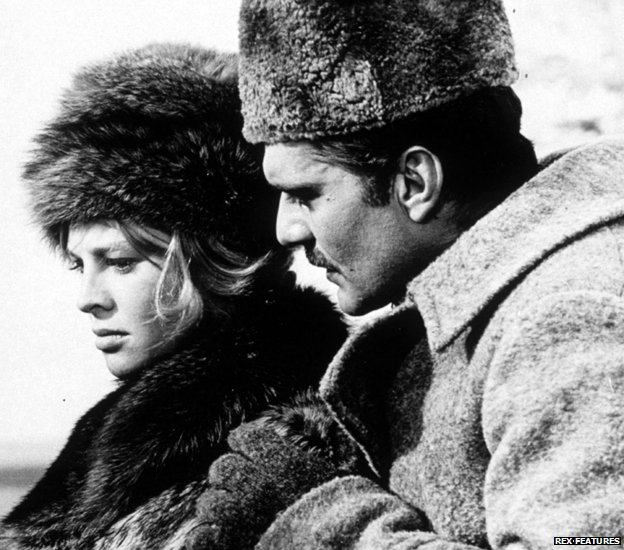
dr-zhivago-film624x550

Marc-William Palen
Follow on Twitter @MWPalen

From selling cat meat in the British Empire to how the CIA was behind the publication of Dr. Zhivago, here are this week’s top picks in imperial and global history. Continue reading “This Week’s Top Picks in Imperial & Global History”

This Week’s Top Picks in Imperial & Global History

whaling
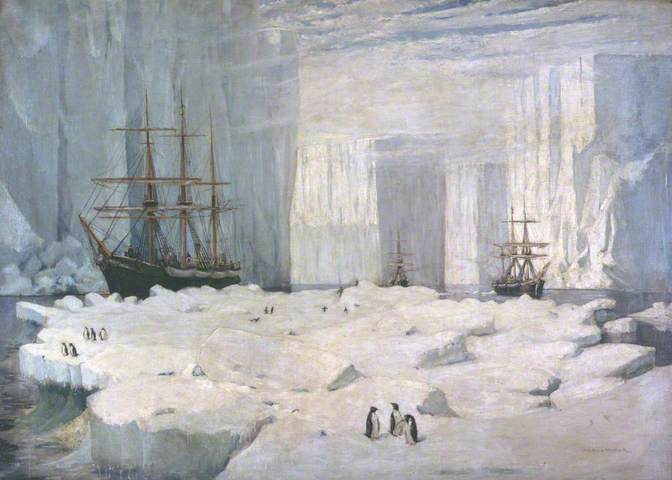
Dundee Antarctic Whaling Expedition (1892–1893) by William Gordon Burn-Murdochphoto [credit: Dundee Art Galleries and Museums Collection (Dundee City Council)]

Marc-William Palen
Follow on Twitter @MWPalen

From the imperial roots of hunger to whaling stations at the end of the earth, here are this week’s top reads in imperial and global history.

Continue reading “This Week’s Top Picks in Imperial & Global History”

This Week’s Top Picks in Imperial & Global History

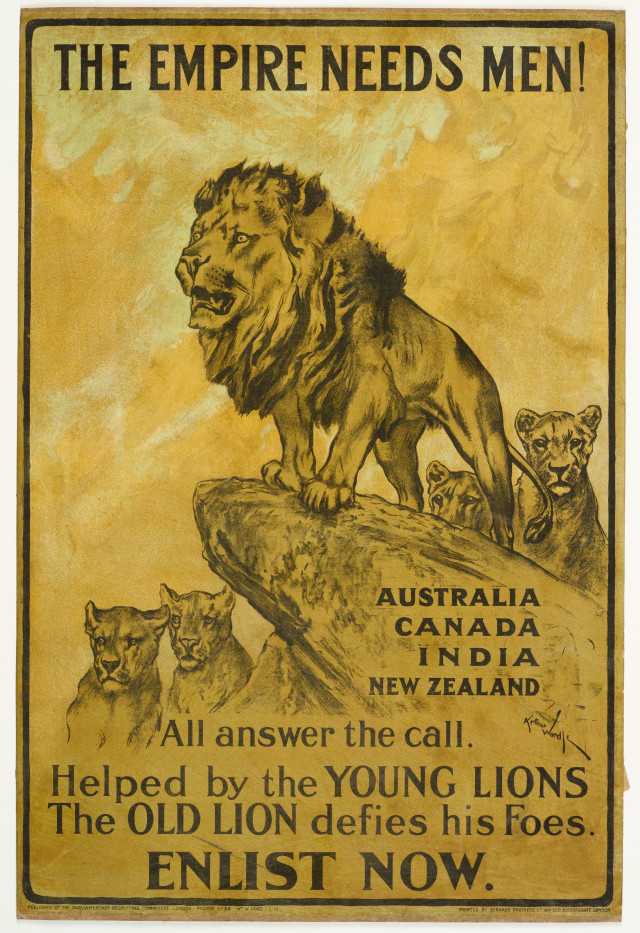
The imagery and text of this British First World War poster indicate a parent-child relationship between Britain and its dominions. Australia, Canada, India and New Zealand are the 'Young Lions’ helping Britain the 'Old Lion' (even though India sent more men than all the other dominions combined).  Te Papa.
From Te Papa collection.

Marc-William Palen
Follow on Twitter @MWPalen

From new digital archives to China’s last Tiananmen prisoner, here is this week’s roundup in imperial and global history. Continue reading “This Week’s Top Picks in Imperial & Global History”

This Week’s Top Picks in Imperial & Global History

Marc-William Palen

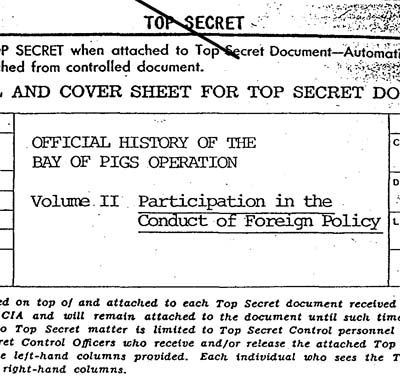
bop-topsecretFrom Cold War cover-ups to ‘mansplaining’ IR theory, here are the week’s top picks in imperial and global history. Continue reading “This Week’s Top Picks in Imperial & Global History”

This Week’s Top Picks in Imperial & Global History

Marc-William Palen

LawBooksHere are this week’s top picks in imperial and global reading: Continue reading “This Week’s Top Picks in Imperial & Global History”

Is Global History Suitable for Undergraduates?

world mapMarc-William Palen
Follow on Twitter @MWPalen

Last week, I came across two provocative blog posts, at The Junto and the Imperial and Global History Network (IGHN), on teaching global history that got me thinking reflectively about my own recent experiences of approaching American and British imperial history from a global historical perspective. The big takeaways from both pieces seem to be: 1) teaching global history is a challenge not just for students but for teachers; and 2) that the net positive from teaching history from a global vantage point at the graduate level far outweighs said challenges. However, The Junto’s Jonathan Wilson concludes by quite explicitly questioning whether global historical approaches are in fact suitable for the first-year undergraduate classroom. Continue reading “Is Global History Suitable for Undergraduates?”

This Week’s Top Picks in Imperial & Global History

Marc-William Palen

From the surprising American support for globalization and remembering the life of an influential U.S. imperial historian, to the fascinating legacies of Dien Bien Phu and the American war in Vietnam. Here are this week’s top picks in imperial & global history.

America’s Role in the World 
Wall Street Journal

Less Military Interventionism, More Trade?

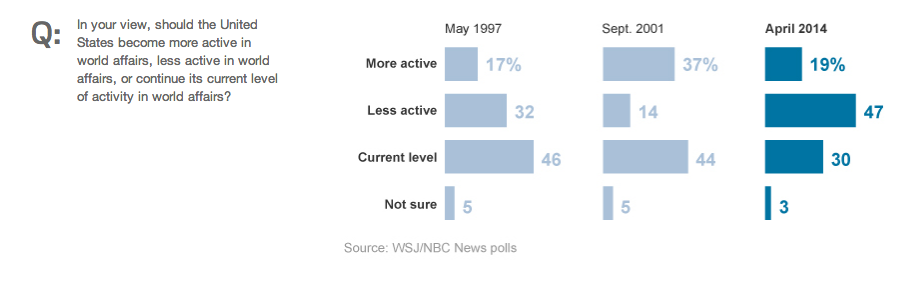
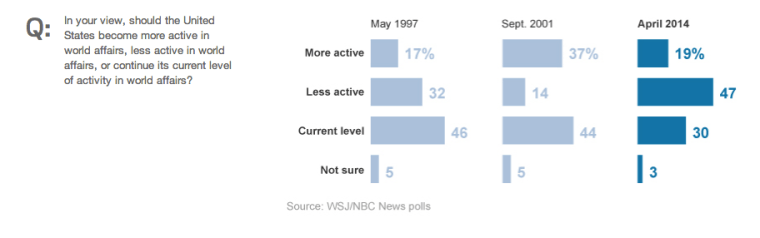
New WSJ/NBC news polls provide what for some might seem to be contradictory opinions regarding how Americans see their country engaging with the globe.

The studies show Americans have consistently opposed military interventionism since 2003. Also, whereas in September 2001 only 14% of respondents felt the United States should become less active in world affairs, the number has skyrocketed to 47% in April 2014.
WSJ poll 1

Continue reading “This Week’s Top Picks in Imperial & Global History”

This Week’s Top Picks in Imperial & Global History

Marc-William Palen

LawBooksHere are some good reads for your imperial and global weekend: From cartographic colonialism and the socialist origins of capitalism, to new archival photos of Victorian Egypt and reviving Cold War era containment.

Continue reading “This Week’s Top Picks in Imperial & Global History”

This Week’s Top Picks in Imperial & Global History

Marc-William Palen

lawrencecamp
A piece of history: This photograph of an armoured Rolls-Royce helped researchers track down a desert camp (pictured) from which Lawrence of Arabia launched guerilla attacks on German-allied Turks.

Ready or not, here is the weekend roundup in imperial and global history:

*It is amazing what still remains to be uncovered at the National Archives. A Bristol University archaeologist has discovered a secret desert camp used by Lawrence of Arabia. It appears to be intact nearly a century later: Continue reading “This Week’s Top Picks in Imperial & Global History”

This Week’s Top Picks in Imperial & Global History

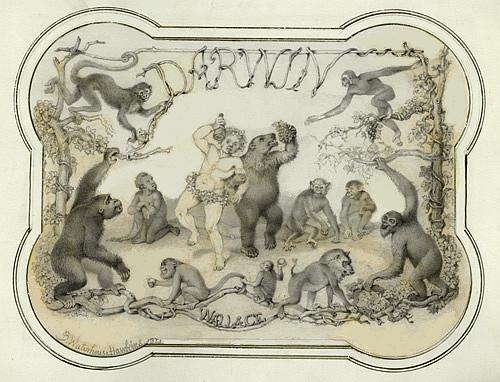
"An ingenious and labored anti-Darwinian exercise inspired by The Descent of Man of the same date (1871); also a bit of a temperance tract. Original artwork displaying a miniaturist's skill. But for what purpose? The decorative margin and minute detail suggest lanternslide copy. If the figures had been intended as book illustrations BWH would have drawn them directly on the lithographic stone. The skeleton-on-body-silhouette renderings recall those in Hawkins's Comparative view of the Human and Animal Frame" -- Baird. Darwin - Wallace / B. Waterhouse Hawkins, 1871. Image available via Academy of Natural Sciences.
“An ingenious and labored anti-Darwinian exercise inspired by The Descent of Man of the same date (1871); also a bit of a temperance tract. Original artwork displaying a miniaturist’s skill. But for what purpose? The decorative margin and minute detail suggest lanternslide copy. If the figures had been intended as book illustrations BWH would have drawn them directly on the lithographic stone. The skeleton-on-body-silhouette renderings recall those in Hawkins’s Comparative view of the Human and Animal Frame” — Baird. Darwin – Wallace / B. Waterhouse Hawkins, 1871. Image available via Academy of Natural Sciences.

Marc-William Palen

Here are some of the Centre’s top reads for over the weekend:

*Historians are busy exploring why the First World War remains so fascinating to school children. Could it be the war’s angst-ridden poetry?

*The Great War isn’t the only conflict stirring up controversy this year. According to the Globe & Mail, The Conservative Harper government has now been warned by bureaucrats that its planned 110th anniversary commemoration of the Boer War should be peripheral at most. According to documents obtained under the Access to Information Act, civil servants warned:  Continue reading “This Week’s Top Picks in Imperial & Global History”

Adam Smith and Empire: A New Talking Empire Podcast

Marc-William Palen

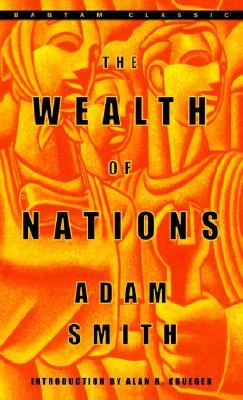
Wealth of NationsWithin the field of imperial history, Adam Smith’s Wealth of Nations (1776) is commonly associated with the anti-imperial economic doctrine that arose in the mid nineteenth century alongside the rise of Free Trade England. This ideology drew inspiration from Smith’s condemnation of the British Empire for being unnecessarily mercantilistic, expensive, and atavistic. Smith’s critique of imperialism came to be known as “Cobdenism”, named after Victorian free trade apostle Richard Cobden, the anti-imperial radical who led the overthrow of England’s protectionist Corn Laws in 1846.

But the longer imperial legacy of the Wealth of Nations is much more . . . complicated. Smith’s work was transformed into an amorphous text regarding the imperial question throughout the late nineteenth and early twentieth century. Adam Smith had left behind an ambiguous legacy on the subject of empire: a legacy that left long-term effects upon subsequent British imperial debates.

Continue reading “Adam Smith and Empire: A New Talking Empire Podcast”

This Week’s Top Picks in Imperial & Global History

Frenchcardgame1
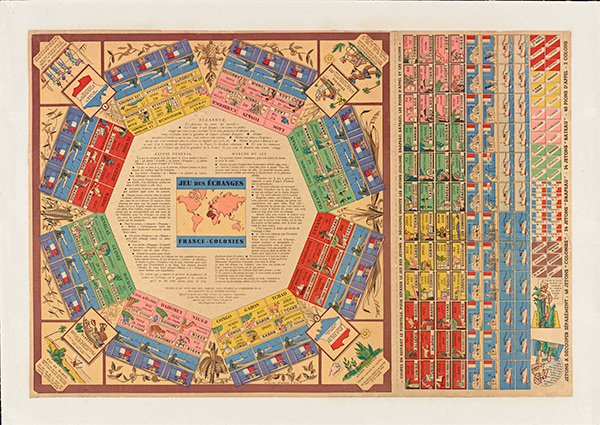
Trading Game: France—Colonies, 1941, O.P.I.M. (Office de publicite et d’impression), Breveté S.G.D.G. Lithograph on linen, 22 7/8 x 32 1/4 in. The Getty Research Institute, 970031.6

Marc-William Palen

From the Getty going free, to card games introducing French children to colonial management, to First World War body armor. Here are the week’s top picks in imperial and global history. Continue reading “This Week’s Top Picks in Imperial & Global History”

This Week’s Top Picks in Imperial & Global History

greatbooksMarc-William Palen

Searching for your weekend dose of imperial and global history? Here are this week’s recommended reads from the Centre for Imperial & Global History: Continue reading “This Week’s Top Picks in Imperial & Global History”