
Marc-William Palen
History Department, University of Exeter
Follow on Twitter @MWPalen
Marc-William Palen
History Department, University of Exeter
Follow on Twitter @MWPalen
Marc-William Palen
History Department, University of Exeter
Follow on Twitter @MWPalen
Marc-William Palen
History Department, University of Exeter
Follow on Twitter @MWPalen
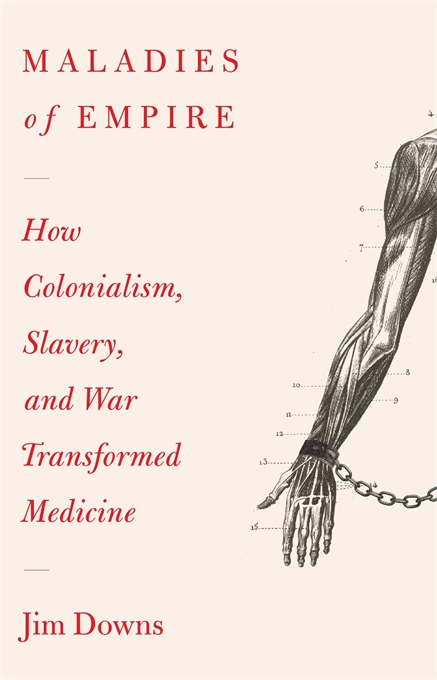
Jim Downs. Maladies of Empire: How Colonialism, Slavery and War Transformed Medicine. Cambridge, MA: Harvard University Press, 2021. 272 pp. $29.95 (cloth), ISBN 9780674971721.
Reviewed by Shibani Das (University of Exeter)
Jim Downs’s Maladies of Empire studies the impact that colonialism, war, and slavery had on the field of epidemiology in the 19th and 20th centuries. Its geographical focus stretches across North America, the Atlantic, West Africa, the United Kingdom, and its colonial possessions in the Indian Subcontinent. It addresses the inability of historians of science, until the 1970s, to question scientific thought and embrace what Warwick Anderson calls ‘universal knowledge’.[1] Through this book, Downs, a professor of Civil War era studies and history, attempts to adjusts popular and academic perceptions of our medical past, as well as of our understanding of inventions, innovations, and intellectual achievements by highlighting the forgotten contributions of the colored, conscripted, enslaved, and oppressed in the production of new ideas about medicine. Downs’s overarching argument is that epidemiology ‘developed not just from studies of European urban centers but also from the international slave trade, colonialism, warfare and the population migrations that followed all of these’ (3).
Continue reading “Das on Downs’s Maladies of Empire (2021)”
Marc-William Palen
History Department, University of Exeter
Follow on Twitter @MWPalen
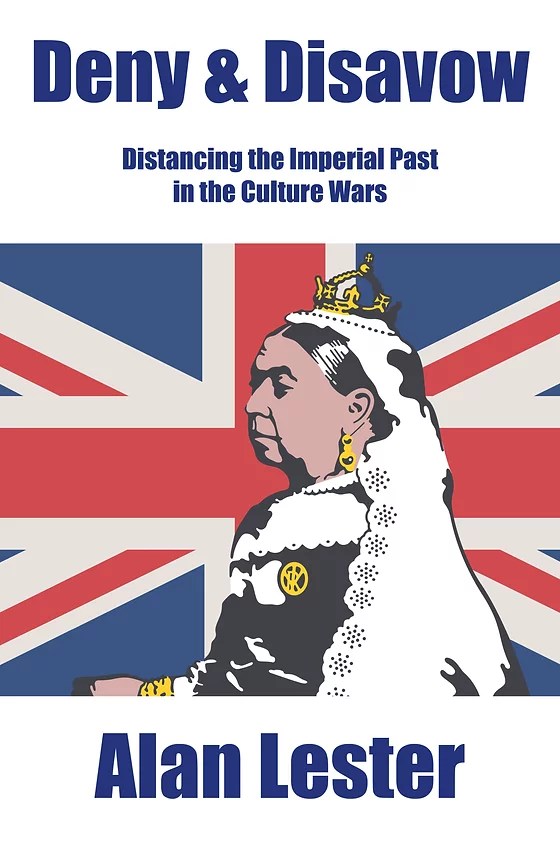
Alan Lester. Deny & Disavow: Distancing the Imperial Past in the Culture Wars. London: SunRise Publishing, 2022. ISBN 978-1-9144891-4-3. Softcover. 203pp. £7.99.
Reviewed by Ryan Hanley (University of Exeter)
I was cornered at a party recently by someone who had overheard that I was an historian of slavery and the British Empire. People like me, they had been warned, were teaching students about how uniquely evil the British were, how we should all be ashamed of our history. They were no cheerleader for Empire, but they also had no patience for the ‘woke’ activists rampaging across the country tearing down statues, cancelling people they didn’t agree with, and generally trying to erase the bits of the past they didn’t like. Above all, they wanted to impress upon me the importance of balance in historical analyses of Empire. Slavery was obviously A Bad Thing, but had I considered that we were the ones who abolished it, and also (here they hesitated for a moment, but pressed on), why don’t we ever hear about the African side of the slave trade? Perhaps I should teach that in my ‘course’. As I tried to respond to some of these points, wearily reproducing rebuttals that are by now so familiar to me that I’m never sure if I’ve already said them in any given conversation, the dialogue pivoted without me. Now we were talking about Hong Kong. Surely even I would admit that British imperialism in Hong Kong was largely benign? That’s the Empire, isn’t it? Some of it was good, some of it was bad. Why can’t people handle complexity nowadays?
Perhaps I am attending the wrong parties. But to be fair to my cross-examiner, they could hardly be blamed for their alarm. As Alan Lester skilfully vivisects in this forthright, illuminating, and hugely readable primer, a culture war over Empire is being assiduously propagated by a small but tenacious group of British politicians, academics, and journalists. Billed as ‘boldly confront[ing] apologists for the British Empire (including the Prime Minister and Cabinet Secretaries)’, Deny and Disavow tackles the deliberate misrepresentations of recent calls for recognition and reform made by Black Lives Matter and other campaigning organisations, as well as the clear majority of historians working in the field. Lester intersperses an admirably dispassionate anatomy of the culture warriors’ various strategies to distance Britain from its own history with punchy ‘snapshot’ accounts of some of the key events and figures that are now, apparently, controversial.
Continue reading “Hanley on Lester’s Deny & Disavow: Distancing the Imperial Past in the Culture Wars (2022)”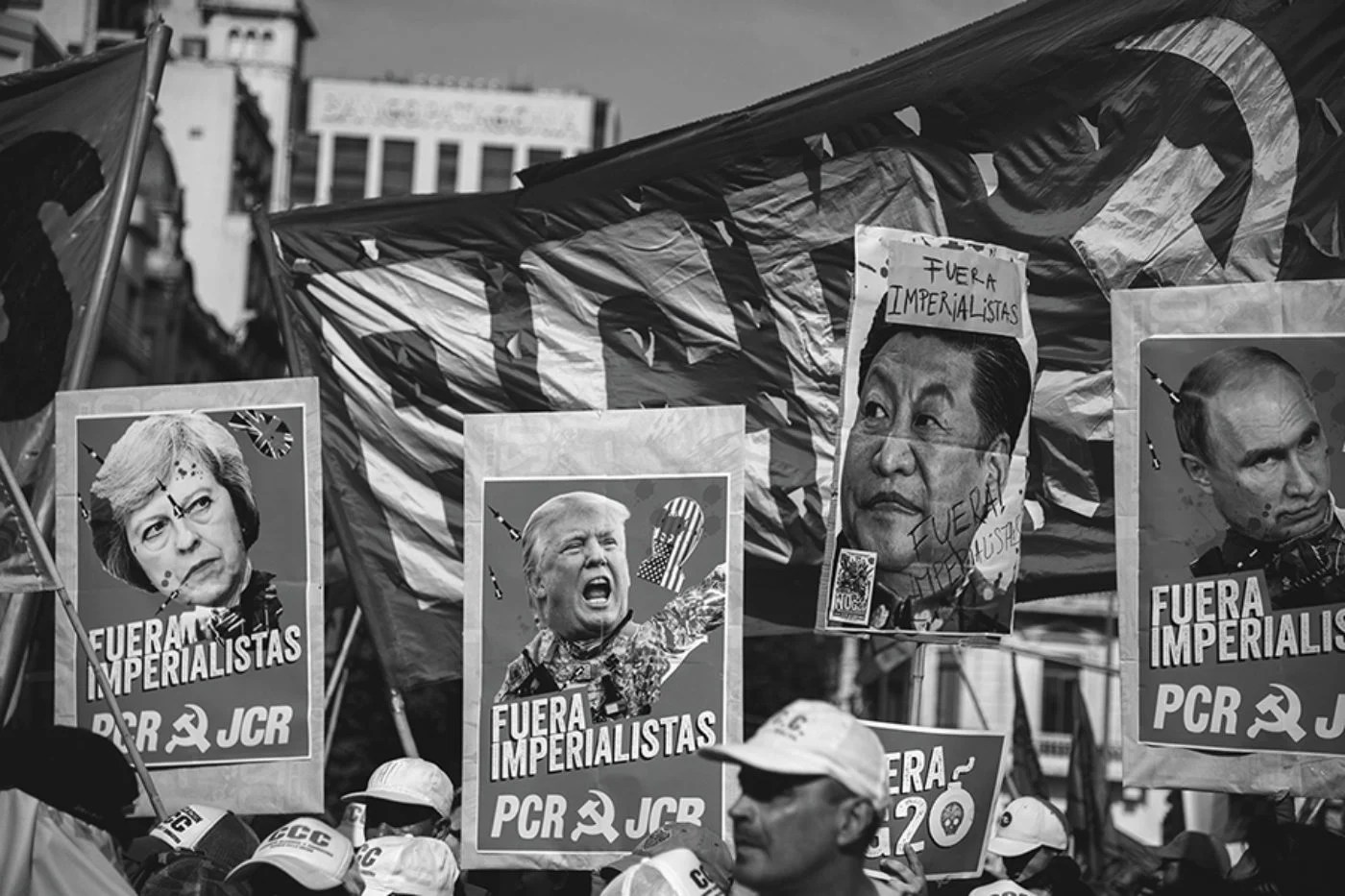
Marc-William Palen
History Department, University of Exeter
Follow on Twitter @MWPalen

Marc-William Palen
History Department, University of Exeter
Follow on Twitter @MWPalen
Application closing date: 09/06/2022
Location: Exeter
Salary: The starting salary will be from £36,382 per annum on Grade F, depending on qualifications and experience.
Package: Generous holiday allowances, flexible working, pension scheme and relocation package (if applicable).
Basis: Full-time
Job category/type: Academic
This full time, permanent post is available 1st August 2022.
The role
The successful applicant will be based in the Department of History, a diverse and thriving community of over 65 staff and 1000 undergraduate students, which is consistently rated among the Top 10 History Departments in the UK.
You will be expected to contribute to delivering research of the highest international quality, drive innovative research and education at undergraduate and postgraduate level, and expand interdisciplinary collaboration. We are keen to receive applications from candidates with research expertise in any aspect of modern British and/or Irish (post c.1900). This includes innovative areas of disciplinary and interdisciplinary research expertise that consolidates and extends our existing strengths connecting British history with wider global histories. These include the legacies of colonialism, Transatlantic history, migration, violence, and conflict. Preference will be given for candidates with demonstrable capability to deliver teaching within a Liberal Arts programme. We particularly welcome applications from candidates whose research engages with questions of gender and sexuality, disability, race and/or ethnicity, and adopts decolonizing approaches to dominant paradigms in the history of twentieth- and twenty-first century Britain. The College also welcomes applications from candidates with experience or interests in digital humanities.
Continue reading “We are hiring! Lecturer in Modern British and/or Irish History”
THURSDAY 12 MAY 2022 – SATURDAY 14 MAY 2022
Graduate Institute of International and Development Studies
Maison de la paix, chemin Eugène-Rigot 2, 1202 Genève
The Annual Pierre du Bois Conference, organized by the Graduate Institute in partnership with the Pierre du Bois Foundation, will take place at Maison de la Paix in Geneva from 12-14 May 2022. Professor Cyrus Schayegh is organizing the conference.
Louise Young, the ‘Vilas Distinguished Achievement Professor of History at the University of Wisconsin-Madison’ will give the Keynote Lecture titled, Now You See It, Now You Don’t: Changing Sightlines on the Japanese Empire.
Background
The scholarly context for the Pierre du Bois Annual Conference 2022 is a fascinating development in the discipline of history in the last decade: the rising interest in trans- and interimperial histories. These build on studies showing that a single empire’s metropole and colonies need to be empirically and conceptually integrated. In the first decade of the 21st century, such more contextualized and decentered histories of empire started evolving into trans- and interimperial histories proper. Inspired by an earlier turn to transnational and global histories, respective historians have been critiquing a deeply rooted and ultimately nationally-biased tendency, by many historians of empire, to focus empirical research and even conceptual conclusions on one single empire. The rise of trans- and interimperial histories crystallized by the 2010s—though it was, one may say, predated by older studies of nonEuropean modern empires. While methodologically dissimilar to present trans- and interimperial studies, these studies quasi by necessity paid considerable attention to (often unequal) relationships especially with modern European and American empires.
Continue reading “Modern Transimperial and Interimperial Histories: Forms, Questions, Prospects”British, Irish and Empire Studies
University of Texas at Austin
Please join us at noon CDT on Wednesday, April 27, for the final installment in our spring virtual speaker series, Brexit One Year On: “The Will of the People: Did Brexit Break the British Constitution?” Scholars Stuart Ward of Copenhagen University and Robert Saunders of Queen Mary College University of London will delve into the complex relationships of Brexit, the British people, and the British Constitution. Marc-William Palen of Exeter University will chair.
Please register in advance using this Zoom link:
https://utexas.zoom.us/meeting/register/tJIsdOCgrjgrHt3wb9OwR_f_Wc-C4V_zii09
After you register, you will receive information on how to join the meeting.
Questions? Contact the BIES staff at Marian.Barber@austin.utexas.edu.
Continue reading “Brexit One Year On: The Will of the People: Did Brexit Break the British Constitution?”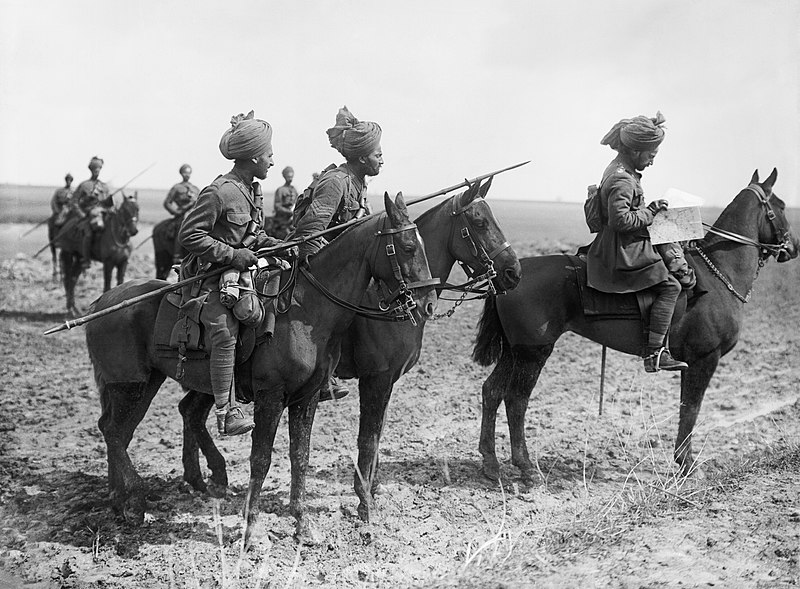
Timur Khan
Leiden University
Today activists in Pakistan, particularly ethnic Pakhtuns and Baluch, evoke the idea of colonial governance when criticizing the Pakistani state’s abuses in their war-torn and marginalized homelands. Take the words of leading Pakhtun activist Manzoor Pashteen: “When we demand our rights, equal rights, and protest against this colonial-like treatment of our people, we’re thrown [in]to jails indefinitely.” Colonialism’s legacy continues to dominate the lives of millions. ‘Pathan,’ or more properly Pakhtun or Pashtun, soldiers’ experiences in British service during the First World War are seldom given dedicated coverage. However, they can illuminate important developments in the formation of this colonial legacy in modern Pakistan: both its consolidation through indigenous allies, and resistance to it.
Continue reading “Pakhtuns in Imperial Service During the First World War: Cooperation and Resistance”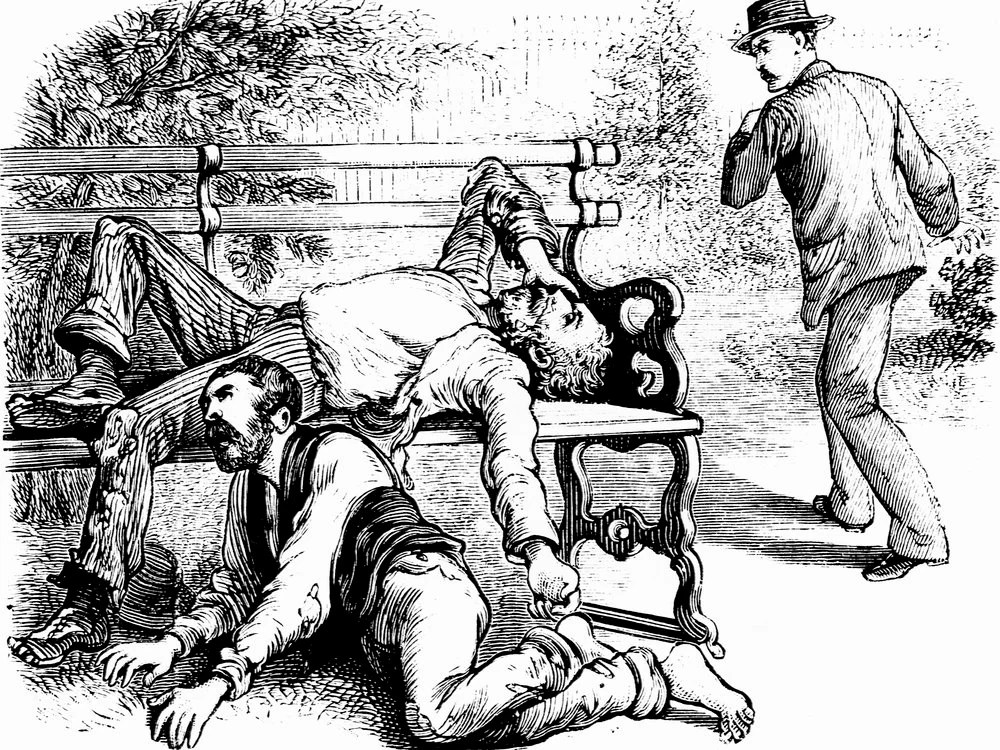
Marc-William Palen
History Department, University of Exeter
Follow on Twitter @MWPalen
Henry Jacob
University of Cambridge
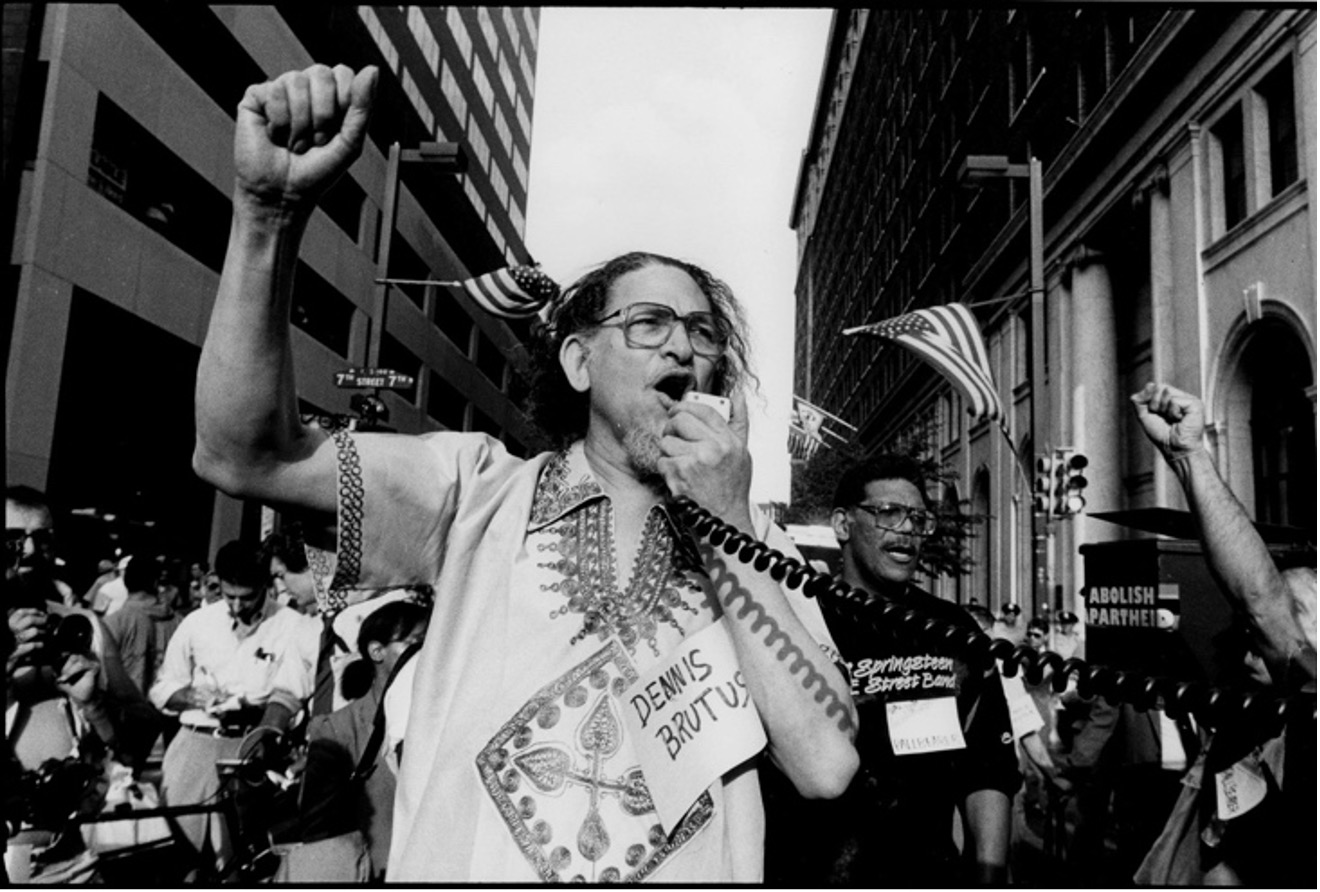
Pierre de Coubertin (1863-1937), a father of the modern Olympic Games, framed his philosophy of sport around elitist principles. The French baron considered aristocratic white males as the “only true Olympic hero[es].”[2] While ignoring the blatant racism and classism of his beliefs, de Coubertin insisted that athletics transcended social concerns. Ironically, he lamented that “politics is making its way into the heart of every issue,” though he maintained that the competition’s purity derived from its supposed apolitical nature.[3] Soon after the death of de Coubertin, South African poet Dennis Brutus (1924-2009) intuited the contradictions of the Frenchman’s Olympism. Discriminatory laws showed Brutus how governmental affairs plagued athletics in his homeland. Over his decades-long campaign to ban his country’s participation in the Olympics, Brutus struggled to win justice while disputing de Coubertin’s logic. In dismantling the Frenchman’s tenets, he pioneered a novel Olympism, one that pursued connection among humans rather than distinctions along racial lines.
This piece intersects with the historiographies of sports, civil rights, and apartheid in South Africa. To start, this essay draws upon the work of leading specialists on South Africa such as Saul Dubow. In particular, his Racial Segregation and the Origins of Apartheid in South Africa, 1919-1936 and Apartheid, 1948-1994 have informed this blog post. Dubow’s studies on the roots, and the persistence of Apartheid, throughout the twentieth century provide insights on the system against which Brutus struggled. In addition, this piece takes inspiration from critical interdisciplinary perspectives on the Olympics. Sidonie Smith, Kay Schaffer, Kevin Wamsley, and Kevin Young have dissected the dynamics of symbols, power, and politics in the modern games. Of course, this piece also seeks to engage with existing literature on Brutus himself. In recent years, academics have devoted more energies to evaluating the South African’s career and legacy. Edited volumes such as Critical Perspectives on Dennis Brutus as well as Poetry and Protest: a Dennis Brutus Reader attest to the richness of this subfield. Even more, Tyrone August released a monograph in 2020 that deals with Brutus’s early years in South Africa before his 1966 exile. On the whole, this piece seeks to complement these scholars who have provided such lucid surveys of South Africa, the Olympics, and how Brutus blended poetics and activism.
Continue reading “How One South African Poet Reformed the Olympics to Combat Apartheid”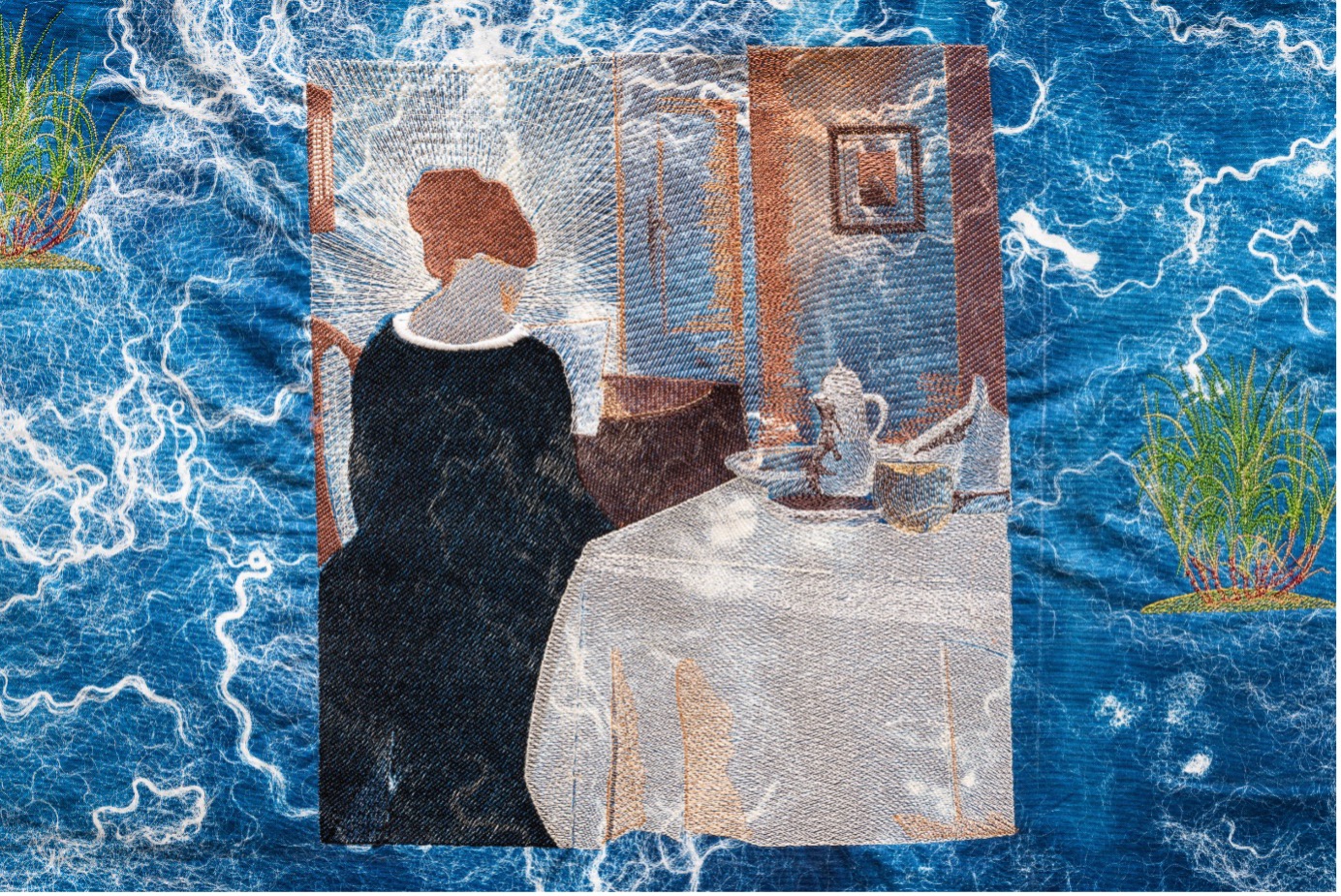
Anabelle Howorth, Alex Jones, and Tim Robertson
As students on the British World module at Exeter we recently discussed why the place of the colonial past has become so contentious over the last thirty years. In doing so, we considered the concerns of the ‘new museology’ in seeking to make museums fora for public engagement and discussion of this past. We also considered recent attempts to raise awareness of the region’s connections with colonialism, such as the ‘In Plain Sight’ exhibition at the RAMM in Exeter, which traces Devon’s connections with the Atlantic slave trade. The exhibition does an excellent job of providing a new understanding of the overlooked connections between places we see everyday and one of the darkest episodes in history. In particular, Joy Gregory’s commissioned work, ‘The Sweetest Thing’ highlights the connections between local wealthy families and slavery in the Caribbean. The tapestry includes compensation figures, which were awarded to claimants by the British government following the Slavery Abolition Act in 1833. Knowledge of the huge sums awarded to former slave owners has become more widespread over recent years through the digitisation of records by the Legacies of British Slave Ownership project but it is still rare for a regional museum to feature this history prominently.
Continue reading “In Plain Sight: Decolonising the Museum” Imperial & Global Forum

You must be logged in to post a comment.