Top 10 of 2018 – #9 – Colonising the Verse: Genre, Imperialism and Frontier Violence in Firefly and Serenity

Editor’s Note: In the weeks leading up to the new year, please help us remember 2018 at the Imperial & Global Forum by checking out the past year’s 10 most popular posts.

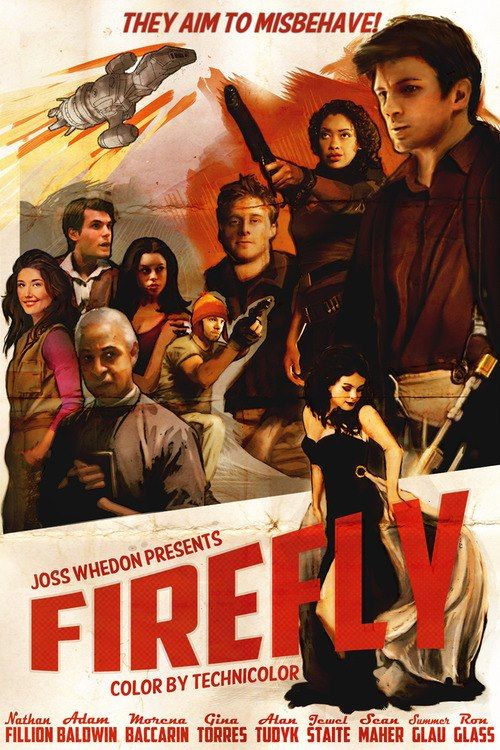
“They Aim to Misbehave”. Painted by Danielle “Elle” Babin-Sather, 2013. https://www.patreon.com/Babsl

Joel Barnes 
University of Melbourne

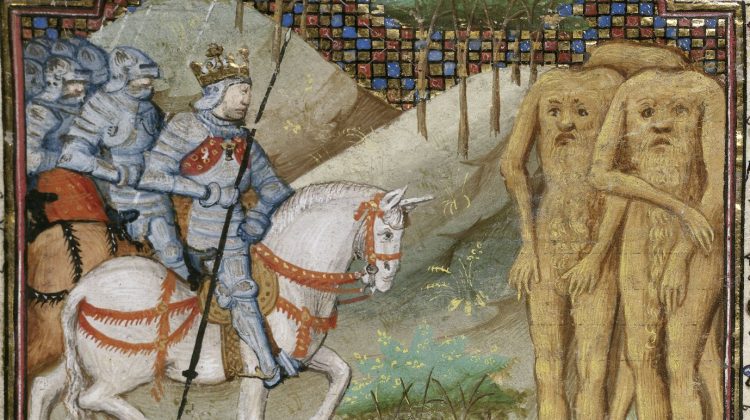
Five hundred years in the future, humanity has left earth and expanded into a new solar system. New planets have been terraformed and colonised. Life at the centre of this system is luxurious, sophisticated, civilised. On the outer fringes, existence is more precarious, eking out a living a more dangerous game. This is the world of Joss Whedon’s regrettably short-lived television series Firefly (2002) and its feature film follow-up Serenity (2005). Both follow the rag-tag crew of the spaceship Serenity, led by captain Mal Reynolds (Nathan Fillion), as they struggle to make ends meet by means legal and otherwise on the rough outer edges of this fictional universe, known in the show’s jargon as “the Verse.”

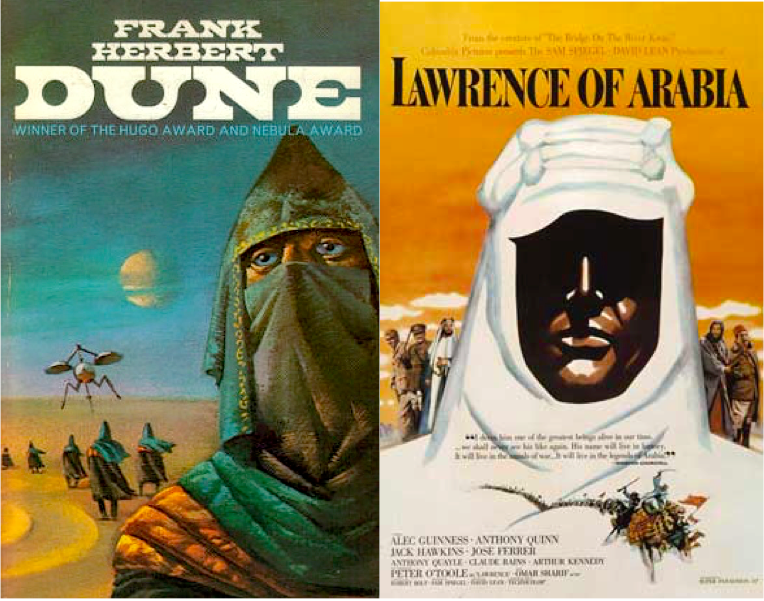
The Verse is cast in the mode of not one but two genres—the space opera and the western—that dramatise life on the frontier, and much of its humour and interest lies in the productive tension between their respective visions of that setting. According to Whedon, Firefly’s genesis lay in his reading of The Killer Angels (1974), Michael Shaara’s historical novel about the Battle of Gettysburg. He afterwards became “obsessed with the idea of life on the frontier, and that of course [made him] think of the Millennium Falcon.”[1] In imagining the space opera as an adapted western that shifted nineteenth-century imperial tropes into an extraterrestrial future, Whedon was merely making explicit long-standing undercurrents within the genre. (Gene Roddenberry’s working title for Star Trek—a constant intertextual counterpoint in Firefly—had been Wagon Train to the Stars.[2] Its trademark incantation of “space, the final frontier” was not incidental.) [continue reading]

Top 10 of 2018 – #10 – The politics of buying British: From the Great Depression to Brexit

Editor’s Note: In the weeks leading up to the new year, please help us remember 2018 at the Imperial & Global Forum by checking out the past year’s 10 most popular posts.

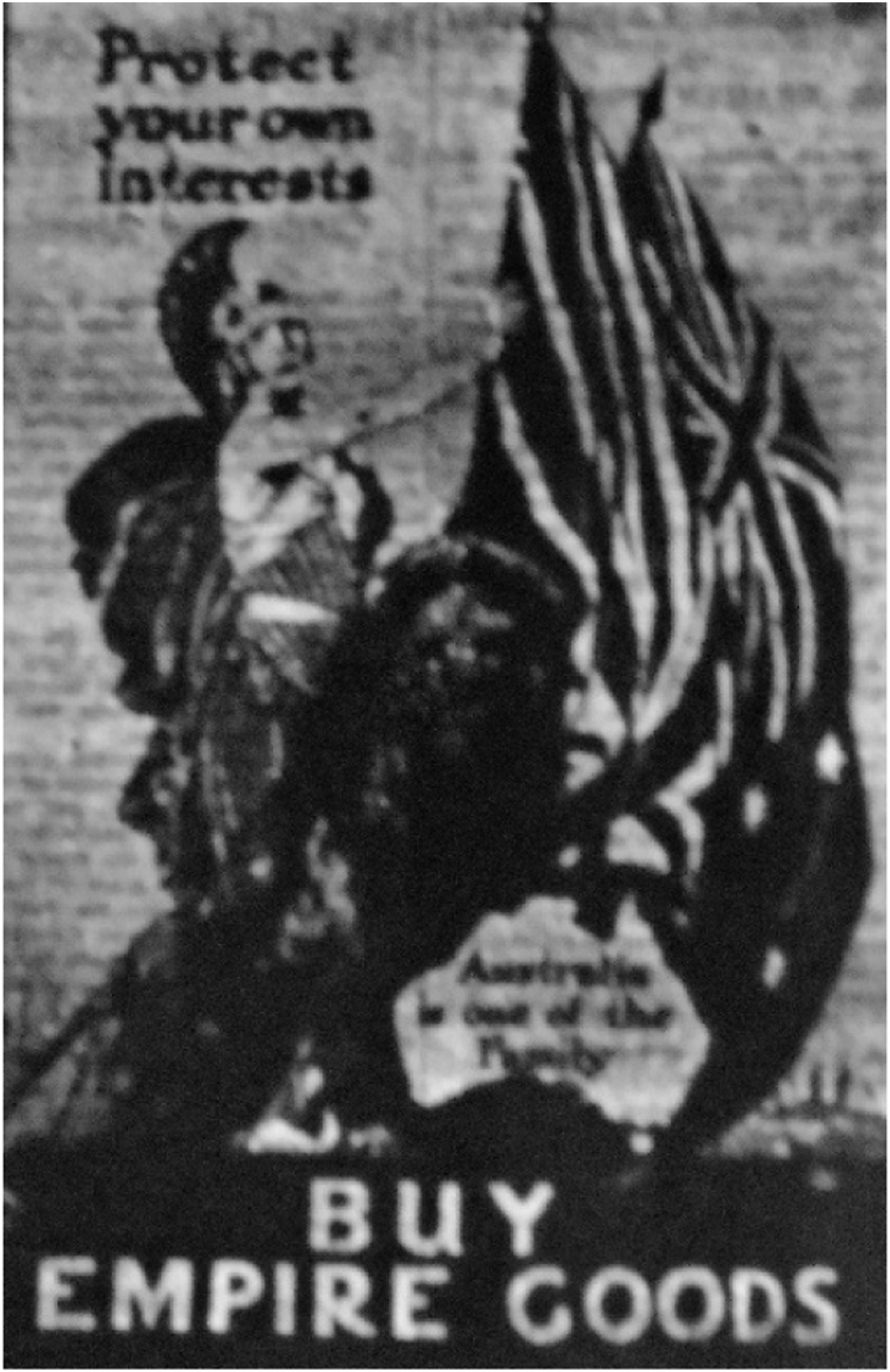
Sydney empire shopping week poster, 1928

David Thackeray
University of Exeter

Since the Brexit vote the ‘Anglosphere’ has featured prominently in debates about the UK’s future trade strategy. It may seem odd that the CANZUK countries (Canada, Australia and New Zealand) have featured so prominently in these discussions. After all, combined together these countries accounted for less than four percent of UK exports in 2017. While Brexiteers may talk wistfully of reviving trade with these ‘old friends’, their efforts build on a problematic historical legacy.

In the 1920s and 1930s various efforts were made to encourage consumers to support trade between ‘British’ countries, based on ties of race. This was only one of a range of attempts to promote ethnically-based trade communities. For example, rival Buy Indian and Buy Chinese movements connected diaspora populations across the British Empire. At much the same time, Marcus Garvey’s Universal Negro Improvement Association promoted the idea of ‘buying black’, a cause which was subsequently adopted by the National Association for the Advancement of Colored People in the United States.

The practice of running empire shopping weeks was started by the British Women’s Patriotic League in 1923, and subsequently endorsed in the UK by the government-sponsored Empire Marketing Board. Shoppers were encouraged to exercise a voluntary preference for national and imperial goods. The shopping week movement extended into Australia in 1925, and reached Canada and South Africa in 1928. However, the language of empire shopping varied significantly between countries. Within the UK and Australia there was much focus on promoting links across the ‘British’ race at home and overseas. However, the question of the ‘British’ character of empire shopping proved more controversial in Canada, with its large French-speaking Québecois population, and in South Africa, where Afrikaners outnumbered the descendants of British settlers. [continue reading]


This Week’s Top Picks in Imperial & Global History

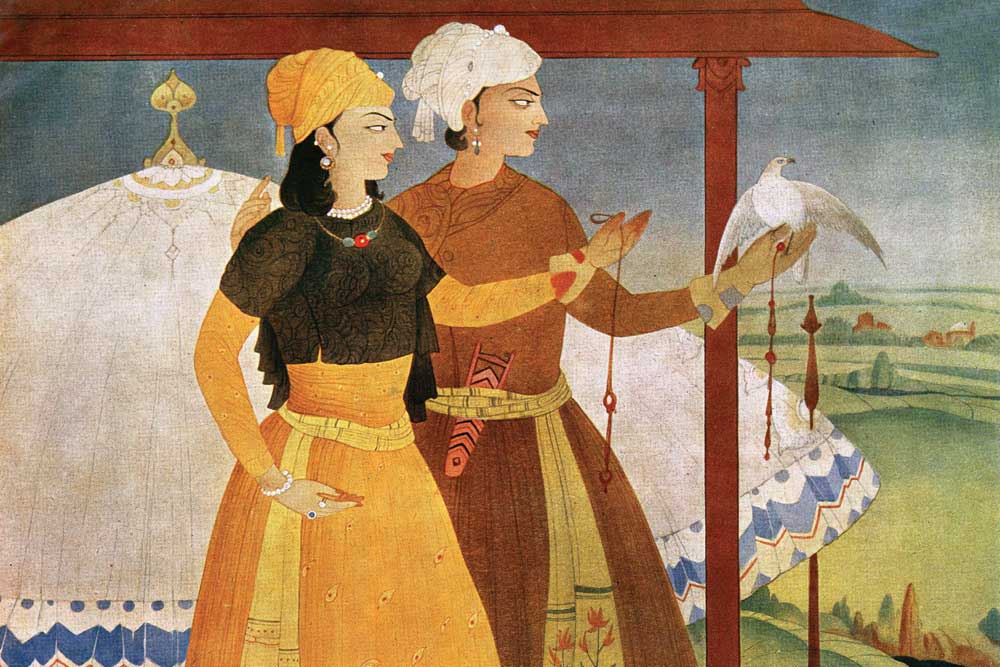
Nur Jahan and Jahangeer by Abdur Rahman Chughtai

Marc-William Palen
History Department, University of Exeter
Follow on Twitter @MWPalen

From India’s dangerous new curriculum to the rise of hipster colonialism, here are this week’s top picks in imperial and global history. Continue reading “This Week’s Top Picks in Imperial & Global History”

Amazing new digital archive of political maps for imperial and global historians

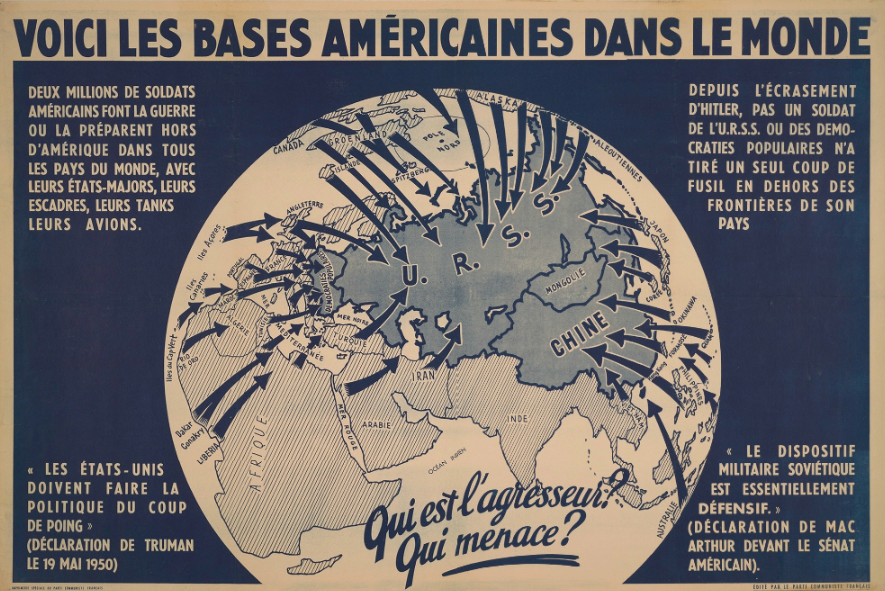
American Bases in the World‘ (1951), French Communist Party. Courtesy of the P.J. Mode Collection, Cornell Library.

Marc-William Palen
History Department, University of Exeter
Follow on Twitter @MWPalen

In case you missed it (I was tweeting about it A LOT last week), Cornell Library’s Digital Collections have just made available an amazing archive – the PJ Mode Collection – consisting of around 800 political maps that should be on the radar of anyone working on imperial and global history. They. Are. Awesome.

Here’s a sampling.


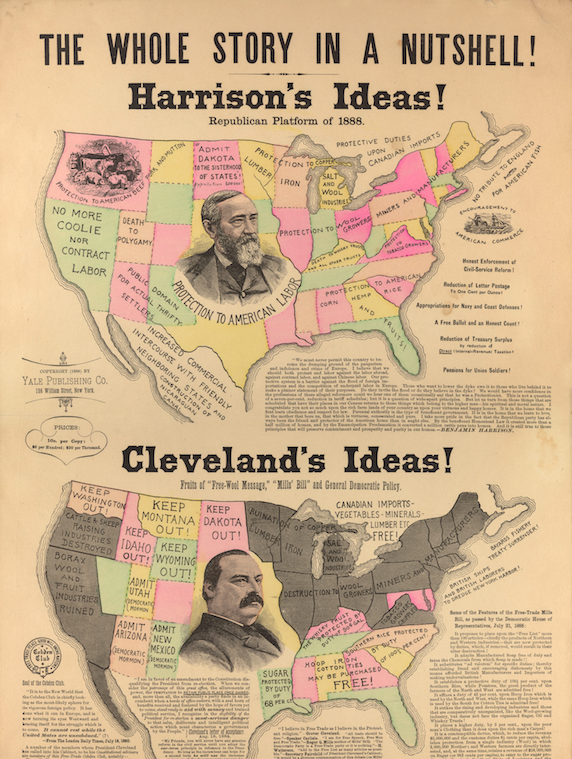
The Whole Story in a Nutshell!’ (1888) – Here’s one of my favorites for a lot of reasons. To give it some context, the so-called Great Debate of 1888 (that year’s presidential election) was centered around the future of US trade policy. The GOP was staunchly protectionist and Anglophobic at this time, and they feared the perceived influence of ‘Free Trade England’ on US politics. British free traders (in particular London’s Cobden Club, featured on the bottom left), were the main targets of paranoid Republican protectionist propaganda. Democratic President Grover Cleveland only added to the conspiracy theories when he filled his cabinet and advisors with US members of the Cobden Club. The pro-Harrison map does a vivid job of illustrating the GOP’s economic nationalism in contrast to Democratic free trade. For more on this, my book, The ‘Conspiracy’ of Free Trade, explores the conspiratorial reception of British free-trade ideas in Gilded Age America.

Continue reading “Amazing new digital archive of political maps for imperial and global historians”

This Week’s Top Picks in Imperial & Global History

Marc-William Palen
History Department, University of Exeter
Follow on Twitter @MWPalen

From America’s lost “Europe First” strategy to the Philippines’s Jewish refugees, here are this week’s top picks in imperial and global history. Continue reading “This Week’s Top Picks in Imperial & Global History”

The Mau Mau Detention Camps: Rehabilitation, Propaganda, Memory

The Mau Mau Memorial erected in Nairobi in 2015. Image – Daily Nation.

Lauren Brown
University of Dundee

Kenya’s Mau Mau Uprising (1952-1964) was plagued with violence. The rebellion was the result of discontent with British colonial rule. When the British had arrived in Kenya, they stole land from the native population; among them, the Kikuyu people suffered most from this. As living conditions grew harder for the Kikuyu under British occupation, they began an aggressive campaign to fight back against British colonial forces.  To quell the rising violence and anti-colonial sentiment, the British created a system of detention camps to incarcerate thousands of the Kikuyu population. In these camps, prisoners were tortured, abused, and, in some cases, murdered.  

The events that transpired in these camps have long been hidden away from popular historical narrative though finally, the repercussions of this are reaching the British government. Continue reading “The Mau Mau Detention Camps: Rehabilitation, Propaganda, Memory”

WWI’s message for us about trade wars

Marc-William Palen
History Department, University of Exeter
Follow on Twitter @MWPalen

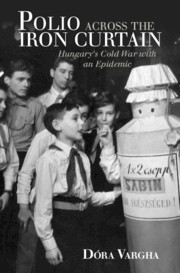
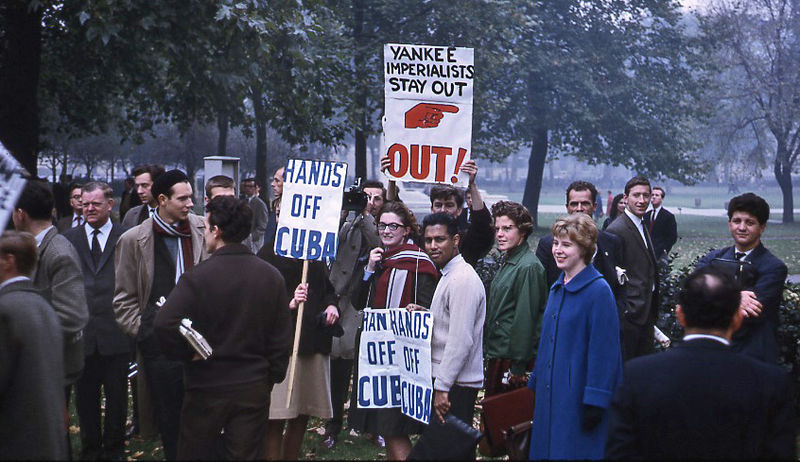
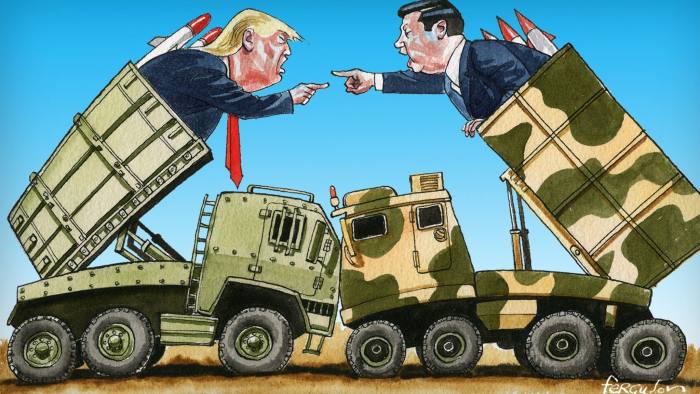
Reflecting upon the centenary of Armistice Day last Sunday, an article in the Business Standard (India) explores the relationship between economic conflict and the “War to end all wars,” featuring Prof. Biswajit Dhar (Jawaharlal Nehru University) and myself. Such reflections become even more timely in light of the growing speculation just this past month from former US Treasury Secretary Henry PaulsonBloomberg’Shawn Donnan and Kevin Hamlin, and the Wall Street Journal’James Mackintosh that the US trade war with China could turn into a new cold war, what Paulson calls an “Economic Iron Curtain.” From the Business Standard:

A hundred years ago from today, the ‘War to end all wars’ came to a close, leaving in its wake 19 million dead and 23 million wounded. There were many culprits, including economic nationalism, but only one victim — humanity, which was exposed to the horror of industrial warfare in those grim, meat-grinding trenches, only to face the same calamity again, magnified manifold, between 1939 and 1945 (Over 60 million people were killed in World War II). Are we seeing the economic drivers of that first great war re-emerge in today’s world of growing protectionism and trade wars?

In a 2016 report, Deutsche Asset Management Chief Global Economist Josh Feinman writes that “we’ve seen this movie before”, while referring to the rise of economic nationalism, reflected in Donald Trump’s election to the White House, the political and popular backlash against globalisation, exemplified today by the US-China trade war, and the hardening of borders against immigrants, which is a driving force behind Brexit. “The first great globalisation wave, in the half-century or so before WWI, sparked a populist backlash too, and ultimately came crashing down in the cataclysms of 1914 to 1945,” writes Feinman. He goes on to describe “protectionism and economic nationalism” as “culprits” that played a part in causing the two World Wars.

Of course, they were not the only, or perhaps even the most important, causes of the First World War. “While there is a pretty clear causation between protectionism and the era’s trade wars, it is more difficult to prove that trade wars led to the First World War. There is certainly a correlation, but causation is much more difficult to measure,” says Marc-William Palen, senior lecturer of imperial history at the University of Exeter.

Continue reading “WWI’s message for us about trade wars”

This Week’s Top Picks in Imperial & Global History

American troops from the 369th black infantry regiment arrive back in New York after the end of the first world war. Composite: Bettmann

Marc-William Palen
History Department, University of Exeter
Follow on Twitter @MWPalen

With a special Armistice centenary edition, here are this week’s top picks in imperial and global history.

Continue reading “This Week’s Top Picks in Imperial & Global History”

The 1963 Skopje earthquake and its international significance: an interview with Ljubica Spaskovska

Centre Director Richard Toye interviews Dr. Ljubica Spaskovska (University of Exeter) about the 1963 Skopje earthquake and its international significance (8 November 2018).

This Week’s Top Picks in Imperial & Global History

Thanks … a banner at a Scottish parade in 1982. Photograph: Debasers Filums

Marc-William Palen
History Department, University of Exeter
Follow on Twitter @MWPalen

From Monsters vs. Empire to how fish and chips migrated to Great Britain, here are this week’s top picks in imperial and global history. Continue reading “This Week’s Top Picks in Imperial & Global History”

New Job! Lecturer in European History post 1900

Lecturer in European History post 1900 (E&R)

Job reference P64106

Date posted 05/11/2018

Application closing date 03/12/2018

Location Exeter

Salary The starting salary will be from £35,211 within the Grade F band (£35,211 – £39,609).

Package Generous holiday allowances, flexible working, pension scheme and relocation package (if applicable).

Job category/type Academic

Job description

The above full-time post is available from 2nd January 2019 on a permanent basis.

The University of Exeter is a Russell Group university in the top 200 of universities worldwide.We combine world-class teaching with world-class research, and have achieved a Gold rating in the Teaching Excellence Framework Award 2017. We have over 22,000 students and 4600 staff from 180 different countries and have been rated the WhatUni 2017 International Student Choice. Our research focuses on some of the most fundamental issues facing humankind today, with 98% of our research rated as being of international quality in the 2014 Research Excellence Framework. We encourage proactive engagement with industry, business and community partners to enhance the impact of research and education and improve the employability of our students.   Continue reading “New Job! Lecturer in European History post 1900”

The Unnecessary Book

“To Winston, with affectionate birthday greetings from his old castigator” by David Low, 1954

Centre Director Richard Toye has reviewed Andrew Roberts’s new book Churchill: Walking with Destiny in the newest Times Literary Supplement. Here is a sneak preview:

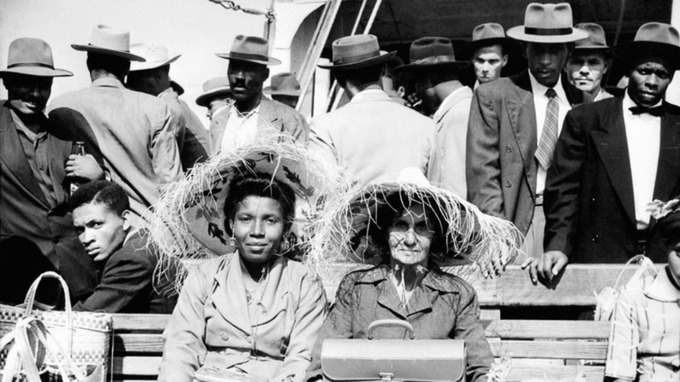
churchillOn April 9, 1994, the cover of the Spectator boasted a colourful cartoon that depicted Winston Churchill sticking up two fingers to a boatload of Caribbean migrants – “the Windrush generation”, as we would now call them. Inside was an article by Andrew Roberts (who had previously made a name for himself as a biographer of Lord Halifax) which labelled Churchill as an ideological racist. “For all his public pronouncements on ‘The Brotherhood of Man’ he was an unrepentant white – not to say Anglo-Saxon – supremacist”, Roberts wrote. Moreover, “for Churchill, negroes were ‘niggers’ or ‘blackamoors’, Arabs were ‘worthless’, Chinese were ‘chinks’ or ‘pigtails’, and other black races were ‘baboons’ or ‘Hottentots’.”

Roberts’s claims, which were soon to be published at greater length in his book Eminent Churchillians, provoked a storm of criticism. The historian Niall Ferguson wrote that ‘my friend Andrew Roberts has joined the growing ranks of Churchill-bashers’. Bill Deedes, who had served as a junior minister in Churchill’s final government, lamented in the Daily Telegraph that ‘We live in times when greatness draws critics and genius attracts iconoclasts – and iconoclasm sells books.’ Lady Williams, a former personal secretary to Churchill, told biographer William Manchester that Roberts’s ‘scurrilous allegations’ were symptomatic of a form of history that involved ‘shooting down great historic figures’. Continue reading “The Unnecessary Book”

This Week’s Top Picks in Imperial & Global History

A box of declassified documents from the Venona Project, stored in the National Archives in College Park, Maryland, contains Soviet cables decrypted in the 1940s. (Maggie Steber / VII Photo)

Marc-William Palen
History Department, University of Exeter
Follow on Twitter @MWPalen

From Fanon’s fugitive archive to Gandhi for the post-truth age, here are this week’s top picks in imperial and global history. Continue reading “This Week’s Top Picks in Imperial & Global History”

Fidelity Capitalism and the airline industry: an interview with James Vernon

Professor Richard Toye interviews Professor James Vernon at the North American Conference on British Studies, Providence, RI, 27 October 2018.


James Fallon, the Improbable Irish Winemaker: an interview with Jennifer Regan-Lefebvre

Centre Director Professor Richard Toye interviews Professor Jennifer Regan-Lefebvre (Trinity College, Connecticut) about her research on imperial wine making, at the North American Conference on British Studies, Providence RI, 27 October 2018.