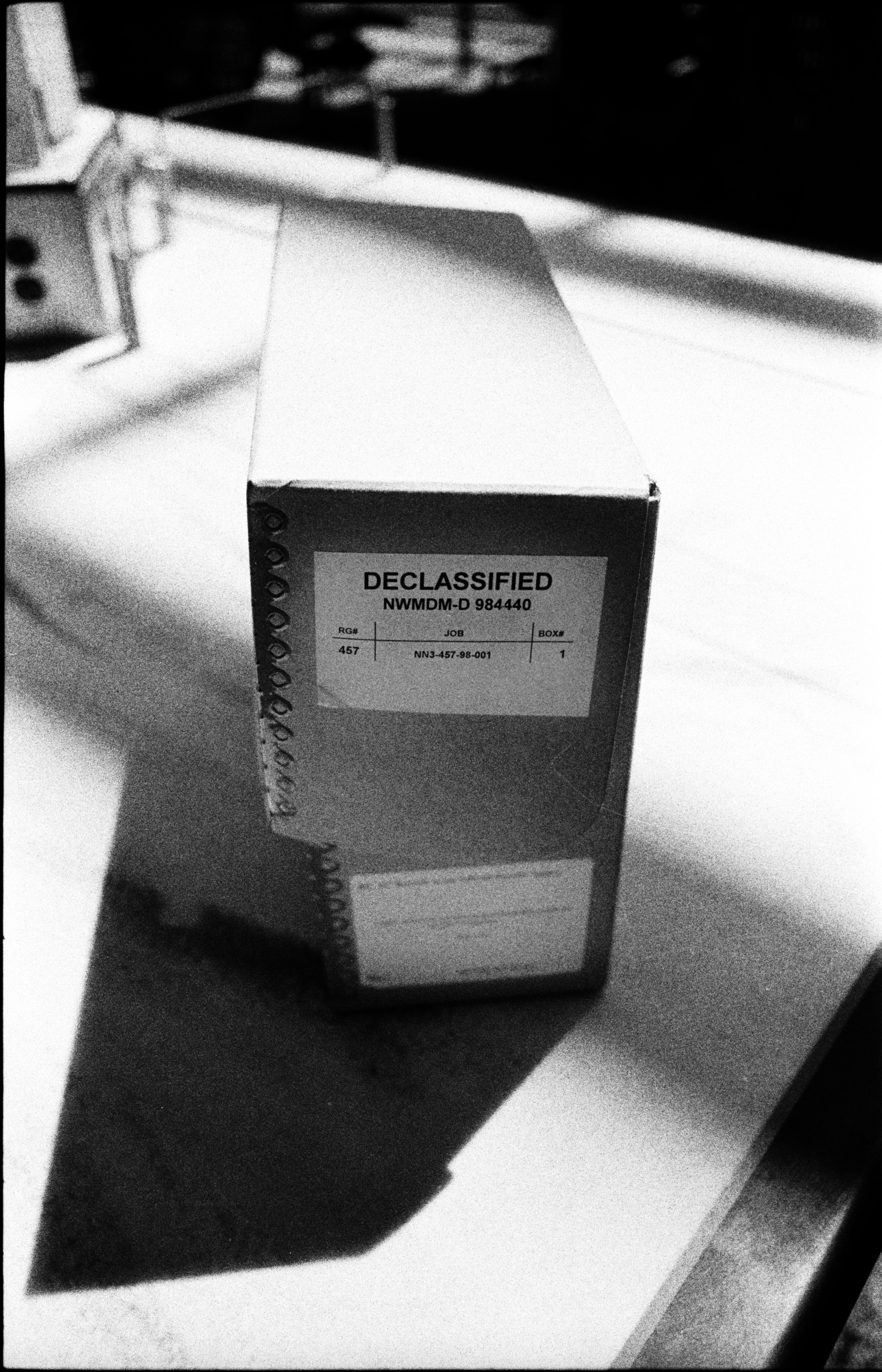
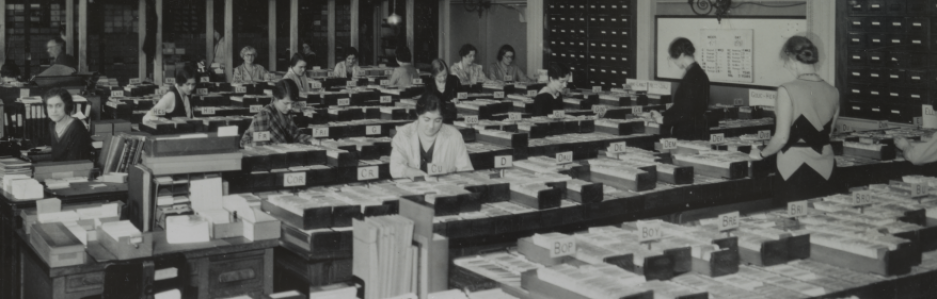
A box of declassified documents from the Venona Project, stored in the National Archives in College Park, Maryland, contains Soviet cables decrypted in the 1940s. (Maggie Steber / VII Photo)
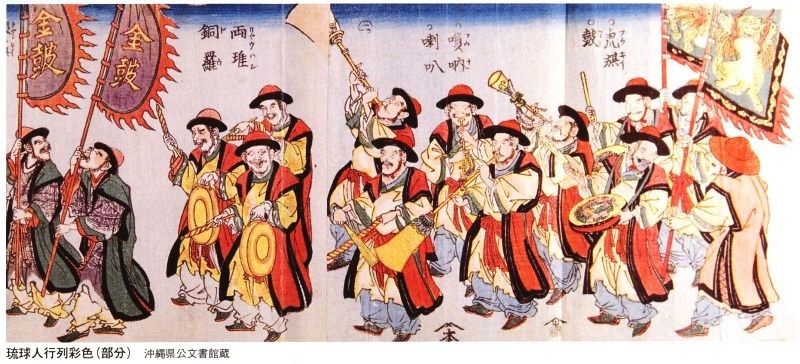
The Ryukyuan music parade or rojigaku consisted of fifteen or twenty musicians and was directed by a Japanese official called gieisei. In addition to performing when the mission reached or left an important destination, the musicians accompanied the parade of envoys along the streets of Edo, playing Chinese and Ryukyuan songs. Via Asia-Pacific Journal.
From linking the Irish Revolution and the First World War to today’s lessons from the Warsaw ghetto, here are this week’s top picks in imperial and global history.
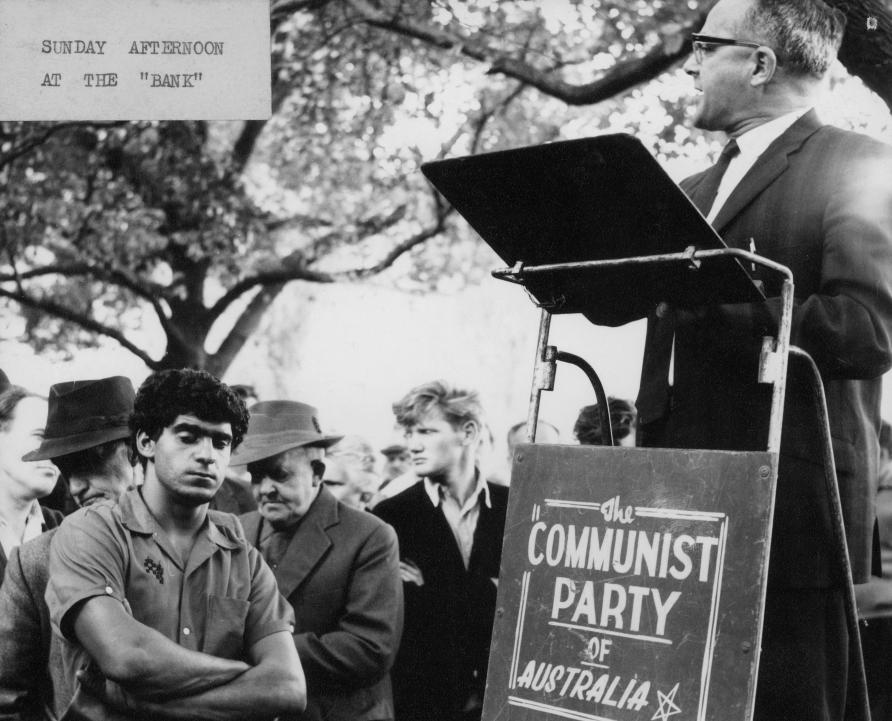
The Communist Party of Australia (CPA) condemned the Soviet invasion of Czechoslovakia in 1968, but the issue would eventually cause a split. Pictured is then CPA official Bernie Taft addressing listeners at Yarra Bank in Melbourne, c1960s. The University of Melbourne Archive’s new Bernie Taft Collection is one of the most significant resources on the history of the Australian left to become available in recent years. Picture: University of Melbourne Archives, Communist Party of Australia collection, 1991.0152.00099
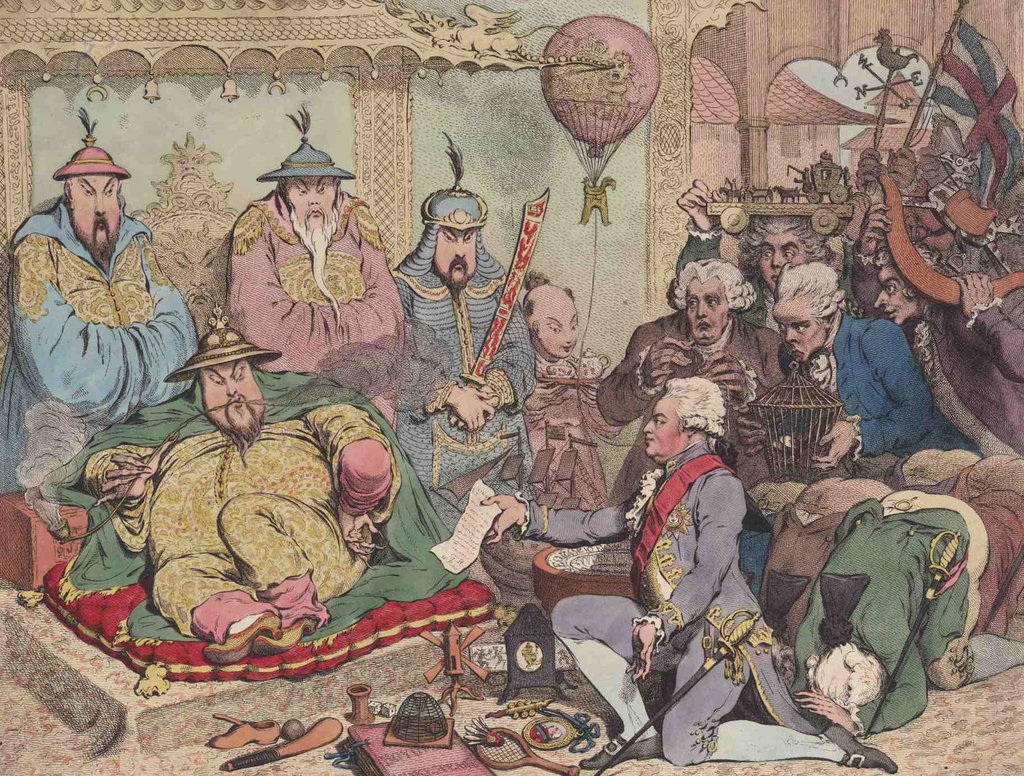
A satirical cartoon of Lord Macartney kneeling before Emperor Qianlong and presenting his “gifts.”CreditCourtesy of the Lewis Walpole Library, Yale University



You must be logged in to post a comment.