History and the Global Economic Order

Marc-William Palen
History Department, University of Exeter
Follow on Twitter @MWPalen

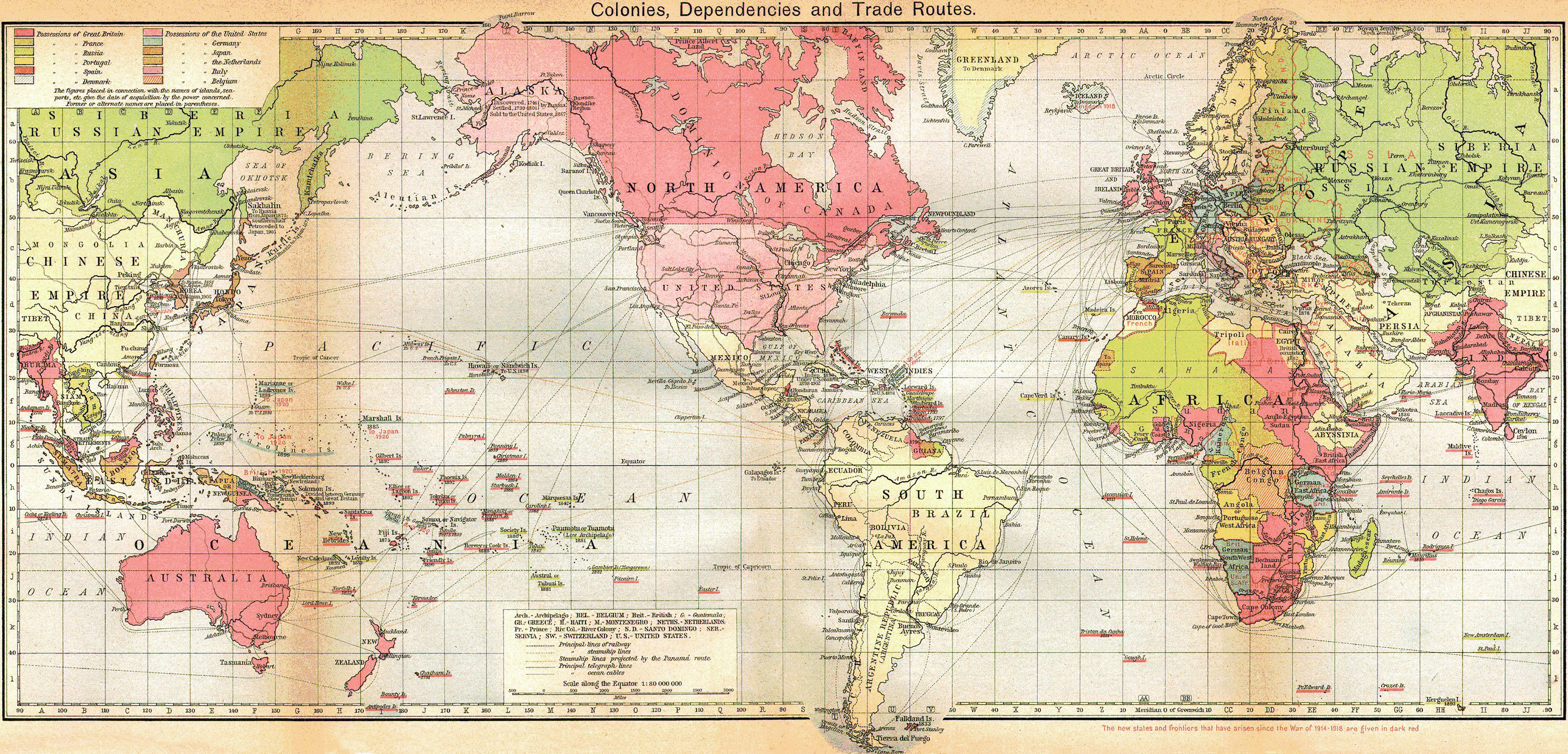
According to a longstanding international relations theory, the global economic order is at its most orderly when there’s at least one hegemonic free-trade champion.

As per this theory, Britain took this role upon itself in the mid-nineteenth century, ushering in a brief transatlantic flirtation with trade liberalization and relative hemispheric peace.

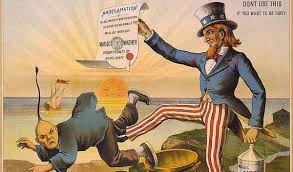
The United States was the first major nation to turn against this mid-nineteenth century free-trade epoch. From the Civil War to the Great Depression, the United States instead embarked upon nearly a century of Republican-style economic nationalism, which I’ve explored in my own work.

But this began to change following the Second World War when the United States assumed the mantle of free-trade hegemon. Promising prosperity, profits, and peace to the world, it sought to foster international trade liberalization through supranational initiatives like the International Monetary Fund (1944) and the General Agreement on Tariffs and Trade (1947), the latter of which morphed into the World Trade Organization in 1995.

Well, the times they are a-changing again.

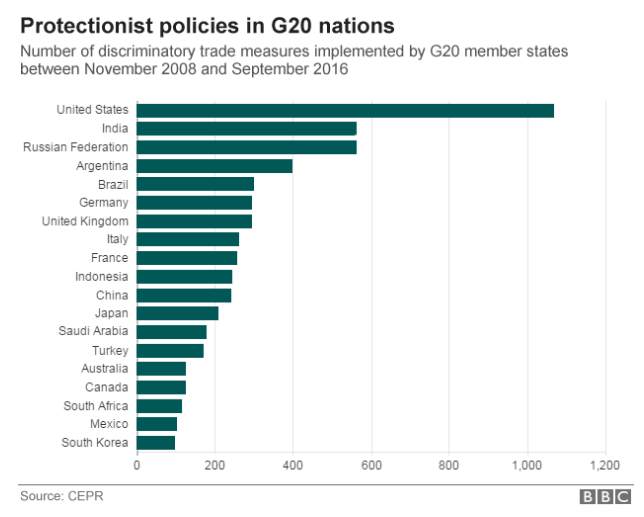
Trump’s fast-developing protectionist and ultra-nationalist “America First” program has signalled that the United States is abdicating its role as free-trade leader. As the New York Times noted earlier this month:

President Trump’s advisers and allies are pushing an ambitious idea: Remake American trade. They are considering sweeping aside decades of policy and rethinking how the United States looks at trade with every country. Essentially, after years of criticizing China and much of Europe for the way they handle imports and exports, these officials want to copy them. This approach could result in higher barriers to imports that would end America’s decades-long status as the world’s most open large economy.

The Trump regime’s protectionist trade vision is fast becoming reality.

So what does this mean for the future of the global economic order?

And have we seen all of this before?

Continue reading “History and the Global Economic Order”

This Week’s Top Picks in Imperial & Global History

march British union of Fascists
The march by the British Union of Fascists through London’s East End that led to the battle of Cable Street, 4 October 1936. Photograph: Derek Berwin/Getty Images

Marc-William Palen
History Department, University of Exeter
Follow on Twitter @MWPalen

From the anti-imperial networks of the Global South to the return of the 1930s, here are this week’s top picks in imperial and global history. Continue reading “This Week’s Top Picks in Imperial & Global History”

The Political Economy of the Pro-India Movement in 1920s America

Caroline Preston
University of Exeter

Caroline Preston is in her final year of undergraduate study in History at the University of Exeter. This post stems from an essay written for the module ‘Critics of Empire.’

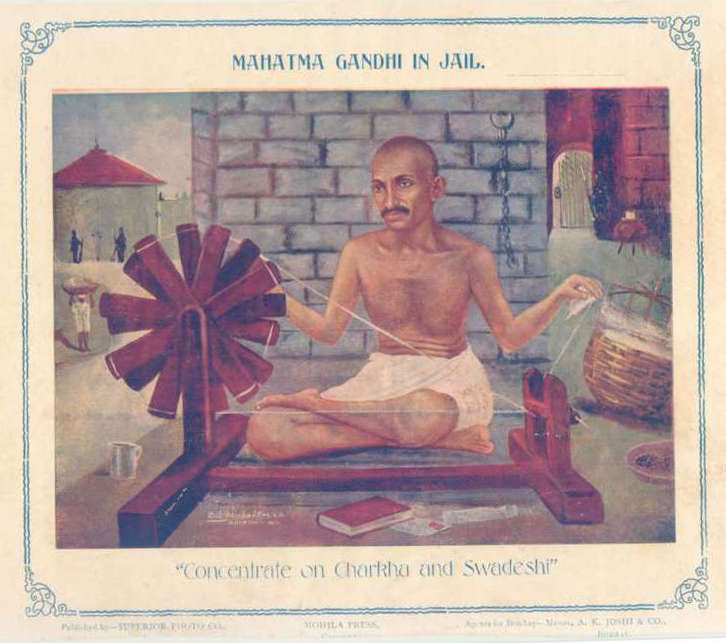
Many Indian nationalists in the 1920s were angered by the coercive British enforcement of free trade in India.[1] The policy was, according to one scholar, ‘thrust by an advanced industrialised country on a nation which still needed protective tariffs to develop’.[2] This same free trade imperial policy had resulted in an economic ‘drain’ as India had to export raw cotton and import manufactured cotton goods because India’s native industries were underdeveloped and thus uncompetitive in the global economy.[3] Mass nationalist politics picked up in colonial South Asia, first in Bengal in the Edwardian era, and then across India in the 1920s.[4] This included the self-determination ‘Swadeshi’ (indigenous goods) movement, which aimed to achieve ‘swaraj’ (home rule) by establishing India’s economic self-sufficiency from Britain.[5] Swadeshi was in certain respects an anti-colonial adaptation of German-American protectionist theorist Friedrich List’s (1789- 1846) concept of economic nationalism.[6]

Mahatma Gandhi led the Swadeshi movement in the 1920s, encouraging non-cooperation and the exclusive consumption of hand spun cloth called ‘khadi’ in order to develop domestic industries.[7] In response, the pro-India movement of the 1920s arose in the United States, a network of Indian and US intellectuals who hoped to mobilise the US government and the public to challenge British imperial policy.[8] They promoted Indian independence from British rule, or at least dominion status comparable to that of Canada.

Norman Thomas

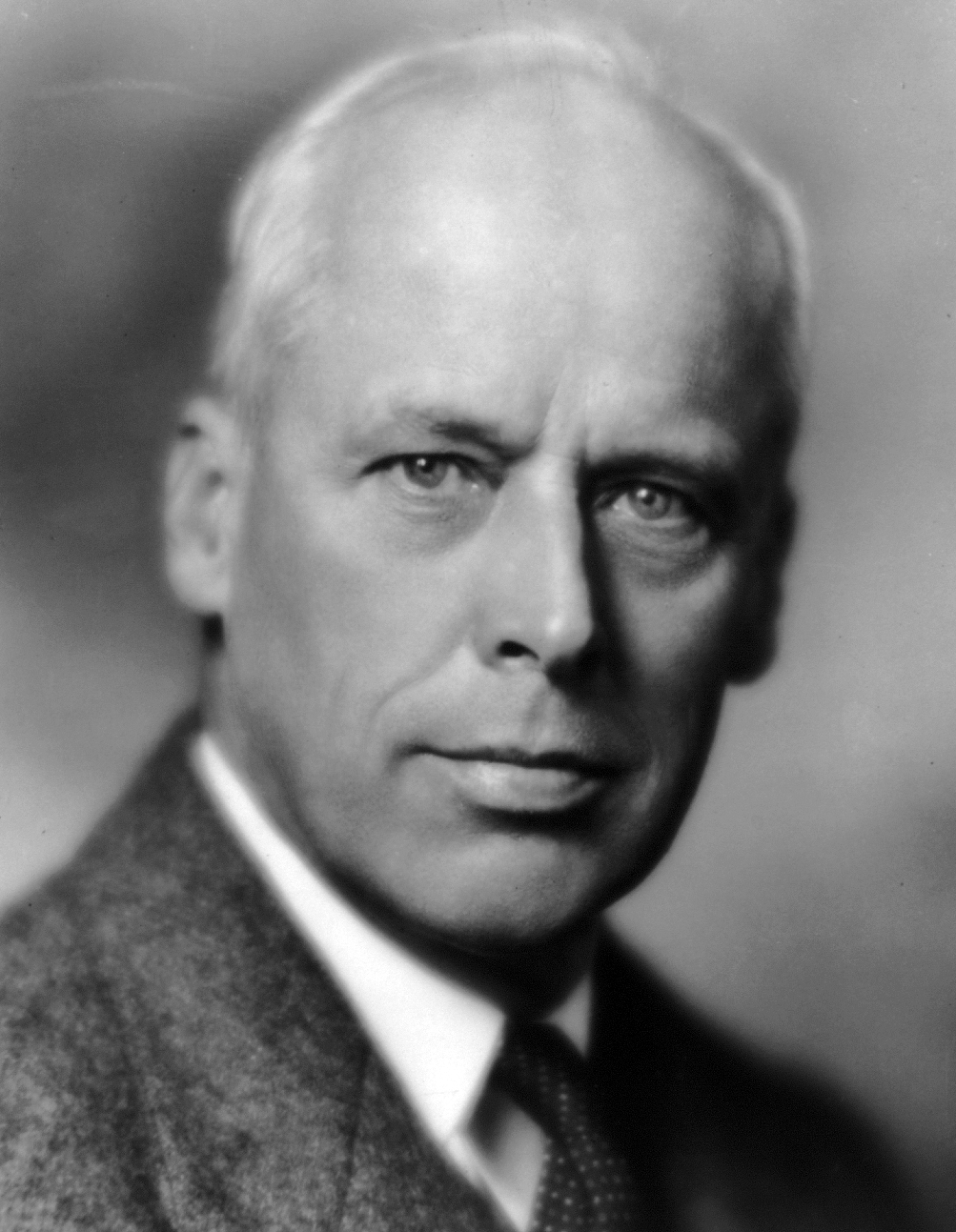
I’ve chosen two illustrative sources to explore the political economy of the pro-India movement in 1920s America. The first is an article by Norman Thomas, ‘Internationalism and India’ (June 1920) in Young India, a monthly magazine published in New York by the Indian Home Rule League of America (IHRL).[9] Thomas (1884- 1968) was an American Presbyterian minister, a pacifist, and an anti-imperialist.[10] He was a member of the Friends of Freedom for India (FFI), another key pro-India organisation.[11] Thomas was also a democratic socialist; he became formally affiliated with the American Socialist Party in 1918, and was its presidential nominee in 1928.[12] Murray Seidler has since described Thomas as the party’s ‘most influential theoretician’.[13] In the article, Thomas’s general argument was that, although he supported the Indian nationalist movement, once they obtained independence they should avoid enforcing a protectionist economic policy, believing such policies created geopolitical tensions that could eventually result in war. Instead, he advocated internationalism under a democratic socialist structure.

Jabez T. Sunderland

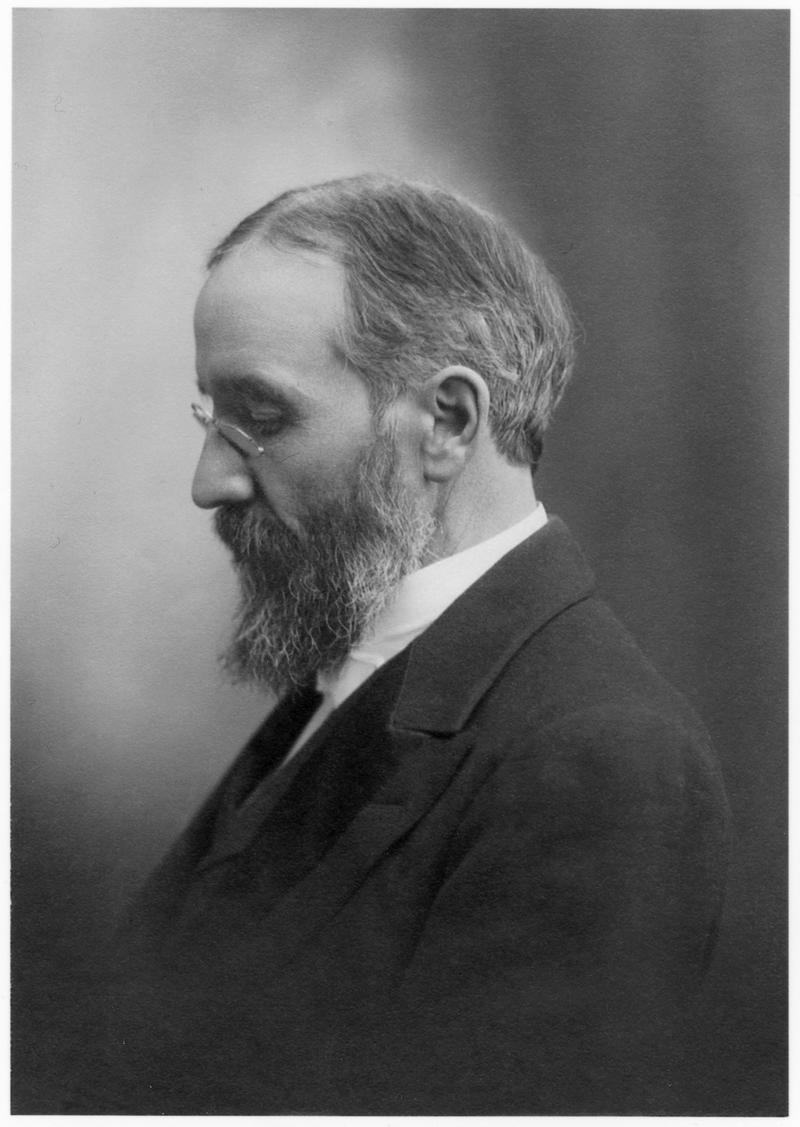
The second source comprises of extracts from a chapter entitled ‘American Interest in India’ by the American liberal activist and Unitarian minister Dr Jabez Sunderland (1842- 1936). The chapter is from India in Bondage (1929), which, like Young India, was published in New York.[14] Sunderland was elected vice president of the IHRL in 1918.[15] Following the collapse of the IHRL and FFI in 1922, Sunderland again became active in the Pro-India Movement at the end of the decade, largely in response to Gandhi’s ongoing civil disobedience campaign.[16] Sunderland’s India in Bondage argued for Indian Home Rule, written partly in response to Pennsylvania journalist Katherine’s Mayo’s explicitly pro-imperialist book Mother India (1927).[17] This particular chapter explained why America held an interest in what was commonly perceived to be a local colonial issue for Britain. Here Sunderland focussed on economic factors; he suggested that Britain should relinquish its imperial control over India and enable Indians to enforce their own policy of free trade. He hoped this would reduce international tensions and provide opportunities for American businessmen.[18]

These two sources exemplify the confluence of socialist and liberal economic opinions within the movement, including the commonalities and shared values of free trade and democracy that enabled them to collaborate. Both Thomas and Sunderland also emphasised the threat of war as a key motive behind their economic arguments. Continue reading “The Political Economy of the Pro-India Movement in 1920s America”

A Moluccan Victory in a Dutch Court

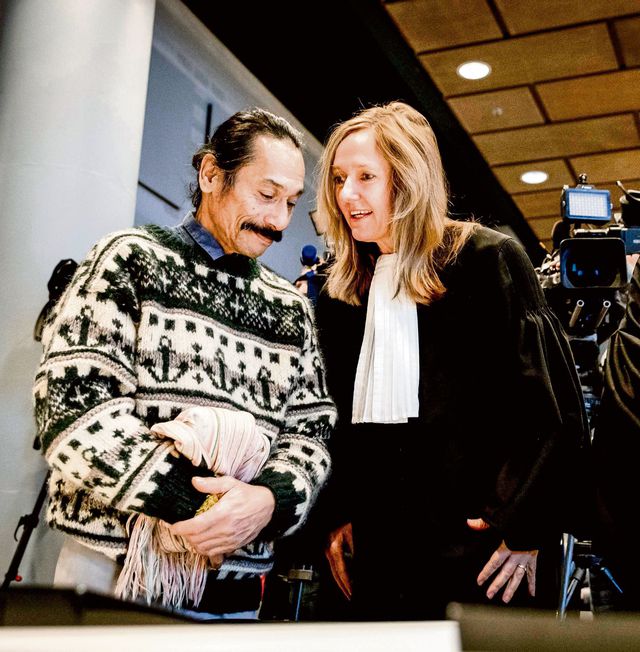
Lawyer Liesbeth Zegveld in court with Chris Uktolseja, brother of one of the Moluccans killed by Dutch soldiers.

Paul Doolan
Zurich International School and the University of Konstanz

Last month the Dutch state found itself at court, accused of extra-judicial killing. I have already written how human rights lawyer Liesbeth Zegveld “has twice brought the Dutch state to court for the massacre of civilians in Indonesia, and on both occasions has won.” But that was for killings during the Indonesian War of Decolonization, back in the late 1940s. This time Liesbeth Zegveld is  accusing the Dutch state of carrying out murder in the Netherlands during the 1970s.

To the consternation of the peace-loving Dutch public, the country was confronted in the 1970s with a home-grown terrorist movement that was directly rooted in the decolonization of Indonesia. Additionally, although the perpetrators of the violence had political goals, they were also at war with the Dutch collective refusal to remember decolonization. As such they were battling against widespread unremembering. Continue reading “A Moluccan Victory in a Dutch Court”

This Week’s Top Picks in Imperial & Global History

735px-Rapids_of_Ohio_River_by_Hutchins
A description of the Ohio River, by Thomas Hutchins, the U.S. Geographer. THOMAS HUTCHINS/PUBLIC DOMAIN

Marc-William Palen
History Department, University of Exeter
Follow on Twitter @MWPalen

From reconstructing the Chinese empire to America’s case of ‘Tonkin Gulfitis’, here are this week’s top picks in imperial and global history. Continue reading “This Week’s Top Picks in Imperial & Global History”

Commonwealth Trade after Brexit: historical reflections

Update: Due to unforeseen circumstances, this event has been postponed (TBA).

Commonwealth Trade after Brexit: historical reflections

History & Policy‘s Global Economics and History Forum

TBA

Event Details

Based on historical experiences, what economic opportunities might the Commonwealth of Nations offer a post-Brexit Britain?

As the UK seeks a new place in the global economy post-Brexit, the Commonwealth of Nations is often touted as a possible alternative. In a week in which Commonwealth leaders meet the Commonwealth Trade Conference, historians, policy makers and other experts meet to consider the potential of Commonwealth economic relations in historical perspective.

CHAIR: Dr Marc-William Palen, Lecturer, University of Exeter and Co-director, Global Economics and History Forum (History & Policy)

SPEAKERS:

Tim Hewish, Director of Policy & Research, The Royal Commonwealth Society and Co-Founder, Commonwealth Exchange

Dr Surender Munjal, Director, James E. Lynch India and South Asia Business Centre, University of Leeds

Dr Andrew Dilley, Senior Lecturer, University of Aberdeen and Co-director, Global Economics and History Forum (History & Policy)


Do you have questions about Commonwealth Trade after Brexit: historical reflections? Contact History & Policy

Update: Due to unforeseen circumstances, this event has been postponed (TBA).

This Week’s Top Picks in Imperial & Global History

Marc-William Palen
History Department, University of Exeter
Follow on Twitter @MWPalen

From the problems with Viceroy’s House to the future of global history, here are this week’s top picks in imperial and global history. Continue reading “This Week’s Top Picks in Imperial & Global History”

China’s Neo-Imperialism in Africa: Perception or Reality?

The imperial powers carving up China
China the Victim: The imperial powers carving up China.

Tom Harper
University of Surrey

Where once China sought communist revolution, it now seeks global economic expansion. As a result, the African continent has been one of the major areas of Chinese foreign economic investment. Numerous studies of China’s Africa policy have appeared in recent years, a number of which accuse China of exploiting resource rich African states or behaving like an imperial power in the continent, most notably Peter Hitchens’s assertion that China is building a ‘slave empire’ in Africa [1].

These views on Chinese policy also reflect the changes in the perceptions of China in the Western mind. The crude stereotypes of the Yellow Peril that dominated Western culture in the late 19th and early 20th centuries have given way to a fear that China will follow in the West’s imperial footsteps. In other words, the legacy of imperialism underpins today’s perceptions of China’s foreign policy as well as Chinese identity.

Chinese engagement in Africa illuminates the influence of the imperial experience. The initial form of Chinese policy in Africa came as ideological and military assistance to the various anti-colonial movements of the 1950s in their struggles against the once dominant European empires that had been ravaged by the Second World War. During this period of decolonisation, Beijing formed strong ties with a number of African nations that would become increasingly important to Chinese economic goals once the Cold War subsided.   Should these goals be seen as neo-imperialism? Continue reading “China’s Neo-Imperialism in Africa: Perception or Reality?”

Call for Applications – Beaming the British Empire: the Imperial Wireless Chain, c. 1900-1940: AHRC-funded Collaborative Doctoral Award

exeter logo

AHRC-funded Collaborative Doctoral Award with the University of Exeter and BT Archives

Beaming the British empire: the Imperial Wireless Chain, circa 1900-1940

Ref: 2583

About the award

Applications are invited for an AHRC-funded Collaborative Doctoral Award with the University of Exeter and BT Archives to research and study the origins, development and impact of the Imperial Wireless Chain, the global network of shortwave radio stations that reputedly played a critical role in British colonial integrity from the 1920s to the 1940s.

This project focuses on one of the most extraordinary milestones in the history of global telecommunications and represents an exciting opportunity for students with backgrounds in the history of science, technology, and modern British and imperial history.  First conceived by Guglielmo Marconi in 1906 to use long-wave transmitters, the Imperial Wireless Chain (IWC) was postponed following a political scandal and the outbreak of the First World War.    In the early 1920s, and at some financial risk, the Marconi Wireless Telegraph Company developed its innovative ‘beam’ short-wave system and this was eventually adopted by the British government for the IWC.  The first pair of ‘beam’ stations opened in Britain and Canada in 1927 and within a few years similar stations followed in Australia, India, New Zealand, South Africa and South America.  It soon became one of the most widely used forms of long distance communication in the British empire and posed such a threat to the ageing submarine cable business that had constituted the ‘nervous system’ of the British empire that the British government was eventually forced to amalgamate the newer and older forms of telegraphy into one of the largest telecommunication firms of the 1930s: Cable and Wireless.  Despite its importance, the history of the Imperial Wireless Chain has not been the subjects of systematic scholarly study.

Continue reading “Call for Applications – Beaming the British Empire: the Imperial Wireless Chain, c. 1900-1940: AHRC-funded Collaborative Doctoral Award”

This Week’s Top Picks in Imperial & Global History

taboo

Marc-William Palen
History Department, University of Exeter
Follow on Twitter @MWPalen

From Tom Hardy’s East India Company to how the Ottoman Empire saw the United States in 1803, here are this week’s top picks in imperial and global history.

Continue reading “This Week’s Top Picks in Imperial & Global History”

Myth and Geopolitics from Below: Apartheid South Africa and America in the Angolan Civil War


7-1-alternate-version

Jamie Miller
University of Pittsburgh
Follow on Twitter @JamieMiller85

In 1975, the armed forces of apartheid South Africa intervened in the Angolan Civil War, carrying the flag of the anti-communist West into a burgeoning Cold War conflict. South Africa’s armed forces, confronted by Cuban troops, ended up in a military stalemate and a political disaster. Its government was pilloried internationally for interfering in a political contest in black Africa. African liberation movements across Southern Africa were emboldened. A model for achieving decolonisation through armed force, backed by Cuban and Soviet assistance, was established. And within South Africa itself, black political movements saw the regime’s aura of invincibility shattered, as did some puzzled white voters. The intervention in Angola, in other words, was an important turning point for the apartheid regime.

Ever since, historians have broadly accepted that South Africa was acting in Angola as an agent of American interests. “The US government urged South Africa, which might otherwise have hesitated, to act,” writes Piero Gleijeses, the preeminent specialist in Cuban and American foreign relations.[1]

In South Africa, a parallel notion has proliferated. The regime is remembered as having acted on America’s behalf in Angola; failure is ascribed to the lack of US congressional support for the commitments the Ford Administration had made to the apartheid regime. Then Defence Minister and soon-to-be Prime Minister P. W. Botha told Parliament:

I know of only one occasion in recent years when we crossed a border and that was in the case of Angola when we did so with the approval and knowledge of the Americans. But they left us in the lurch… . The story must be told of how we, with their knowledge, went in there and operated in Angola with their knowledge, how they encouraged us to act and, when we had nearly reached the climax, we were ruthlessly left in the lurch.

The Director of Operations for the Army Jannie Geldenhuys echoed this line in his memoirs. “The turning point of the war … was the new law passed by the American Congress forbidding military support to any Angolan Party.” Various versions of this thesis have been repeated to me by numerous highly placed apartheid-era diplomats, generals, and politicians alike in interviews.

But new evidence and fresh conceptual approaches turn these narratives upside down. Research in a range of South African state archives—civilian and military—enables us to piece us together a much richer picture of South African geopolitics and the relationship with the United States. Meanwhile, bringing South African actors and their worldviews into the foreground provides an entirely different view on the big picture at stake here.

The Cold War did not mean one and the same thing to different actors around the world. Instead, the localised intellectual history of the Cold War should be prioritised: how different languages and idioms were appropriated and internalised by actors in the global south, reinterpreted in politically useful and self-serving ways, and then utilised within the original Cold War paradigm in ways that were quite unexpected by superpowers.

This approach clarifies much of the mythology of American betrayal in Angola, and allows us to see the Cold War in the global south in a new light. Continue reading “Myth and Geopolitics from Below: Apartheid South Africa and America in the Angolan Civil War”

This Week’s Top Picks in Imperial & Global History

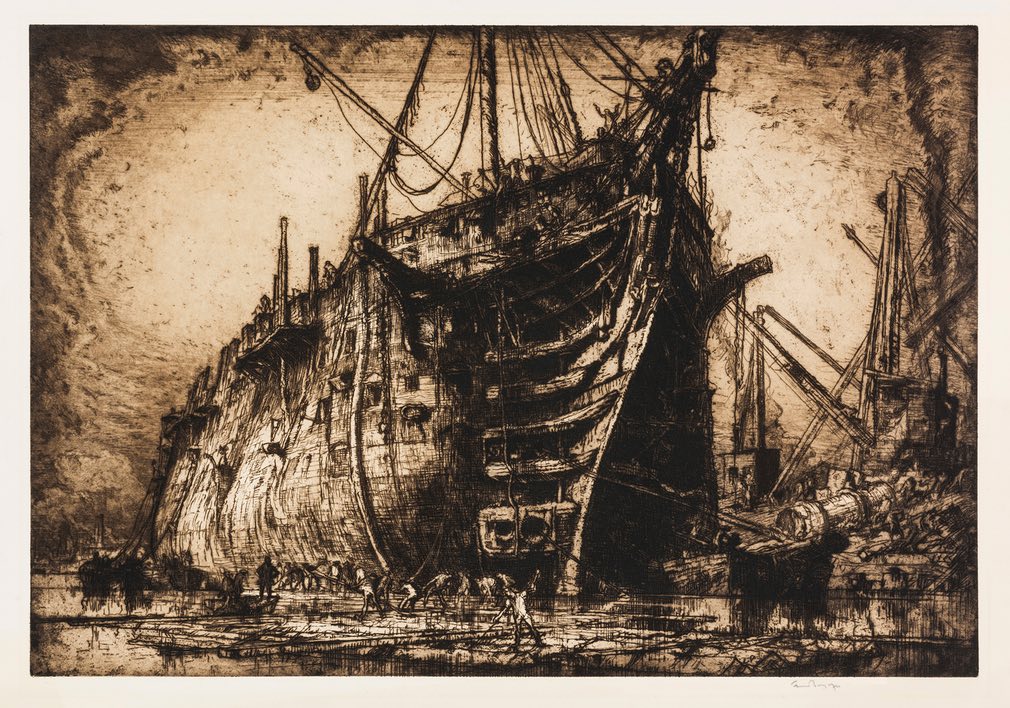
Frank Brangwyn: The last of the HMS Britannia, c 1917, from 'East meets west: Frank Brangwyn and Yoshijiro Urushibara's collaborations – in pictures'
Frank Brangwyn: The last of the HMS Britannia, c 1917, from ‘East meets west: Frank Brangwyn and Yoshijiro Urushibara’s collaborations – in pictures

Marc-William Palen
History Department, University of Exeter
Follow on Twitter @MWPalen

From global Ottomans to transatlantic colonial coutoure, here are this week’s top picks in imperial and global history. Continue reading “This Week’s Top Picks in Imperial & Global History”

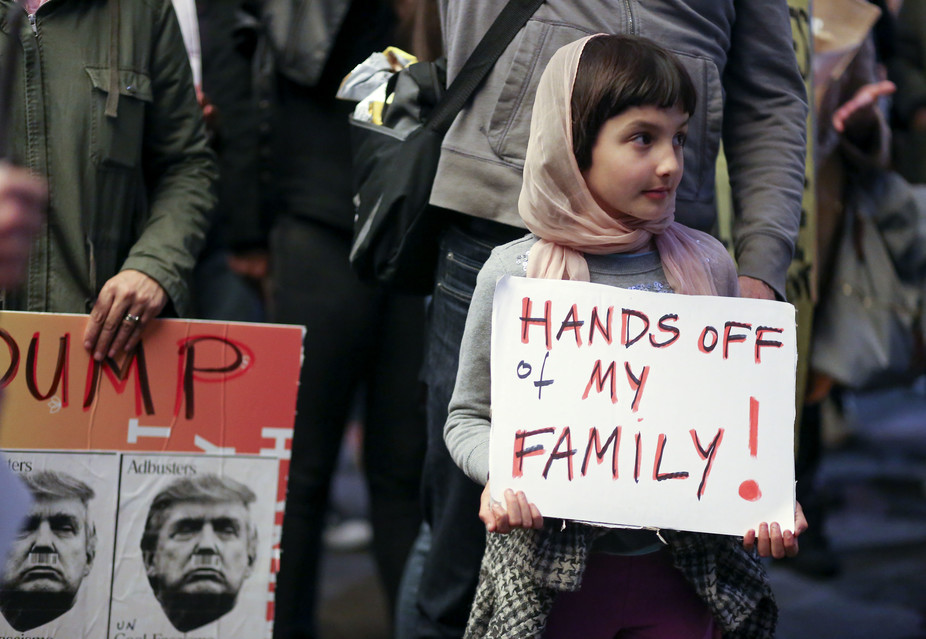
Children have long been unfairly hit by US presidential executive orders

Children bear the brunt. EPA/Eugene Garcia

Rachel Pistol
University of Exeter

Around 75 years ago, in February 1942, US President Franklin Delano Roosevelt signed Executive Order 9066, which led to the forced relocation and internment of more than 110,000 individuals of Japanese ancestry. The majority of them were American citizens, and a large proportion were children.

But unlike President Trump’s 2017 executive order to halt immigration and ban refugees from American soil, Roosevelt’s sweeping political move did not provoke any protest or dissent. Both presidents had mentioned the notion of “national security’ in their orders, and both decrees were said to be aimed at specific national groups. So is President Trump merely copying the policy of one of his more popular predecessors?

From the moment the US entered World War II in late 1941, all “enemy aliens” living in America – German, Austrian, Italian, and Japanese – were subject to restrictions on their freedom. These included the imposition of curfews and a ban on owning radios. So the real significance of EO9066, as it is known, was that it authorised the detention not just of enemy aliens, but also of American citizens. In theory, any American citizen could be relocated by order of the military. Continue reading “Children have long been unfairly hit by US presidential executive orders”

Apply by April 17 for an International PhD Student Award @ExeterCIGH

exeter logo

The deadline (April 17) is fast approaching to apply for an international PhD student award, through which you can become a crucial part of the Centre for Imperial and Global History.

We offer internationally-recognised supervision with geographical coverage from staff across African, Asian (including Chinese), Middle Eastern, North American, Latin American, European, Imperial, and Global history from early-modern to contemporary eras. We have strong inter-disciplinary links with colleagues across the humanities and social sciences at Exeter, particularly with the Centre for War, State and Society and the Institute of Arab and Islamic Studies. The Centre has particular research interests in:

  • Globalisation’s past and present
  • Comparative empires and transnationalism
  • Humanitarianism, development and human rights
  • Law and colonialism
  • Political economy and the imperial state
  • Europe, decolonisation and the legacies of empire
  • The impact of armed conflict on society
  • Colonial warfare and counterinsurgency

Continue reading “Apply by April 17 for an International PhD Student Award @ExeterCIGH”

This Week’s Top Picks in Imperial & Global History

A soap advertisement from the 1880s, sub-titled 'The Chinese Must Go' Credit: Library of Congress
A soap advertisement from the 1880s, sub-titled ‘The Chinese Must Go’ Credit: Library of Congress

Marc-William Palen
History Department, University of Exeter
Follow on Twitter @MWPalen

From historicizing Trump’s immigration ban to the not-so-special Anglo-American relationship, here are this week’s top picks in imperial and global history.

Continue reading “This Week’s Top Picks in Imperial & Global History”