Decisions more than a century ago explain why the U.S. has failed Puerto Rico in its time of need

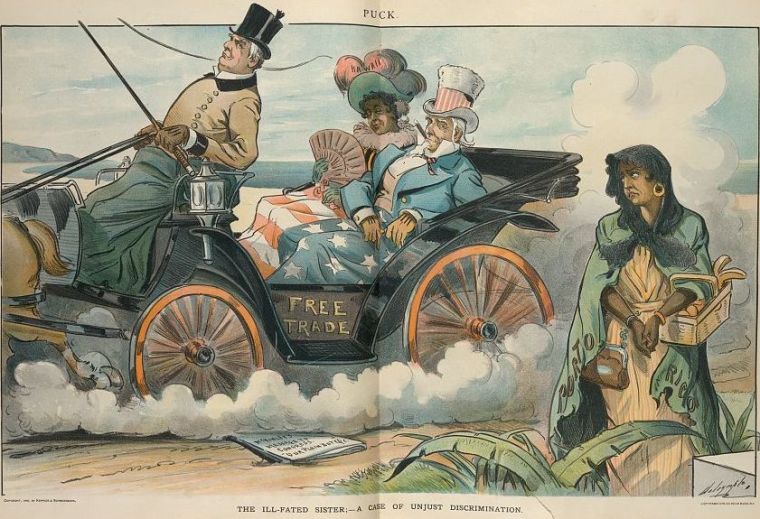
Puck v. 47 (April 25 1900) The Ill-Fated sister 1900 Hawaii Puerto Rico free tradecropped
“The Ill-Fated Sister:—A Case of Unjust Discrimination.” A forlorn female Puerto Rico looks on as President McKinley rides past, carrying a well-dressed female Hawaii and Uncle Sam on a buggy labeled “Free Trade.” Puck 47 (April 25, 1900).

Marc-William Palen
History Department, University of Exeter
Follow on Twitter @MWPalen

Cross-posted from the Washington Post

Fears about trade prompted the decision to make Puerto Rico a colony.

The tragedy befalling Puerto Rico after Hurricane Maria — beholden as it is to the dictates of Washington — stems directly from the territory’s subordinate political status. This was highlighted again last week when Carmen Yulín Cruz, mayor of the territory’s largest city, made a desperate appeal to President Trump “to save us from dying.” The mayor’s plea provoked only scorn from the president, who took time out from working on his golf stroke in New Jersey to lash out at her on Twitter for her “poor leadership.”

Trump’s callous response only underscores Puerto Rico’s precarious position within the U.S. body politic; nearly half of Americans today don’t even know that Puerto Ricans are U.S. citizens.  This combination of apathy and amnesia is symptomatic of more than a century of absent-minded imperialism, stretching back to when Puerto Rico became a U.S. colony.

The decision made in the late 19th century to make Puerto Rico a colony without the full political equality of statehood is now crippling the island’s ability to recover from Maria. The Trump administration’s initial enforcement of the Jones Act, which restricts foreign ships from entering Puerto Rican ports, and the indifference of many Americans toward the plight of Puerto Ricans were born out of this nearly forgotten turn-of-the-century imperial decision. Americans must reconcile and rectify their imperial legacy, or Puerto Rico will continue to suffer.

Puerto Rico was among a handful of colonies acquired by the United States in the wake of the Spanish-American War in 1898. Almost immediately, members of Congress began to debate what to do with America’s new possession, with little concern for what Puerto Ricans themselves wanted. The main question: Would the United States treat Puerto Rico as it would a state, or would it treat it like a foreign country?

One issue overrode all others in determining the result of that debate: free trade. For Republican protectionists back then, as with Donald Trump now, free trade was seen as a conspiracy of foreign interests to undermine U.S. industries. Paranoid, protectionist Republicans not only decided that Puerto Rico should be prohibited from trading freely with the rest of the world, they initially didn’t even want it to trade freely with the rest of the United States. [continue reading at the Washington Post]
This Week’s Top Picks in Imperial & Global History

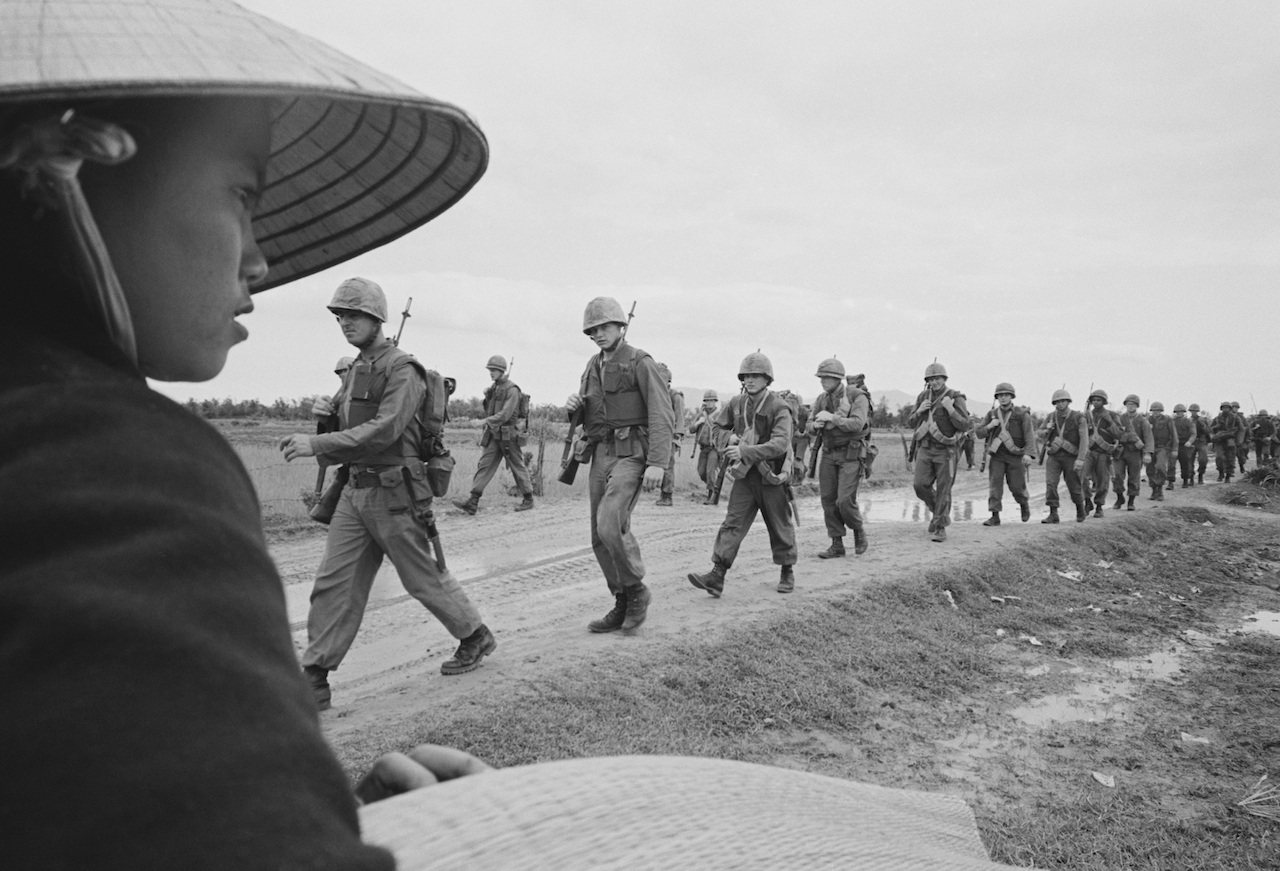
From “Ken Burn’s Vietnam War” – Marines marching in Danang, Vietnam, March 15, 1965. AP / PBS.

Marc-William Palen
History Department, University of Exeter
Follow on Twitter @MWPalen

From the ongoing war over the Vietnam War to declassifying apartheid profits, here are this week’s top picks in imperial and global history.

Continue reading “This Week’s Top Picks in Imperial & Global History”

The Centre’s Fall Term 2017 Seminar Schedule

We have a great lineup this term for the Centre for Imperial & Global History’s weekly seminar series. Mark your calendars!

Kicking things off this afternoon is Professor Martin Thomas on ‘Between Dien Bien Phu and Geneva: How the Vietminh lost the war they won’.

Should you have any queries, please contact the seminar coordinator, Dr. Emily Bridger.

Date

Event

27 September
Week 1
Amory B316
4:30-6pm

Welcome Event

Martin Thomas (Exeter), ‘Between Dien Bien Phu and Geneva: How the Vietminh lost the war they won’

11 October
Week 3
Amory B316
4:30-6pm

Linda Bryder (University of Auckland), ‘The mobilisation of mothers: 1917 National Baby Week’

25 October
Week 5
Amory B316
4:30-6pm

Rachel Pistol (Exeter), ‘Second World War Internment and its Aftermath – Comparing Internee Experiences in the UK and the USA’

8 November
Week 7
Amory B316
4:30-6pm

Ollie Owen (Oxford), ‘Burma Boys in war and peace: Transformational experiences of Nigerian soldiers in World War II’

22 November
Week 9
Amory B316
4:30-6pm

Ghee Bowman (Exeter), ‘“No Pakis at Dunkirk”: Force K6 of the Indian Army in Europe, 1939-1945’

6 December
Week 11
Amory B316
4:30-6pm

Miguel Hernandez (Exeter), ‘“The Menace of Modern Immigration”: Nativism and the Ku Klux Klan in 1920s America’

This Week’s Top Picks in Imperial & Global History

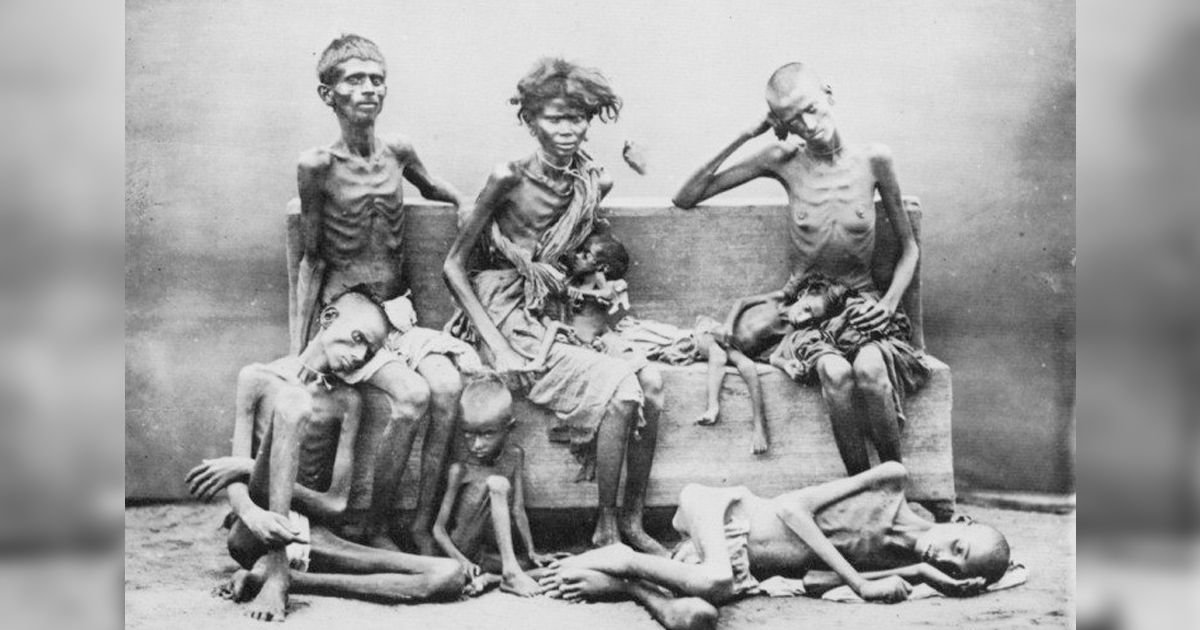
The ugliness of colonial power in India emerged at its end with the Bengal Famine and the Partition. Wikimedia Commons

Marc-William Palen
History Department, University of Exeter
Follow on Twitter @MWPalen

From the brutality of colonialism to how studying the Vietnam War has changed, here are this week’s top picks in imperial and global history. Continue reading “This Week’s Top Picks in Imperial & Global History”

This Week’s Top Picks in Imperial & Global History

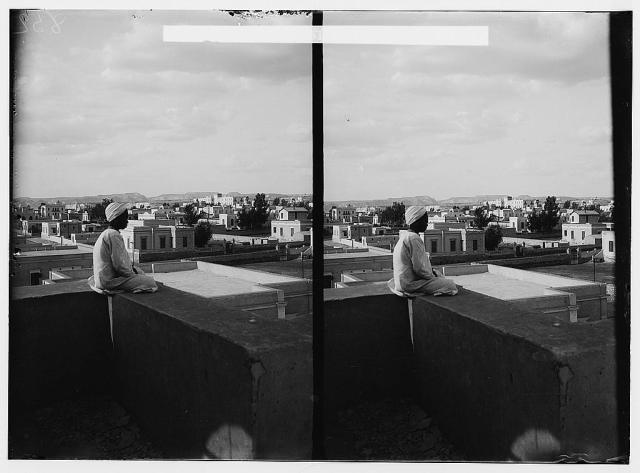
View of the Cairo suburb of Helwan at the end of the nineteenth century. From the Library of Congress.

Marc-William Palen
History Department, University of Exeter
Follow on Twitter @MWPalen

From America’s Cold War delusions to indigenous London, here are this week’s top picks in imperial and global history. Continue reading “This Week’s Top Picks in Imperial & Global History”

World War II internment camps still have much to teach us


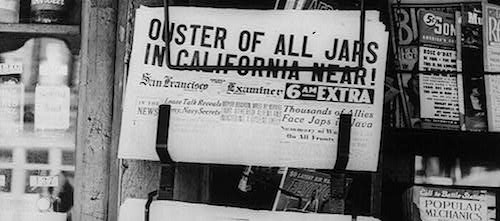
US newspaper headlines of the forced relocation of over 110,000 individuals of Japanese ancestry.

Rachel Pistol
University of Exeter

Read any newspaper in the United States or United Kingdom at the moment and it is likely to be full of news items related to refugees and immigration. Were you to open a newspaper in the 1930s, you would find very similar news stories. Despite the fact Second World War internment took place over 70 years ago, it could not be more relevant in today’s society.

Internment is a recognised function of war, and so the detention of enemy aliens during the Second World War was not unexpected. In times of peril, it can be hard to discern who is friend and who is foe, and there are inevitably casualties of war.

However, national security as a reason for action can sometimes be abused.

Such was the case with the mass internment of those of Japanese ancestry in the United States, a large proportion of whom were American citizens, supposedly protected by the constitution. There were multiple deaths in camp due to the poor medical facilities, notwithstanding the trigger happy guards – the most famous of these deaths perhaps being that of James Hatsuki Wakasa in 1943.

In the case of internment in Britain, the most readily identifiable victims were those who drowned when the Arandora Star, a ship transporting internees from the Isle of Man to Canada, was torpedoed and sunk by a German U-boat, in 1940.

It should be a sign of a society’s humanity as to how marginalised peoples are treated, particularly when the only ‘crime’ of an individual is his or her race, religion, or nationality. Continue reading “World War II internment camps still have much to teach us”

Call for Applications: Global Humanitarianism Research Academy 2018

GHRA2018.png

Call for Applications:

Global Humanitarianism Research Academy 2018

International Research Academy on the History of Global Humanitarianism

Academy Leaders:   

Fabian Klose (Leibniz Institute of European History Mainz)

Johannes Paulmann (Leibniz Institute of European History Mainz)

Andrew Thompson (University of Exeter)

in co-operation with the International Committee of the Red Cross (Geneva)

and with support by the German Historical Institute London

Venues:  University of Exeter & Archives of the International Committee of the Red Cross, Geneva

Dates:               9-20 July 2018

Deadline:        31 December 2017

Information at: http://ghra.ieg-mainz.de/, http://hhr.hypotheses.org/ and https://imperialglobalexeter.com/

The international Global Humanitarianism | Research Academy (GHRA) offers research training to PhD candidates and early postdocs. It combines academic sessions at the Imperial and Global History Centre at the University of Exeter and the Leibniz Institute of European History in Mainz with archival sessions at the Archives of the International Committee of the Red Cross in Geneva. The Research Academy is for early career researchers who are working in the related fields of humanitarianism, international humanitarian law, peace and conflict studies as well as human rights covering the period from the 18th to the 20th century. It supports scholarship on the ideas and practices of humanitarianism in the context of international, imperial and global history thus advancing our understanding of global governance in humanitarian crises of the present. Continue reading “Call for Applications: Global Humanitarianism Research Academy 2018”

This Week’s Top Picks in Imperial & Global History

Marc-William Palen
History Department, University of Exeter
Follow on Twitter @MWPalen

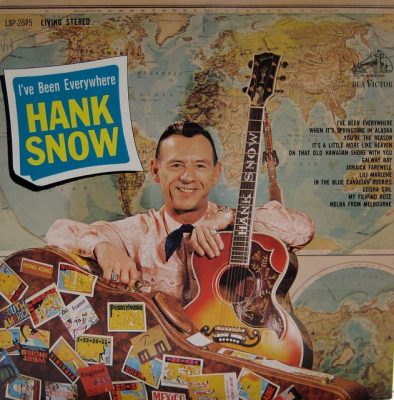
From decolonization without independence to the imperialism of country music, here are this week’s top picks in imperial and global history.

Continue reading “This Week’s Top Picks in Imperial & Global History”

Disability, development, and humanitarianism


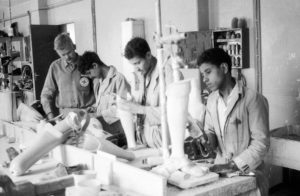
A picture from 1971 showing the ICRC prosthetics workshop in Sanaa, Yemen, from the rich audiovisual archives of the ICRC (picture by M. Convers).

Sam de Schutter
Leiden University
Fellow of the 2017 Global Humanitarianism Research Academy

Cross-posted from Rethinking Disability

Today “the world faces the largest humanitarian crisis since the end of the second world war”, the UN under secretary-general for humanitarian affairs recently declared. This statement shows that humanitarianism is very much alive today, but that it apparently also has a history. But why am I writing about that on a blog related to the history of disability? That is because I participated in the Global Humanitarianism Research Academy (GHRA), organized by the Leibniz Institute of European History in Mainz and the University of Exeter, in cooperation with the International Committee of the Red Cross. Over the span of two weeks in July, spent both in Mainz and Geneva, this event brought together thirteen scholars from all over the world working on issues related to humanitarianism, international humanitarian law and human rights. I was lucky to be one of them, and got inspired to write this short blog about it.

So what was I doing there? My research is on the history of development interventions by UN agencies, aimed at people with disabilities in Tanzania and Kenya. I can certainly relate my subject to human rights, being part of a project that aims at unravelling how disability rose to the mainstream of international human rights discourses. But humanitarianism? I must admit that I did not have a clear idea about what humanitarianism entails before I joined this academy. During the two weeks of discussions and lectures however, it soon became clear that maybe no one has, or at least that different people have very different ideas about it. Certain themes and concepts nonetheless consistently appear throughout different writings on the history of humanitarianism, and I can certainly relate my own research to them: fostering sympathy across borders, mobilizing people through transnational organizations, lobbying for state interventions, and especially the relief of ‘the suffering of distant others’. It thus became clear that looking at my research through the lens of humanitarianism might be a fruitful exercise. I was however equally intrigued by the questions whether and what a disability perspective could contribute to the history of humanitarianism. It was mainly during the second week of the academy that I started to formulate a preliminary answer to these questions. Continue reading “Disability, development, and humanitarianism”

CFP – The Munich Crisis and the People: International, Transnational and Comparative Perspectives

Call for Papers

The Munich Crisis and the People: International, Transnational and Comparative Perspectives 

Humanities Research Institute (HRI), University of Sheffield, 29-30 June 2018

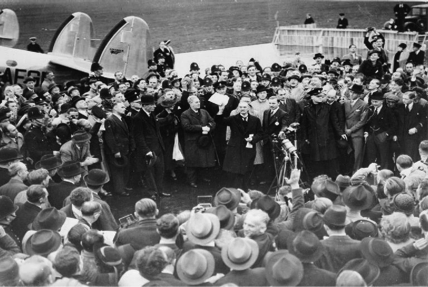
Recent events in international politics have highlighted the intricate interconnectedness between diplomatic crises and public opinion, notably public expressions of emotion. As the 80th anniversary of the Munich Crisis approaches, this conference will revisit this ‘model’ crisis and its aftermath, exploring both its lessons and its contemporary resonance. Few diplomatic incidents, before or since, have aroused such public excitement as the events of September 1938 and yet the ‘public’, the ‘people’, the ‘material’, and the ‘popular’ have hitherto been marginalised within a historiography that remains dominated by traditional ‘high’ politics perspectives, often reiterating the ‘Guilty Men’ orthodoxy. Recent incursions into the debate have made progress by experimenting with different methodologies, conceptual frameworks, and a greater plurality of sources, yet there has been a noticeable stagnation in original research. A re-evaluation is long overdue, and this conference will tap into the potential that rests in cross-disciplinary approaches and comparative frameworks. Indeed, the most neglected aspects of the crisis – despite the abundance of sources – are the social, cultural, material, and emotional, as well as public opinion. The conference will also internationalise the original ‘Munich moment’, as existing studies are overwhelmingly Anglo- and Western-centric. Continue reading “CFP – The Munich Crisis and the People: International, Transnational and Comparative Perspectives”

Report – Global Humanitarianism Research Academy (GHRA) 2017

The 3rd Global Humanitarianism Research Academy at the Leibniz Institute of European History in Mainz, and the Archives of International Committee of the Red Cross in Geneva

GHRA 2017 at the Leibniz Institute of European History Mainz

Cross-posted from Humanitarianism & Human Rights

The GHRA 2017 took place from July 10 to 21, 2017 at the Leibniz Institute of European History in Mainz and the Archives of International Committee of the Red Cross in Geneva. It was organized by FABIAN KLOSE (Leibniz Institute of European History Mainz), JOHANNES PAULMANN (Leibniz Institute of European History Mainz), and ANDREW THOMPSON(University of Exeter) in cooperation with the International Committee of the Red Cross and with support by the German Historical Institute London.

The GHRA 2017 had thirteen fellows (nine PhD candidates, four Postdocs) selected in a highly competitive application process. They came from Armenia, Belgium, Brazil, Canada, Cuba, Germany, Ireland, Morocco, South Africa, the United Kingdom, and the USA.  They represented a range of disciplinary approaches from International History, Politics, International Relations, and International Law. The Research Academy was joined by ESTHER MÖLLER (Leibniz Institute of European History) as well as JEAN-LUC BLONDEL (formerly of the ICRC) and MARC-WILLIAM PALEN (University of Exeter).

First Week: On Day One, recent research and fundamental concepts of global humanitarianism and human rights were critically reviewed. Participants discussed crucial texts on the historiography of humanitarianism and human rights. Themes included the historical emergence of humanitarianism since the eighteenth century and the troubled relationship between humanitarianism, human rights, and humanitarian intervention. Further, twentieth century conjunctures of humanitarian aid and the colonial entanglements of human rights were discussed. Finally, recent scholarship on the genealogies of the politics of humanitarian protection and human rights since the 1970s was assessed, also with a view on the challenges for the 21st century. Continue reading “Report – Global Humanitarianism Research Academy (GHRA) 2017”

This Week’s Top Picks in Imperial & Global History

Marc-William Palen
History Department, University of Exeter
Follow on Twitter @MWPalen

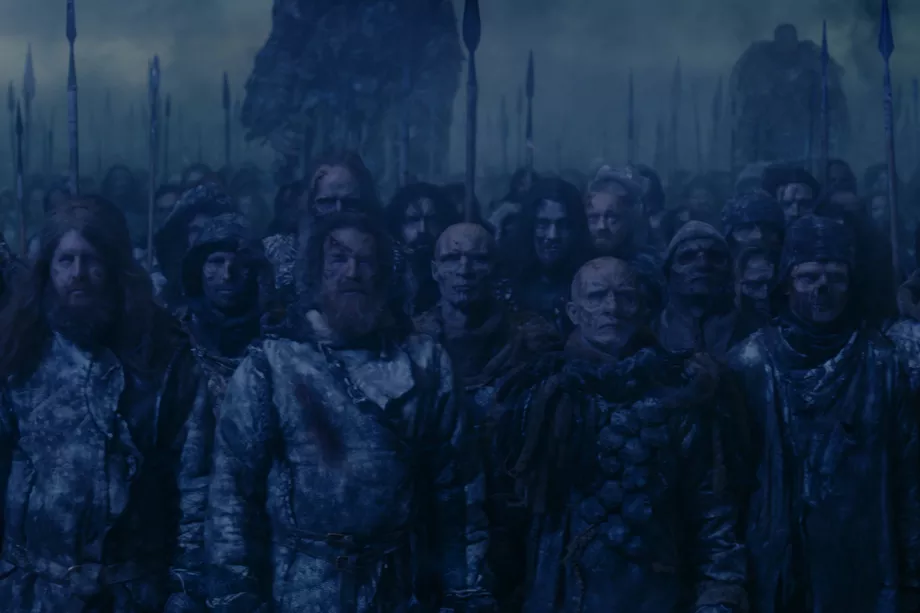
From the political science of Game of Thrones to North Vietnam’s anti-war movement, here are this week’s top picks in imperial and global history. Continue reading “This Week’s Top Picks in Imperial & Global History”

White supremacists are on the march, but the KKK’s Invisible Empire is history

Klan newspaper of the 1970s.

Kristofer Allerfeldt
University of Exeter

When Donald Trump repeatedly equated the far-right activists who marched in Charlottesville, Virginia with the anti-fascist counter-protesters, the media’s reaction was swift and clear. The next covers of both the New Yorker and The Economist featured cartoons of Trump and a Ku Klux Klan hood. In one, the president guides a ship of state with a sail shaped like a hood; in the other, he shouts into a megaphone designed to look like the infamous white headpiece.

To many commentators, the Klan costume is now the perfect visual sleight with which to decry Trump’s cack-handed false equivalence. After all, hoods and burning crosses are the most potent icons of American white supremacy, an easy shorthand for racism and bigotry. But despite the scenes of extrovert white supremacists on the march with burning torches in Charlottesville, something important has changed: today, there is essentially no such thing as “the Klan”. Continue reading “White supremacists are on the march, but the KKK’s Invisible Empire is history”

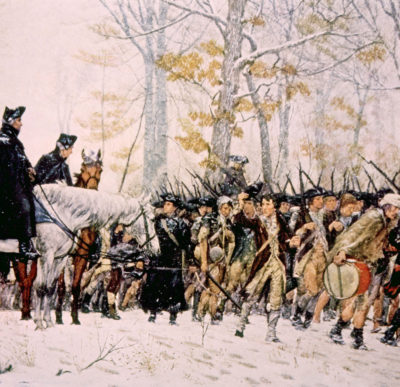
The Geopolitics of the American Revolution

War

Jeremy Black
University of Exeter

Cross-posted from the American Review of Books, Blogs, and Bull

The image is clear, the message obvious. Across a sun-kissed meadow, dappled with shade, lines of British soldiers, resplendent in red, move slowly forward, while brave American Patriots crouch behind trees and stone walls ready to blast these idiots to pieces. Frequently repeated on page and screen, the image has one central message: one side, the American, represented the future in warfare, and one side, the American, was bound to prevail. Thus, the war is readily located in both political and military terms. In each, it apparently represents the triumph of modernity and the start of a new age: of democracy and popular warfare. The linkage of military service and political rights therefore proved a potent contribution. Before these popular, national forces, the ancien régime, the old order, with its mercenaries, professionals, and, at sea, unmotivated conscripts, was bound to crumble, and its troops were doomed to lose. Thus, the political location of the struggle, in terms of the defining struggle for freedom, apparently helps locate the conflict as the start of modern warfare, while, considering the war in the latter light, helps fix our understanding of the political dimension. Definition in terms of modernity and modernization also explains success, as most people assume that the future is bound to prevail over the past.

In making the war an apparently foregone conclusion, this approach has several misleading consequences. First, it allows most historians of the period to devote insufficient attention to the fighting and, instead, to focus on traditional (constitution-framing) and modish (gender et al) topics, neglecting the central point about the importance of war in American history: no victory, no independence, no constitution, no newish society. Second, making the British defeat inevitable gravely underrates the Patriot (not American, as not all Americans fought the British) achievement. Third, making British defeat inevitable removes the sense of uncertainty in which contemporaries made choices. Continue reading “The Geopolitics of the American Revolution”

This Week’s Top Picks in Imperial & Global History

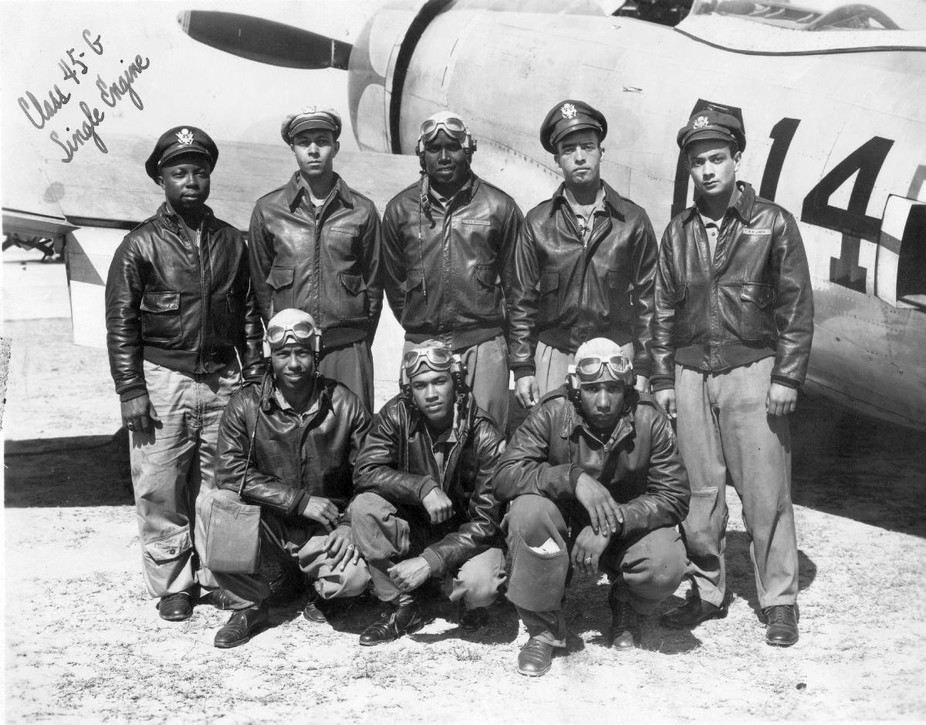
Tuskegee Airmen and P-47. San Diego Air & Space Museum Archives

Marc-William Palen
History Department, University of Exeter
Follow on Twitter @MWPalen

From “global” Boston to who’s to blame for partition, here are this week’s top picks in imperial and global history. Continue reading “This Week’s Top Picks in Imperial & Global History”