The British Way in Trade Policy in global perspective: from the Corn Laws to ‘Global Britain’ (History & Policy, London, Feb. 6)

Marc-William Palen
University of Exeter

History & Policy’s Global Economics and History Forum is hosting a timely event in early February. Please be sure to register (link below) if you wish to attend.


The British Way in Trade Policy in global perspective: from the Corn Laws to ‘Global Britain’

When: Tuesday, Feb. 6, 2024, 17:00 pm – 19:30 pm

Where: Room G7, Ground Floor, Senate House, Malet Street, London WC1E 7HU

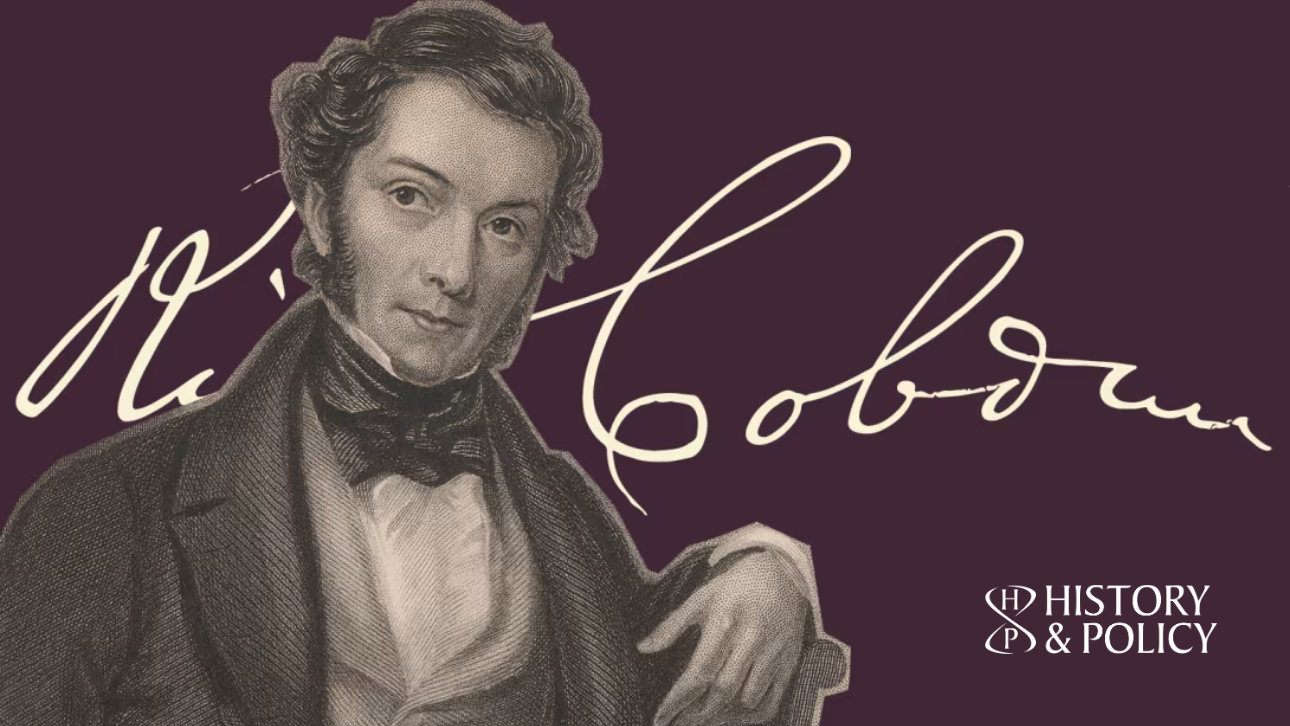
This workshop is designed broadly to come within the ambit of the AHRC-funded Letters of Richard Cobden Online project and will draw from those letters in order to enhance our understanding of British trade policy in its formative period. For not only was Richard Cobden (1804-65) central to establishing unilateral free trade in Britain through the Repeal of the Corn Laws in 1846 but in 1859-60 undertook the laborious negotiation of the first Britain free trade agreement, the Anglo-French commercial treaty of 1860. His letters also deal prominently with the expansion of British trade in India, Japan, and China, while having visited the United States twice, he was also an important contributor to, and commentator on, Anglo-American relations. He was also central to the liberal internationalist tradition linking trade, interdependence, and peace.    

British free trade in the mid-nineteenth century remains a benchmark frequently cited in current trade discussions (e.g. Liz Truss, Times Red Box ed. 9 June 2020; Rishi Sunak, 31 Mar. 2023 ‘we are at heart an open and free-trading nation’), and it is to this contemporary discussion that the proposed workshop/ seminar is intended to contribute. The recent Australian Free Agreement was widely hailed as a return to British free trade policy, the such treaty since Britain joined Europe in 1973, and hence ‘the first trade deal to be signed by the UK as an independent free-trading nation in nearly half a century’ (Lord Younger, HL 11 July 2022). However, latest debate on the subsequent Comprehensive and Progressive Agreement for a Trans-Pacific Trade Partnership (House of Lords 21 Nov. 2023) has also focused on the lack of a published government trade strategy. The potential Labour approach to trade policy also remains to be defined. This workshop/seminar is therefore designed to provide a concrete analysis of British commercial policy between the repeal of the Corn Laws in 1846 (also referred to in the July 2022 debate) and joining Europe in 1973 with a view to informing current thinking on trade policy and the tradition to which, after an ‘European interlude’, it is the successor. To this end, the ‘British ‘way’ in trade policy will be contrasted with American, Chinese, and European ways in trade policy. This seminar is designed to bring together historians, policymakers, politicians, and members of think-tanks and interested academics and members of the public.  

Confirmed speakers include:

  • Professor Anthony Howe, University of East Anglia, author inter alia of Free Trade and Liberal England, 1846-1946 (1998); currently researching Free Trade: an international history from Adam Smith to the WTO.  
  • Professor Douglas Irwin, Dartmouth College, author of Clashing over Commerce: A History of US Trade Policy (2017)
  • Prof David Thackeray, University of Exeter, author of Forging a British World of Trade: Culture, Ethnicity, and Market in the Empire-Commonwealth (2019)
  • Dr Marc Palen, University of Exeter (Global Economics and History Forum), author of The “Conspiracy” of Free Trade: The Anglo-American Struggle over Empire and Globalisation, 1846-1896 (2016) and Pax Economica: Left-Wing Visions of a Free Trade World (forthcoming, 2024) 
  • Professor Piers Ludlow, London School of Economics, author, inter alia, of Roy Jenkins and the European Commission Presidency, 1976-1980: at the heart of Europe (2016).
  • Professor Elizabeth Ingleson, London School of Economics, author of the forthcoming Made in China: When US – China Interests Converged to Transform Global Trade (Harvard, 2024).

Click here to register

This Week’s Top Picks in Imperial & Global History

Smoke from bombs dropped by U.S. planes near Phnom Penh, the capital of Cambodia, on 25 July 1973. (Associated Press)

Marc-William Palen
History Department, University of Exeter
Follow on Twitter @MWPalen or Bluesky @mwpalen.bsky.social

A special Henry Kissinger edition of this week’s top picks in imperial and global history.

Continue reading “This Week’s Top Picks in Imperial & Global History” →

This Week’s Top Picks in Imperial & Global History

DINA agent Michael Townley

Marc-William Palen
History Department, University of Exeter
Follow on Twitter @MWPalen

From the Confessions of a DINA hit man to the monster of the mainstream, here are this week’s top picks in imperial and global history.

Continue reading “This Week’s Top Picks in Imperial & Global History” →

This Week’s Top Picks in Imperial & Global History

Harvard University, Harvard College Library Harvard-Yenching Library, ss_21432130,
http://id.lib.harvard.edu/images/8001379546/urn-3:FHCL:37108245/catalog

Marc-William Palen
History Department, University of Exeter
Follow on Twitter @MWPalen

From the deadly African legacy of the US War on Terror to the Northampton shoemaker who caught the Auschwitz commander, here are this week’s top picks in imperial and global history.

Continue reading “This Week’s Top Picks in Imperial & Global History” →

This Week’s Top Picks in Imperial & Global History

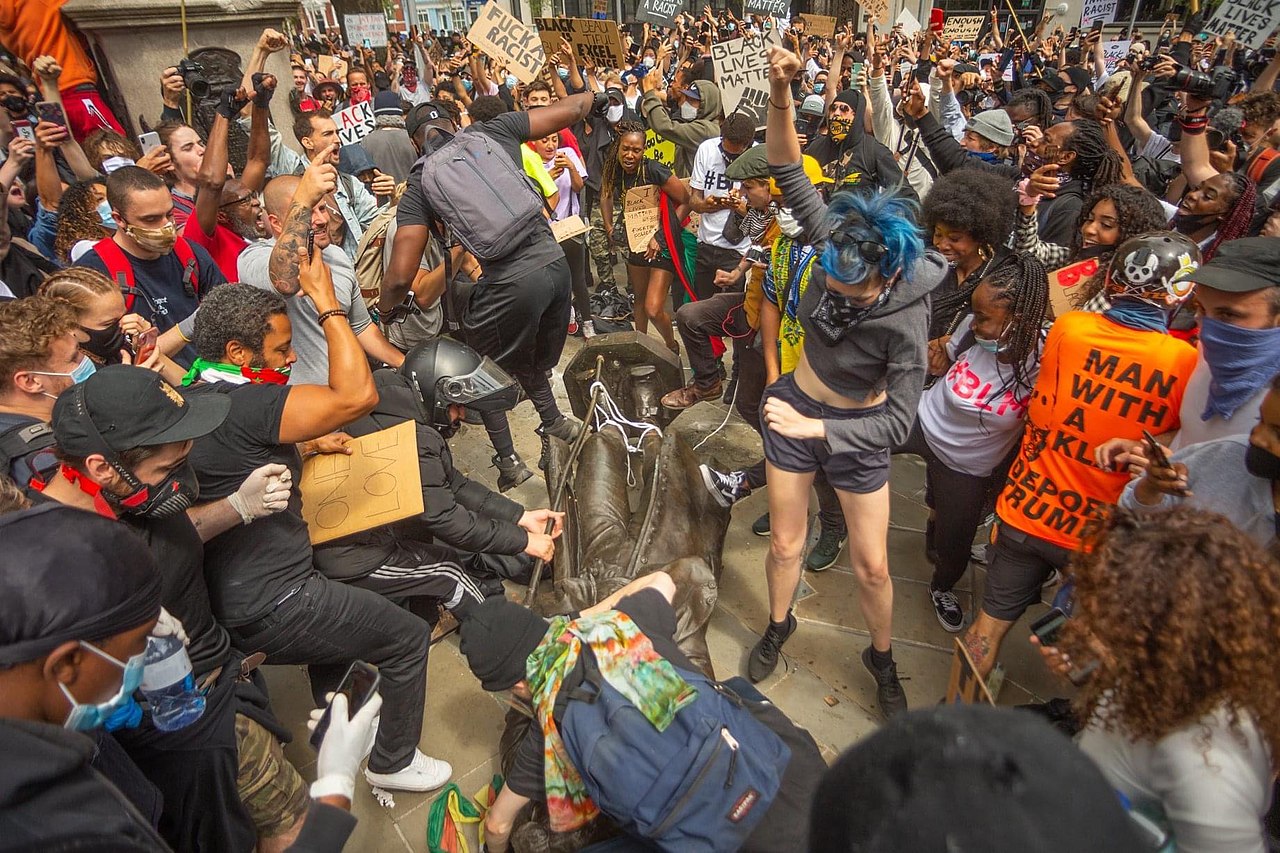
Colston’s statue being brought down by activists, 2020. Greenhill 22 / Wikipedia, CC BY

Marc-William Palen
History Department, University of Exeter
Follow on Twitter @MWPalen

From South Africa’s forgotten freedom fighter to the origins of the Israel-Palestine conflict, here are this week’s top picks in imperial and global history.

Continue reading “This Week’s Top Picks in Imperial & Global History” →

This Week’s Top Picks in Imperial & Global History

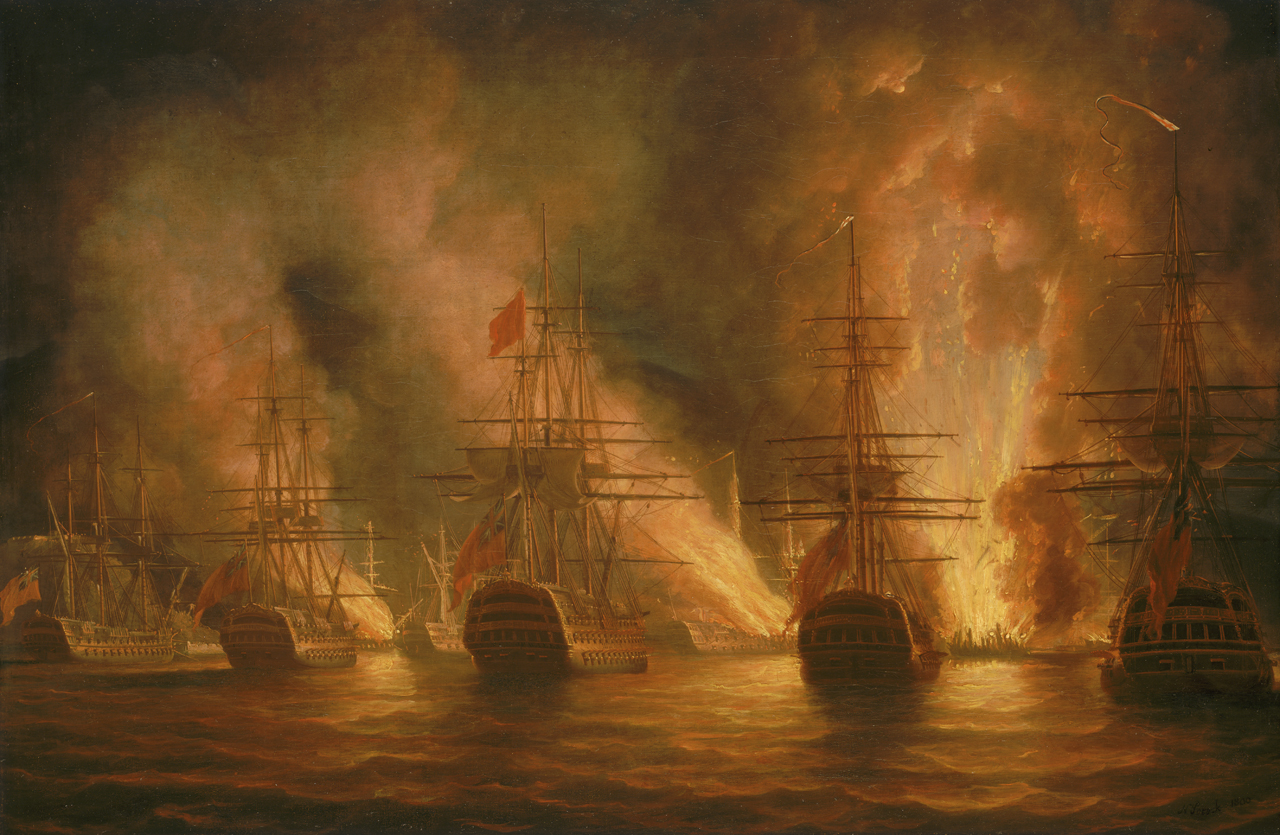
The British Capture of Trinidad, 1797, public domain

Marc-William Palen
History Department, University of Exeter

From the myth of Prussian militarism to dramatising the nervous state, here are this week’s top picks in imperial and global history.

Continue reading “This Week’s Top Picks in Imperial & Global History” →

This Week’s Top Picks in Imperial & Global History

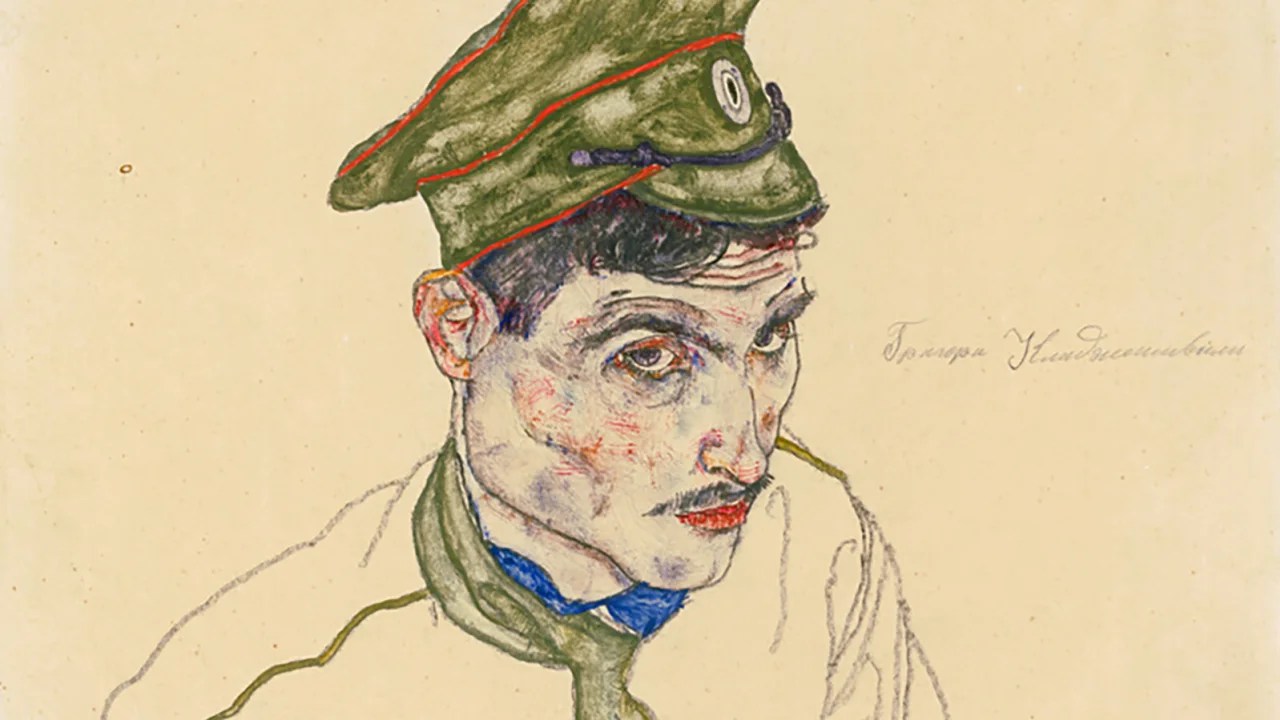
Egon Schiele’s “Russian War Prisoner,” currently at the Chicago Institute of Art, is one of three artworks sought by investigators. Handout/Manhattan District Attorney’s Office.

Marc-William Palen
History Department, University of Exeter

From the new colonialist food economy to strolling into Germany’s conflicted postcolonial memory, here are this week’s top picks in imperial and global history.

Continue reading “This Week’s Top Picks in Imperial & Global History” →

This Week’s Top Picks in Imperial & Global History

Marc-William Palen
History Department, University of Exeter
Follow on Twitter @MWPalen

From when the US helped kill democracy in Chile to who decided that French food was best, here are this week’s top picks in imperial and global history.

Continue reading “This Week’s Top Picks in Imperial & Global History” →

This Week’s Top Picks in Imperial & Global History

Japanese marines from the gunboat Un’yō landing to attack Yeongjong Castle, Sept. 20,1875.

Marc-William Palen
History Department, University of Exeter
Follow on Twitter @MWPalen

From the waves of empire to unsilencing the Haitian Revolution in US hip hop, here are this week’s top picks in imperial and global history.

Continue reading “This Week’s Top Picks in Imperial & Global History” →

This Week’s Top Picks in Imperial & Global History

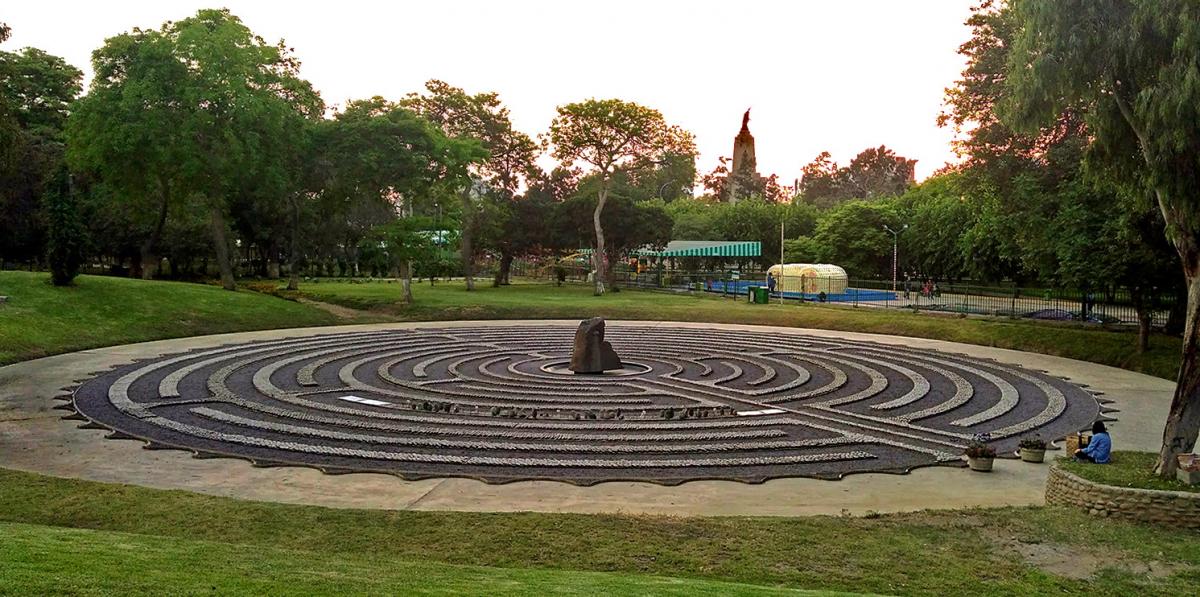
El Ojo que Llora, a memorial commemorating the victims killed during the internal conflict of Peru, opened in 2005. Wikimedia Commons by Lapalabranecesaria

Marc-William Palen
History Department, University of Exeter
Follow on Twitter @MWPalen

From Peru’s Truth and Reconciliation 20 years on to liberalism’s sinful Cold War birth, here are this week’s top picks in imperial and global history.

Continue reading “This Week’s Top Picks in Imperial & Global History” →

This Week’s Top Picks in Imperial & Global History

Haqqi al-Azm (centre, dressed in white) was an influential Ottoman bureaucrat before serving as prime minister of Syria in the 1930s [Creative Commons/Wikipedia]

Marc-William Palen
History Department, University of Exeter
Follow @MWPalen

From Putin’s history lessons to the perils of forgetting the Ottoman past, here are this week’s top picks in imperial and global history.

Continue reading “This Week’s Top Picks in Imperial & Global History” →

This Week’s Top Picks in Imperial & Global History

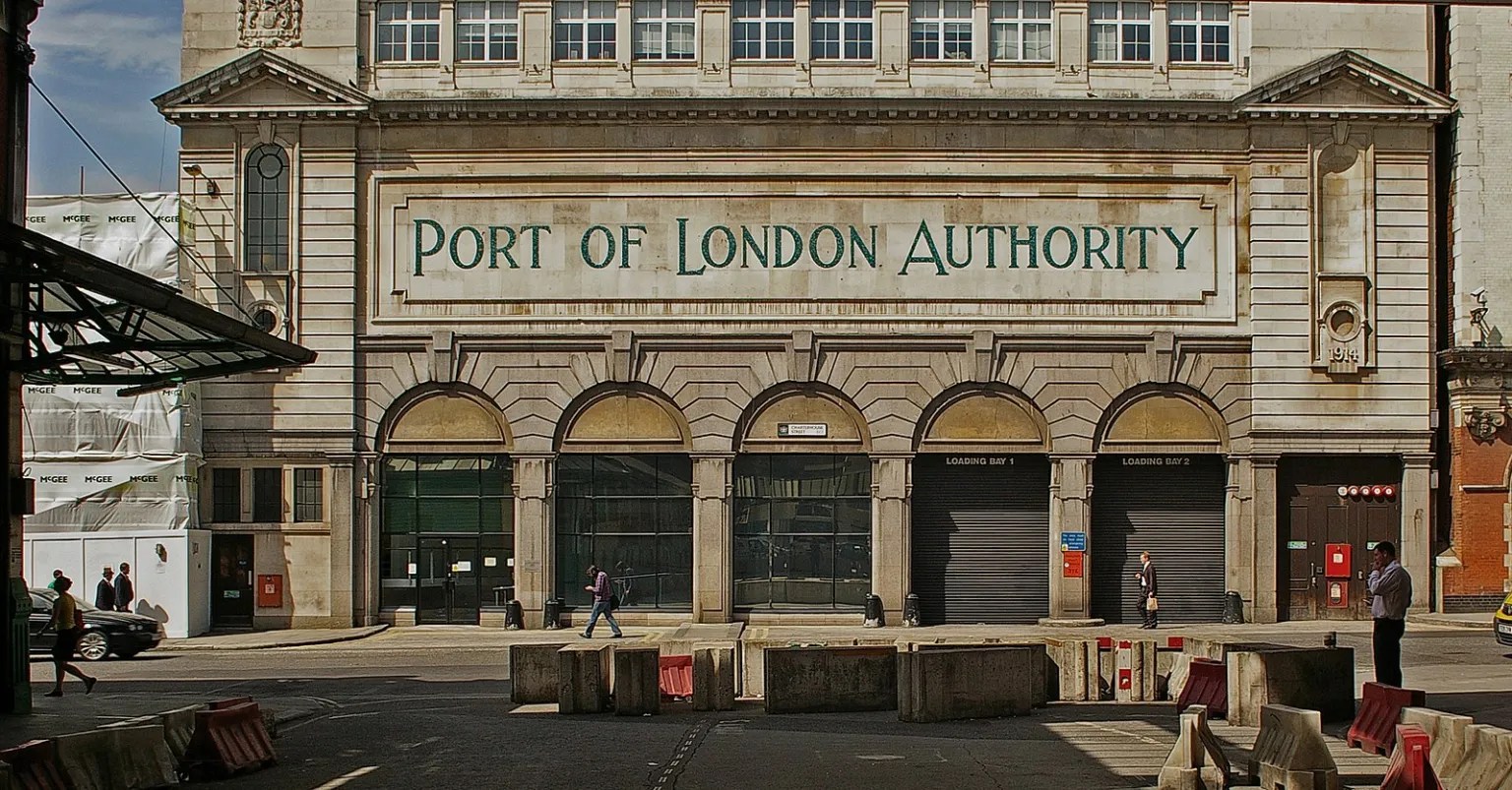
Port of London Authority Cold Store, Smithfield Market. Wikimedia Commons.

Marc-William Palen
History Department, University of Exeter
Follow on Twitter @MWPalen

From Chile’s coup at 50 to the imperial history behind the London meat industry, here are this week’s top picks in imperial and global history.

Continue reading “This Week’s Top Picks in Imperial & Global History” →

This Week’s Top Picks in Imperial & Global History

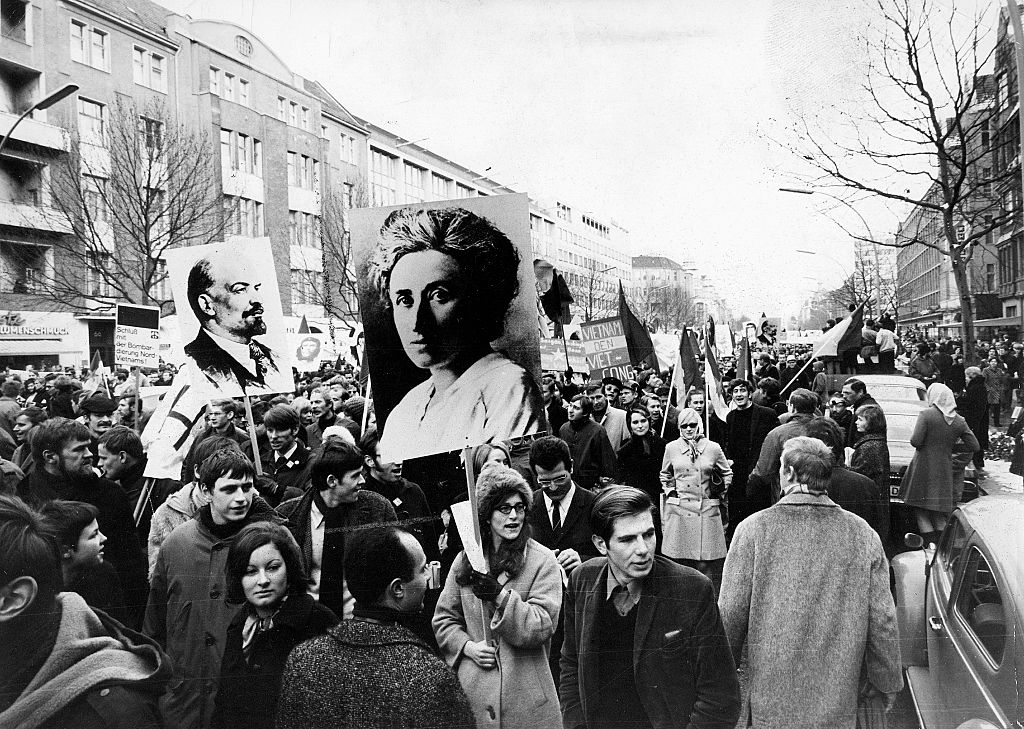
Portrait of Rosa Luxemburg at a demonstration against the Vietnam War, Berlin. (Rogge and ullstein bild / Getty Images)

Marc-William Palen
History Department, University of Exeter
Follow on Twitter @MWPalen

From the long death of slavery to how Rosa Luxemburg anticipated the end of capitalist globalization, here are this week’s top picks in imperial and global history.

Continue reading “This Week’s Top Picks in Imperial & Global History” →

This Week’s Top Picks in Imperial & Global History

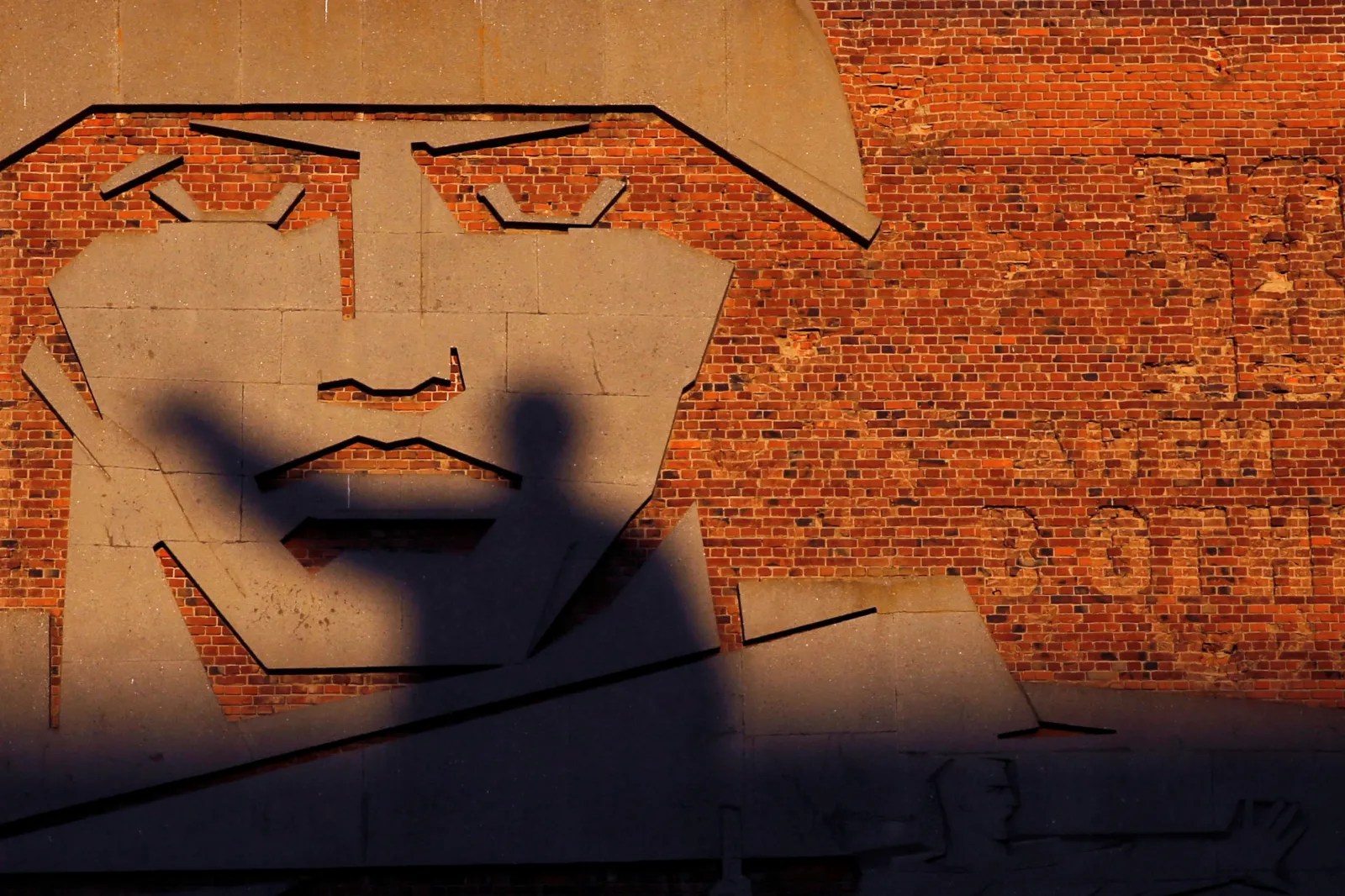
A statue of Soviet state founder Vladimir Lenin casts a shadow in Volgograd, Russia, June 2018. Toru Hanai. Reuters

Marc-William Palen
History Department, University of Exeter
Follow on Twitter @MWPalen

From the Cold War trap to the Jamaican roots of the British industrial revolution, here are this week’s top picks in imperial and global history.

Continue reading “This Week’s Top Picks in Imperial & Global History” →

This Week’s Top Picks in Imperial & Global History

Mughal men drink an unidentified beverage in a 17th century painting later recreated as a drawing by Rembrandt (Public domain)

Marc-William Palen
History Department, University of Exeter
Follow on Twitter @MWPalen

From unravelling the Windrush myth to the infinite possibilities of Afrofuturism, here are this week’s top picks in imperial and global history.

Continue reading “This Week’s Top Picks in Imperial & Global History” →