
Mitchel Stuffers
Assistant Editor at CIGH Exeter & PhD Candidate in History, University of Exeter
From the Alberta referendum to the haze crisis in Southeast Asia, here are this week’s top picks in imperial and global history.
Alberta referendum voters reject separatism, choose to stay in Canada
Karen Bartko
GlobalNews
Albertans have opted to remain part of Canada — decisively voting to reject the idea of holding a formal referendum on separatism. Elections Alberta began releasing the results of the province’s referendum on the topic late Monday night, with around 76 per cent of Albertans voting to remain part of Canada without any further deliberation.
The separatism question asked voters if Alberta should remain in Canada or if the provincial government should begin the legal process of holding a future binding referendum on whether or not Alberta should separate from Canada. At watch parties, pro-Canada supporters cheered as independence proponents were somber — but resolute. “Don’t mess with Canada!” Thomas Lukaszuk, former deputy premier and organizer of the pro-Canada forces, said to cheers at a watch party at the Polish Hall in central Edmonton. [Continue reading]
“Mr. Spitfire’s” Last Project: Spitfire PK519 Sells for £18,000 at Auction
Kevin Wilkins
Vintage Aviation News
Vintage Aviation News
The partially reconstructed fuselage of Supermarine Spitfire F Mk 22 PK519, the final restoration project of collector Peter Arnold, sold for £18,000 at Dominic Winter Auctioneers’ military and aviation auction on October 8. Known among fellow enthusiasts as “Mr. Spitfire,” Arnold spent approximately five decades locating and documenting more than 350 crash sites, assembling a collection that reflected his lifelong dedication to the aircraft.
Registered as G-SPXX, PK519 was offered with surviving wreckage and components from the aircraft, alongside original panels from other Spitfires that Arnold had used to reconstruct the fuselage. The project represented another chapter in the history of an aircraft that went from postwar RAF service to a target range before its remains were recovered by aviation historians and collectors. [Continue reading]
Ghana seeks to bring slavery reparations into IMF and World Bank financing debate
Editorial Team
IntelliNews
IntelliNews
Ghana has drafted a proposal to bring reparations for slavery and colonialism into the financing frameworks of the International Monetary Fund and World Bank, seeking additional development resources for economies affected by historical exploitation. The initiative marks a new phase in Africa’s campaign for reparatory justice, shifting the debate beyond apologies and historical accountability towards financial mechanisms that could address inequalities rooted in centuries of slavery and colonial rule.
Ekwow Spio-Garbrah, Ghana’s Presidential Special Envoy for Reparations, disclosed the proposal in an interview with the Ghana News Agency on the sidelines of the IMF and World Bank annual meetings held in Bangkok, Thailand. The document has been circulated within Ghana’s government but has yet to be formally presented to either institution, leaving its prospects dependent on diplomatic negotiations and support from major shareholder countries. [Continue reading]
Tap water no longer drinkable in Norwegian village as climate-related thawing releases heavy metals
Karen McVeigh
Guardian
Residents of a remote village in Norway that is in one of the fastest-warming places in the world have been told they must no longer drink tap water due to heavy metal contamination that scientists have linked to the thawing permafrost.
Longyearbyen, in the archipelago of Svalbard, gets its main drinking water supply from a 1.5 mile-long (2.5km) dammed lake called Isdammen, or “ice pond”. Higher temperatures as a result of the climate crisis have thawed permafrost, leading to newly exposed bedrock leaching metals into the pond. Longyearbyen, 800 miles from the north pole, is warming at between five and seven times the world’s average rate, with autumn temperatures rising at up to 4C a decade. [Continue reading]
Southeast Asia’s haze crisis will persist until polluters pay
Ronny P Sasmita
Al Jazeera
Al Jazeera
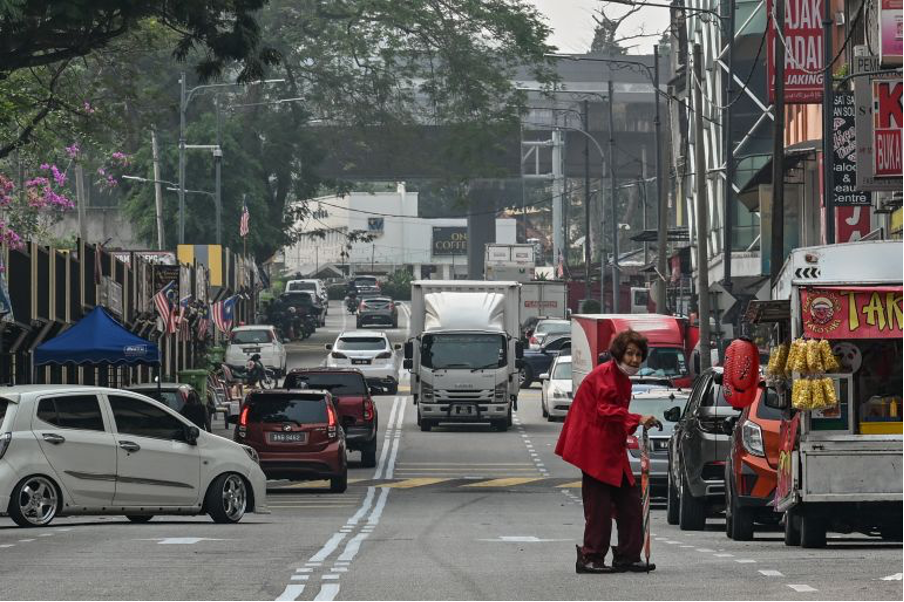
Across Southeast Asia, the haze has returned with a familiar cruelty. Malaysia has closed schools as air quality deteriorated, Singapore has experienced dangerous levels of air pollution, and even parts of the Philippines have been affected, underscoring how far the smoke has travelled. In Indonesia, meanwhile, forest and peatland fires, a major source of the region’s haze, have threatened communities and livelihoods, particularly in parts of Kalimantan. What begins as land burning in one country can become a public health emergency across an entire region.
The immediate response is predictable: extinguish fires, distribute masks and seek regional cooperation. All are necessary, but none explains why the emergency keeps returning. Malaysian children missing school, Singaporean residents breathing polluted air, Filipino communities exposed to drifting smoke and Indonesian families living near burning land all bear different costs from the same regional failure. [Continue reading]


You must be logged in to post a comment.