
This is the second in a series of blog posts created by students of the 2026 ‘Linguistic Landscapes‘ Summer School at Venice International University, in conjunction with the University of Exeter and KU Leuven.
Wout Huygens, Horace Lee & Ellie Nicholls
During the Summer School on Linguistic Landscapes in Venice, we analysed the linguistic landscape of the area around the Basilica dei Santi Giovanni e Paolo in the northern part of the main island. By adopting Lynch’s framework on the elements of the city image (Lynch, 1960), we identified the major paths, edges, districts, nodes and landmarks in the region. In this blog post, we argue that transportation has a clear effect on the linguistic landscape, that the graffiti and stickers reveal certain political tensions and that there is clear asymmetry of multilingualism in our chosen area of the city.
Mapping the area
By following Lynch’s elements of the city (Lynch, 1960), we started by tracing the edges, which are all clearly defined waterways, as well as the waterways within our region. Next, we plotted all bridges on our map acting as a base for the paths. Then, we added the public transportation nodes and landmarks, consisting of two water bus stops for the vaporetti, a hospital, the basilica and 3 churches. After carefully analysing the linguistic landscape and the transport streams, we added the main walking paths (see Image 1).
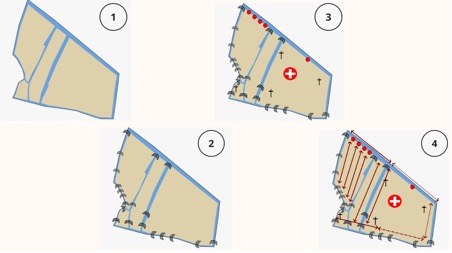
Image 1: Mapping process of the Santi Giovanni e Paolo region in Venice
Based on these data, we also divided the region into different districts (see Image 2), coinciding with Lynch’s categorization (Lynch, 1960). Districts 1 and 5 cover the waterfront areas near the touristy Fondamente Nove area and the hospital area respectively, characterized by the public transportation nodes. These districts are characterized by movement from/to a specific node within the district. Districts 2, 4, 7 and 8 each symbolize a path, characterized by pedestrian through-traffic. Instead of movement from/to a specific point within the district, this area acts as a passageway from a point outside the district to another point outside the district. Finally, districts 3, 6, 9 and 10 refer to areas around landmarks, in this case a church, the basilica or the hospital. Similar to the node districts, the movement within these districts is also oriented towards a specific point within the district, but these districts usually act as destinations as opposed to intermediate transfer points in districts 1 and 5.
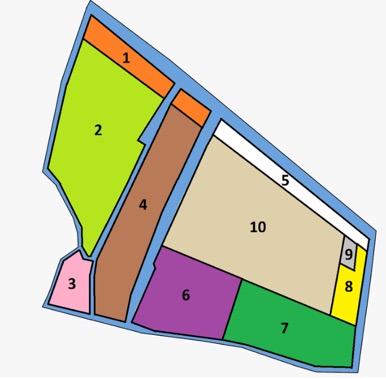
Image 2: Identified districts in the Santi Giovanni e Paolo region in Venice
The effect of transportation on the linguistic landscape
The district map (see Image 2) is based on destinations, transfers and movement. This section will delve deeper into the underlying transportation that characterizes the region. Unlike other cities, Venice is characterized by two main transportation modes: pedestrian traffic and water bus traffic (Rovinelli et al., 2026). The water bus plays an important role in the transportation of tourists and locals, especially when islands are not connected by bridges. As the main islands do not allow any vehicles other than boats, pedestrian traffic is the only available mode of transportation to travel across the land. When observing the pedestrian movement in our region, we found that transportation is mainly influenced by the following elements: the water bus stops, the availability of streets and bridges, construction sites, touristic locations and the hospital, which in turn affects the local linguistic landscape.
Within our region, there are two water bus stops: F.te Nove and Ospedale (districts 1 and 5). While the first one has four different platforms (A to D), the second stop only has one, resulting in different uses of the waterfront area near these stops. While the waterfront area near the Ospedale (hospital) is quite empty and filled with construction, the F.te Nove area is filled with touristic activity in the area in-between the different platforms (see Image 3)
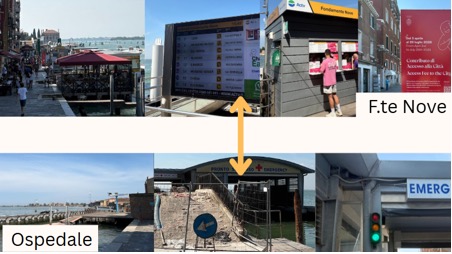
Image 3: Differences between the F.te Nove and Ospedale waterfront areas
The F.te Nove area contains various cafés and shops, a digital screen with real-time information on the water buses, a ticket booth and a sign regarding the Access Fee required for tourists visiting Venice. Additionally, the language policy in these areas seems to differ. While Italian is more dominant in the Ospedale area, English is more dominant in the F.te Nove area (see Image 4 & section Asymmetry of multilingualism). These findings imply that the F.te Nove area is oriented towards tourists, whereas the Ospedale area seems to be more geared towards locals visiting the hospital.
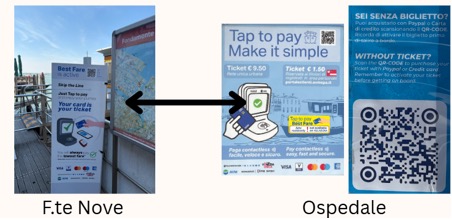
Image 4: Different language policies for passenger communication (monolingual English vs. dominant Italian)
Despite our conclusion that the F.te Nove area seems to cater more for tourists, who are usually less familiar with the area, the name of the water bus stop F.te Nove seems to have five spelling variants, sometimes even written in the Venetian dialect: F.te Nove, Fondamente Nove, Fondamente Nuove, Fondamenta Nova and Fondamenta Nuove (see Image 5). To ensure clear communication, we would advise against the use of multiple variants, especially in such a touristy area. Additionally, while F.te Nove seems to be the most used variant, an abbreviation, such as “F.te” could also confuse readers (Maaß, 2020).
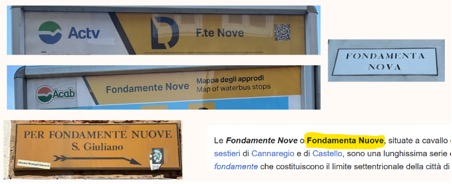
Image 5: Different spelling variants of the F.te Nove area
Another factor that influences transportation is the availability of streets and bridges. Earlier, we found that districts 2, 4, 7 and 8 mainly represent paths between two points outside the district. This path also becomes visible in the linguistic landscape when looking at the directional signage. For instance, in district 2, with a lot of north-south connections, one can find a lot of directional signs pointing towards the Piazza San Marco in one direction and Fondamente Nove in the other direction (see Image 6). This reinforces the idea that one is meant to pass through this area and not stay there.
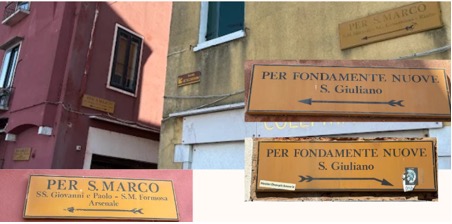
Image 6: 6 directional signs pointing towards San Marco or Fondamente Nove in district 2
While the western part of our region near Fondamente Nove seems well connected to the rest of the city, we noticed that the area to the north and northeast of the hospital is a bit isolated, resulting in fewer people and (commercial) signs. For instance, there is no waterfront bridge to the east, forcing people to go around the hospital. The construction near the hospital, the private docks and the hospital docks with traffic lights in districts 5 and 8 can also give one the feeling that one is not meant to stay there (see image 7), emphasizing its transit function.
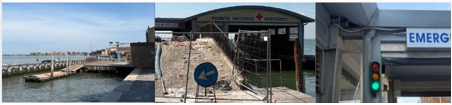
Image 7: General atmosphere of the hospital waterfront area
When going from district 5 to 8, 7 and finally 6 (see Image 8), one can also see the linguistic landscape shifting from no commercial activity (no windows and doors) near the hospital waterfront to more windows, street names and commercial activity near the basilica. The street name around the basilica even seems to hold commercial value (cf. Light & Young, 2014) as the pizzeria there has adopted the street name as its own name. We also found the opposite where a restaurant uses a street name sign to advertise its own name (see Image 9).
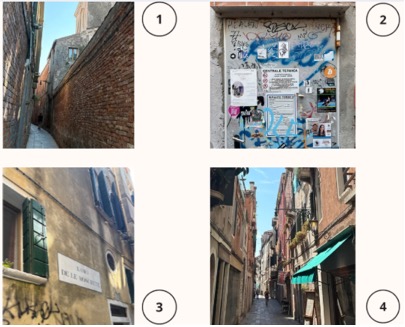
Image 8: Walking from the hospital waterfront to the basilica via the eastern route
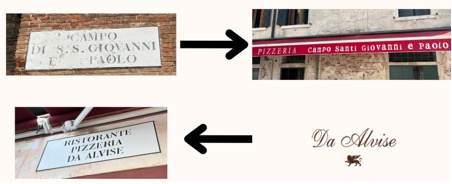
Image 9: Commercial value of street names and street name signs
Politics behind Graffiti and Stickers
‘Nothing is experienced by itself, but always in relation to its surroundings, the sequences of events leading up to it, the memory of past experiences’ (Lynch, 1960, p.1).
If official signs, as aforementioned, show how a city wants to present itself, graffiti and stickers, instead, show what its people feel. In our field site around Santi Giovanni e Paolo, these informal texts added a political layer to the linguistic landscape, showing forms of expression that exist outside official institutions.
Chart 1: Comparison of Stickers and Graffiti in the Hospital Area and the Tourist Area
| Hospital Area (Districts 5 & 10) | Tourist Area (District 1) |
 (Image 10) (Image 10) |  (Image 12) (Image 12) |
 (Image 11) (Image 11) |  (Image 13) (Image 13) |
Chart 1 illustrates the contrast between the two parts of our field site. Around the hospital, there were far fewer tourists, and the space felt more institutional. Yet, some of the strongest unofficial bottom-up signs can be found in the area. One sticker (see Image 10) read: ‘SCUOLA ISTITUZIONALE USA MENZOGNE PER UNA MANIPOLAZIONE CRIMINALE. F[xxx] AGENDA 2030’. The message is angry and conspiratorial as it attacks the school system as a tool of manipulation. The location of this sticker matters in this case, as it appeared next to a major public institution associated with care, order, and authority. The placement, therefore, suggests a distrust of the authority.
Another image (see Image 11), from the same area showed a government construction sign that had been partly painted over in black. More specifically, only the construction worker figure had been painted in black, whereas the tool is still visible. This small alteration can be viewed as an expression of frustration with the authority, rather than with the act of construction itself.
In contrast, the tourist area produced a different kind of tension. It was busier, louder, and shaped by movement and crowding. In this area, the unofficial writing is more focused on tourism itself, rather than the institutions. Graffiti such as ‘Bella and Andro’ and ‘Alex and Charlotte’ (see Image 12) felt like marks of presence left behind by outsiders. Other signs answer back. A nearby sticker telling ‘tourists go home’ (see Image 13) made the resentment explicit, showing that the local Venetians are not comfortable with the scale of tourism. Taken together, these signs gave the impression of a real-world conversation happening on the walls in Venice, where tourists inscribed themselves onto Venice and local or anti-tourist voices responded in turn.
Scholars in the field of political theory remind us of the importance of responding to the needs of local communities and voters. John Holloway argues that revolution begins with the ‘rejection of a world that we feel to be wrong, negation of a world we feel to be negative’ (Holloway, 2019, p.2). A small act of refusal by one person may seem limited, but if similar frustrations are shaped by many, they can become significant. In that sense, what begins as rejection may, over time, contribute to wider resistance. We do not mean to suggest that every act of dissent leads to revolution directly, but Holloway’s point is that even small refusals can matter. Locke offers a different perspective, as he puts forward ‘supreme power of any commonwealth … [is] to be directed to no other end, but the peace, safety, and public good of the people’ (Locke, 1996, Ch.9, §131). He also argues that if the government fails in this duty, the people may ‘resume their original liberty, and, by the establishment of a new legislative’ (Locke, 1996, Ch. 19, §222), in short, meaning the existing structure of power may be overthrown. These theories help explain the importance of these small signs and graffiti, as they may reflect frustrations that resonate across a community. If institutions fail to respond, tensions may deepen.
Stickers and graffiti were not simply a collection of random acts of vandalism, instead, they formed an informal layer of public communication. In a city shaped so heavily by tourism, these signs point to an important question for the city: Venice is a city for whom? Is it for local Venetians, or for tourists? The official landscape may tell us how the area is meant to function, however, the graffiti and stickers show where the order is contested.
Asymmetry of multilingualism
Coming into this week, we assumed language on signage would simply correlate directly with tourist density: places visited by more tourists would display more languages. By walking through the hospital and Fondamente Nove area, we quickly realized that this hypothesis was false.
The hospital generally serves more local patients than tourists (cf. ULSS 3 Serenissima, 2024 – only 22% of the hospital’s patients are from outside the Veneto region). While we initially expected a consistent linguistic landscape around the hospital, we were confronted with different language hierarchies, which we divided into 5 categories: identity signage, regulatory signage, wayfinding signage, emergency signage and boat signage.
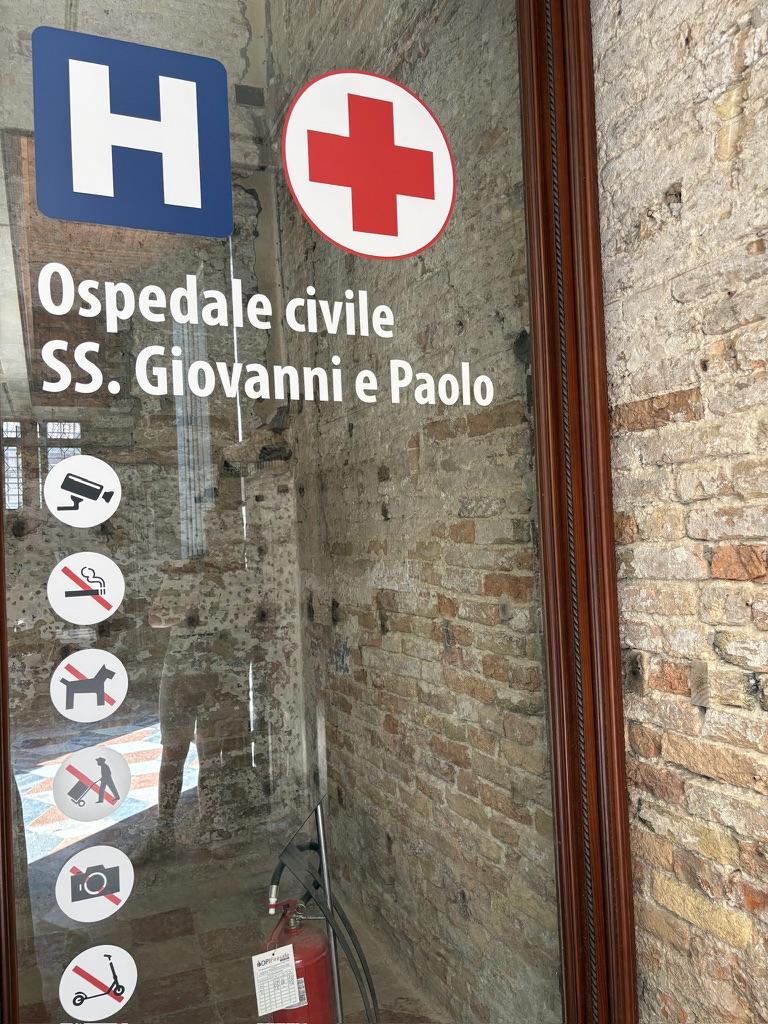
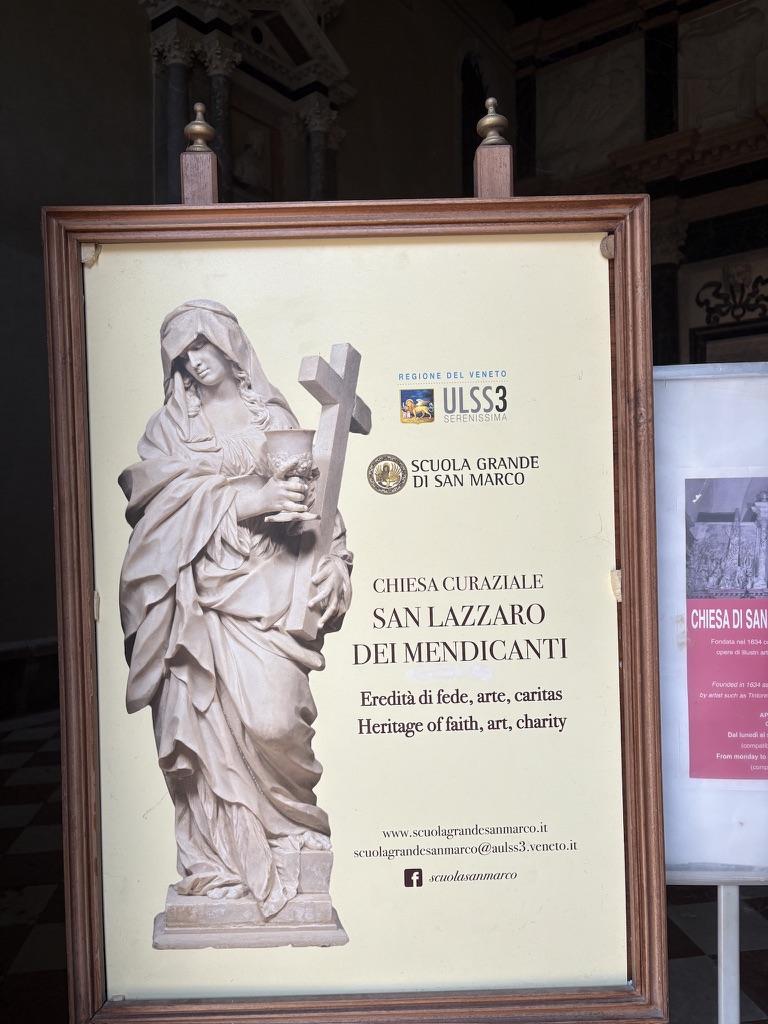
Image 14 Image 15
Identity signage (see Image 14 & 15) appeared both monolingual and bilingual. The monolingual Italian signage could be explained by the legibility of the hospital’s function thanks to the accompanying pictograms, the blue H and the universal red cross. A few metres away, the sign for its heritage chapel, San Lazzaro dei Mendicanti, appears both in Italian and English. Despite being in the same area, these signs show conflicting identities and conflicting language hierarchies. This is where we asked ourselves: who are these messages for? Locals or tourists?
Aside from identity signage, Image 14 also contains regulatory signage, forming a semiotic aggregate (Scollon & Scollon, 2003) because of the combination of text and pictograms. While the Italian name points more towards the hospital being a place for locals, the pictograms, especially the one with the ‘no pictures allowed’, points more towards tourists who do not visit the hospital regularly.
Wayfinding signage, by contrast, is fully bilingual (see Image 16), revealing a different language hierarchy. This points more towards the area being meant for both locals and tourists.
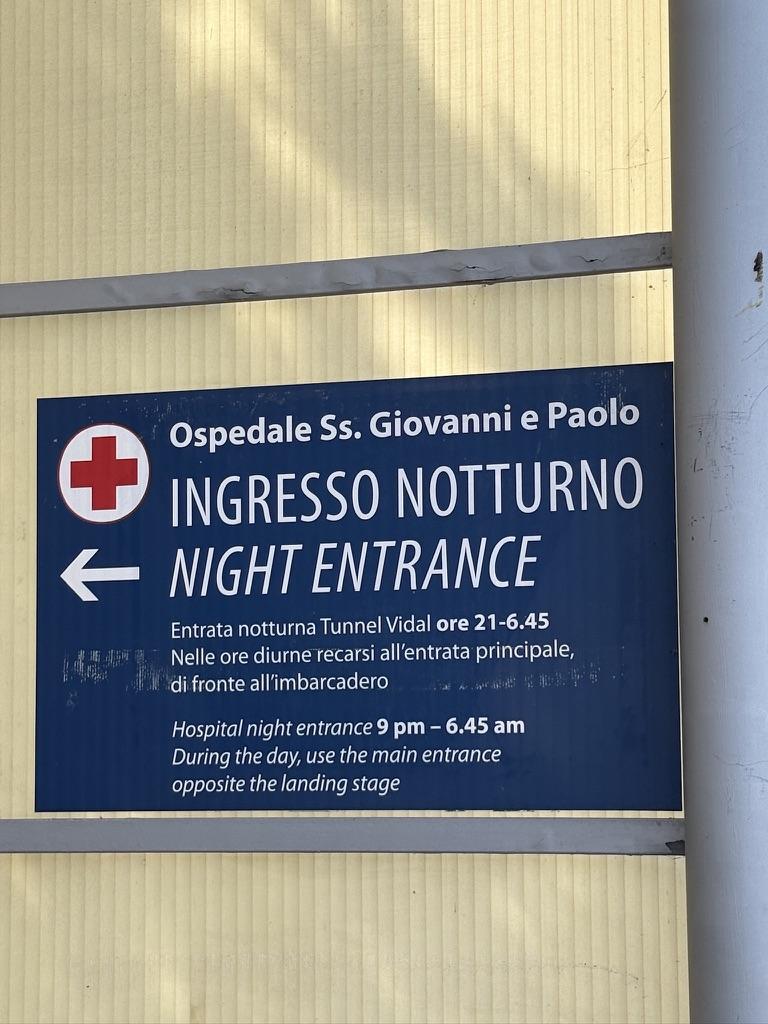
Image 16
Emergency signage revealed internal inconsistencies (see Image 17 & 18). Both signs we found are bilingual, but the ordering is inconsistent; one leads with Italian, one with English, with no fixed hierarchy. Here, we noticed that emergency signage is incremental, sign-by-sign production, not one policy rolled out uniformly. Before, we assumed that top-down signage (cf. Ben-Rafael et al.,1996) always entailed a consistent language hierarchy, but these findings suggest otherwise.
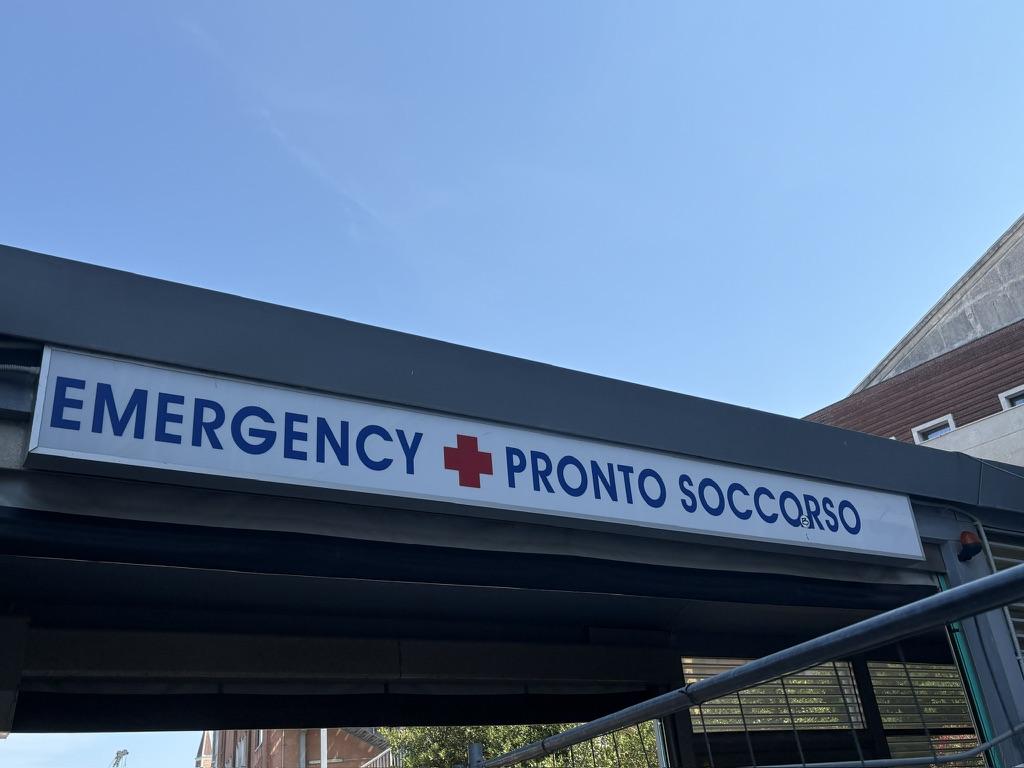
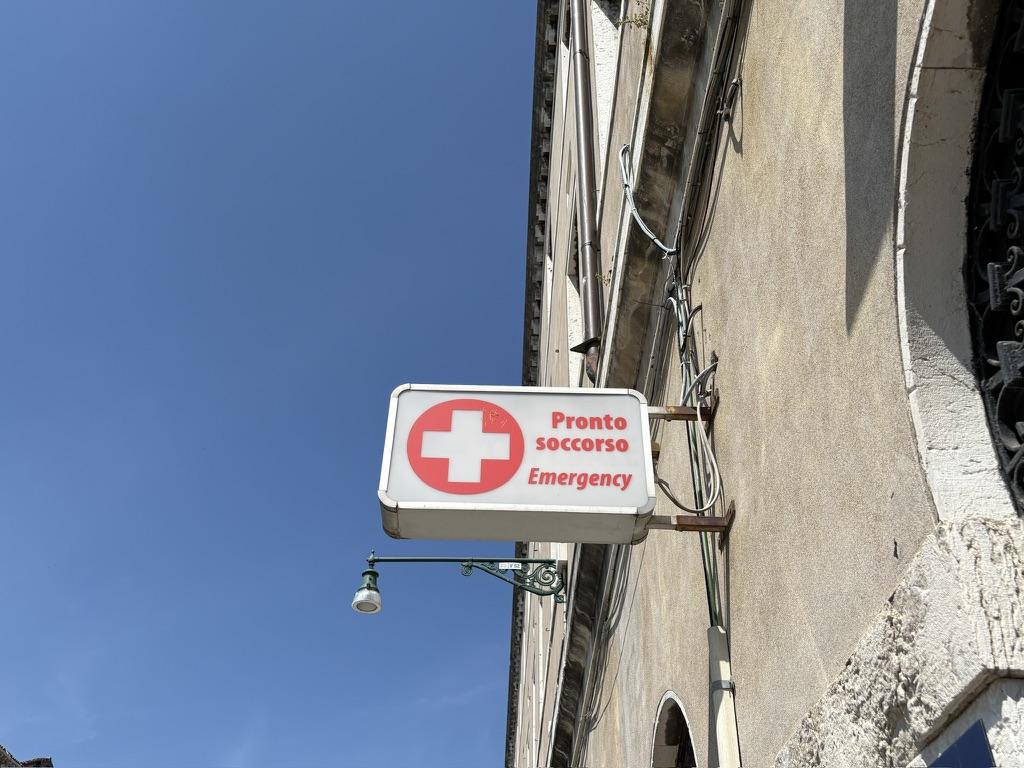
Image 17 Image 18
The ambulance boats (see Image 19) made the argument in its purest form and were the most surprising evidence of the week. They read “Ambulanza,” not “Ambulance” and carry Italy’s 118 rather than the pan-European 112, despite cutting through some of the most tourist-dense canals in Venice. If tourism drove multilingualism anywhere, it would be here. Instead, it’s the least multilingual object in our dataset. The boats seem to be intended primarily for emergency personnel, patients, and the healthcare system, rather than for tourists observing them from the canal.
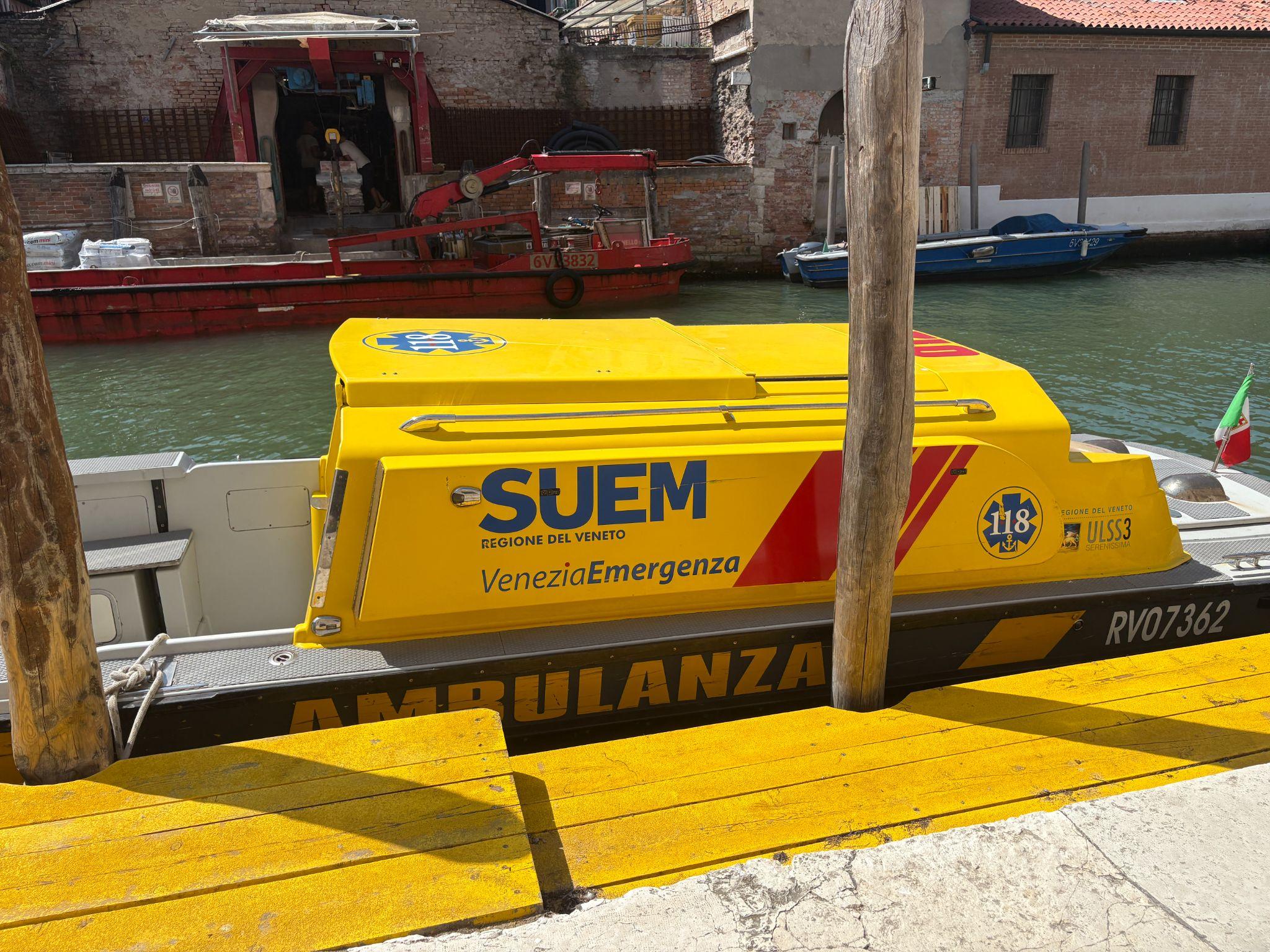
Image 19
Before exploring our region, we assumed that more tourism would result in more multilingualism. We displayed that that is not necessarily the case. Instead, we would like to argue that the inconsistent language hierarchies near the hospital are possibly due to the hospital serving mostly locals (ULSS 3 Serenissima, 2024) while still being situated in the city of Venice, characterized for its overtourism (Rovinelli et al., 2026). The hospital thus seems to be an area for locals situated in a touristy city.
Walking across the bridge from the hospital to Fondamente Nove flipped everything. We found a lot more commercial signage in this area. The signage is bottom-up in the original sense of Ben-Rafael et al. (1996), free to be as multilingual as the market rewards, for instance in Image 20, displaying Italian, English, French and German. One tabacchi window (see Image 21) held two language regimes at once: Western Union and Lotteria Italia panels in Italian only, aimed at resident and migrant customers, beside bilingual waterbus panels aimed at tourists.
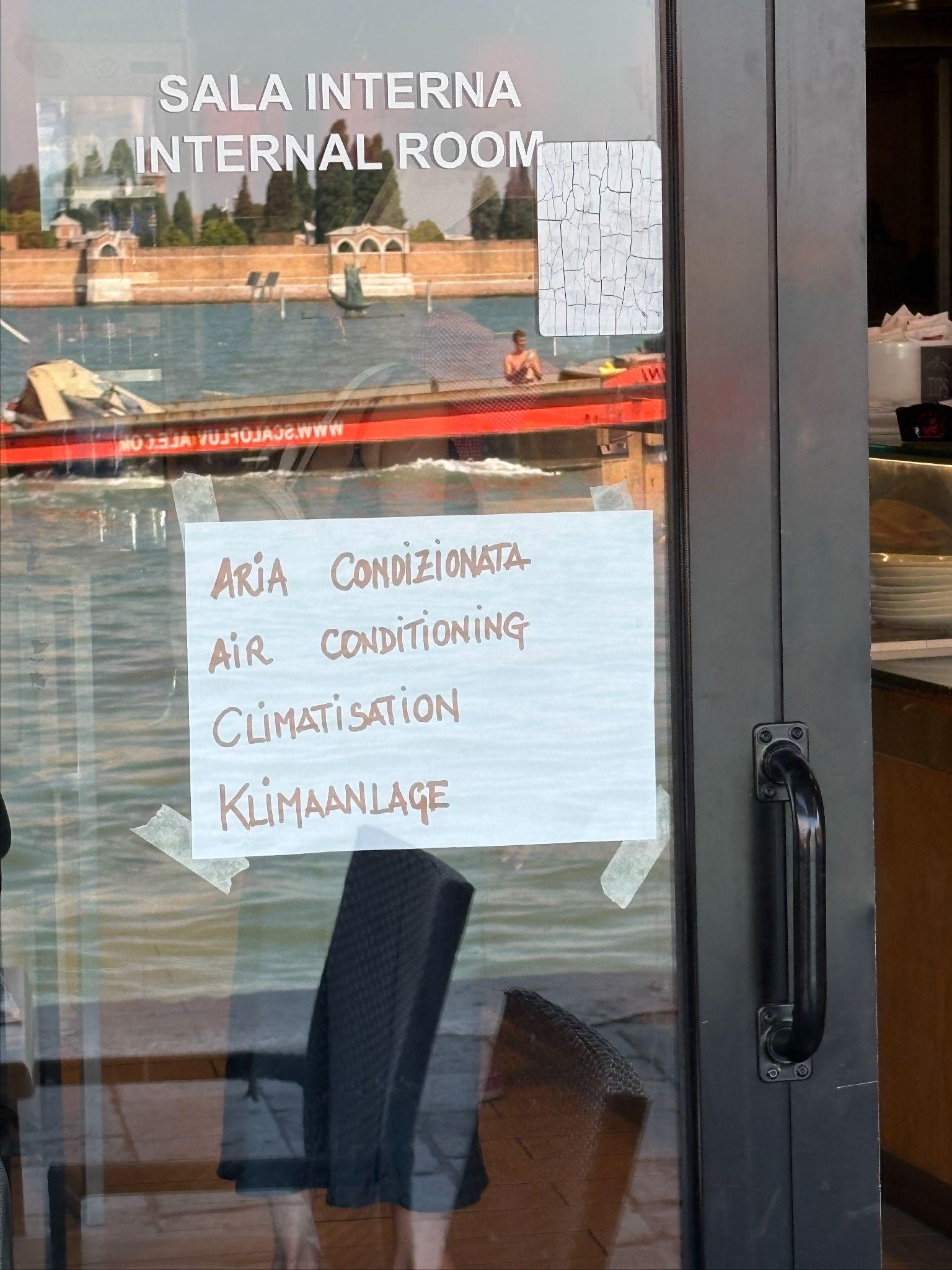
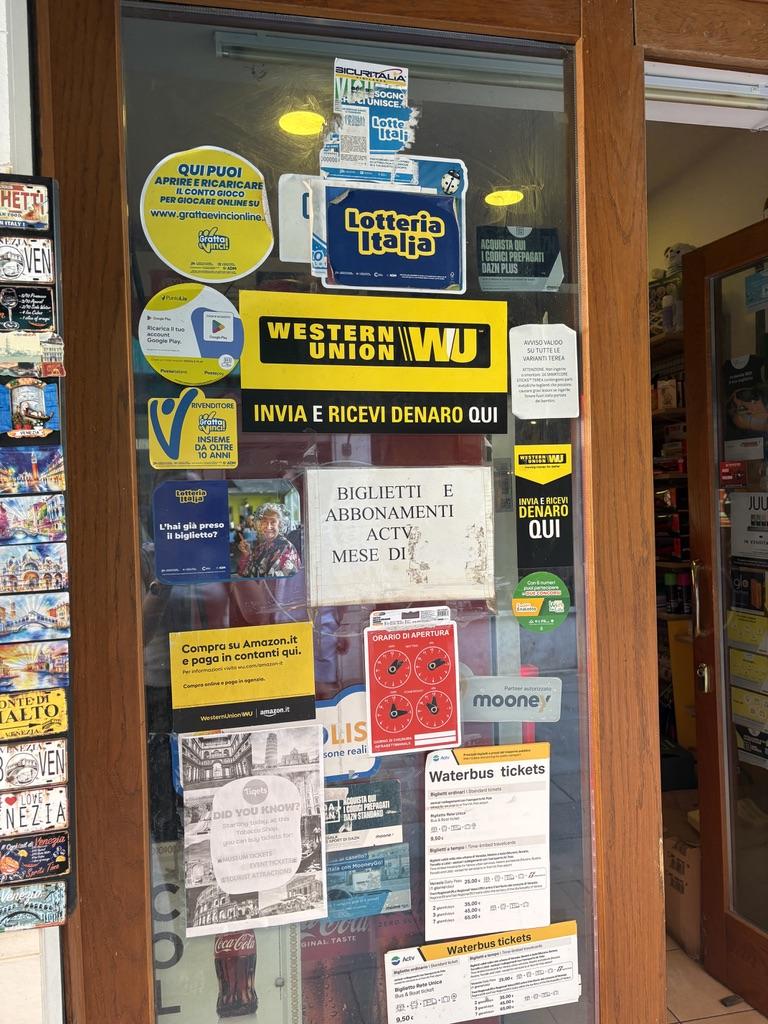
Image 20 Image 21
Nearby, a chalkboard (see Image 22) uses monolingual English communication with wording such as “gluten-free” and “happy hour” to attract tourists. While most of the Fondamente Nove area contains English communication, we also found an instance of monolingual Italian communication (see Image 23) as a strategy to attract tourists. By using quite well-known Italian words such as “caffè”, “gelato” and “pizza”, this business might appear more authentic to tourists passing by. This could be seen as an example of commodification of the Italian language.
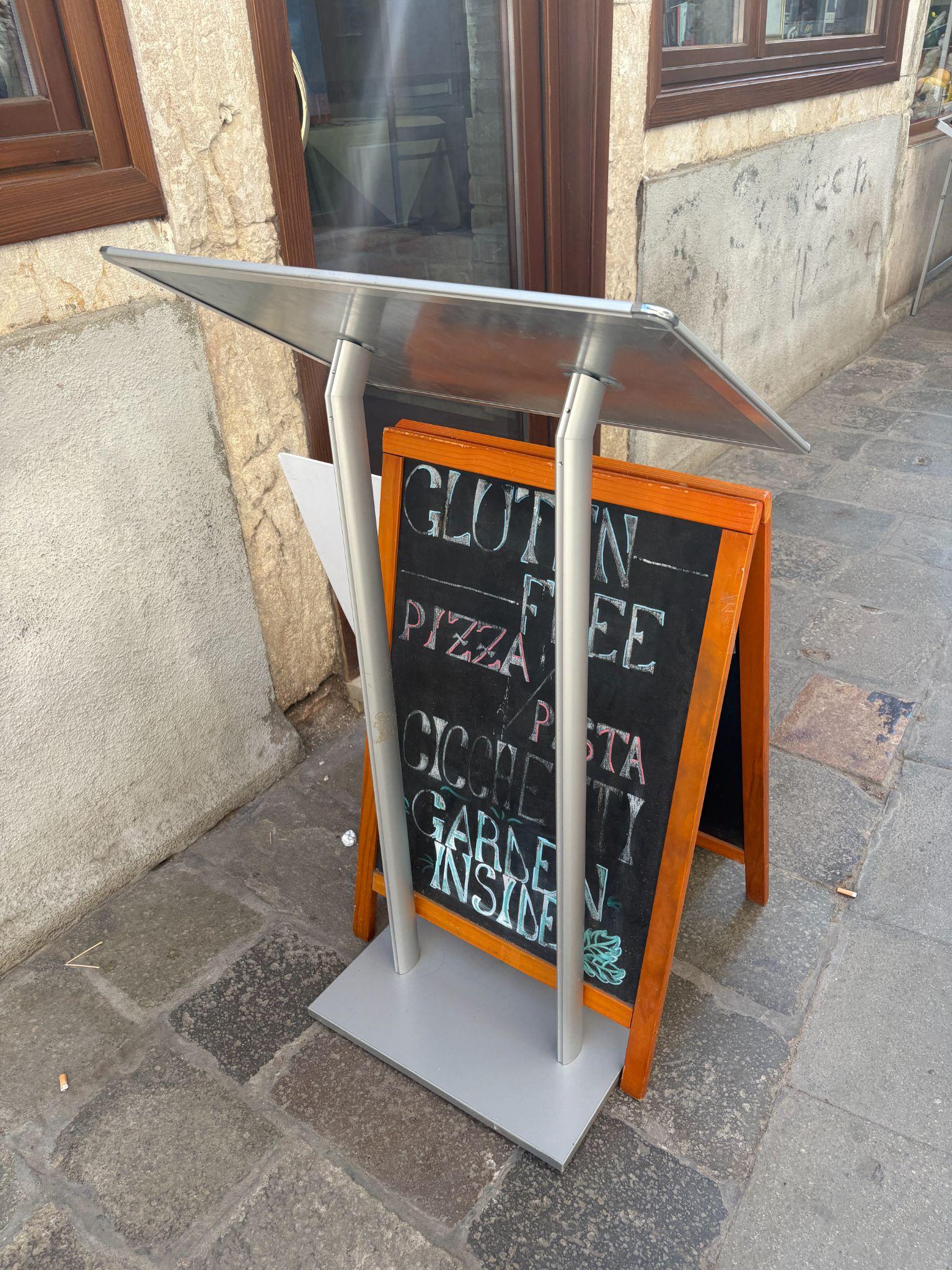
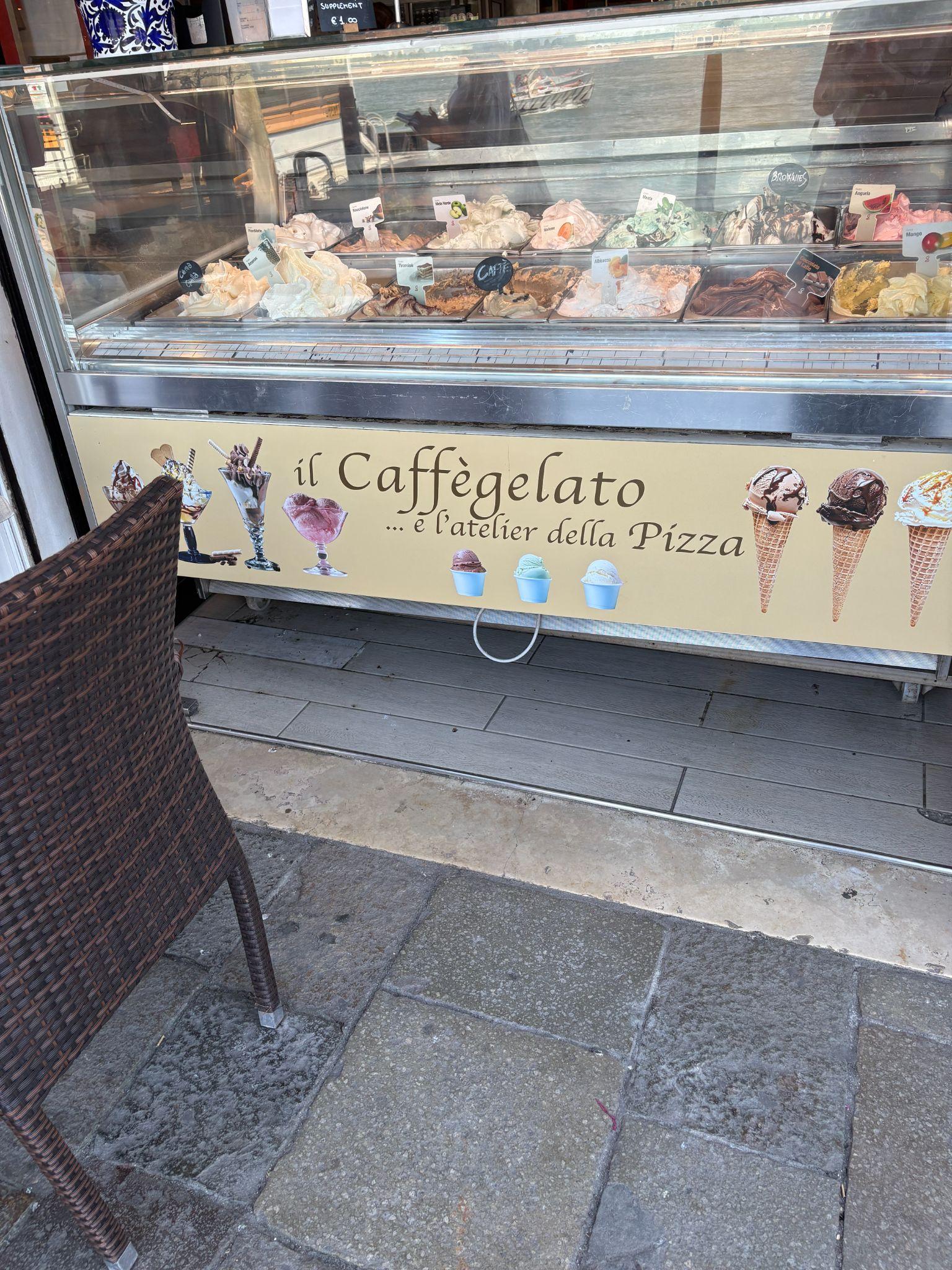
Image 22 Image 23
By the end of the week, our observations suggested that multilingualism in Venice cannot be understood simply as a function of tourist density. Instead, language choices appear to reflect the relationship between the sign and its intended audience. Institutional signs prioritise the communicative needs of their primary users, who are often local residents or professionals, whereas commercial signs adapt more readily to different customer groups. We came in expecting to measure tourist density. We left measuring a different question: who is this sign for, and what communicative purpose is it intended to fulfil?
Conclusion
In conclusion, we can state that the linguistic landscape of the Santi Giovanni e Paolo area reveals various contrasts between tourists and locals. When analysing the transportation within the region, we also found different travel patterns: while the western part contains many touristic paths, the eastern part contains more local paths. Additionally, by analysing the stickers and graffiti through a political lens, we found different messages in the touristic area and in the hospital area, revealing tensions between locals and the authorities but also between locals and tourists. Finally, on a linguistic level, we have found that the more touristic Fondamente Nove area to the west contains much more English communication than the hospital area to the east, which contains more Italian communication.
Reference List
Ben-Rafael, E., Shohamy, E., Hasan Amara, M., & Trumper-Hecht, N. (2006). Linguistic Landscape as Symbolic Construction of the Public Space: The Case of Israel. International Journal of Multilingualism, 3(1), 7–30. https://doi.org/10.1080/14790710608668383
Holloway, J. (2019). Change the World Without Taking Power: The Meaning of Revolution Today (4th ed.). London: Pluto Press.
Light, D., & Young, C. (2014). Toponymy as Commodity: Exploring the Economic Dimensions of Urban Place Names. International Journal Of Urban And Regional Research, 39(3), 435–450. https://doi.org/10.1111/1468-2427.12153
Locke, J. (1996). Second Treaties of Government. In D. Wootton (Ed.), Modern Political Thought: Readings from Machiavelli to Nietzsche. Indianapolis, IN: Hackett Publishing, pp. 310-386.
Lynch, K. (1960). The Image of the City. Cambridge, MA: The MIT Press.
Maaß, C. (2020). Easy Language – Plain Language – Easy Language Plus : Balancing Comprehensibility and Acceptability. In Frank & Timme eBooks. https://doi.org/10.26530/20.500.12657/42089
Rovinelli, G., Cuzzolin, G., Grazioso, M., Lucchese, C., Orlando, S., & Raffaetà, A. (2026). Public transport mobility in Venice. Scientific Data. https://doi.org/10.1038/s41597-026-07867-z
Scollon, R., & Scollon, S. B. (2003). Discourses in place: Language in the material world. Psychology Press.
ULSS 3 Serenissima. (2024). Bilancio di Sostenibilità. https://www.aulss3.veneto.it/myportal/AU12VE/api/content/download?id=6762cd5783fe2a008d73d2fd


You must be logged in to post a comment.